Ranthambore National Park, Sawai Madhopur, Rajasthan, India

Ranthambore National Park , Ranthambore
Tourists visit to observe tigers and other wildlife in their natural habitat, explore scenic forested landscapes, and experience safaris within a historic park that includes Ranthambore Fort.

Quick Facts About Ranthambore National Park

Quick Facts About Ranthambore National Park, Sawai Madhopur, Rajasthan

Entry Fee INR 500 for Indian adults, INR 150 for Indian children (5–12 years), INR 1,500–2,500 for foreign tourists per safari
Timings 6:00 AM – 11:00 AM and 2:00 PM – 6:00 PM (safari timings)
Altitude (m) 275–300 m above sea level
Ideal Visit Duration Half day to full day per safari; 1–2 days recommended for wildlife spotting
Best Time of Day Early morning and late afternoon safaris for wildlife sightings
Crowd Level Moderate to high during peak season (Oct–Mar); lower in summer and monsoon
Distance from City Centre (km) Approx. 11 km from Sawai Madhopur town center
Walking Difficulty Low inside safari vehicles; walking limited to designated trails and forest rest areas
Parking Available Available at park entry gates and nearby safari departure points
Last Mile Access Via park vehicles or licensed safari jeeps; private vehicles not allowed inside core zones
Suitable for Kids Yes, children allowed under supervision
Suitable for Seniors Yes, with vehicle-based safaris and minimal walking
Wheelchair Friendly Limited; safari vehicles not fully wheelchair accessible

Why Visit Ranthambore National Park, Sawai Madhopur, Rajasthan

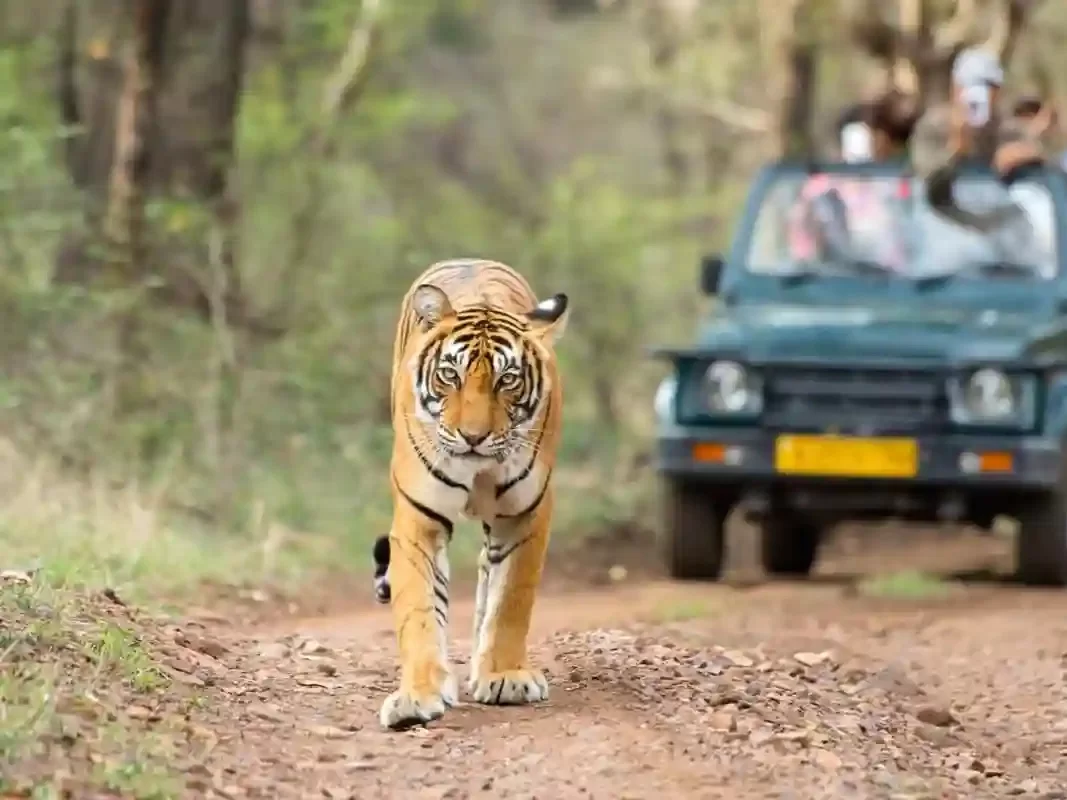
Visitors come to Ranthambore National Park primarily for wildlife safaris, with Bengal tigers, leopards, and other species as key attractions.

The park offers a natural, forested environment with open grasslands, water bodies, and dense woods, creating a serene and wildlife-rich atmosphere during safaris.

What makes Ranthambore distinct is the combination of active wildlife sightings within a protected area alongside scenic views of historic structures like Ranthambore Fort inside the park.

History of Ranthambore National Park, Sawai Madhopur, Rajasthan

Ranthambore National Park was originally the hunting grounds of the Maharajas of Jaipur and later designated as a protected area in 1955 to conserve wildlife, particularly Bengal tigers.

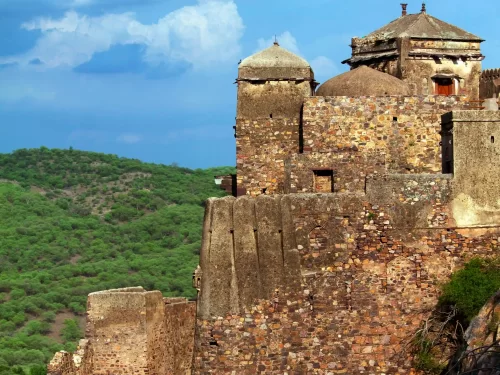
The park also encompasses Ranthambore Fort, a UNESCO World Heritage site, reflecting the region's historic strategic importance and Rajput architecture within the forested landscape.

Best Time to Visit Ranthambore National Park, Sawai Madhopur, Rajasthan

The best time to visit Ranthambore National Park is during the dry season when wildlife, especially tigers, are more visible near water sources.
  • Ideal months: October to March
  • Weather conditions during the best season: Mild to cool temperatures, minimal rainfall, clear skies
  • Periods to avoid: July to September due to heavy monsoon rains limiting safari access and wildlife sightings

How to Reach Ranthambore National Park, Sawai Madhopur, Rajasthan

  • Nearest airport: Jaipur International Airport, approximately 180 km from the park, with taxi or bus connections available.
  • Nearest railway station: Sawai Madhopur Railway Station, about 11 km from the park entrance, well-connected to major cities.
  • Road access and last-mile connectivity: The park is accessible via NH52 and local roads; private taxis, tour operators, and auto-rickshaws provide last-mile transport to park gates and resorts.

What to Expect When You Visit Ranthambore National Park, Sawai Madhopur, Rajasthan

  • The park consists of dry deciduous forest, open grasslands, and water bodies, offering natural wildlife habitats and scenic landscapes.
  • Facilities include designated safari zones, guided jeep and canter safaris, basic rest areas, and small visitor information centers near main entrances.
  • Movement inside the park is limited to authorized vehicles; walking is restricted and not permitted in core zones for safety.
  • Visitors typically follow guided safaris, maintain quiet behavior, and adhere to park rules; wildlife sightings are seasonal and cannot be guaranteed.

Important Visitor Information for Ranthambore National Park, Sawai Madhopur, Rajasthan

  • Peak season is October to March; mornings and late afternoons are busiest due to safari timings.
  • Quiet periods are early morning on weekdays; monsoon months (July–September) see limited access due to road conditions.
  • Wear comfortable, neutral-colored clothing; avoid bright colors that may disturb wildlife.
  • Carry water, sun protection, and insect repellent; follow park safety rules and maintain distance from animals.
  • Do not feed animals or leave litter; strictly follow instructions from safari guides and park officials.

Photography and Viewpoints at Ranthambore National Park, Sawai Madhopur, Rajasthan

  • Best photography spots include the Tiger Trail areas, Padam Talao, and the vicinity of Ranthambore Fort for wide-angle wildlife and landscape shots.
  • Early morning and late afternoon provide optimal natural lighting; midday safari may cause harsh shadows.
  • Photography is allowed on safaris; drones and flash photography are strictly prohibited to protect wildlife.
  • Crowds vary by safari zone; book morning slots for quieter conditions and better animal sightings.
  • Some areas are accessible only with guided safaris; follow park regulations to ensure safety and avoid restricted zones.

Near By Attraction

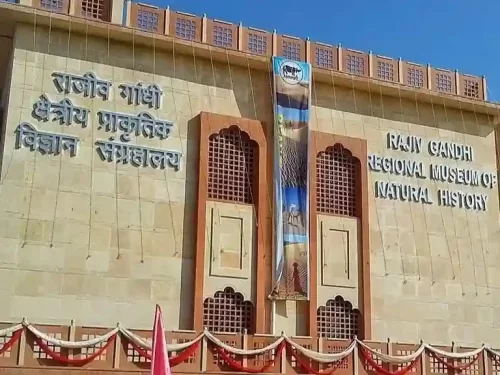
Rajiv Gandhi Regional Museum of Natural History Sawai Madhopur Modern architectural complex showcasing the biodiversity and natural history of Western India Rajasthan. Museum

Rajiv Gandhi National Museum

Rajiv Gandhi National Museum is a public museum located in Jodhpur that displays cultural, historical, and educational exhibits.
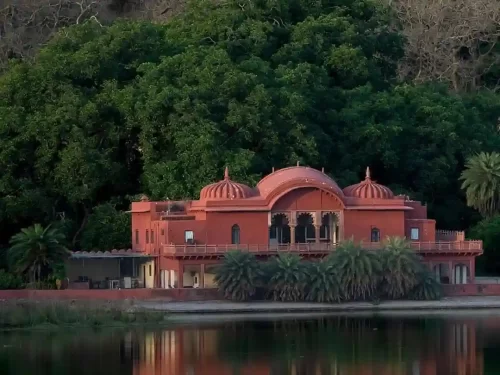
Jogi Mahal historic red sandstone hunting lodge featuring a massive ancient banyan tree and serene views of Padam Talao lake within Ranthambore National Park Rajasthan. Palace

Jogi Mahal

Jogi Mahal is a historic forest rest house located near Padam Talao inside Ranthambore National Park, Rajasthan.

Ranthambore Fort Sawai Madhopur Massive UNESCO World Heritage hilltop fortress featuring ancient temples, grand gates, and a panoramic view of the Ranthambore Tiger Reserve Rajasthan. Fort

Ranthambore Fort

A historic hilltop fort located within Ranthambore National Park.

Frequently Asked Questions About Ranthambore National Park

Ranthambore National Park is located near Sawai Madhopur and is well connected by road and rail.
Ranthambore National Park operates morning and afternoon safari slots, with timings varying by season.
The entry fee for Ranthambore National Park depends on the safari type, zone selection, and visitor category.
The best time to visit Ranthambore National Park is between October and June, with higher tiger sightings during the summer months.
Travelers can reach Ranthambore National Park by train to Sawai Madhopur railway station followed by a short road transfer.
Most visitors spend 1 to 2 days exploring Ranthambore National Park through multiple safari rides.
Ranthambore National Park is known for Bengal tigers along with leopards, deer, sloth bears, crocodiles, and various bird species.
Advance booking is recommended for Ranthambore National Park safaris, especially during peak tourist season.
Ranthambore National Park is suitable for family visits, though safari rules and wildlife safety guidelines must be followed.
Ranthambore National Park can be included in a short wildlife itinerary combined with Ranthambore Fort and nearby heritage sites.

Loved this place ? Let’s Plan Your Rajasthan Trip

Get customized Rajasthan tour planning designed around desert climate comfort, long-distance road travel flow, heritage exploration time, and realistic pacing between regions. Whether you are visiting for fort architecture, palace heritage, cultural exper

⚑ Quick Response | πŸ’° Free consultation | πŸ•’ 24Γ—7 expert support

×

Plan Your Trip