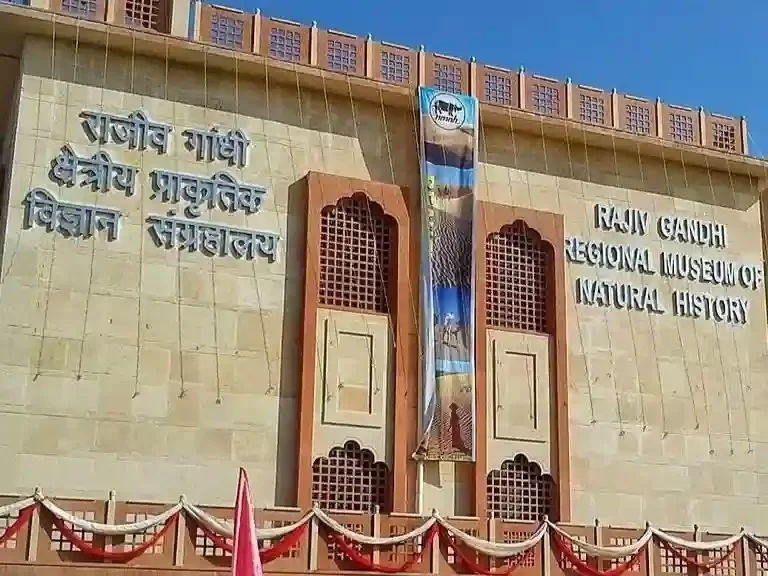
Rajiv Gandhi National Museum, Jodhpur, Rajasthan, India

Rajiv Gandhi National Museum , Ranthambore
Tourists visit the museum to see regional heritage displays, thematic galleries, and curated collections that provide context on local culture and history. It is mainly visited by students, families, and travelers seeking indoor attractions in the city.

Quick Facts About Rajiv Gandhi National Museum

Entry Fee Free
Timings Varies
Altitude (m) 230
Ideal Visit Duration (hrs) 0.5-1
Best Time of Day Late Morning to Early Afternoon
Crowd Level Low
Distance from City Centre (km) Within City
Walking Difficulty Easy
Parking Available Limited
Last Mile Access Walk
Suitable for Kids Yes
Suitable for Seniors Yes
Wheelchair Friendly Limited

Why Visit Rajiv Gandhi National Museum, Jodhpur

Visitors come to Rajiv Gandhi National Museum to explore its curated indoor exhibits focused on regional culture, education, and social themes, making it a practical stop for travelers interested in learning-based attractions rather than outdoor sightseeing.

The on-ground atmosphere is quiet and functional, with a simple museum layout, low visitor density, and a calm indoor environment. It is typically visited by students, families, and local residents, with limited tourist crowds.

What makes this museum distinct for travelers is its role as an educational civic space rather than a heritage monument, offering an alternative experience to Jodhpur’s forts, palaces, and outdoor attractions, especially during hot weather or short city visits.

History of Rajiv Gandhi National Museum, Jodhpur

Rajiv Gandhi National Museum in Jodhpur was established as a civic and educational institution to serve as a public knowledge space rather than a heritage monument. It was developed as part of urban cultural infrastructure to support learning, exhibitions, and community education.

The museum does not originate from a historical palace, fort, or royal structure, and it does not represent an ancient or medieval site. Its significance lies in its modern institutional role within the city rather than in architectural heritage or historical events.

Its development reflects a contemporary approach to public museums in urban India, focusing on curated exhibitions and educational programming instead of preservation of historic buildings or archaeological remains.

Best Time to Visit Rajiv Gandhi National Museum, Jodhpur

Rajiv Gandhi National Museum is an indoor attraction, but seasonal heat and city conditions still affect overall travel comfort and access, making cooler months more practical for combining the visit with other city activities.
  • Ideal Months: October to March
  • Best Season Conditions: Mild temperatures, comfortable city movement, and easier access to indoor cultural sites without heat-related fatigue.
  • Periods to Avoid: April to June due to extreme heat affecting travel across the city; July to September may bring humidity and rain-related access inconvenience, though the museum itself remains usable.

How to Reach Rajiv Gandhi National Museum, Jodhpur

  • Nearest Airport: Jodhpur Airport (JDH) is approximately 6–8 km from Rajiv Gandhi National Museum, depending on the access route. The airport has regular domestic flights connecting Delhi, Mumbai, Jaipur, and Udaipur. Taxis and app-based cabs are available outside the terminal, with average travel time of 20–30 minutes based on traffic conditions.
  • Nearest Railway Station: Jodhpur Junction Railway Station is around 5–7 km from the museum and is a major rail hub in western Rajasthan, connected to cities including Delhi, Jaipur, Jaisalmer, Ahmedabad, and Mumbai. Auto-rickshaws, taxis, and local transport services operate from the station area, with typical travel time of 15–25 minutes.
  • Road Access & Last-Mile Connectivity: The museum is located within the Jodhpur urban area and is accessible via city roads and local arterial routes. Visitors can reach the site by private vehicle, taxi, auto-rickshaw, or local transport. Vehicles can approach close to the building, but parking availability is limited and may depend on surrounding street conditions. Last-mile access usually involves a short walk from the drop-off or parking point. During peak traffic hours, inner-city congestion can increase travel time.

What to Expect When You Visit Rajiv Gandhi National Museum, Jodhpur

  • Environment and Surroundings: The museum is located within an urban setting in Jodhpur, surrounded by regular city infrastructure rather than landscaped grounds or heritage zones. The environment is indoor-focused, quiet, and functional, with no outdoor exhibition spaces or scenic surroundings.
  • Facilities and Amenities: Facilities are basic and limited to standard museum infrastructure, such as exhibition halls, entry counters, and seating areas. There are no cafés, souvenir shops, or organized food services within the museum premises, and visitor services are minimal.
  • Accessibility and Movement: Visitor movement is fully indoors, with short walking distances between galleries. Access depends on the building layout, and while general movement is easy, full accessibility for wheelchairs or mobility aids is not formally documented and may be limited by stairs or internal design.
  • Typical Visitor Behavior and Conditions: The museum usually has low visitor density and a calm atmosphere. Visitors mainly include students, families, and local residents rather than large tourist groups. The space is quiet, non-commercial, and not time-restricted, allowing unstructured and brief visits.

Important Visitor Information for Rajiv Gandhi National Museum, Jodhpur

  • Crowd and Weather Notes: The museum generally experiences low footfall throughout the year, with occasional increases during school visits, local events, or educational programs. Being an indoor facility, weather does not affect the visit directly, but extreme summer heat in Jodhpur can impact travel to and from the location.
  • Peak and Quiet Visiting Hours: Late mornings and early afternoons are the most active periods due to student groups and local visitors. Early opening hours are usually the quietest, offering a more private and uninterrupted viewing experience.
  • Dress Code: There is no formal dress code. Standard casual clothing is acceptable, as the museum is a civic and educational public space.
  • Safety Notes and Practical Cautions: The building layout may include stairs and narrow internal passages, which can limit accessibility for visitors with mobility issues. Signage and staff presence may be limited, so self-navigation is often required. The surrounding urban area can experience traffic congestion, especially during peak city hours.

Photography and Viewpoints at Rajiv Gandhi National Museum, Jodhpur

  • Best Viewpoints and Angles: Photography is mainly limited to indoor exhibits, display panels, and curated gallery spaces. Visual focus areas include exhibition halls, educational displays, and thematic installations rather than architectural features or exterior viewpoints.
  • Lighting and Time-of-Day Conditions: Indoor lighting is artificial and fixed, with consistent illumination throughout the day. Natural light is limited, so photography conditions remain largely the same regardless of visiting time.
  • Rules and Restrictions: Photography permissions depend on exhibition type and local administration policies. Some galleries may restrict photography, especially for specific exhibits or educational displays. Flash photography may be prohibited in certain sections to protect materials.
  • Crowd and Access Factors: Low visitor density generally allows unobstructed photography. Student groups or school visits can temporarily restrict movement in galleries and limit clear access to displays during peak hours.

Near By Attraction

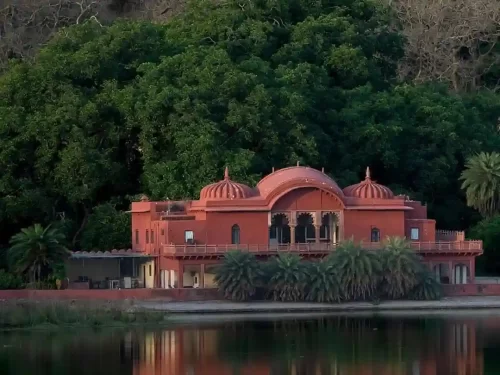
Jogi Mahal historic red sandstone hunting lodge featuring a massive ancient banyan tree and serene views of Padam Talao lake within Ranthambore National Park Rajasthan. Palace

Jogi Mahal

Jogi Mahal is a historic forest rest house located near Padam Talao inside Ranthambore National Park, Rajasthan.
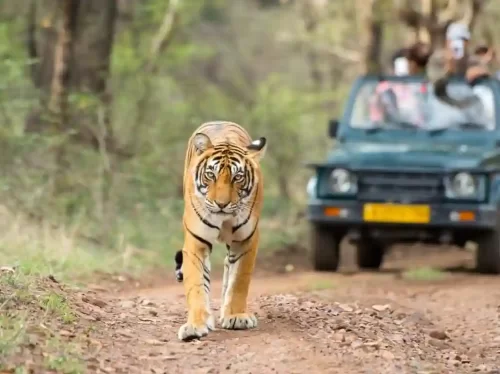
Ranthambore National Park Sawai Madhopur Vast wildlife reserve featuring dry deciduous forests, ancient ruins, and Bengal tigers roaming near Padam Talao lake Rajasthan. Wildlife Sanctuary

Ranthambore National Park

Ranthambore National Park is a protected wildlife reserve known for its Bengal tiger population and diverse flora and fauna.

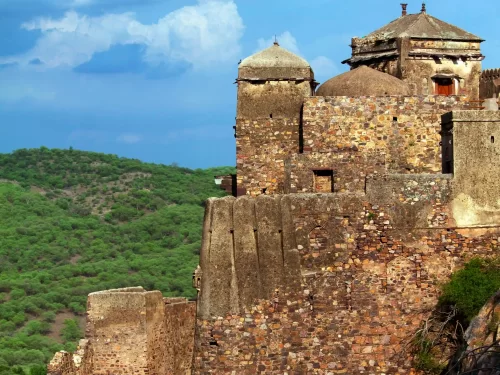
Ranthambore Fort Sawai Madhopur Massive UNESCO World Heritage hilltop fortress featuring ancient temples, grand gates, and a panoramic view of the Ranthambore Tiger Reserve Rajasthan. Fort

Ranthambore Fort

A historic hilltop fort located within Ranthambore National Park.

Frequently Asked Questions About Rajiv Gandhi National Museum

Rajiv Gandhi National Museum is located in Ranthambore in Rajasthan and is accessible from major nearby cities by road and local transport.
Rajiv Gandhi National Museum is generally open during standard daytime museum hours, and visitors should confirm exact timings before planning their visit.
The entry fee for Rajiv Gandhi National Museum is usually nominal, with separate charges possibly applicable for special exhibitions.
The best time to visit Rajiv Gandhi National Museum is during the winter months from October to March when the weather in Rajasthan is comfortable for sightseeing.
Travelers can reach Rajiv Gandhi National Museum by taxi, auto rickshaw, or private vehicle from the nearest city center in Rajasthan.
Most visitors spend around 1 to 2 hours exploring Rajiv Gandhi National Museum depending on their interest in the exhibits.
Photography policies at Rajiv Gandhi National Museum may vary, so visitors should check at the ticket counter regarding camera permissions.
Rajiv Gandhi National Museum is suitable for family visits as it offers educational exhibits and an indoor environment suitable for all age groups.
Basic facilities such as parking, restrooms, and nearby food outlets are available around Rajiv Gandhi National Museum.
Rajiv Gandhi National Museum can easily be included in a one day sightseeing itinerary along with other major attractions in the city.

Loved this place ? Let’s Plan Your Rajasthan Trip

Get customized Rajasthan tour planning designed around desert climate comfort, long-distance road travel flow, heritage exploration time, and realistic pacing between regions. Whether you are visiting for fort architecture, palace heritage, cultural exper

⚑ Quick Response | πŸ’° Free consultation | πŸ•’ 24Γ—7 expert support

×

Plan Your Trip