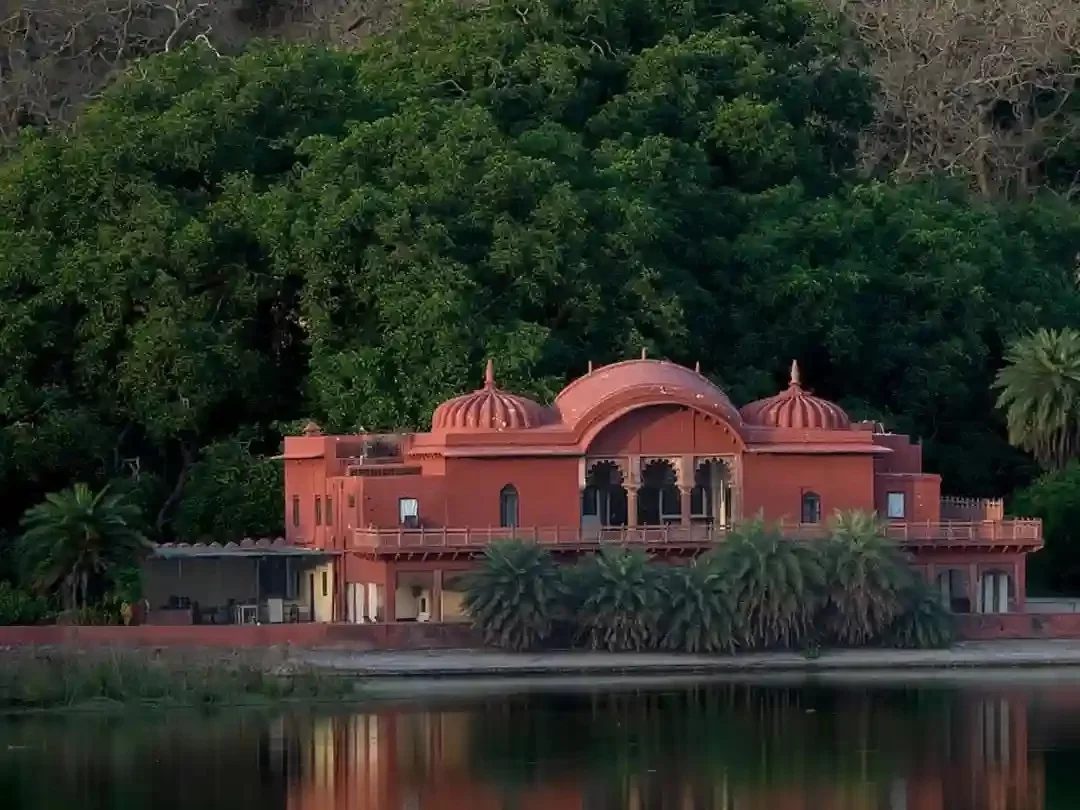
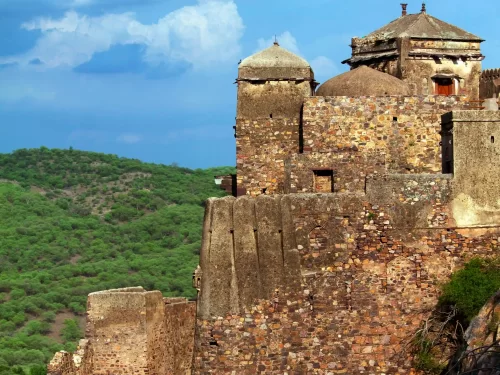
Jogi Mahal, Ranthambore National Park, Sawai Madhopur, Rajasthan

Jogi Mahal , Ranthambore
Visitors stop here for its lakeside setting, occasional wildlife sightings nearby, and views of Ranthambore Fort from the water’s edge. It serves mainly as a short halt point during safari routes rather than a standalone attraction.

Quick Facts About Jogi Mahal

Quick Facts About Jogi Mahal

Entry Fee No separate fee; access included with Ranthambore National Park safari permit
Timings Accessible only during permitted safari hours; no independent visiting hours
Altitude (m) Approx. 350 m
Ideal Visit Duration 10–15 minutes as part of a safari route stop
Best Time of Day Early morning safari hours for cooler conditions and lake visibility
Crowd Level Low; limited to safari vehicles passing through the zone
Distance from City Centre (km) Approx. 10 km from Sawai Madhopur town (inside the national park)
Walking Difficulty Easy; short, flat movement around the exterior only
Parking Available No public parking; accessed only by safari vehicles
Last Mile Access Only via authorized forest department safari vehicles
Suitable for Kids Yes, as part of guided safari routes
Suitable for Seniors Yes, but limited walking and vehicle-only access
Wheelchair Friendly No; uneven surfaces and vehicle-based access only

Why Visit Jogi Mahal

Visitors come to Jogi Mahal to see a historic forest rest house located beside Padam Talao, often encountered during Ranthambore safari routes.

The on-ground setting is quiet and wooded, with frequent bird activity and occasional wildlife sightings near the lake edges.

Its location at Ranthambore’s largest water body and access only through regulated safaris make it distinct from other park structures.

History of Jogi Mahal

Jogi Mahal was built by the Jaipur royal family as a forest rest house near Padam Talao to support hunting expeditions and forest administration.

After the area was declared Ranthambore National Park, the building was retained as a heritage structure and restricted-use visitor stop within the protected zone.

Best Time to Visit Jogi Mahal

Jogi Mahal is best visited during the cooler months when Ranthambore National Park is open and wildlife safaris operate regularly.
  • Ideal months:October to March, when park access is reliable and visitor movement is comfortable
  • Weather conditions during the best season:Daytime temperatures are mild, with cooler mornings and evenings near Padam Talao
  • Periods to avoid:July to September, when the park remains closed due to monsoon conservation protocols

How to Reach Jogi Mahal

  • Nearest airport:Jaipur International Airport, approx. 180 km; onward travel by taxi or bus to Sawai Madhopur
  • Nearest railway station:Sawai Madhopur Junction, about 11 km from Ranthambore National Park gates
  • Road access and last-mile connectivity:Jogi Mahal is located inside the park and accessible only on authorized safari routes; private vehicles are not permitted

What to Expect When You Visit Jogi Mahal

  • Environment and surroundings:Located beside Padam Talao inside Ranthambore National Park, surrounded by forest and open wildlife habitat
  • Facilities and amenities:No visitor facilities, food stalls, or restrooms; short stopovers only as part of guided safaris
  • Accessibility and movement:Access restricted to authorized safari vehicles; visitors cannot walk freely or enter the structure
  • Typical visitor behavior and conditions:Quiet observation from vehicles, limited stopping time, and adherence to forest department rules

Important Visitor Information for Jogi Mahal

  • Crowd and weather notes:Visitor numbers depend on safari allocations; wildlife sightings vary by season and water levels at Padam Talao
  • Peak and quiet visiting hours:Most visits occur during morning and afternoon safari slots; no independent access outside safari timings
  • Dress code:Neutral, earth-toned clothing recommended; avoid bright colors during safaris
  • Safety notes and practical cautions:Stay inside safari vehicles at all times; photography and movement follow forest department regulations

Photography and Viewpoints at Jogi Mahal

  • Best viewpoints or angles for photography:The lakeside area near Padam Talao offers clear views of waterbirds, crocodiles, and Ranthambore Fort in the background
  • Lighting conditions and time-of-day considerations:Early morning and late afternoon safaris provide softer light and better wildlife activity near the water
  • Rules or restrictions on photography, if any:Photography is allowed only from within safari vehicles; drones and tripods are prohibited inside the park
  • Crowd or access factors that affect photography:Access is limited to guided safari routes, and vehicle movement time at the site is regulated by forest staff

Near By Attraction

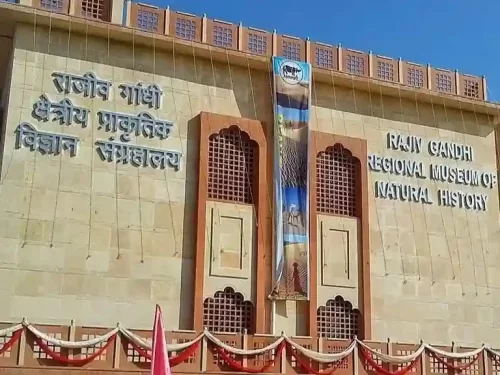
Rajiv Gandhi Regional Museum of Natural History Sawai Madhopur Modern architectural complex showcasing the biodiversity and natural history of Western India Rajasthan. Museum

Rajiv Gandhi National Museum

Rajiv Gandhi National Museum is a public museum located in Jodhpur that displays cultural, historical, and educational exhibits.
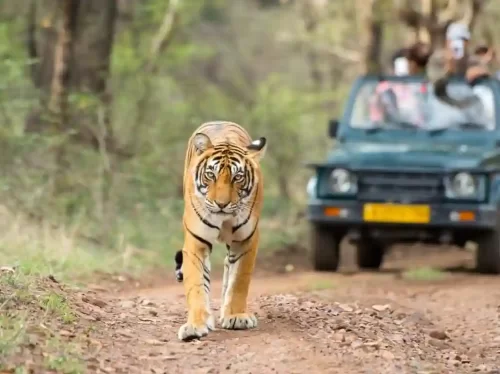
Ranthambore National Park Sawai Madhopur Vast wildlife reserve featuring dry deciduous forests, ancient ruins, and Bengal tigers roaming near Padam Talao lake Rajasthan. Wildlife Sanctuary

Ranthambore National Park

Ranthambore National Park is a protected wildlife reserve known for its Bengal tiger population and diverse flora and fauna.

Ranthambore Fort Sawai Madhopur Massive UNESCO World Heritage hilltop fortress featuring ancient temples, grand gates, and a panoramic view of the Ranthambore Tiger Reserve Rajasthan. Fort

Ranthambore Fort

A historic hilltop fort located within Ranthambore National Park.

Frequently Asked Questions About Jogi Mahal

Jogi Mahal is located near Ranthambore Fort inside Ranthambore National Park and is accessible by road.
Jogi Mahal visiting access depends on national park regulations, and visitors should confirm current entry permissions in advance.
There is no separate entry fee for Jogi Mahal, but park entry charges apply to access the surrounding area.
The best time to visit Jogi Mahal is between October and March when the weather is comfortable for exploring the park region.
Travelers can reach Jogi Mahal by private vehicle or safari routes permitted within Ranthambore National Park.
Most visitors spend around 30 to 60 minutes viewing Jogi Mahal from the permitted areas within the park.
Photography is allowed at Jogi Mahal from designated zones, especially for capturing the structure and surrounding landscape.
Jogi Mahal is known for its scenic setting by Padam Talao and the presence of one of the largest banyan trees in the region.
Jogi Mahal is suitable for family visits, though access is subject to national park rules and wildlife safety guidelines.
Jogi Mahal can be included in a sightseeing plan along with Ranthambore Fort and wildlife safari experiences.

Loved this place ? Let’s Plan Your Rajasthan Trip

Get customized Rajasthan tour planning designed around desert climate comfort, long-distance road travel flow, heritage exploration time, and realistic pacing between regions. Whether you are visiting for fort architecture, palace heritage, cultural exper

⚡ Quick Response | 💰 Free consultation | 🕒 24×7 expert support

×

Plan Your Trip