+91 9910402252
admin@chalbanjare.com


| Entry Fee | No entry fee for temple darshan, camera charges may apply separately |
|---|---|
| Timings | Open daily from 12 00 PM to 5 00 PM for visitors, morning hours reserved for religious rituals |
| Altitude (m) | Located at approximately 480 meters above sea level in the Aravalli range |
| Ideal Visit Duration | One and a half to two hours to explore temple architecture and marble pillars |
| Best Time of Day | Early afternoon after opening hours for calm atmosphere and better lighting |
| Crowd Level | Moderate crowds with higher numbers during weekends and tourist season |
| Distance from City Centre (km) | About 90 kilometers from Udaipur city and around 50 kilometers from Pali town |
| Walking Difficulty | Low walking difficulty with flat marble floors inside the temple complex |
| Parking Available | Yes parking available near the temple entrance area |
| Last Mile Access | Taxi private vehicle or tour vehicle available directly to the temple complex |
| Suitable for Kids | Yes suitable for kids with supervision due to temple rules and quiet environment |
| Suitable for Seniors | Yes suitable for seniors with easy access and seating areas available |
| Wheelchair Friendly | Yes wheelchair accessible with ramps and smooth marble flooring |
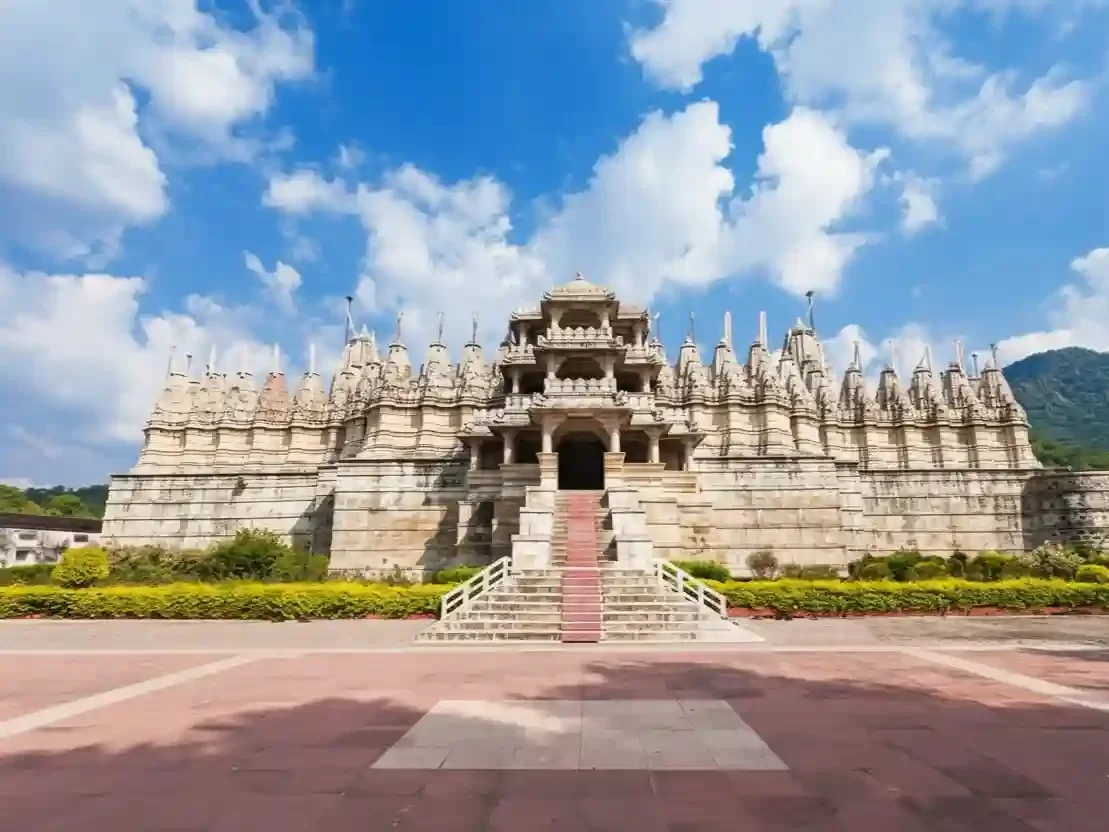
Atmosphere at Ranakpur Jain Temple is serene, spiritual, and architecturally mesmerizing, set amidst the forested hills of the Aravalli range. The calm surroundings, filtered natural light, and quiet chants create a deeply peaceful environment that allows visitors to fully absorb the temple’s sacred and artistic essence.
What makes Ranakpur Jain Temple special is its extraordinary marble architecture and intricate craftsmanship. Dedicated to Tirthankara Adinatha, the temple is renowned for its 1,444 uniquely carved pillars, each with distinct designs and detailed motifs. Visitors can admire the flawless symmetry, domed ceilings, and delicate carvings that reflect the highest level of Jain architectural excellence. The interplay of light and marble enhances the visual beauty, making the temple a masterpiece of Indian art and devotion.
Beyond its visual splendor, Ranakpur Jain Temple holds immense religious and cultural significance for the Jain community. It attracts pilgrims, architecture enthusiasts, photographers, and travelers seeking spiritual depth combined with artistic brilliance. The holistic visit leaves visitors with a sense of peace, reverence, and admiration for the timeless craftsmanship and spiritual legacy preserved within the temple.
Ranakpur Jain Temple, located in the Pali district of Rajasthan, is one of the most significant Jain temples in India. It was constructed in the 15th century under the patronage of Rana Kumbha of Mewar and dedicated to Tirthankara Adinath. The temple stands as a masterpiece of marble architecture, reflecting the devotion and artistic excellence of the period.
The temple is renowned for its 1,444 intricately carved marble pillars, each uniquely designed, supporting the vast temple complex. These carvings depict mythological scenes, celestial beings, and floral motifs, showcasing the high level of craftsmanship achieved by artisans during medieval Rajasthan.
Today, Ranakpur Jain Temple remains a major pilgrimage site for Jains and a prominent heritage monument for visitors. It symbolizes spiritual devotion, architectural brilliance, and the harmonious integration of religion and art in Rajasthan’s history.
Visiting Ranakpur Jain Temple in Pali is most enjoyable when the weather is pleasant, allowing visitors to explore the marble architecture, intricate carvings, and temple complex comfortably without discomfort from heat.
The months from October to March are ideal for visiting, as the region experiences cool and comfortable winter weather. This period is perfect for temple darshan, photography, and appreciating the temple’s detailed craftsmanship in a peaceful atmosphere.
Spring months from March to early April remain suitable, though temperatures gradually begin to rise. Early morning visits are recommended to enjoy the serene environment and avoid warmer daytime hours.
Summer season from May to September brings higher temperatures, and monsoon months add greenery to the surrounding forested hills. While the temple remains accessible, heat and humidity during peak summer may affect comfort for visitors.
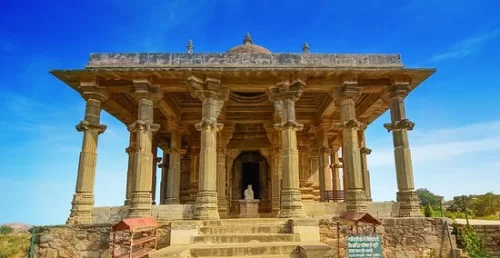 Fort
Fort
Gole Rao Temple is a Jain temple located near Kumbhalgarh Fort in Rajsamand district, Rajasthan, India.
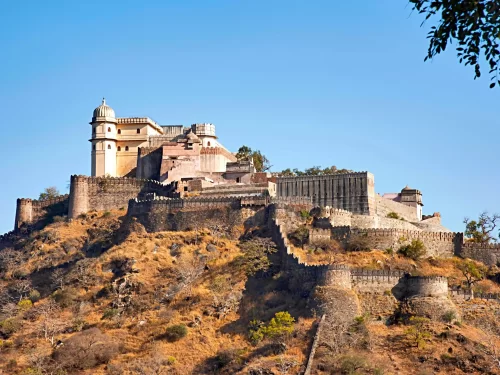 Palace
Badal Mahal, or the Palace of Clouds, is the highest point of the Kumbhalgarh Fort complex and was built by Maharana Fateh Singh in the 19th century.
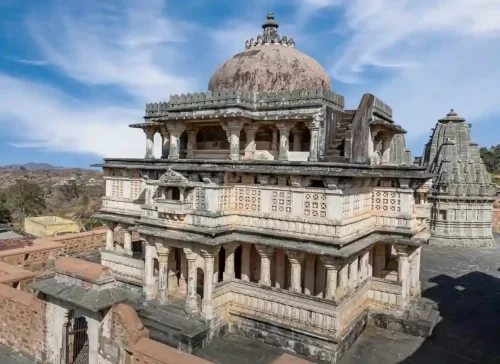 Temple
Vedi Temple is a three-story sacrificial ritual structure built by Rana Kumbha in 1458 to commemorate the completion of the Kumbhalgarh Fort.
Get customized Rajasthan tour planning designed around desert climate comfort, long-distance road travel flow, heritage exploration time, and realistic pacing between regions. Whether you are visiting for fort architecture, palace heritage, cultural exper
⚡ Quick Response | 💰 Free consultation | 🕒 24×7 expert support

