Quick Facts About Neemach Mata Mandir
Quick Facts About Neemach Mata Mandir Udaipur
| Entry Fee | No entry fee for the temple itself; ropeway tickets for ascent cost around 185 rupees per person |
|---|---|
| Timings | Temple open daily generally from 6 00 AM to 8 00 PM for visitors and darshan |
| Altitude (m) | Located on a hilltop at about 900 meters above sea level near Fateh Sagar Lake |
| Ideal Visit Duration | One to two hours including climb or ropeway ride and temple visit |
| Best Time of Day | Early morning or late afternoon for cooler weather and panoramic views |
| Crowd Level | Moderate to high on weekends festivals like Navratri and holidays |
| Distance from City Centre (km) | About 5 kilometers from central Udaipur city and Fateh Sagar Lake area |
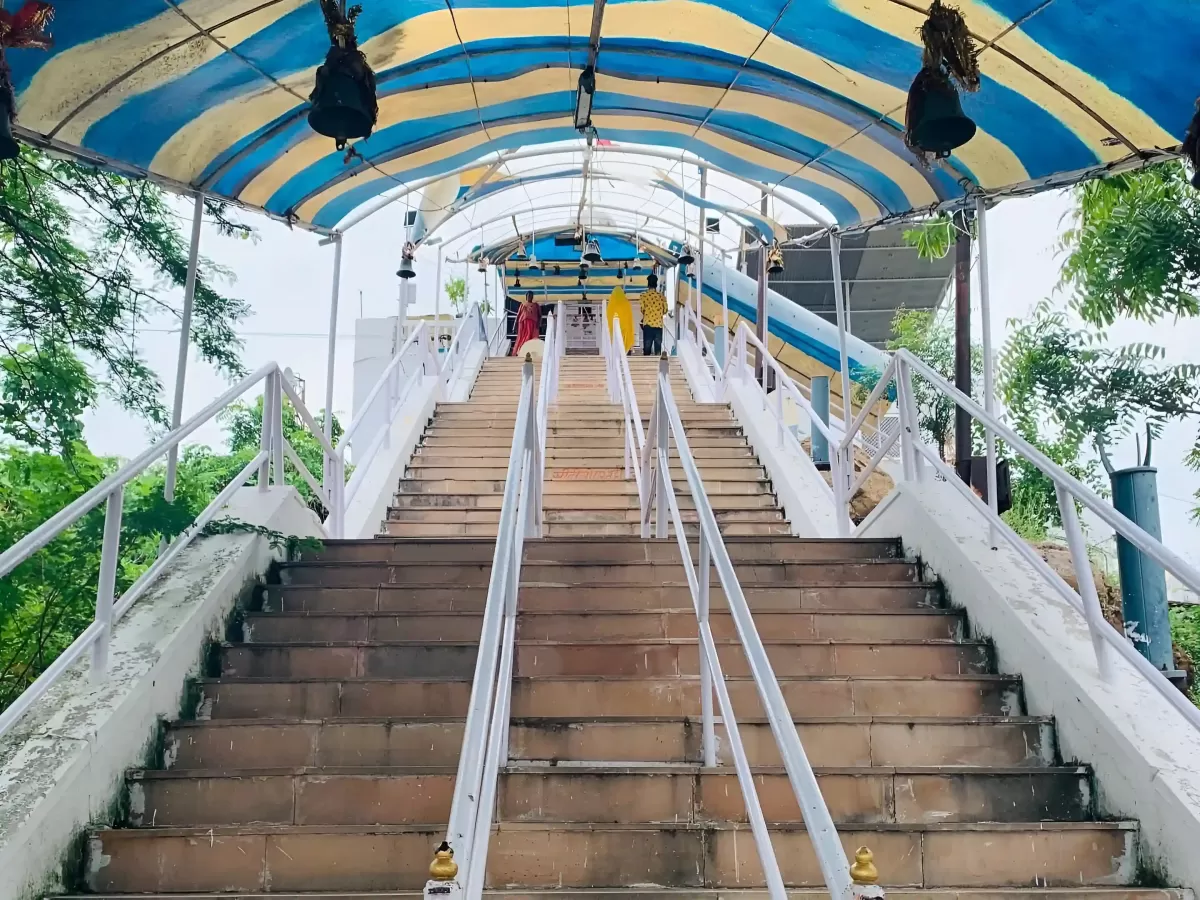
| Walking Difficulty | Moderate uphill climb of around 900 meters with steps and paths if choosing to walk |
| Parking Available | Yes parking available near base of the hill before ascent to the temple |
| Last Mile Access | Auto rickshaw taxi and local transport available to base, then walk or ropeway to temple |
| Suitable for Kids | Yes suitable for children but supervise on uphill climb; ropeway option eases access |
| Suitable for Seniors | Moderate for seniors; ropeway ride makes access easier, walking uphill may be tiring |
| Wheelchair Friendly | Limited wheelchair accessibility; ropeway helps but paths and steps near temple can be uneven |
Why Visit Neemach Mata Mandir
Atmosphere at Neemach Mata Mandir is peaceful, devotional, and refreshing, set amidst elevated surroundings that offer a calm escape from busy city life. The temple’s hilltop location, gentle breeze, and quiet environment create a spiritually uplifting experience where visitors can relax, reflect, and connect with the divine.
What makes Neemach Mata Mandir special is its strong religious significance and scenic setting. Dedicated to Goddess Neemach Mata, the temple attracts devotees seeking blessings, protection, and spiritual solace. Visitors can participate in daily rituals, offer prayers, and enjoy panoramic views from the temple area, making the visit both spiritually fulfilling and visually rewarding.
Beyond its spiritual appeal, Neemach Mata Mandir holds cultural importance for the local community and visiting devotees. It caters to pilgrims, families, and travelers looking for a blend of devotion, serenity, and scenic beauty. The overall experience leaves visitors with a sense of peace, faith, and connection to the sacred traditions associated with the temple.
History of Neemach Mata Mandir, Udaipur
Neemach Mata Mandir, located on the Sukher hills near Udaipur in Rajasthan, is an ancient Hindu temple dedicated to Goddess Neemach Mata, a revered form of Shakti. The temple has long been worshipped as a guardian deity of the region, with its origins rooted in local traditions and centuries-old devotional practices of the Mewar region.
Historically, the temple gained prominence as local rulers and communities believed the goddess protected Udaipur from natural calamities, epidemics, and external threats. Its hilltop location was chosen for both spiritual symbolism and strategic visibility, offering devotees a sense of elevation and closeness to the divine.
Over time, Neemach Mata Mandir evolved into an important pilgrimage site, especially during Navratri, when large numbers of devotees visit to offer prayers. Today, the temple stands as a symbol of Udaipur’s enduring faith, blending historical belief systems with the scenic beauty of the Aravalli hills.
Best Time to Visit Neemach Mata Mandir
Visiting Neemach Mata Mandir is most enjoyable when the weather is pleasant, allowing devotees and travelers to comfortably reach the hilltop temple and spend time in prayer while enjoying panoramic city views.
The months from October to March are ideal for visiting, as the climate remains cool and comfortable. This period is perfect for temple visits, trekking up the pathway, and peaceful darshan without discomfort from heat or humidity.
Summer months from April to June can be warm during the day. Early morning and late evening visits are recommended to avoid heat while enjoying the spiritual atmosphere and scenic surroundings.
Monsoon season from July to September enhances the natural beauty around the temple, with lush greenery and cooler air. However, rainfall may make the pathway slippery, so visitors should exercise caution. This season offers fewer crowds and a serene experience.
- October to March for pleasant weather and comfortable temple visits
- April to June suitable for early morning or evening visits
- July to September for lush greenery and fewer crowds, though rain may affect access
- Early mornings are ideal for peaceful prayers and scenic views
- Weekdays are generally quieter than weekends
How to Reach Neemach Mata Mandir
- By Air: The nearest airport is Maharana Pratap Airport, Udaipur, located approximately 25 km from Neemach Mata Mandir. From the airport, visitors can hire taxis or app-based cabs for a comfortable drive to the temple.
- By Train: Udaipur City Railway Station is well connected to major cities such as Delhi, Jaipur, Mumbai, and Ahmedabad. From the station, taxis and auto-rickshaws are easily available to reach Neemach Mata Mandir.
- By Road: Udaipur is connected via NH27 and state highways to major cities in Rajasthan and Gujarat. Regular buses, private taxis, and self-drive options make road travel convenient. The temple is located in the Fateh Sagar area and is accessible by city roads.
- Local Transport: Within Udaipur, auto-rickshaws, taxis, and app-based ride services provide easy access. The final stretch involves a short uphill walk from the parking area to the temple.
What to Expect When You Visit Neemach Mata Mandir
- Immersive surroundings that reflect the true natural, cultural, or spiritual character of the destination, offering a peaceful and enriching travel experience.
- Well-maintained visitor pathways and accessible viewing points designed to provide comfortable exploration while preserving the authenticity of the location.
- Opportunities to engage with local traditions, regional architecture, or natural landscapes, allowing travelers to gain deeper cultural understanding.
- Scenic photo spots and panoramic viewpoints that highlight the area’s unique beauty throughout different times of the day.
- Informational boards, guides, or locally available assistance that help visitors learn the historical or environmental importance of the site.
- Seasonal changes in atmosphere, crowd levels, and visual appeal, ensuring a different yet memorable experience depending on the time of visit.
- Nearby amenities such as refreshment stalls, rest areas, or small markets offering local flavors and handicrafts.
- A calm and respectful environment that allows visitors to fully absorb the significance and charm of the destination.
Important Visitor Information and Safety of Neemach Mata Mandir
- Crowd & Peak Hours: Footfall is higher during mornings, weekends, Navratri, and religious festivals. Early morning hours are quieter and suitable for a peaceful darshan.
- Weather Notes: Summers can be hot, while winters are pleasant. During monsoon months, pathways and steps leading to the temple may become slippery.
- Dress Code: Wear modest and respectful clothing appropriate for a religious site. Comfortable footwear is recommended, keeping in mind shoes may need to be removed before entering the temple.
- Safety Tips: Walk carefully on steps, avoid rushing during crowded hours, keep personal belongings secure, and follow temple guidelines for a safe and respectful visit.
Photography and Viewpoints at Neemach Mata Mandir
- The temple’s hilltop location offers sweeping panoramic views of the surrounding landscapes, making it ideal for wide-angle and landscape photography.
- Sunrise and sunset provide dramatic lighting, with warm hues illuminating the temple structure and the valley below.
- Close-up shots of the deity idol, carvings, and devotional offerings capture the spiritual and cultural essence of the temple.
- The approach pathways and stairways create strong leading lines for composition-focused photography.
- Natural surroundings, including greenery and rocky terrain, add depth and contrast to architectural photographs.
- The elevated viewpoints allow photographers to combine temple architecture with expansive natural scenery in a single compelling frame.