+91 9910402252
admin@chalbanjare.com


| Entry Fee | Indian adult about 40 rupees per person, foreign adult about 600 rupees per person, children below fifteen years free |
|---|---|
| Timings | Open daily from 9 00 AM to 6 00 PM for visitors |
| Altitude (m) | Located at approximately 1100 meters above sea level in the Aravalli mountain range |
| Ideal Visit Duration | Two to three hours to explore fort walls palaces temples and viewpoints |
| Best Time of Day | Morning hours for comfortable walking and clear panoramic views |
| Crowd Level | Moderate crowds with higher numbers on weekends and tourist season months |
| Distance from City Centre (km) | About 85 kilometers from Udaipur city and around 48 kilometers from Rajsamand town |
| Walking Difficulty | Moderate walking difficulty with uphill paths stone steps and long fort stretches |
| Parking Available | Yes parking available near the fort entrance area for cars and buses |
| Last Mile Access | Taxi private vehicle or local transport available up to the fort gate followed by walking inside the complex |
| Suitable for Kids | Yes suitable for kids with supervision due to large open areas and fort terrain |
| Suitable for Seniors | Moderate for seniors as walking distances and steps may be tiring |
| Wheelchair Friendly | No not wheelchair friendly due to uneven stone paths steps and elevation changes |
Atmosphere at Kumbhalgarh Fort is powerful, majestic, and deeply immersive, surrounded by the rugged Aravalli hills and vast stretches of forested landscape. The expansive fort complex, long stone pathways, and panoramic viewpoints create a sense of grandeur and isolation that reflects the fort’s historic strength and strategic importance.
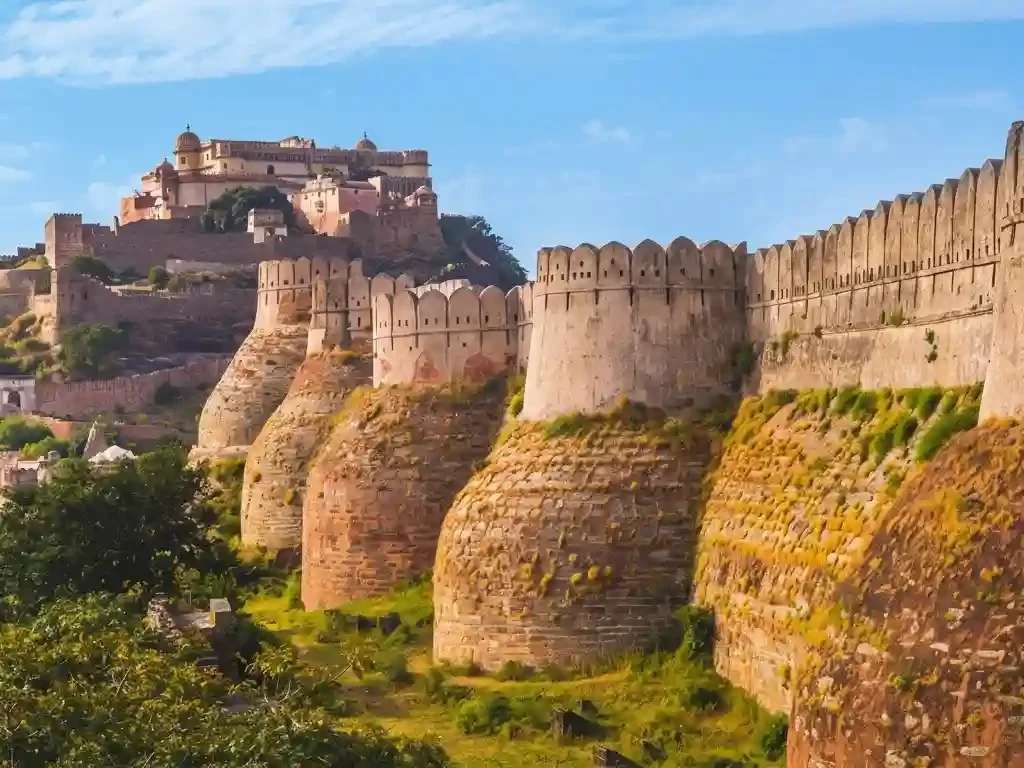
What makes Kumbhalgarh Fort special is its massive defensive wall, the second longest continuous wall in the world after the Great Wall of China. Built by Rana Kumbha, the fort is a masterpiece of Rajput military architecture, featuring palaces, temples, watchtowers, and gateways spread across the hilltop. Visitors can explore its vast structure, admire intricate carvings, and enjoy sweeping views of the surrounding hills, making it a highlight for history lovers and photographers alike.
Beyond its architectural brilliance, Kumbhalgarh Fort holds immense historical and cultural significance as the birthplace of Maharana Pratap. It attracts travelers interested in Rajput history, architecture, and scenic exploration. The holistic visit leaves visitors with a deep appreciation for Rajasthan’s warrior legacy, architectural ingenuity, and the dramatic landscape of the Aravalli range.
Kumbhalgarh Fort, located in the Rajsamand district of Rajasthan, is one of the most formidable hill forts in India. It was constructed in the 15th century by Rana Kumbha of the Mewar dynasty and served as a strategic defensive stronghold protecting the kingdom from invasions. The fort is renowned for its massive defensive wall, stretching over 36 kilometers, making it the second-longest continuous wall in the world after the Great Wall of China.
The fort occupies a critical position in the Aravalli range and was historically used as a refuge for the rulers of Mewar during times of conflict. Notably, it is the birthplace of Maharana Pratap, one of Rajasthan’s most revered warriors. The complex houses numerous temples, palaces, and water reservoirs, reflecting both military planning and architectural sophistication.
Today, Kumbhalgarh Fort is a UNESCO World Heritage Site and stands as a symbol of Rajput valor, resilience, and architectural excellence. It attracts history enthusiasts and tourists who come to explore its imposing structures and understand its pivotal role in Rajasthan’s medieval history.
Visiting Kumbhalgarh Fort in Rajsamand is most enjoyable when the weather is comfortable, allowing visitors to explore the massive fort complex, walk along its walls, and enjoy panoramic views of the Aravalli ranges without discomfort from heat.
The months from October to March are ideal for visiting, as the region experiences cool and pleasant winter weather. This period is perfect for sightseeing, photography, and heritage walks across the fort’s expansive ramparts and temples.
Spring months from March to early April remain suitable, though temperatures begin to rise gradually. Early morning or late afternoon visits are recommended to avoid midday heat while enjoying clear views and architectural details.
Summer season from May to September brings higher temperatures, and monsoon months add lush greenery to the surrounding hills. While the scenery becomes vibrant, heat and occasional rain may affect comfort and accessibility during peak summer days.
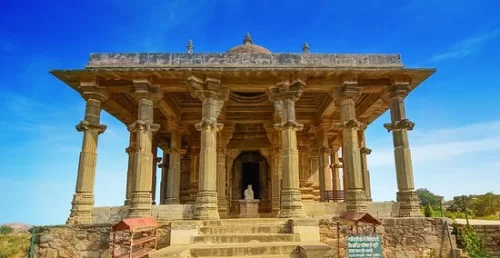 Fort
Fort
Gole Rao Temple is a Jain temple located near Kumbhalgarh Fort in Rajsamand district, Rajasthan, India.
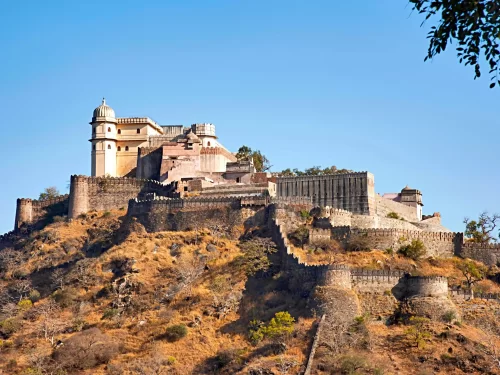 Palace
Badal Mahal, or the Palace of Clouds, is the highest point of the Kumbhalgarh Fort complex and was built by Maharana Fateh Singh in the 19th century.
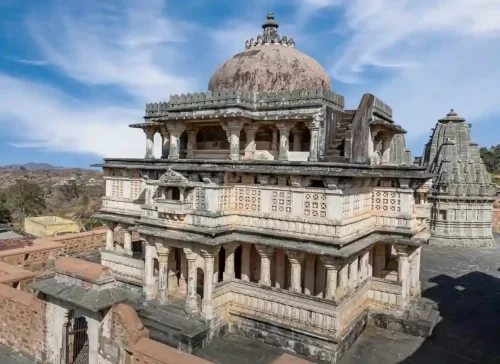 Temple
Vedi Temple is a three-story sacrificial ritual structure built by Rana Kumbha in 1458 to commemorate the completion of the Kumbhalgarh Fort.
Get customized Rajasthan tour planning designed around desert climate comfort, long-distance road travel flow, heritage exploration time, and realistic pacing between regions. Whether you are visiting for fort architecture, palace heritage, cultural exper
⚡ Quick Response | 💰 Free consultation | 🕒 24×7 expert support