Kishangarh Fort – Historic Rajput Fort in Kishangarh, Rajasthan

Kishangarh Fort , Ajmer
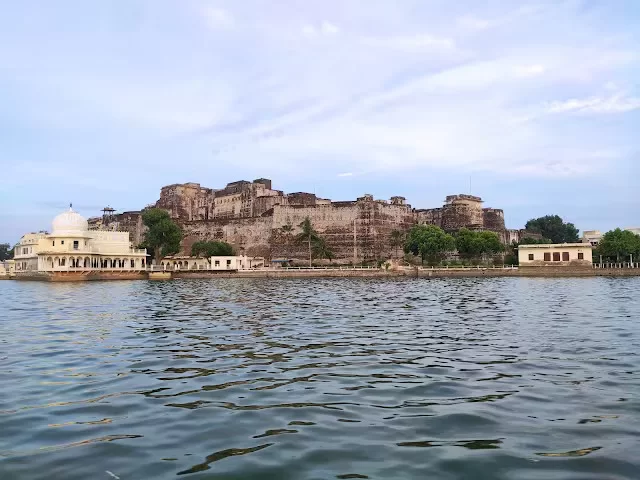
Tourists visit Kishangarh Fort to explore its Rajput-era architecture and its association with the former princely state of Kishangarh. The fort complex reflects the region’s royal heritage and is known for its historical significance in the development of the Kishangarh kingdom.

Quick Facts About Kishangarh Fort

Kishangarh Fort, Rajasthan Quick Facts

Entry Fee No standard public entry fee; access to certain sections may depend on current management policies
Timings Visiting hours may vary; access is generally available during daylight hours
Altitude (m) Approximately 430 m above sea level
Ideal Visit Duration 1–2 hours
Best Time of Day Morning or late afternoon for comfortable temperatures and photography
Crowd Level Low to moderate
Distance from City Centre (km) Approximately 1 km from Kishangarh city centre
Walking Difficulty Easy to moderate; includes stairs and uneven heritage surfaces
Parking Available Limited parking available near the fort area
Last Mile Access Accessible by motorable road followed by a short walk to the fort entrance
Suitable for Kids Yes
Suitable for Seniors Yes, with caution on stairs and uneven pathways
Wheelchair Friendly No; historic architecture and stairways limit wheelchair accessibility

Why Visit Kishangarh Fort, Rajasthan

Visitors come to Kishangarh Fort to explore a historic hilltop fort complex overlooking the town of Kishangarh and the surrounding plains. The site appeals to travelers interested in Rajasthan’s regional forts, architectural details, and elevated viewpoints away from the state's busiest heritage destinations.

The on-ground atmosphere is relatively quiet, with open courtyards, gateways, and fort structures offering space to walk and observe the surrounding landscape. Visitors can experience a slower pace compared to larger forts in Jaipur, Jodhpur, or Udaipur.

What makes Kishangarh Fort distinct is its connection to the cultural identity of Kishangarh and its commanding position above the town. The fort combines heritage architecture with panoramic views, providing insight into a lesser-visited side of Rajasthan’s fortified landscapes.

History of Kishangarh Fort, Rajasthan

Kishangarh Fort is associated with the former princely state of Kishangarh, which was founded in 1609 by Maharaja Kishan Singh, a Rajput ruler of the Rathore dynasty. The fort served as an administrative and defensive center for the kingdom during its early development.

Over the centuries, the fort remained closely linked to the ruling family of Kishangarh and the region's political history. The town later became renowned for the distinctive Kishangarh school of miniature painting, which flourished under royal patronage.

Today, Kishangarh Fort stands as a reminder of the state's royal heritage, reflecting the architectural and historical legacy of the Rajput rulers who shaped the region's cultural identity.

Best Time to Visit Kishangarh Fort, Rajasthan

Kishangarh Fort is best explored during the cooler months when visitors can comfortably walk through its historic structures, viewpoints, and surrounding heritage areas without the intense daytime heat common in central Rajasthan.
  • Ideal Months: October to March is the most suitable period for visiting Kishangarh Fort and other attractions in the city.
  • Weather Conditions: These months typically offer pleasant daytime temperatures, cooler mornings and evenings, and clear conditions that enhance sightseeing and photography around the fort complex.
  • Periods to Avoid: April to June can bring extreme heat, making outdoor exploration uncomfortable during much of the day. July to September sees occasional monsoon rainfall, which may affect outdoor visits but is generally less restrictive than the summer season.

How to Reach Kishangarh Fort, Rajasthan

  • By Air: The nearest airport is Kishangarh Airport (Ajmer Airport), located approximately 10–15 km from Kishangarh Fort. It offers flights to select major Indian cities. Jaipur International Airport, around 100 km away, provides wider domestic and international connectivity. Taxis are available from both airports.
  • By Train: Kishangarh Railway Station is the nearest railhead, situated about 2–3 km from the fort. The station is connected to Jaipur, Ajmer, Delhi, Ahmedabad, and other major destinations. Auto-rickshaws and taxis provide convenient last-mile transport.
  • By Road: Kishangarh Fort is located within Kishangarh city in Ajmer district and is easily accessible via National Highway 48 connecting Jaipur and Ajmer. Regular RSRTC buses, private buses, taxis, and self-drive vehicles operate on this route. The fort can be reached through city roads with minimal walking from nearby parking areas. Traffic congestion may occur in the city center during peak business hours and local festivals.

What to Expect When You Visit Kishangarh Fort, Rajasthan

  • Kishangarh Fort is located within the historic town of Kishangarh in Ajmer district, surrounded by urban neighborhoods, lakeside areas, and a mix of heritage and modern development characteristic of the region.
  • The fort environment combines defensive architecture, palace structures, courtyards, and elevated viewpoints that overlook parts of the town and surrounding landscape.
  • Facilities within the fort are generally limited, with most visitor services such as restaurants, hotels, transportation, and medical assistance available in the nearby town rather than inside the historic complex.
  • Accessibility is straightforward through local roads, followed by walking through gateways, courtyards, stairways, and uneven stone surfaces. Some sections may have restricted access due to preservation needs or structural conditions.
  • Visitor numbers are usually moderate, with a mix of heritage enthusiasts, photographers, and domestic travelers exploring the fort as part of a broader visit to Kishangarh and nearby attractions.
  • The site involves considerable outdoor exploration, and shade may be limited in certain areas. Summer temperatures can be high, making midday visits less comfortable than morning or late afternoon hours.
  • Visitors typically spend time observing architectural details, historical features, and panoramic views, with a quieter atmosphere than Rajasthan’s larger and more heavily visited forts.

Important Visitor Information for Kishangarh Fort, Rajasthan

  • Kishangarh Fort experiences its highest visitor numbers during the winter tourism season from October to March, when temperatures are more suitable for exploring the fort and surrounding heritage areas.
  • Early morning and late afternoon are the most comfortable times to visit, while midday hours can be hot due to limited shade in open courtyards and elevated sections of the fort.
  • The region experiences extremely warm summers and dry desert conditions, with winter mornings and evenings remaining comparatively pleasant for sightseeing.
  • No formal dress code applies, though comfortable clothing, sun protection, and sturdy footwear are recommended for navigating stairways, ramparts, and uneven historic surfaces.
  • Visitors should exercise caution on steep steps, elevated viewpoints, and weathered stone pathways, particularly in older sections where surfaces may be uneven.
  • Some areas of the fort may have restricted access for preservation or safety reasons, and visitors should remain within designated public sections while exploring the complex.

Photography and Viewpoints at Khatu Shyam Temple, Rajasthan

  • The primary photography opportunities are found in the streets and public areas surrounding Khatu Shyam Temple, where the marble entrance structures, temple spires, and devotional atmosphere can be captured from outside the main complex.
  • Frontal views from the main approach road provide the clearest perspective of the temple's white marble façade and ornamental gateways, particularly when decorated during religious celebrations.
  • Early morning offers softer lighting and relatively lower crowd density around the temple precinct, making exterior architectural photography more manageable.
  • During major events such as the annual Phalguna Mela, colorful decorations, processions, and devotional gatherings create distinctive photographic subjects, though visitor numbers increase substantially.
  • Photography and videography are generally restricted inside the temple sanctum and many internal worship areas; visitors should follow all instructions issued by temple authorities and security personnel.
  • The temple receives heavy pilgrim traffic throughout the year, especially on Ekadashi, weekends, and festival days, which can affect access to unobstructed viewpoints near the entrances.
  • Most practical photography locations are situated outside the main darshan queues, as crowd-control arrangements often limit stopping within high-movement areas around the temple complex.

Near By Attraction

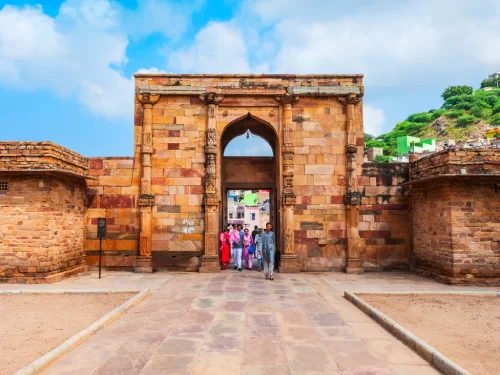
Taragarh Fort Ajmer grand yellow sandstone gateway with massive arched entrance flanked by bastions against Aravalli hill backdrop tourists walking pathway historic fortress in Rajasthan tour packages Fort

Taragarh Fort

A historic hill fort overlooking Ajmer, built in the 14th century.

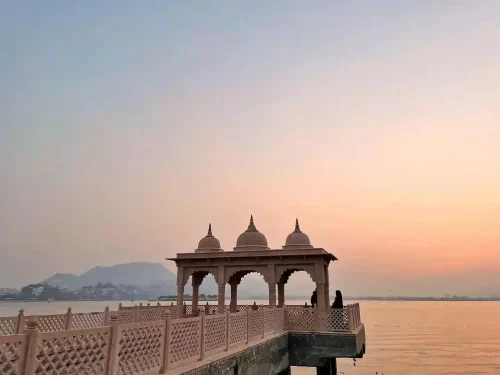
Ana Sagar Lake Sunset view of a marble chhatri pavilion and stone walkway at the historic artificial lake in Ajmer. Lake

Ana Sagar Lake

Ana Sagar Lake is an artificial lake constructed by Arnoraja, the grandfather of Prithviraj Chauhan, between 1135 and 1150 CE.
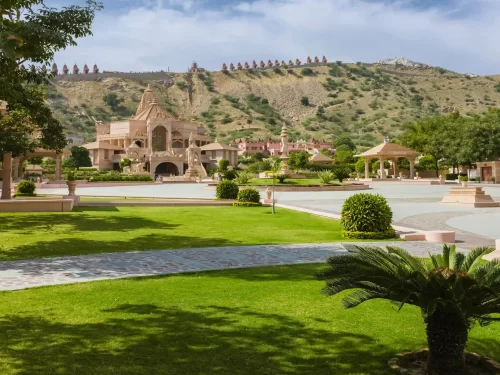
Nareli Gyanodaya Digambar Jain Temple Ajmer Striking modern architectural complex featuring twenty-four miniature temples on a hillside Rajasthan. Temple

Nareli Gyanodaya Digambar Jain Temple

Nareli Gyanodaya Digambar Jain Temple is a modern architectural complex and pilgrimage site located on the outskirts of Ajmer.

Frequently Asked Questions About Kishangarh Fort

Loved this place ? Let’s Plan Your Rajasthan Trip

Get customized Rajasthan tour planning designed around desert climate comfort, long-distance road travel flow, heritage exploration time, and realistic pacing between regions. Whether you are visiting for fort architecture, palace heritage, cultural exper

⚡ Quick Response | 💰 Free consultation | 🕒 24×7 expert support

×

Plan Your Trip