+91 9910402252
admin@chalbanjare.com


| Entry Fee | Lake View: Free; Daulat Bagh Garden: 10 to 20; Boating: 50 to 160 (varies by boat type) |
| Timings | 08:00 to 20:00 (Daily) |
| Altitude (m) | 480 m |
| Ideal Visit Duration | 1 to 2 hours |
| Best Time of Day | Sunset (17:30 to 19:00) for cooler weather and scenic views |
| Crowd Level | Moderate; high on weekends and winter evenings |
| Distance from City Centre (km) | 3 km from Ajmer city centre |
| Walking Difficulty | Easy (Paved pathways within the gardens and embankments) |
| Parking Available | Yes (Designated parking areas near the main entrance gates) |
| Last Mile Access | Auto-rickshaw, e-rickshaw, or private taxi via Ana Sagar Circular Road |
| Suitable for Kids | Yes (Boating activities and garden space available) |
| Suitable for Seniors | Yes (Plenty of benches and flat walking paths) |
| Wheelchair Friendly | Partial (The Daulat Bagh gardens and main embankments are largely accessible) |
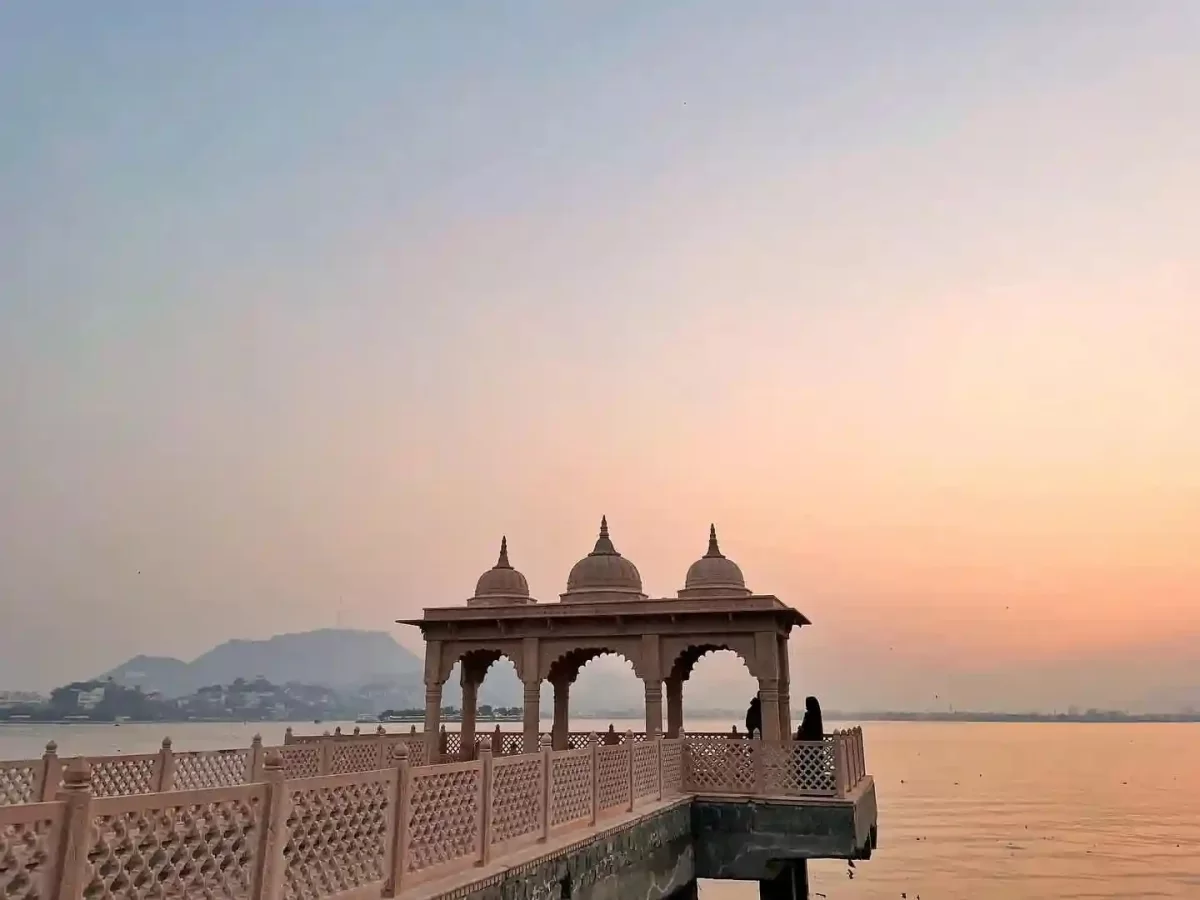
Visitors come to Ana Sagar Lake to experience one of Asia’s largest and oldest man-made reservoirs, which serves as a vital environmental and social hub for the city. Travelers specifically seek out the Baradari marble pavilions, five exquisite structures commissioned by Mughal Emperor Shah Jahan, which provide panoramic views over the water and a rare example of early 17th-century imperial leisure architecture integrated into a 12th-century landscape.
The on-ground atmosphere is defined by a refreshing lakeside breeze and a slower, more unhurried tempo compared to the dense commercial bazaars of Ajmer. During the late afternoon, the promenade at Daulat Bagh comes alive as the golden hour light reflects off the water, creating a serene environment where the sound of lapping waves and the sight of migratory birds offer a sensory reprieve from the city's desert heat and urban noise.
What makes this destination distinct is its unique blend of Chauhan-era engineering and Mughal aesthetic refinement, featuring an island in the lake’s center that is accessible via local boat and water scooter. Unlike the strictly spiritual sites of Ajmer, Ana Sagar offers a secular, recreational space where travelers can engage in sunset boating or stroll along the "Chowpatty" walkways, providing a specific perspective on how the city’s historical rulers manipulated the Aravalli topography to create a lasting oasis.
Ana Sagar Lake is a historic artificial lake commissioned by Arnoraja (also known as Ana), the grandfather of Prithviraj Chauhan, between 1135 and 1150 AD. Spanning approximately 13 kilometers, the lake was strategically engineered to provide water to the city of Ajmer. Its historical significance was further enhanced in the 17th century when the Mughal Emperor Jahangir added the lush Daulat Bagh gardens, followed by Emperor Shah Jahan’s construction of five polished marble pavilions, known as Baradaris, in 1637.
The lake serves as a primary cultural and recreational hub for the region, offering a preserved look at the intersection of Chauhan Rajput and Mughal aesthetics. The marble Baradaris provide a unique example of Mughal imperial architecture integrated into a natural landscape. Today, the site is a central destination for visitors to Ajmer, serving as a scenic vantage point that connects the city’s ancient foundation with its medieval architectural flourishing.
To experience the lake at its scenic peak, the period immediately following the monsoon is vital, as the water levels are replenished and the surrounding Daulat Bagh gardens are at their most vibrant. Because the primary activities—boating and walking the marble pavilions (Baradari)—are entirely outdoor and water-dependent, the experience fluctuates significantly between the lush post-rain months and the receding shoreline of the dry summer.
Ana Sagar Lake is a massive 12th-century artificial lake located in the heart of Ajmer. Known for its marble pavilions (Baradari) and scenic sunset views, it serves as a central landmark that is easily accessible from almost any part of the city.
 Fort
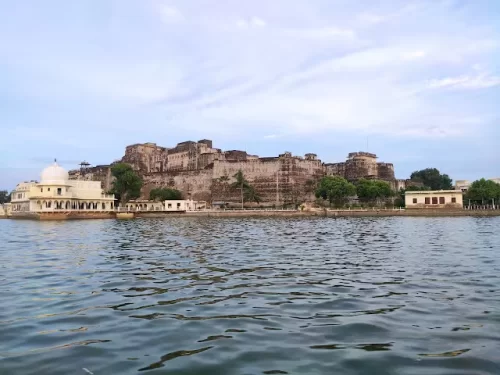
Fort
Kishangarh Fort is a historic fort located in Kishangarh town of Rajasthan, India.
 Temple
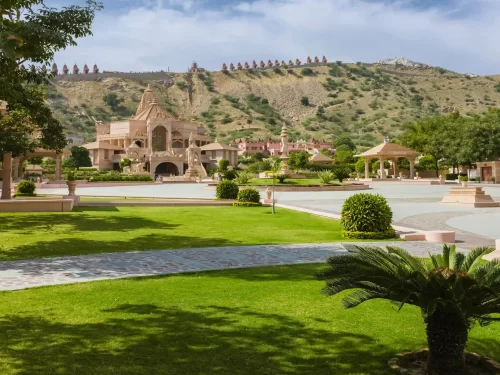
Nareli Gyanodaya Digambar Jain Temple is a modern architectural complex and pilgrimage site located on the outskirts of Ajmer.
Get customized Rajasthan tour planning designed around desert climate comfort, long-distance road travel flow, heritage exploration time, and realistic pacing between regions. Whether you are visiting for fort architecture, palace heritage, cultural exper
⚡ Quick Response | 💰 Free consultation | 🕒 24×7 expert support