Quick Facts About Badi Lake
Quick Facts About Badi Lake Udaipur
| Entry Fee | No entry fee to visit Badi Lake, free access for visitors |
|---|---|
| Timings | Accessible daily during daylight hours generally from 6 00 AM to 7 00 PM |
| Altitude (m) | Located at approximately 580 meters above sea level in the Aravalli hills near Udaipur |
| Ideal Visit Duration | One to two hours for lakeside walk photography and enjoying natural views |
| Best Time of Day | Early morning or late afternoon for pleasant weather and scenic light |
| Crowd Level | Low to moderate crowds, higher on weekends and during sunrise or sunset hours |
| Distance from City Centre (km) | About 12 kilometers from central Udaipur city |
| Walking Difficulty | Low to moderate walking difficulty with uneven natural paths around the lake |
| Parking Available | Yes parking available near the lake approach road |
| Last Mile Access | Taxi auto rickshaw or private vehicle available up to lake access road followed by short walk |
| Suitable for Kids | Yes suitable for children with supervision near water edges |
| Suitable for Seniors | Moderate for seniors due to uneven ground and limited seating |
| Wheelchair Friendly | No not wheelchair friendly due to natural terrain and lack of paved paths |
Why Visit Badi Lake, Udaipur
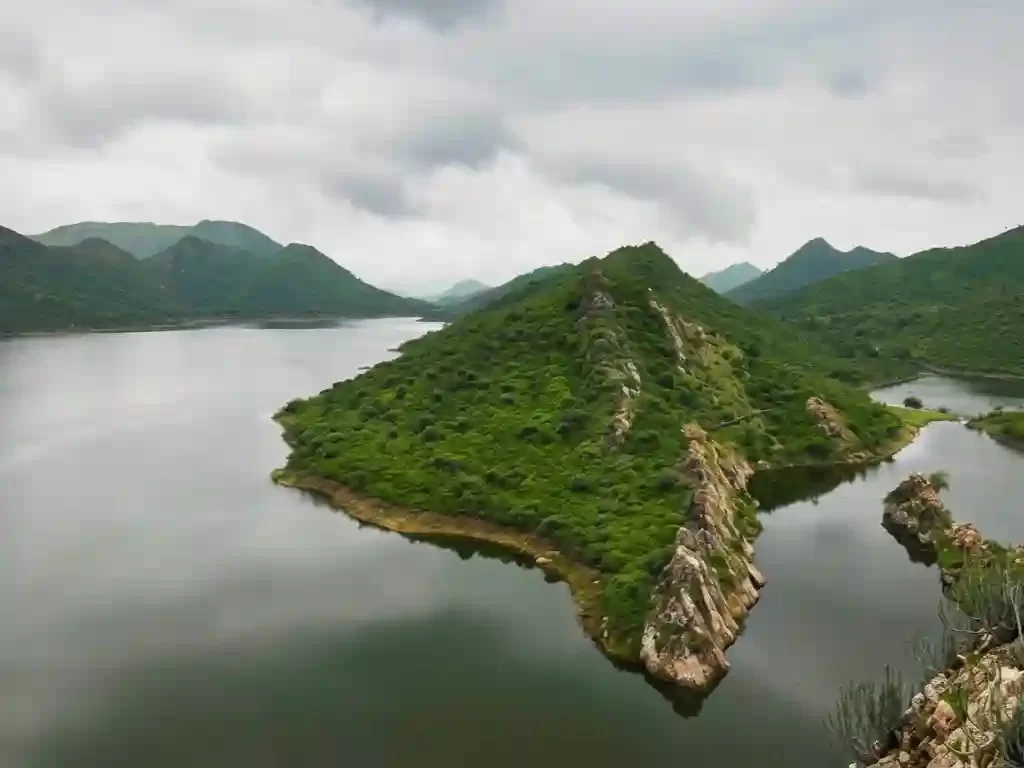
Atmosphere at Badi Lake is calm, open, and refreshingly natural, offering visitors a peaceful escape surrounded by hills, clear waters, and wide skies. Away from the city crowds, the lake’s quiet surroundings, gentle breeze, and scenic views create a deeply relaxing environment ideal for unwinding and reconnecting with nature.
What makes Badi Lake special is its pristine setting and panoramic viewpoints that showcase Udaipur’s natural beauty beyond palaces and monuments. Built by Maharana Raj Singh, the lake is framed by rocky hills and walking trails that lead to elevated viewpoints, making it a favorite spot for sunset views and photography. Visitors can enjoy leisurely walks, light trekking, and moments of reflection while soaking in the tranquil landscape that changes beautifully with the seasons.
Beyond its scenic appeal, Badi Lake holds ecological and recreational significance, serving as a water reservoir and a peaceful retreat for locals and travelers alike. It attracts nature lovers, photographers, couples, and those seeking quiet exploration. The holistic experience leaves visitors with lasting impressions of serenity, open landscapes, and Udaipur’s understated natural charm.
History of Badi Lake, Udaipur
Badi Lake, also known as Jiyan Sagar, is a historic artificial lake located near Udaipur, Rajasthan. It was constructed in the late 17th century by Maharana Raj Singh I of Mewar to address water scarcity caused by prolonged droughts. The lake reflects the advanced water management systems developed by the rulers of Mewar to support the region’s ecology and population.
Surrounded by the Aravalli hills, Badi Lake was designed not only as a reservoir but also as a scenic retreat away from the city. Its stone embankments and natural catchment area demonstrate the strategic planning and engineering skills of the period, ensuring sustainable water conservation in the arid landscape.
Today, Badi Lake remains a peaceful and picturesque destination, popular among locals and visitors for nature walks, photography, and sunset views. It stands as a lasting symbol of Udaipur’s historical emphasis on environmental balance and water preservation.
Best Time to Visit Badi Lake Udaipur
Visiting Badi Lake in Udaipur is most enjoyable when the weather is pleasant, allowing visitors to relax by the lakeside, enjoy scenic views, and explore the surrounding Aravalli hills without discomfort from heat.
The months from October to March are ideal for visiting, as Udaipur experiences cool and comfortable winter weather. This period is perfect for sightseeing, photography, and peaceful walks around the lake with clear skies and refreshing breezes.
Spring months from March to early April offer bright and sunny days. Early morning or late afternoon visits are recommended to avoid warmer hours while enjoying reflections on the water and panoramic hill views.
Summer season from May to September brings higher temperatures, and monsoon months add greenery and occasional rainfall. While the lake looks scenic during monsoon, heat and slippery paths may affect comfort during peak summer days.
- October to March for pleasant weather and lakeside relaxation
- March to early April for sunny days; early mornings or late afternoons recommended
- May to September for lush monsoon scenery, though heat and rain may affect comfort
- Early mornings provide calm surroundings and excellent light for photography
- Weekdays are generally quieter than weekends for a peaceful visit
How to Reach Badi Lake, Udaipur
- By Air: The nearest airport is Maharana Pratap Airport, Udaipur, approximately 30 km from Badi Lake. Visitors can hire taxis or app-based cabs for a comfortable and direct transfer to the lake area.
- By Train: Udaipur City Railway Station is well connected with major cities such as Delhi, Mumbai, and Jaipur. From the station, taxis and auto-rickshaws provide easy access to Badi Lake.
- By Road: Udaipur is connected via NH76 and state highways. Regular buses, private taxis, and self-drive vehicles make it convenient to reach Badi Lake from the city and nearby towns.
- Local Transport: Within Udaipur, taxis, auto-rickshaws, and rideshare services offer smooth last-mile connectivity. Visitors may need to walk a short distance from the parking area to reach the lake viewpoint.
What to Expect When You Visit Badi Lake Udaipur
- Immersive surroundings that reflect the true natural, cultural, or spiritual character of the destination, offering a peaceful and enriching travel experience.
- Well-maintained visitor pathways and accessible viewing points designed to provide comfortable exploration while preserving the authenticity of the location.
- Opportunities to engage with local traditions, regional architecture, or natural landscapes, allowing travelers to gain deeper cultural understanding.
- Scenic photo spots and panoramic viewpoints that highlight the area’s unique beauty throughout different times of the day.
- Informational boards, guides, or locally available assistance that help visitors learn the historical or environmental importance of the site.
- Seasonal changes in atmosphere, crowd levels, and visual appeal, ensuring a different yet memorable experience depending on the time of visit.
- Nearby amenities such as refreshment stalls, rest areas, or small markets offering local flavors and handicrafts.
- A calm and respectful environment that allows visitors to fully absorb the significance and charm of the destination.
Important Visitor Information and Safety of Badi Lake Udaipur
- Crowd & Peak Hours: Expect higher visitor numbers during late afternoons, weekends, and public holidays. Early morning visits are quieter and ideal for peaceful walks and photography.
- Weather Notes: Summers can be warm, monsoons may make surrounding paths slippery, and winters are mild and pleasant for outdoor visits.
- Dress Code: Wear comfortable walking shoes and casual clothing suitable for uneven terrain. Light layers are recommended for mornings and evenings.
- Safety Tips: Stay away from steep edges near the lake, supervise children closely, keep personal belongings secure, and follow local guidelines for a safe visit.
Photography and Viewpoints at Badi Lake, Udaipur
- The tranquil lake surrounded by Aravalli hills offers serene landscape compositions ideal for nature and wide-angle photography.
- Clear water reflections during calm mornings create mirror-like effects, enhancing scenic and symmetrical shots.
- Sunrise and sunset lighting casts warm hues over the lake and hills, producing dramatic and atmospheric photographs.
- Rocky outcrops and natural trails around the lake provide elevated viewpoints and strong foreground elements.
- Minimal commercial development allows photographers to capture raw, untouched landscapes with natural color tones.
- Birdlife and seasonal greenery add movement and depth to photographs, making the location ideal for nature enthusiasts.