Ahar Museum Udaipur – Mewar Royal Cenotaphs and Heritage

Ahar Museum , Udaipur
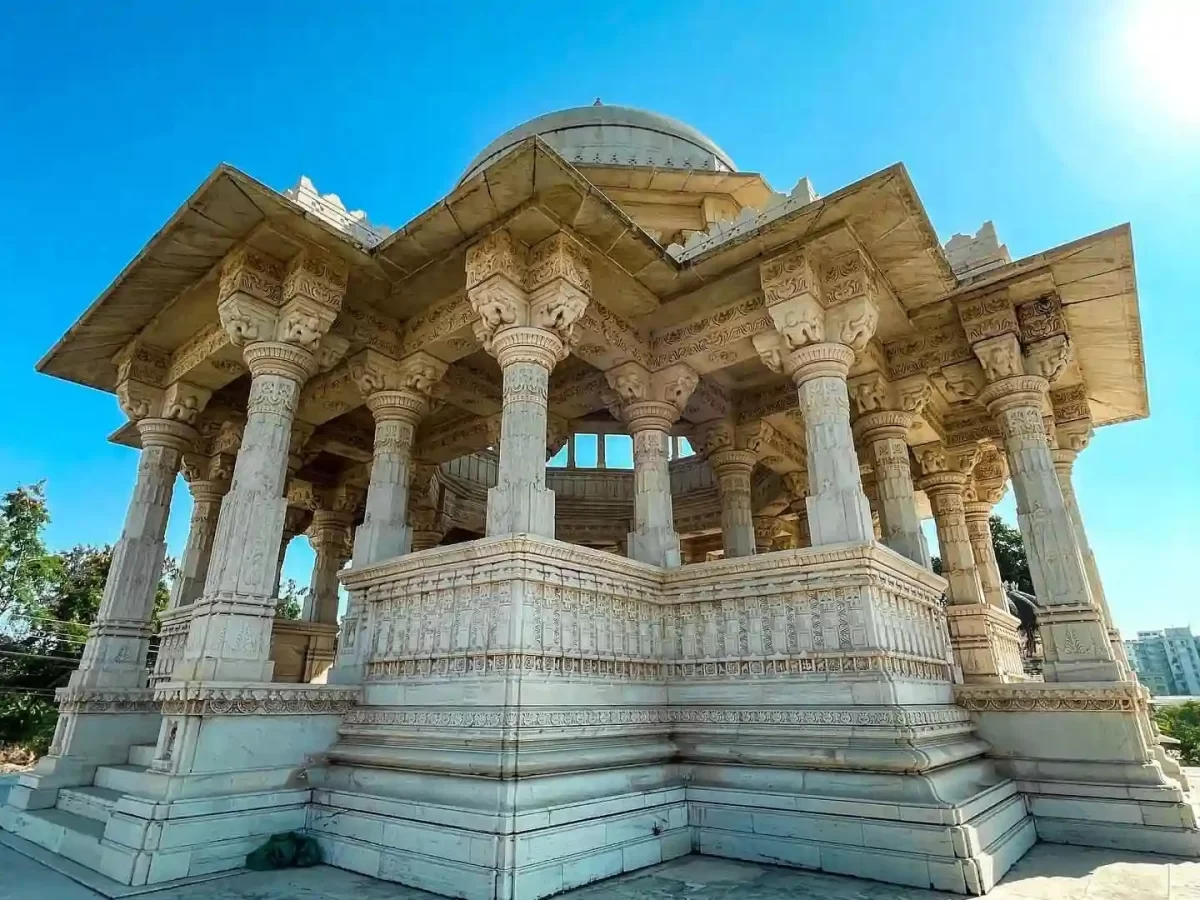
Located in the Ahar complex, the Ahar Museum displays artifacts, sculptures, and historical information related to the Mewar rulers. The site is famous for its cluster of royal cenotaphs built in white marble, making it an important heritage and archaeological attraction. It is ideal for history enthusiasts interested in Udaipur’s royal legacy and architectural heritage.

Quick Facts About Ahar Museum

Quick Facts About Ahar Museum Udaipur

Entry Fee About 3 rupees per Indian visitor and about 10 rupees per foreign visitor
Timings Open daily from 10 00 AM to 4 30 PM, closed on Friday and national holidays
Altitude (m) Located in Udaipur area at approximately 598 meters above sea level
Ideal Visit Duration About one to two hours to explore the archaeological exhibits and cenotaphs
Best Time of Day Late morning or early afternoon when museum lighting and exhibits viewing are best
Crowd Level Low to moderate crowds with more visitors on weekends and holidays
Distance from City Centre (km) About three kilometers from central Udaipur city area
Walking Difficulty Low walking difficulty inside museum premises on level floors
Parking Available Yes parking available near Ahar Museum and cenotaph area
Last Mile Access Auto rickshaw taxi and local transport available to the museum entrance
Suitable for Kids Yes suitable for children with interest in history and cultural heritage
Suitable for Seniors Yes generally suitable for seniors with level walking inside the museum
Wheelchair Friendly Partially wheelchair accessible on museum floors but confirm at site

Why Visit Ahar Museum, Udaipur

Atmosphere at Ahar Museum is calm, reflective, and historically rich, offering visitors a quiet space to explore Udaipur’s royal past. Located near the ancient cenotaphs of the Mewar rulers, the museum’s serene surroundings create an environment that encourages thoughtful exploration and appreciation of history.

What makes Ahar Museum special is its valuable collection of archaeological artifacts, sculptures, inscriptions, and metal objects that date back several centuries. The museum provides insight into the culture, craftsmanship, and architectural heritage of the Mewar region. Visitors can learn about the traditions of the royal dynasty while exploring exhibits that reflect both artistic excellence and historical significance.

Beyond its exhibits, Ahar Museum holds cultural and educational importance as a custodian of Udaipur’s heritage. It appeals to history enthusiasts, students, researchers, and travelers seeking a deeper understanding of the region’s past. The visit leaves visitors with a lasting appreciation of Mewar’s legacy, craftsmanship, and historical depth.

History of Ahar Museum, Udaipur

Ahar Museum, located in the historic village of Ahar near Udaipur, Rajasthan, is closely associated with the Ahar Cenotaphs, the royal cremation ground of the Mewar dynasty. The museum was established to preserve and showcase archaeological findings and artifacts discovered in and around Ahar, an area that served as the ancient capital of the Mewar kingdom before Udaipur was founded.

Historically, Ahar holds immense significance as it was the site where several rulers of the Sisodia dynasty were cremated, making it a sacred and ceremonial location. The museum displays sculptures, inscriptions, metal objects, and relics that reflect the political, religious, and artistic traditions of the region from ancient to medieval times.

Today, Ahar Museum functions as an important heritage institution, offering visitors deeper insight into the early history of Mewar and the evolution of royal customs, funerary architecture, and regional culture in Udaipur.

Best Time to Visit Ahar Museum Udaipur

Visiting Ahar Museum in Udaipur is most enjoyable when the weather is comfortable, allowing visitors to explore the museum galleries and the surrounding archaeological site at a relaxed pace.

The months from October to March are ideal for visiting, as Udaipur experiences cool and pleasant weather during this period. This season is perfect for exploring the museum, appreciating the historical artifacts, and walking around the cenotaph complex without heat-related discomfort.

Summer months from April to June can be warm during the day. Early morning visits are recommended to avoid heat while exploring both the indoor museum and the outdoor memorial structures comfortably.

Monsoon season from July to September brings occasional rainfall, refreshing the surroundings and adding greenery to the area. While humidity increases, fewer tourists during this time provide a quieter and more peaceful museum visit.

  • October to March for pleasant weather and comfortable museum exploration
  • November to February for the best overall sightseeing conditions
  • April to June suitable for early morning visits due to heat
  • July to September for fewer crowds and refreshed surroundings, though rain may affect outdoor exploration
  • Weekdays offer a quieter and more focused museum experience

How to Reach Ahar Museum, Udaipur

  • By Air: The nearest airport is Maharana Pratap Airport, Udaipur, located approximately 22 km from Ahar Museum. From the airport, visitors can hire taxis or app-based cabs for a direct and comfortable transfer.
  • By Train: Udaipur City Railway Station is well connected to major cities such as Delhi, Jaipur, Mumbai, and Ahmedabad. From the station, taxis, auto-rickshaws, and app-based cabs are easily available to reach the museum.
  • By Road: Udaipur is connected via NH27 and state highways to major cities in Rajasthan and Gujarat. Regular buses, private taxis, and self-drive vehicles provide easy road access. The museum is located in the Ahar area and is well signposted.
  • Local Transport: Within Udaipur, auto-rickshaws, taxis, and app-based ride services provide convenient access to Ahar Museum. The museum is situated close to residential areas, ensuring smooth last-mile connectivity.

What to Expect When You Visit Ahar Museum Udaipur

  • Immersive surroundings that reflect the true natural, cultural, or spiritual character of the destination, offering a peaceful and enriching travel experience.
  • Well-maintained visitor pathways and accessible viewing points designed to provide comfortable exploration while preserving the authenticity of the location.
  • Opportunities to engage with local traditions, regional architecture, or natural landscapes, allowing travelers to gain deeper cultural understanding.
  • Scenic photo spots and panoramic viewpoints that highlight the area’s unique beauty throughout different times of the day.
  • Informational boards, guides, or locally available assistance that help visitors learn the historical or environmental importance of the site.
  • Seasonal changes in atmosphere, crowd levels, and visual appeal, ensuring a different yet memorable experience depending on the time of visit.
  • Nearby amenities such as refreshment stalls, rest areas, or small markets offering local flavors and handicrafts.
  • A calm and respectful environment that allows visitors to fully absorb the significance and charm of the destination.

Important Visitor Information and Safety of Ahar Museum Udaipur

  • Crowd & Peak Hours: Visitor numbers are higher during late mornings, weekends, and holidays. Early hours are quieter and suitable for a relaxed museum visit.
  • Weather Notes: Summers can be hot, while winters are pleasant. Indoor galleries provide relief from heat, though outdoor areas may feel warm during summer afternoons.
  • Dress Code: Wear comfortable clothing and walking shoes suitable for museum exploration. Light layers are recommended during cooler months.
  • Safety Tips: Do not touch exhibits unless permitted, follow museum guidelines and signage, watch your step in gallery areas, and keep personal belongings secure.

Photography and Viewpoints at Ahar Museum, Udaipur

  • The museum’s heritage architecture and historical structures provide strong subjects for architectural and documentary photography.
  • Close-up shots of ancient artifacts, sculptures, and inscriptions capture fine details and craftsmanship.
  • Natural light filtering into the galleries enhances textures and depth, making exhibits visually engaging.
  • The surrounding cenotaph complex offers dramatic outdoor compositions with symmetry, arches, and stone details.
  • Wide-angle photography allows capturing the museum building along with the historic Ahar Cenotaphs in a single frame.
  • The quiet, uncrowded atmosphere supports focused photography centered on history and cultural storytelling.

Near By Attraction

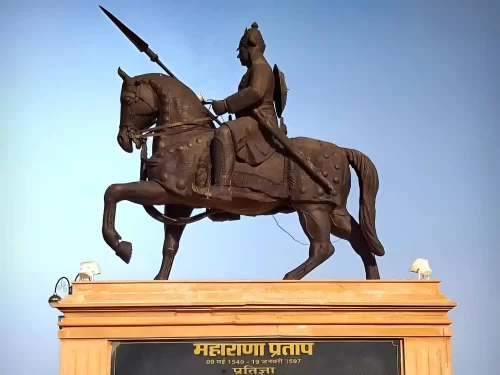
Maharana Pratap Smarak Udaipur Bronze statue on Pearl Hill honoring the legendary Rajput king and his horse Chetak Rajasthan. Mountain

Maharana Pratap Smarak

Maharana Pratap Smarak is a historical memorial and park situated atop Moti Magri hill, dedicated to the 16th-century Rajput ruler Maharana Pratap.

Aerial view of City Palace in Udaipur Rajasthan with lakeside palaces, courtyards, Jag Mandir island and surrounding Aravalli hills under misty sky, perfect Rajasthan tour package. Palace

City Palace

City Palace in Udaipur is a magnificent royal complex showcasing the grandeur of the Mewar dynasty.

Jagdish Temple grand three-story Indo-Aryan style stone structure featuring ornate pillars and a black marble statue of Lord Vishnu in the heart of Udaipur Rajasthan. Temple

Jagdish Temple

Jagdish Temple is a prominent Hindu temple in Udaipur dedicated to Lord Vishnu.

Frequently Asked Questions About Ahar Museum

Ahar Museum is located near the Ahar Cenotaphs area in Udaipur and is easily accessible by road.
Ahar Museum is generally open from morning to evening, and visitors should confirm updated timings before planning their visit.
The entry fee for Ahar Museum is nominal, with separate charges applicable for camera use if permitted.
The best time to visit Ahar Museum is between October and March when the weather is pleasant for sightseeing.
Travelers can reach Ahar Museum by taxi, auto rickshaw, or private vehicle from nearby hotels and transport hubs.
Most visitors spend around 45 minutes to 1 hour exploring Ahar Museum and its exhibits.
Photography policies at Ahar Museum may vary, and visitors should follow guidelines displayed at the entrance.
Visitors can see archaeological artifacts, sculptures, pottery, and historical items at Ahar Museum.
Ahar Museum is suitable for family visits, offering educational exhibits in a compact indoor setting.
Ahar Museum can easily be included in a one day sightseeing itinerary along with nearby cenotaphs and other heritage attractions.

Loved this place ? Let’s Plan Your Rajasthan Trip

Get customized Rajasthan tour planning designed around desert climate comfort, long-distance road travel flow, heritage exploration time, and realistic pacing between regions. Whether you are visiting for fort architecture, palace heritage, cultural exper

⚡ Quick Response | 💰 Free consultation | 🕒 24×7 expert support

×

Plan Your Trip