+91 9910402252
admin@chalbanjare.com


| Entry Fee | 25 |
| Timings | 08:00 - 17:00 |
| Altitude (m) | 33 |
| Ideal Visit Duration (hrs) | 2 |
| Best Time of Day | Morning |
| Crowd Level | Moderate |
| Distance from City Centre (km) | 7 |
| Walking Difficulty | Moderate |
| Parking Available | Yes |
| Last Mile Access | Road |
| Suitable for Kids | Yes |
| Suitable for Seniors | Moderate |
| Wheelchair Friendly | No |
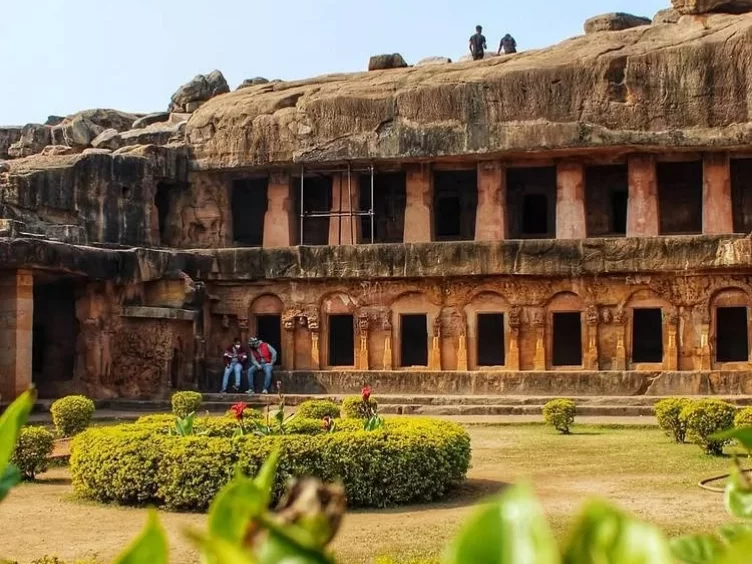
Travelers visit these ancient rock-cut shelters to explore one of the most significant archaeological complexes of the Jain tradition, dating back to the 2nd century BCE under King Kharavela. The site attracts those interested in early Indian epigraphy and architecture, as it houses the famous Hathigumpha inscription and 18 distinct caves carved directly into the sandstone hills.
The atmosphere on the ground is rugged and contemplative, characterized by the weathered textures of ancient stone and the elevated view overlooking the Bhubaneswar skyline. Navigating the steep steps and narrow monastic cells, visitors experience a quiet, sun-drenched environment where the sound of the wind through the hillside brush underscores the isolation once sought by the resident ascetics.
Udayagiri is distinct for its sophisticated sculptural friezes that depict secular life, royal processions, and courtly scenes, providing a rare glimpse into ancient social history beyond purely religious motifs. Unlike nearby Khandagiri, Udayagiri’s layout is more elaborate, featuring multi-story excavations and the unique Ranigumpha (Queen’s Cave), which showcases some of the finest examples of early Indian rock-cut artistry.
The Udayagiri Caves, dating primarily to the 2nd century BCE during the reign of King Kharavela of the Mahameghavahana dynasty, represent some of the earliest examples of Jain rock-cut architecture in India. Carved into sandstone hills, these caves were designed as residential blocks and meditative retreats for Jain monks, reflecting the region's ancient religious patronage.
The site is home to the Hathigumpha inscription, a seventeen-line record in Brahmi script that provides a chronological account of King Kharavela’s military conquests and public works. This historical record is a primary source for understanding the geopolitical landscape of ancient Kalinga.
Architectural features of the complex include the Rani Gumpha (Queen's Cave), a double-story monastery adorned with intricate friezes depicting historical processions, daily life, and Jain religious symbols. The caves exhibit sophisticated ancient engineering, featuring drainage systems and functional rock-cut beds that demonstrate the ascetic lifestyle of the resident monks.
Exploring the rock-cut architecture of Udayagiri is best undertaken during the post-monsoon and winter window to avoid the extreme heat that reflects off the exposed sandstone hills. Given the extensive walking and step-climbing required to view all 18 caves, moderate temperatures are essential for a thorough visit without physical exhaustion.
 Temple
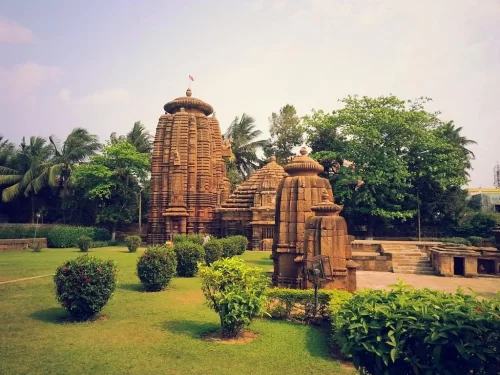
Parsurameswar Temple is one of the oldest surviving Hindu temples in Bhubaneswar, Odisha, dedicated to Lord Shiva and dating to the 7th century CE.
 Temple
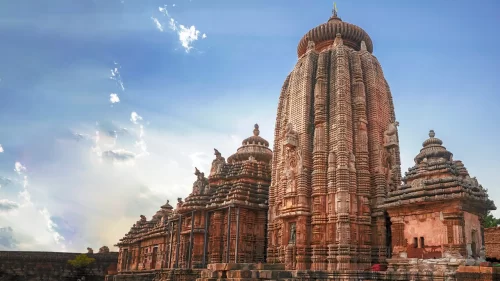
Ananta Vasudeva Temple is a 13th-century Hindu temple dedicated to Lord Krishna, Balarama, and Subhadra, located in the historic temple district of Bhubaneswar, Odisha.
 Temple
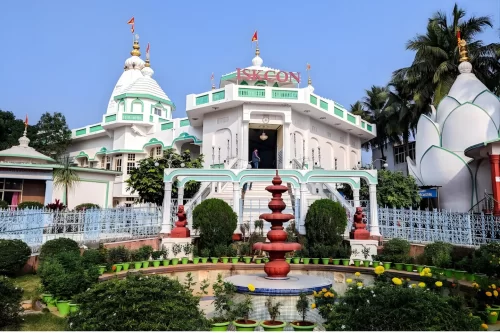
ISKCON Temple is a prominent Hindu temple dedicated to Lord Krishna and Radha, located in Bhubaneswar, Odisha, and operated by the International Society for Krishna Consciousness (ISKCON).
Get customized Odisha tour planning designed around temple visit timing, coastal weather patterns, wildlife seasonality, and realistic travel pacing across regions. Whether you are visiting for spiritual journeys, heritage architecture, beach relaxation,
⚡ Quick Response | 💰 Free consultation | 🕒 24×7 expert support

