+91 9910402252
admin@chalbanjare.com


| Entry Fee | Free |
| Timings | 06:00 - 18:00 |
| Altitude (m) | 45 |
| Ideal Visit Duration (hrs) | 1 |
| Best Time of Day | Morning / Evening |
| Crowd Level | Low / Moderate |
| Distance from City Centre (km) | 20 |
| Walking Difficulty | Easy |
| Parking Available | Yes |
| Last Mile Access | Road |
| Suitable for Kids | Yes |
| Suitable for Seniors | Yes |
| Wheelchair Friendly | No |
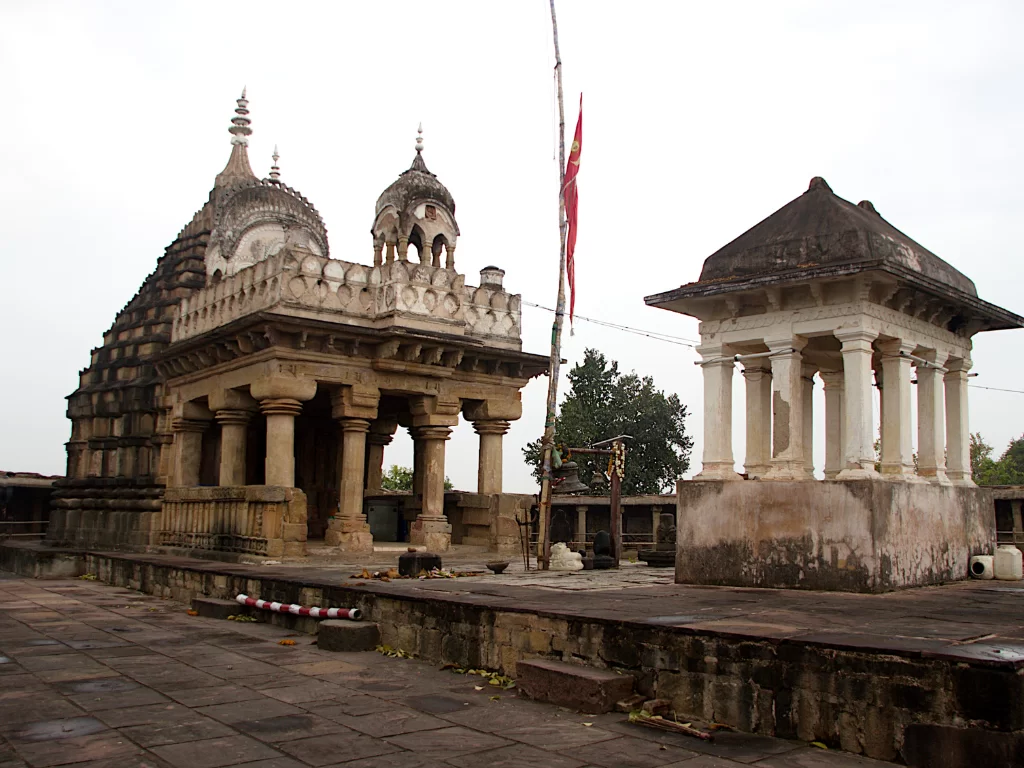
Visitors come to Chausathi Yogini Temple to see one of India’s rare surviving Yogini temples, known for its circular open-air design and sculpted deity niches. It is a popular heritage stop for travelers exploring temple architecture around Bhubaneswar.
The on-ground atmosphere is quiet and rural, with a small temple compound surrounded by village landscape. The site is usually calm on weekdays, and visitors typically walk around the circular wall to view the Yogini sculptures up close.
What makes this temple distinct is its circular structure without a roof, which creates a unique viewing experience compared to Odisha’s more common towering temples. For travelers, the visit feels like an archaeological and sculpture-focused stop rather than a crowded active pilgrimage site.
Chausathi Yogini Temple at Hirapur is dated to around the 9th century and is linked to the Bhauma-Kara period of Odisha. It is one of the few surviving Yogini temples in India, built as a circular stone shrine with niches dedicated to the 64 Yoginis.
The temple is associated with Yogini worship traditions connected to tantric practices, which were historically part of early medieval religious life in the region. The central shrine is traditionally linked with Shiva worship, while the surrounding figures represent different Yogini forms.
Today, the temple is protected as a heritage site and is mainly visited for its archaeological importance and rare architectural form. Visitors experience its historical character through the open circular layout, carved stone figures, and the preserved rural setting around the monument.
Chausathi Yogini Temple is best visited during the cooler months because the structure is open to the sky and has minimal shaded space inside the circular enclosure. Summer visits can feel uncomfortable due to direct heat, while monsoon months may affect walking conditions around the temple floor and approach paths.
 Temple
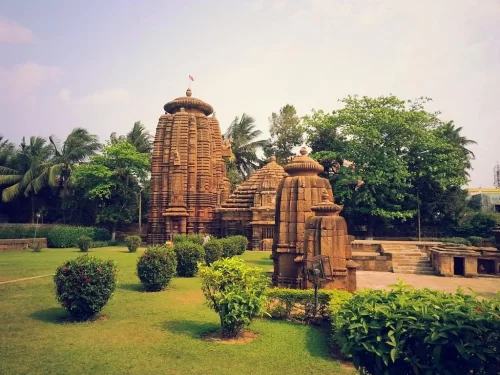
Parsurameswar Temple is one of the oldest surviving Hindu temples in Bhubaneswar, Odisha, dedicated to Lord Shiva and dating to the 7th century CE.
 Temple
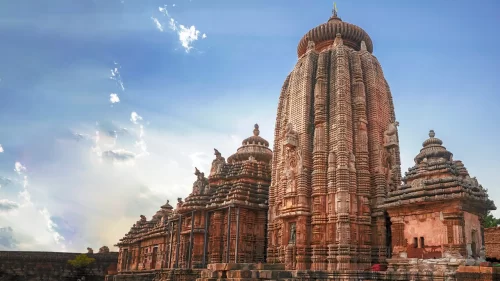
Ananta Vasudeva Temple is a 13th-century Hindu temple dedicated to Lord Krishna, Balarama, and Subhadra, located in the historic temple district of Bhubaneswar, Odisha.
 Temple
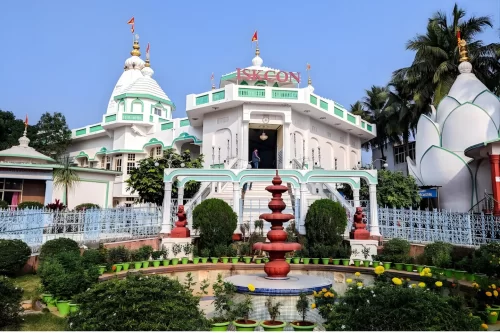
ISKCON Temple is a prominent Hindu temple dedicated to Lord Krishna and Radha, located in Bhubaneswar, Odisha, and operated by the International Society for Krishna Consciousness (ISKCON).
Get customized Odisha tour planning designed around temple visit timing, coastal weather patterns, wildlife seasonality, and realistic travel pacing across regions. Whether you are visiting for spiritual journeys, heritage architecture, beach relaxation,
⚡ Quick Response | 💰 Free consultation | 🕒 24×7 expert support

