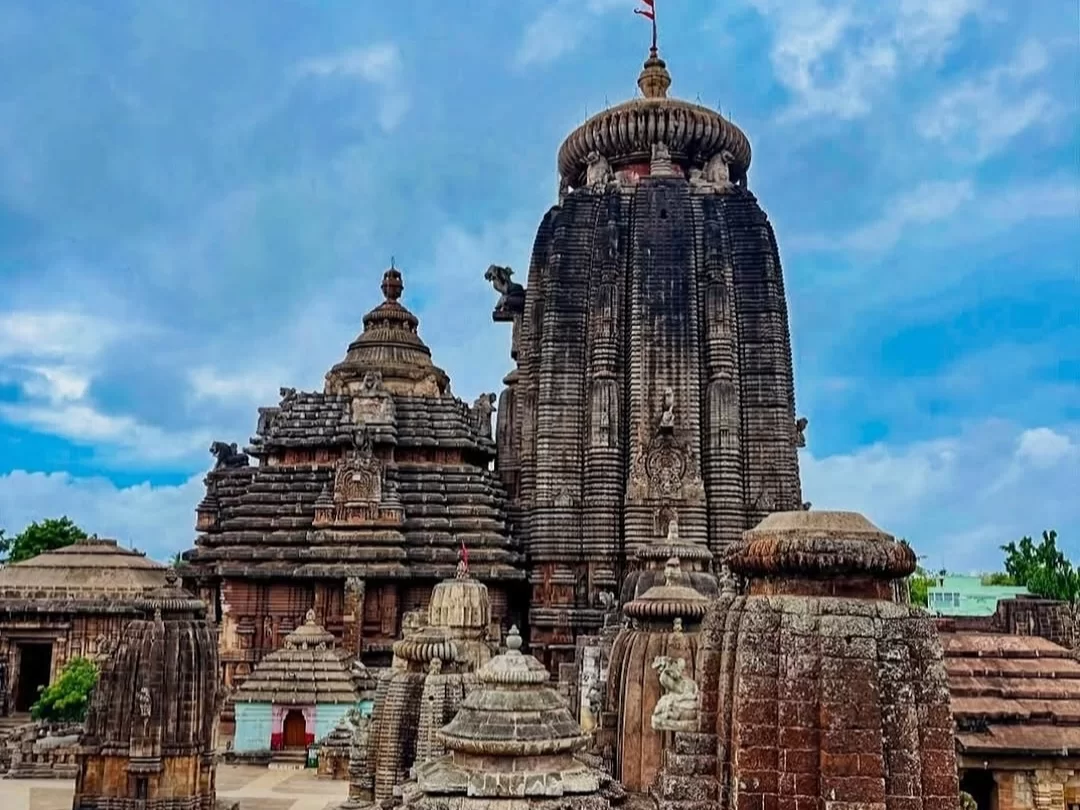
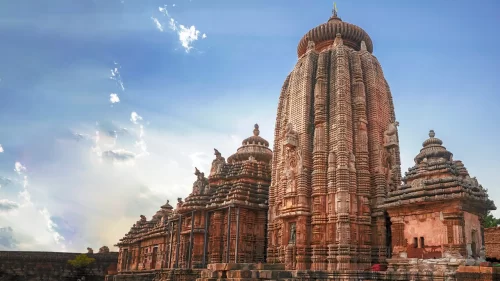
Lingaraj Temple, Bhubaneswar, Odisha, India

Lingaraj Temple , Bhubaneswar
Tourists visit Lingaraj Temple to experience one of Odisha’s most important living temples and to see a classic example of ancient temple design in Bhubaneswar. The complex is known for its large main spire, surrounding shrines, and active daily rituals that reflect the city’s religious life.

Quick Facts About Lingaraj Temple

Quick Facts About Lingaraj Temple, Bhubaneswar

Entry Fee No entry fee (free entry for visitors; access to the inner sanctum is restricted to Hindus only)
Timings Approx. 5:00 AM to 9:00 PM (daily; timings may vary during major rituals and festivals)
Altitude (m) Approx. 45 m above sea level
Ideal Visit Duration 45 minutes to 2 hours (depending on darshan crowd and time spent around the outer complex)
Best Time of Day Early morning (5:30 AM – 8:30 AM) for quieter darshan and rituals, or evening (6:00 PM – 8:00 PM) for temple atmosphere
Crowd Level High most days; very high on Mondays, Shivratri, and major temple festivals
Distance from City Centre (km) Approx. 4–5 km from Bhubaneswar Railway Station area
Walking Difficulty Easy to moderate (flat walking in outer complex; crowd movement can be slow during peak hours)
Parking Available Limited paid parking available near the temple approach roads (can get congested on busy days)
Last Mile Access Auto-rickshaws, taxis, and local buses easily available; short walking required from main road due to crowd-controlled entry lanes
Suitable for Kids Yes, but crowded darshan areas may be uncomfortable during peak hours
Suitable for Seniors Yes, but long standing time in queues may be required during busy periods
Wheelchair Friendly Partially (outer areas are accessible, but inner entry routes have steps and narrow passages; crowd density can limit wheelchair movement)

History of Lingaraj Temple, Bhubaneswar

Lingaraj Temple is one of the oldest and most important temples in Bhubaneswar, largely built during the 11th century under the Somavamsi dynasty, with later additions by Ganga rulers. The temple is a key example of mature Kalinga-style architecture, with a tall main tower and a large complex of associated shrines.

The temple is dedicated to Lord Shiva worshipped as “Lingaraj,” and it has remained an active place of worship for centuries. Unlike many protected monuments, it functions as a living temple with daily rituals, priestly traditions, and a strong role in the religious identity of the old city area.

Lingaraj Temple is also closely linked with local Shaiva and Vaishnava traditions, and its festivals attract large pilgrim gatherings throughout the year. For visitors, its historical value is experienced through the scale of the stone construction, the sacred water tank nearby, and the continuous ritual activity inside the temple precinct.

Best Time to Visit Lingaraj Temple, Bhubaneswar

Lingaraj Temple can be visited throughout the year, but the most comfortable time is during the cooler season when walking around the temple complex and standing in darshan queues is easier. Summer afternoons in Bhubaneswar can be physically tiring due to heat, while monsoon visits may be affected by humidity and occasional heavy rainfall.
  • Ideal months: October to March
  • Best season experience: Cooler mornings and evenings, better comfort for temple darshan and exploring the outer complex
  • Festival period note: Shivratri and major temple festivals bring very heavy crowds and longer waiting times
  • Periods to avoid: May to mid-June due to high daytime heat and crowd discomfort during long queue hours
  • Monsoon note: July to September is visitable, but rain and slippery surfaces near the temple approach areas can affect movement

How to Reach Lingaraj Temple, Bhubaneswar

  • Nearest Airport: Biju Patnaik International Airport (BBI), Bhubaneswar (approx. 5–7 km). Prepaid taxis and app-based cabs are commonly available for direct drop near the temple approach road.
  • Nearest Railway Station: Bhubaneswar Railway Station (approx. 4–6 km). Auto-rickshaws and taxis are easily available outside the station, and travel time depends on city traffic.
  • By Road: Lingaraj Temple is located in Old Bhubaneswar and is connected by city roads from major areas like Kalpana Square and Janpath. Private vehicles, taxis, and local transport can reach the main entry zone.
  • Local Transport: Auto-rickshaws are the most practical option for last-mile travel. City buses operate nearby, but walking may be required from the nearest stop depending on route.
  • Last-mile Note: The lanes around the temple can be congested, especially during peak darshan hours and festivals, so vehicles may need to park slightly away from the main gate area.

What to Expect When You Visit Lingaraj Temple, Bhubaneswar

  • You will experience an active Hindu temple with continuous rituals, priest activity, and a steady flow of devotees throughout the day.
  • Non-Hindus are generally not allowed inside the main temple premises, but they can view the temple tower from designated outer viewing points near the entrance area.
  • Expect crowd-managed entry routes, especially on Mondays, festival days, and during early morning darshan hours.
  • The surroundings include narrow lanes with flower sellers, prasad stalls, and small shops selling religious items near the temple approach.
  • Footwear must be removed before entering the main temple area, and the ground can be warm in summer due to stone flooring.
  • Facilities inside are basic; drinking water and clean restrooms may not always be easily accessible within the immediate entry zone.
  • Movement inside can be slow due to queue lines and limited space near the sanctum area, especially during peak darshan periods.
  • Photography is generally restricted inside the temple premises, and visitors are expected to follow staff instructions and signage.

Important Visitor Information for Lingaraj Temple, Bhubaneswar

  • Crowd & Weather Notes: The temple remains busy most days, and crowd pressure increases significantly during Mondays and major festivals. Summer heat can make queue waiting uncomfortable due to limited shade in approach areas.
  • Peak Hours: 6:00 AM to 10:00 AM and 6:00 PM to 8:30 PM, when most devotees arrive for morning and evening rituals.
  • Quiet Hours: Late morning and early afternoon on weekdays generally have relatively lighter crowds, except during religious occasions.
  • Dress Code: Modest traditional clothing is expected. Shorts and sleeveless clothing may attract restrictions or discomfort due to temple norms.
  • Entry Restriction: Non-Hindus are usually not permitted inside the main temple premises; confirm current entry rules at the gate before planning.
  • Footwear & Belongings: Footwear must be removed before entry, and visitors may need to use paid shoe stands outside during busy hours.
  • Safety Notes: The lanes near the temple are crowded and narrow, so keep wallets and phones secure, especially during peak darshan times.
  • Queue Conditions: Expect long standing time during festivals and Mondays; elderly visitors may find the crowd movement difficult in peak periods.

Photography and Viewpoints at Lingaraj Temple, Bhubaneswar

  • The best view of the temple’s main tower (shikhara) is from the outer approach area and nearby open points outside the main entry, where the full height is visible above surrounding structures.
  • Photography is generally not allowed inside the main temple premises, and visitors are expected to follow security instructions and local religious rules.
  • For architectural shots, early morning light (around 6:00 AM to 8:30 AM) provides clearer visibility with fewer shadows on the upper sections of the tower.
  • Evening hours (around 5:30 PM to 7:00 PM) can be useful for capturing the temple skyline with softer light, but crowd movement is usually heavier.
  • Close-up photography of inner courtyards and ritual areas is usually restricted due to active worship and crowd control.
  • The narrow lanes around the temple can make wide-angle photography difficult, especially during peak darshan hours when the area is congested.
  • During major festivals, access points may be barricaded for crowd management, limiting the usual viewpoints available near the entrance.

Near By Attraction

Chausath Yogini Temple Morena Madhya Pradesh Tour Package, Mitaoli hilltop 64 yogini shrines circular open-air Kachchhapaghata 11th century Ekattarso Mahadeva Shiva lingams, ideal Madhya Pradesh heritage tour package. Temple

Chausathi Yogini Temple

Chausathi Yogini Temple is a circular 9th-century stone temple located in Hirapur near Bhubaneswar, Odisha, dedicated to the 64 Yogini deities.

Nandankanan Zoological Park iconic entrance with white tiger and Royal Bengal tiger sculptures amid lush greenery, perfect Odisha wildlife safari tour package.  Zoo

Nandankanan Zoological Park

Nandankanan Zoological Park is a major zoological park and wildlife conservation centre located near Bhubaneswar, known for its large animal enclosures and safari zones.

Rajarani Temple Bhubaneswar 11th century Kalinga vimana lion door guardians intricate carvings palms cloudy sky, perfect Odisha heritage temple tour package. Temple

Rajarani Temple

Rajarani Temple is a 11th-century sandstone Hindu temple located in Bhubaneswar, Odisha, known for its detailed carvings and distinctive red-gold stone.

Frequently Asked Questions About Lingaraj Temple

Lingaraj Temple is located in Bhubaneswar in Odisha, India.
Lingaraj Temple is known for its grand Kalinga style architecture and dedication to Lord Shiva.
The best time to visit Lingaraj Temple is from October to March when the weather in Odisha is pleasant for temple visits.
Visitors can reach Lingaraj Temple by road from different parts of Bhubaneswar, which has the nearest major airport and railway station in Odisha.
There is no mandatory entry fee for general darshan at Lingaraj Temple, though donations are accepted.
Lingaraj Temple generally opens early in the morning and remains accessible until late evening with breaks during ritual hours.
Lingaraj Temple experiences heavy crowds during Maha Shivaratri and other major Hindu festivals.
Darshan at Lingaraj Temple usually takes around one to two hours on regular days and longer during peak festival periods.
Photography and mobile phone usage are typically restricted inside the main temple complex of Lingaraj Temple.
Visitors should follow dress guidelines, remove footwear before entering, and note that only Hindus are permitted inside the main temple premises of Lingaraj Temple.
Tourists can find hotels and guesthouses in Bhubaneswar, Odisha, within convenient driving distance of Lingaraj Temple.

Loved this place ? Let’s Plan Your Odisha Trip

Get customized Odisha tour planning designed around temple visit timing, coastal weather patterns, wildlife seasonality, and realistic travel pacing across regions. Whether you are visiting for spiritual journeys, heritage architecture, beach relaxation,

⚡ Quick Response | 💰 Free consultation | 🕒 24×7 expert support

×

Plan Your Trip