+91 9910402252
admin@chalbanjare.com


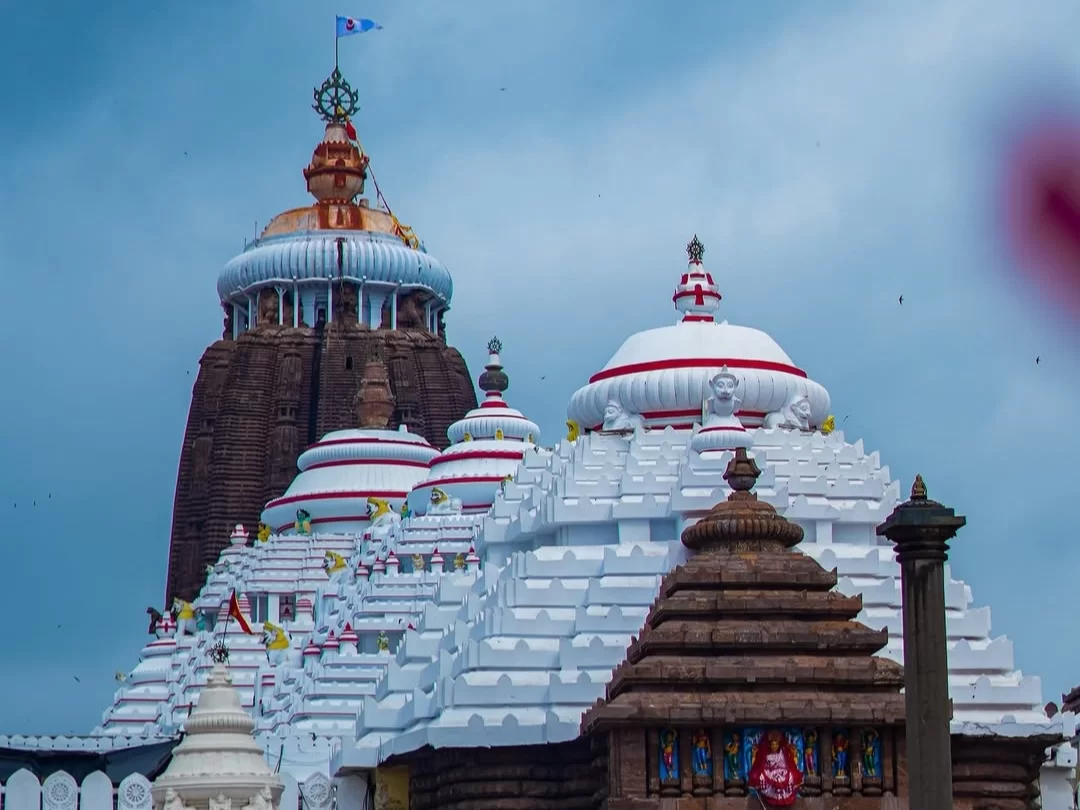
| Entry Fee | Free (Access limited to Hindus of Indian origin) |
| Timings | 05:00 – 23:00 (Timings vary slightly during festivals/rituals) |
| Altitude (m) | 6 m |
| Ideal Visit Duration | 2 – 4 hours |
| Best Time of Day | Early Morning (05:00 – 07:00) or Late Night (after 21:00) |
| Crowd Level | Very High (Extremely crowded on Sundays, Ekadashi, and festivals) |
| Distance from City Centre (km) | 0 km (Located at the heart of Puri at the end of Grand Road) |
| Walking Difficulty | Moderate (Long queues and stone floors; leather items/mobiles prohibited) |
| Parking Available | No (Vehicles restricted on Grand Road; parking available at Jagannath Ballav or Jail Road) |
| Last Mile Access | E-rickshaws (Totto) and cycle rickshaws operate from parking zones to the Lion's Gate |
| Suitable for Kids | Yes (Strict supervision required due to crowds) |
| Suitable for Seniors | Yes (Special queues sometimes available; avoid peak hours) |
| Wheelchair Friendly | No (The heritage structure features high stone steps and uneven thresholds) |
Visitors come to this 12th-century monument to experience one of the most sacred "Char Dham" pilgrimage sites, essential for understanding the spiritual heartbeat of India. It is a primary destination for those wishing to witness the unique "Living Traditions" of the Kalinga Empire, where ancient rituals, the world's largest temple kitchen (Mahaprasad), and the enigmatic wooden deities of Lord Jagannath, Balabhadra, and Subhadra have remained central to the faith for nearly a millennium.
The atmosphere on-ground is a powerful sensory immersion characterized by the scent of wood-fired clay pots, the rhythmic ringing of heavy brass bells, and the sight of the iconic Nilachakra flag fluttering against the wind. Moving through the massive stone gateways, travelers encounter a high-energy environment where the scale of the 65-meter-high deula and the constant flow of thousands of devotees create a profound sense of historical and religious gravity that is unique to Puri.
Shri Jagannath Temple is distinct for its defiance of conventional architectural norms, notably the Patitapabana image visible from the street and the unique practice of "Nabakalebara," where the deities are periodically recreated from sacred trees. It stands out for its intricate social ecosystem, involving thousands of hereditary priests and craftsmen who maintain the temple’s daily operations and the colossal Ratha Yatra festival, offering travelers a rare look at a thriving, uninterrupted medieval civilization.
The Shri Jagannath Temple in Puri, established in the 12th century by King Anantavarman Chodaganga Deva of the Eastern Ganga Dynasty, is one of the four sacred Char Dham pilgrimage sites essential to Hindu spiritual life. This architectural masterpiece of the Kalinga style is dedicated to Lord Jagannath, a form of Lord Vishnu, alongside his siblings Balabhadra and Subhadra. The temple is famous for being the only major Hindu shrine where the deities are carved from sacred neem wood (Daru Brahma) and are ceremoniously replaced every 8, 12, or 19 years in a ritual known as Nabakalebara.
The temple complex is enclosed by two massive fortified walls, the Meghanada Pacheri and the Kurma Pacheri, and is capped by the Nilachakra (Blue Wheel), an eight-spoked alloy disc that reportedly appears to face the viewer from any direction in Puri. The site is a living center of ancient traditions, including the daily changing of the Patitapabana flag—a task performed by servitors who climb the 214-foot spire barefoot—and the preparation of the Mahaprasad, a sacred meal cooked in the world's largest temple kitchen using earthen pots stacked vertically over wood fires.
Experience-wise, the temple is the focal point of the world-renowned Ratha Yatra (Chariot Festival), where the deities are brought out of the sanctum to visit their birthplace at the Gundicha Temple. The temple atmosphere is defined by centuries-old rituals, such as the muffled sound of the ocean waves upon entering the Singhadwara (Lion Gate) and the absence of shadows cast by the main structure at any time of day. While entry to the inner sanctum is strictly reserved for Hindus of Indian origin, the temple’s cultural and historical influence as a hub of Vaishnavism continues to attract millions of visitors to the holy city of Puri.
Visiting the Shri Jagannath Temple requires careful planning to balance religious significance with the challenging coastal climate of Puri, especially since the temple's vast stone premises must be navigated barefoot. While the peak spiritual experience occurs during the mid-summer Rath Yatra, the physical toll of extreme humidity and massive crowds makes the winter season the most practical choice for tourists and heritage enthusiasts.
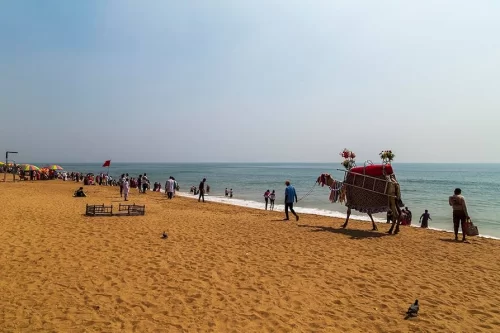 Beach
Beach
Swargadwar Beach is a prominent beachfront area located along the Bay of Bengal in Puri, Odisha, adjacent to the sacred Swargadwar cremation ghat.
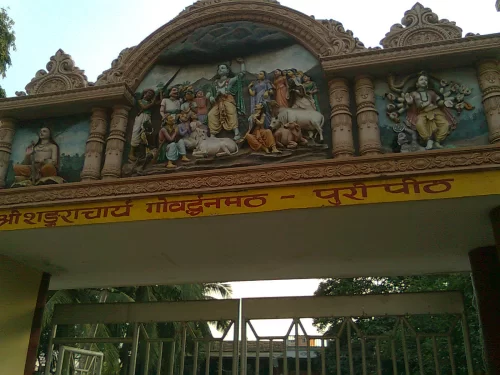 Temple
Govardhan Math is a historic Hindu monastic institution located in Puri, Odisha, established by Adi Shankaracharya as one of the four principal Mathas (monasteries) founded to promote Advaita Vedanta across India.
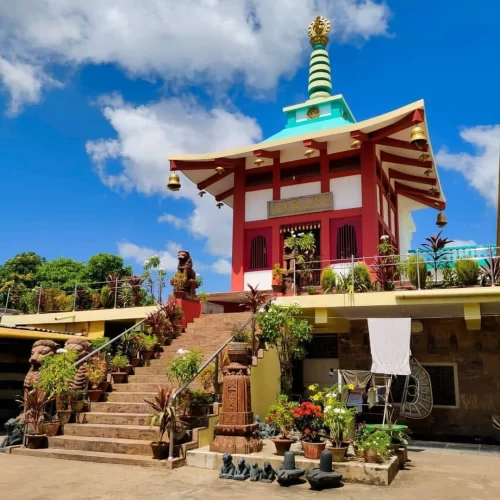 Museum
Sudarshan Crafts Museum is a cultural museum and artisan workshop located in Puri, Odisha, established by renowned sculptor Sudarshan Sahoo to preserve and promote traditional Odishan arts and crafts.
Get customized Odisha tour planning designed around temple visit timing, coastal weather patterns, wildlife seasonality, and realistic travel pacing across regions. Whether you are visiting for spiritual journeys, heritage architecture, beach relaxation,
⚡ Quick Response | 💰 Free consultation | 🕒 24×7 expert support

