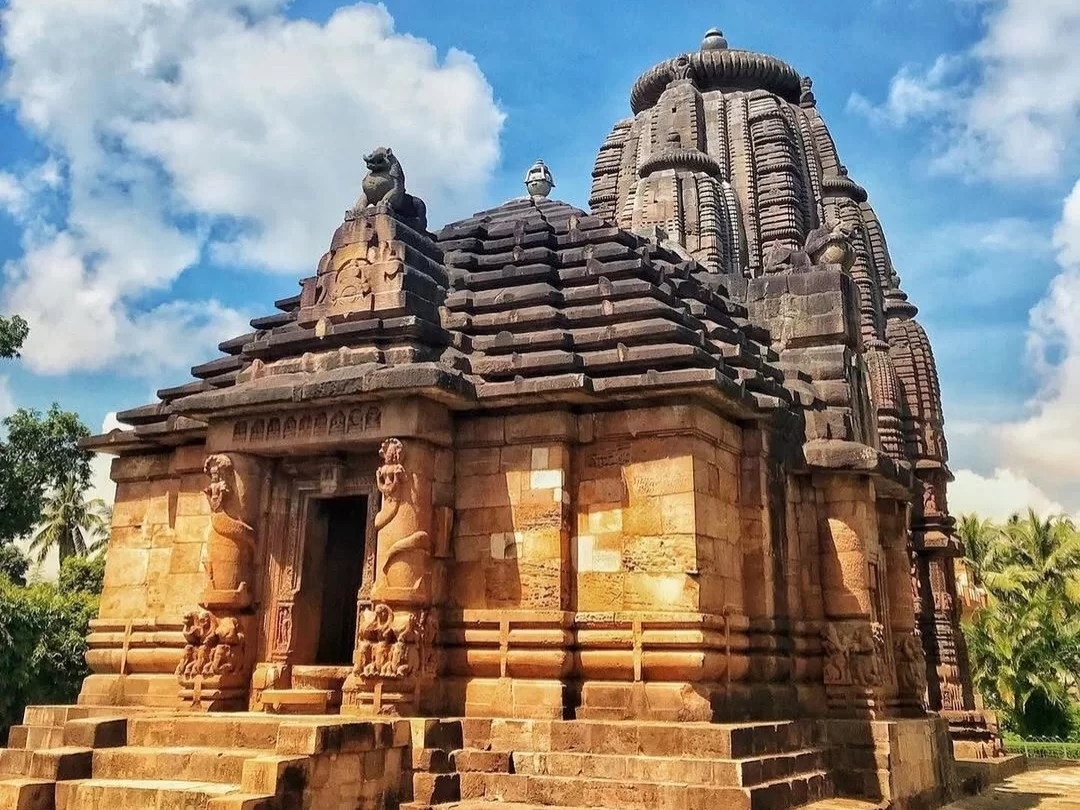
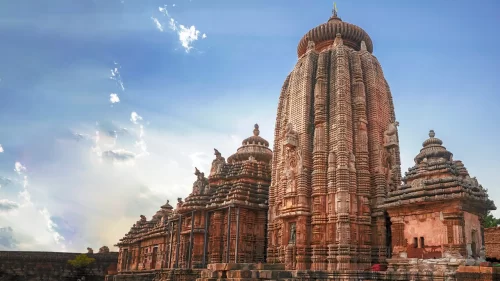
Rajarani Temple, Bhubaneswar, Odisha, India

Rajarani Temple , Bhubaneswar
Tourists visit Rajarani Temple for its refined Nagara-style architecture, sculpted walls, and peaceful temple complex setting. It is one of Bhubaneswar’s best-preserved medieval temples and is especially valued for heritage sightseeing and photography.

Quick Facts About Rajarani Temple

Quick Facts About Rajarani Temple, Bhubaneswar

Entry Fee ?15 per person (Indian citizens); ?200 per person (foreign nationals); free for children below 15 years (as per ASI ticket rules)
Timings 6:30 AM to 7:00 PM (open all days)
Altitude (m) Approx. 45 m above sea level
Ideal Visit Duration 45 minutes to 1.5 hours
Best Time of Day Morning (6:30 AM – 10:00 AM) or late afternoon (4:00 PM – 6:30 PM) for comfortable weather and better photography light
Crowd Level Moderate on weekdays; higher on weekends and during local festivals
Distance from City Centre (km) Approx. 4 km from Bhubaneswar Railway Station area
Walking Difficulty Easy (short walking distance inside the complex; mostly flat pathways)
Parking Available Yes, limited parking space available near the entrance
Last Mile Access Auto-rickshaws and taxis easily available; local city buses also stop nearby
Suitable for Kids Yes, suitable for children with adult supervision
Suitable for Seniors Yes, suitable for seniors; seating is limited, so carrying water is recommended
Wheelchair Friendly Partially (outer complex is accessible, but temple platform has steps and limited ramp access)

Why Visit Rajarani Temple, Bhubaneswar

Visitors come to Rajarani Temple to see one of Bhubaneswar’s finest stone temples known for detailed carvings, a well-maintained complex, and a quiet setting compared to the city’s more crowded religious sites. It is a popular stop for travelers interested in Odisha’s temple architecture and sculpture work.

The atmosphere inside the complex is calm and open, with landscaped pathways and enough space to walk around the temple without feeling rushed. Unlike active worship temples, the site feels more like a protected heritage monument, with visitors spending time observing carvings and taking photographs.

What makes Rajarani Temple distinct is its unique sandstone construction, the refined sculptural detailing on the outer walls, and the absence of a presiding deity, which sets it apart from most traditional temples in the region. For travelers, it offers a focused architectural experience without long queues or restricted viewing areas.

History of Rajarani Temple, Bhubaneswar

Rajarani Temple is believed to have been built during the 11th century under the Somavamsi period, when Bhubaneswar was a major centre of temple construction in eastern India. The structure is known for its refined Nagara-style design and the use of reddish-golden sandstone, which is uncommon compared to many other Odisha temples.

Unlike most temples in the city, Rajarani Temple does not have a main deity enshrined inside, which suggests it may have been dedicated to Shiva in a symbolic or regional tradition rather than functioning as a regular active worship temple. Today, it is maintained as a protected monument, and visitors mainly experience it as an architectural and sculptural heritage site.

The temple is especially noted for its detailed carvings of divine figures, decorative motifs, and sculpted panels on the outer walls, reflecting the craftsmanship and artistic focus of medieval Odisha. Its name is linked to the local stone type historically called “Rajarani,” which gave the monument its modern identity.

Best Time to Visit Rajarani Temple, Bhubaneswar

Rajarani Temple can be visited year-round, but the experience is most comfortable during the cooler months when Bhubaneswar’s outdoor sightseeing conditions are pleasant and walking around the temple complex is easier. Summer afternoons can be uncomfortable due to heat, while monsoon visits may be affected by humidity and occasional heavy rain.
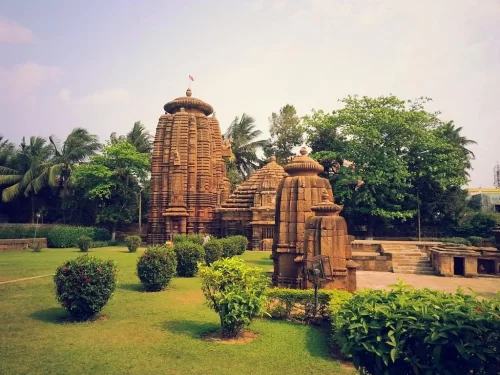
  • Ideal months: October to March
  • Best season experience: Cooler temperatures, lower humidity, and clearer daylight for viewing carvings and photography
  • Good alternative months: Late September and early April (warm but manageable in mornings and evenings)
  • Periods to avoid: May to mid-June due to high daytime heat and strong sun exposure inside the open complex
  • Monsoon note: July to September is visitable, but sudden rain and high humidity can reduce comfort and photography quality

How to Reach Rajarani Temple, Bhubaneswar

  • Nearest Airport: Biju Patnaik International Airport (BBI), Bhubaneswar (approx. 4–6 km). Prepaid taxis and app-based cabs are commonly available outside the terminal.
  • Nearest Railway Station: Bhubaneswar Railway Station (approx. 3–5 km). Auto-rickshaws and taxis are easily available from the station exit.
  • By Road: Rajarani Temple is located within Bhubaneswar city limits and is well connected by main roads. It can be reached by private car, taxi, or auto-rickshaw from most central areas.
  • Local Transport: Auto-rickshaws are the most practical last-mile option. City buses operate on nearby routes, but walking from bus stops may be required depending on the drop point.
  • Last-mile Note: The temple is in a developed residential area with paved access roads, but traffic can slow travel during peak city hours, especially in the evening.

What to Expect When You Visit Rajarani Temple, Bhubaneswar

  • You will find a protected temple monument inside a fenced complex with landscaped lawns and paved walking paths around the main structure.
  • The temple is not a crowded active worship site like major shrines in Odisha, so most visitors come for architecture viewing, photography, and quiet exploration.
  • Expect detailed exterior stone carvings and sculpted panels best viewed by walking slowly around the temple walls.
  • There are steps leading up to the temple platform, so movement is easy for most visitors but may require care for seniors or those with mobility issues.
  • Basic facilities are limited; small vendors may be present outside, but the site itself mainly provides open space and viewing areas rather than tourist amenities.
  • Footwear rules may depend on the entry area and security instructions, but most visitors treat it like a heritage monument rather than a traditional temple darshan visit.
  • Photography is commonly done throughout the complex, and the best angles are usually from the side and rear sections where carvings are more visible.
  • During midday in summer, the open complex can feel hot due to direct sunlight, so carrying water and using sun protection is practical.

Important Visitor Information for Rajarani Temple, Bhubaneswar

  • Crowd & Weather Notes: The site is open and exposed to sun, so summer visits can feel hot even with short walking. Monsoon months may bring sudden rain and slippery stone surfaces near the platform.
  • Peak Hours: 10:00 AM to 1:00 PM and late afternoon on weekends and holidays, when local visitors and school groups are more common.
  • Quiet Hours: Early morning (6:30 AM to 9:00 AM) is usually the most peaceful time for photography and slow exploration.
  • Dress Code: No strict dress code is enforced as it functions mainly as a protected monument, but modest clothing is recommended as it is still a religious heritage site.
  • Footwear: Most visitors keep footwear on while walking in the complex, but follow any signage or on-site staff instructions if rules change during festivals or special events.
  • Safety Notes: Steps and stone edges around the temple platform require careful footing, especially for seniors and children.
  • Practical Tip: Carry drinking water if visiting in warm months, as facilities inside the complex are limited.

Photography and Viewpoints at Rajarani Temple, Bhubaneswar

  • The best overall temple framing is from the front courtyard area, where the full height of the main tower (shikhara) is visible without nearby buildings blocking the view.
  • For close-up carving photography, the side and rear outer walls provide the most detailed sculptural panels, and visitors can walk around the structure for multiple angles.
  • Morning light (around 7:00 AM to 10:00 AM) gives clearer detail on carvings and produces softer shadows on the temple’s sandstone surface.
  • Late afternoon (around 4:00 PM to 6:00 PM) is good for warm-toned lighting, especially on the front and side elevations, but crowds may be slightly higher.
  • During midday, harsh sunlight creates strong shadows on the carvings, which can reduce detail in photographs unless shooting from shaded angles.
  • Photography is generally permitted in the open complex, but visitors should avoid stepping onto restricted areas or climbing on temple surfaces, as the site is protected under monument regulations.
  • Weekdays and early morning hours offer better space for wide-angle shots without people in the frame, especially near the entrance-facing viewpoint.
  • Monsoon months can provide dramatic skies, but wet stone surfaces near the platform may limit movement around the temple base.

Near By Attraction

Chausath Yogini Temple Morena Madhya Pradesh Tour Package, Mitaoli hilltop 64 yogini shrines circular open-air Kachchhapaghata 11th century Ekattarso Mahadeva Shiva lingams, ideal Madhya Pradesh heritage tour package. Temple

Chausathi Yogini Temple

Chausathi Yogini Temple is a circular 9th-century stone temple located in Hirapur near Bhubaneswar, Odisha, dedicated to the 64 Yogini deities.

Nandankanan Zoological Park iconic entrance with white tiger and Royal Bengal tiger sculptures amid lush greenery, perfect Odisha wildlife safari tour package.  Zoo

Nandankanan Zoological Park

Nandankanan Zoological Park is a major zoological park and wildlife conservation centre located near Bhubaneswar, known for its large animal enclosures and safari zones.

Lingaraj Temple at Bhubaneswar on clear day, featuring main Kalinga spire with Odisha flag, perfect heritage Bhubaneswar tour package. Temple

Lingaraj Temple

Lingaraj Temple is a major 11th-century Hindu temple in Bhubaneswar dedicated to Lord Shiva, known for its towering Kalinga-style architecture.

Frequently Asked Questions About Rajarani Temple

Rajarani Temple is located in Bhubaneswar in Odisha, India.
Rajarani Temple is known for its intricate stone carvings and distinctive Kalinga style temple architecture.
The best time to visit Rajarani Temple is from October to March when the weather in Odisha is pleasant for sightseeing.
Visitors can reach Rajarani Temple by road from different parts of Bhubaneswar, which has the nearest major airport and railway station in Odisha.
Yes, Rajarani Temple charges a nominal entry fee as it is maintained by the Archaeological Survey of India.
Rajarani Temple is generally open from morning until evening and remains accessible throughout the day.
Around one to two hours are sufficient to explore the temple structure and surrounding landscaped gardens at Rajarani Temple.
Rajarani Temple is highly suitable for photography due to its detailed sculptures and well maintained premises.
Official guides may not always be available at Rajarani Temple, but visitors can hire licensed guides in Bhubaneswar if required.
Rajarani Temple is suitable for families as it offers open space and easy walking access.
Tourists can find hotels and guesthouses in Bhubaneswar, Odisha, within a short driving distance of Rajarani Temple.

Loved this place ? Let’s Plan Your Odisha Trip

Get customized Odisha tour planning designed around temple visit timing, coastal weather patterns, wildlife seasonality, and realistic travel pacing across regions. Whether you are visiting for spiritual journeys, heritage architecture, beach relaxation,

⚡ Quick Response | 💰 Free consultation | 🕒 24×7 expert support

×

Plan Your Trip