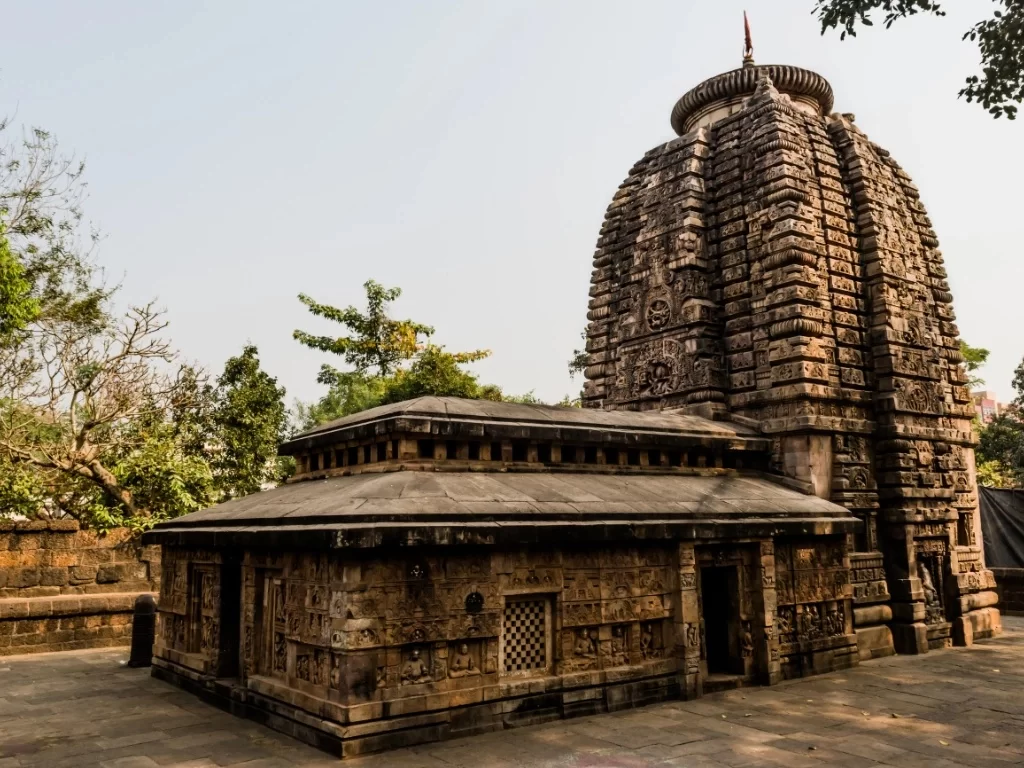
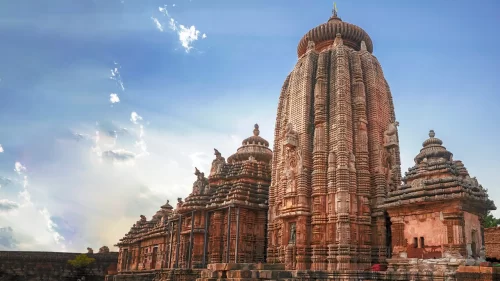
Parashurameshvara Temple, Bhubaneswar, Odisha, India | History & Visitor Guide

Parashurameshvara Temple , Bhubaneswar
Visitors prioritize this site to observe early Kalinga architecture, specifically the transitioned deula structure and the intricately carved lattice windows. It is a key destination for those studying the evolution of temple art, featuring some of the earliest depictions of the Saptamatrikas and Vedic deities in the region.

Quick Facts About Parashurameshvara Temple

Entry Fee Free
Timings 06:30 - 19:00
Altitude (m) 45
Ideal Visit Duration (hrs) 1
Best Time of Day Morning
Crowd Level Low
Distance from City Centre (km) 4
Walking Difficulty Easy
Parking Available Yes
Last Mile Access Road
Suitable for Kids Yes
Suitable for Seniors Yes
Wheelchair Friendly No

Why Visit Parashurameshvara Temple

Visitors come to this site to see the best-preserved example of early Kalinga architecture, dating back to the 7th century CE. It is a primary destination for art historians and travelers who want to trace the evolution of Odisha’s temple building, as it predates the more famous Lingaraj and Konark structures, serving as the architectural prototype for the region’s classic deula style.

The on-ground atmosphere is intimate and quiet, tucked away from the main traffic of Bhubaneswar’s Old Town. Unlike the towering, active worship centers nearby, this temple feels like a serene outdoor gallery where the low-slung, heavy proportions of the stone allow for a close-up, tactile appreciation of the deeply carved surfaces and the reddish hue of the ancient sandstone in the afternoon light.

Parashurameshvara is distinct for its exceptional relief carvings, particularly the detailed depictions of the Lakulisha and the diverse pantheon of Vedic deities that adorn its outer walls. It stands out for its unique "jagamohana" (entrance hall), which features a tiered, sloping roof with clerestory windows—a rare design element in later Odishan temples—providing a specific glimpse into the transitional period of Hindu temple design.

Historical and Architectural Context of Parashurameshvara Temple

The Parashurameshvara Temple, constructed around 650 CE, is recognized as one of the oldest existing temples in Bhubaneswar and a primary example of the early Shailodbhava period of Kalingan architecture. Unlike later, more vertical structures in Odisha, this temple is characterized by its compact, squat proportions and a "jagmohana" (assembly hall) featuring a unique rectangular, flat roof with clerestory windows.

Dedicated to Lord Shiva, the temple is architecturally significant for being the first in the region to depict the complete cycle of the "Saptamatrikas" (Seven Mother Goddesses) and for its intricate carvings of the "Lakulisha" figure, signifying the temple’s historical connection to the Pashupata sect of Shaivism. The exterior walls are densely ornamented with lattice windows and relief sculptures of Vedic deities, including Surya and Agni.

The site serves as a vital archaeological link between the early rock-cut traditions and the sophisticated masonry of later Odishan temples. It features a unique "Sahastralinga"—a single large lingam decorated with one thousand miniature lingas—which remains a focal point for devotees and historians studying the evolution of Shaivite iconography in Eastern India.

Best Time to Visit Parashurameshvara Temple

As one of the oldest standing structures in Bhubaneswar, the Parashurameshvara Temple is best visited during the crisp winter months when the soft, low-angle sunlight perfectly highlights the intricate 7th-century carvings. Because the temple is compact and built from heat-absorbing sandstone, a temperate climate is essential for spending the time required to appreciate the detailed Saptamatrika images and mythological reliefs without the discomfort of radiant heat.
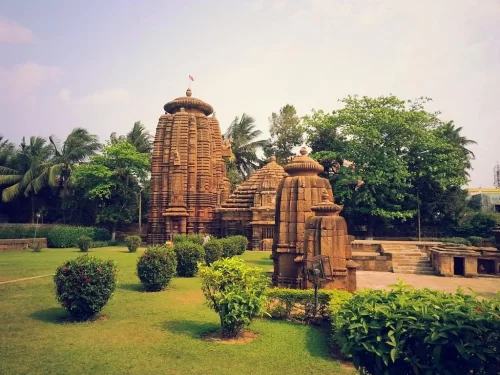
  • Ideal Months: October to February, coinciding with the peak heritage season and the significant Parasumastami festival (usually occurring in the lunar month of Ashadha).
  • Weather Conditions: Expect clear, dry weather with daytime temperatures ranging from 15°C to 28°C; the cooler air is particularly beneficial for exploring the surrounding Old Town heritage loop on foot.
  • Periods to Avoid: April to June, as the combination of high humidity and temperatures exceeding 40°C can make the stone courtyard uncomfortably hot; additionally, the heavy monsoon rains from July to September may obscure the fine details of the external carvings and make the ancient stone floors slippery.

Visitor Logistics: How to Reach Parashurameshvara Temple

  • By Air: Biju Patnaik International Airport (BBI) is the nearest airport, located approximately 4 km from the temple. Private taxis and app-based cabs (Ola/Uber) can cover the distance in about 15 minutes via the Airport Road and Lewis Road.
  • By Rail: Bhubaneswar Railway Station (BBS) is the closest major rail terminal, situated roughly 3.5 km away. From the station, travelers can hire auto-rickshaws or take a taxi directly to the Old Town (Ekamra Kshetra) area where the temple is located.
  • Road Access and Connectivity: The temple is situated in the heritage-rich Old Town area of Bhubaneswar. It is well-connected to the rest of the city via the Cuttack-Puri Road and is a short 500-meter walk from the more prominent Muktesvara Temple complex.
  • Last-Mile Connectivity: "Mo Bus" (the city's public transit system) has several routes passing through the Lingaraj Temple and Old Town area. From the bus stop, the temple is easily accessible by foot or a short cycle-rickshaw ride through the narrow heritage lanes.
  • Travel Conditions: Being located in a dense historical pocket, the roads leading to the temple are relatively narrow and can become congested during local festivals or evening hours. Large tourist coaches may have difficulty parking directly at the gate; smaller vehicles are recommended.

What to Expect When You Visit Parashurameshvara Temple

  • Environment and Surroundings: This 7th-century temple is one of the oldest in Bhubaneswar, located in a relatively quiet pocket of the Old Town. The compound is compact and surrounded by a manicured lawn and a boundary wall. Unlike larger complexes, the environment here is intimate and sheltered, though the dark stone of the structure can retain heat. The surrounding area is residential and generally less chaotic than the Lingaraj Temple vicinity.
  • Facilities and Amenities: As a protected monument under the ASI, facilities are minimal. There is a small ticket counter (if applicable) and basic signage explaining the historical significance. Public restrooms and water facilities are not located within the immediate temple courtyard but can be found in the nearby streets or at larger adjacent temple complexes. Visitors should bring their own water and sun protection.
  • Accessibility and Movement: The temple is situated at a slightly lower level than the modern road, accessible via a short flight of steps. The interior of the Jagamohana (assembly hall) is cramped and dimly lit, featuring low ceilings and narrow doorways that may be difficult for those with claustrophobia or limited mobility. The outdoor courtyard is flat and paved with stone, though some surfaces are uneven due to the age of the structure.
  • Typical Visitor Behavior and Conditions: The temple attracts a mix of history students, photographers, and local devotees. It is far less crowded than the major pilgrimage sites, allowing for detailed observation of the intricate stone carvings. Visitors must remove their shoes before entering the sanctum. It is expected that visitors maintain silence and avoid touching the delicate relief carvings on the exterior walls to prevent erosion of the ancient stone.

Important Visitor Information for Parashurameshvara Temple

  • Crowds and Weather: As one of the oldest preserved temples in Bhubaneswar (7th century), it is a key site for history enthusiasts but remains quieter than the Lingaraj complex. The sandstone walls absorb significant heat; visiting during the cooler months of October to March is ideal. Expect increased local foot traffic during Maha Shivaratri and on Mondays, which are dedicated to Lord Shiva.
  • Visiting Hours: The temple is open from 6:30 AM to 7:00 PM. The best time for photographers is the "golden hour" shortly after sunrise, which illuminates the intricate carvings on the south-facing walls without the harsh shadows of midday. The interior sanctum is small and dimly lit; early morning visits provide a more atmospheric experience.
  • Dress Code: This is an active place of worship. Visitors must dress modestly, ensuring shoulders and knees are covered. Footwear must be removed before entering the temple courtyard; during the summer months, the stone floor becomes extremely hot, so look for the provided coir mats to traverse the compound.
  • Safety and Cautions: The temple is located near a busy road junction; exercise caution when crossing to the site. The interior of the Jagamohana (porch) has a low ceiling and uneven stone flooring—watch your head and footing in the low light. To preserve the 7th-century bas-reliefs, avoid touching the delicate carvings of the Lakulisa and the Nataraja.

Photography and Viewpoints at Parashurameshvara Temple

  • The Jagamohana (Lattice Windows): The unique rectangular porch of this 7th-century temple features intricate stone-latticed windows. To capture the play of natural light through these apertures, photograph the northern and southern facades between 8:00 AM and 10:00 AM when the sun is at an optimal angle.
  • Vimana Sculptural Details: The tower (Vimana) is densely carved with figures of Shiva, Parvati, and various deities. Use a telephoto lens (70-200mm) to isolate the high-relief carvings and the "Bhumis" (horizontal layers) of the spire, which are best illuminated by directional morning light.
  • The Lakulisa Relief: Located on the front facade within a chaitya window, this is one of the most significant carvings at the site. For maximum clarity and to avoid the deep shadows cast by the ornate framing, use a tripod-mounted camera (where permitted) during the early morning soft-light period.
  • Low-Angle Corner Perspectives: Position your camera at the base of the temple’s northwest corner. This angle captures the transition from the flat-roofed Jagamohana to the towering Vimana, showcasing the early evolution of Kalinga architectural geometry against the sky.
  • Lighting and Shadow Management: Due to the dark, weathered nature of the sandstone, midday sun creates extreme contrast that can obscure fine details. Overcast days or the hour immediately following sunrise are ideal for capturing the subtle textures of the ancient stone without blowing out the highlights.
  • Site Restrictions and Access: As a protected monument under the Archaeological Survey of India (ASI), photography is generally permitted, but the use of professional tripods, stands, or drones requires prior written authorization. Security is present to ensure visitors do not touch or lean on the fragile relief work.
  • Garden Perimeter Framing: The temple is surrounded by a well-maintained lawn and a low boundary wall. Utilize the green space to frame the temple with local flora, which provides a vibrant color contrast to the muted ochre and grey tones of the 1,300-year-old masonry.

Near By Attraction

Chausath Yogini Temple Morena Madhya Pradesh Tour Package, Mitaoli hilltop 64 yogini shrines circular open-air Kachchhapaghata 11th century Ekattarso Mahadeva Shiva lingams, ideal Madhya Pradesh heritage tour package. Temple

Chausathi Yogini Temple

Chausathi Yogini Temple is a circular 9th-century stone temple located in Hirapur near Bhubaneswar, Odisha, dedicated to the 64 Yogini deities.

Nandankanan Zoological Park iconic entrance with white tiger and Royal Bengal tiger sculptures amid lush greenery, perfect Odisha wildlife safari tour package.  Zoo

Nandankanan Zoological Park

Nandankanan Zoological Park is a major zoological park and wildlife conservation centre located near Bhubaneswar, known for its large animal enclosures and safari zones.

Lingaraj Temple at Bhubaneswar on clear day, featuring main Kalinga spire with Odisha flag, perfect heritage Bhubaneswar tour package. Temple

Lingaraj Temple

Lingaraj Temple is a major 11th-century Hindu temple in Bhubaneswar dedicated to Lord Shiva, known for its towering Kalinga-style architecture.

Frequently Asked Questions About Parashurameshvara Temple

Parashurameshvara Temple is located in Bhubaneswar in Odisha, India.
Parashurameshvara Temple is known as one of the oldest surviving temples in Bhubaneswar and for its early Kalinga style architecture dedicated to Lord Shiva.
The best time to visit Parashurameshvara Temple is from October to March when the weather in Odisha is pleasant for sightseeing.
Visitors can reach Parashurameshvara Temple by road from different parts of Bhubaneswar, which has the nearest major airport and railway station in Odisha.
There is generally no significant entry fee to visit Parashurameshvara Temple, though local guidelines may apply.
Parashurameshvara Temple is usually open during daytime hours and remains accessible throughout the day.
Around one hour is usually sufficient to explore the temple structure and surrounding area at Parashurameshvara Temple.
Parashurameshvara Temple is suitable for photography due to its detailed carvings and historic architecture.
Official guides may not always be available at Parashurameshvara Temple, but visitors can arrange licensed guides in Bhubaneswar if required.
Parashurameshvara Temple is suitable for families as it offers open space and manageable walking access.
Tourists can find hotels and guesthouses in Bhubaneswar, Odisha, within a short driving distance of Parashurameshvara Temple.

Loved this place ? Let’s Plan Your Odisha Trip

Get customized Odisha tour planning designed around temple visit timing, coastal weather patterns, wildlife seasonality, and realistic travel pacing across regions. Whether you are visiting for spiritual journeys, heritage architecture, beach relaxation,

⚡ Quick Response | 💰 Free consultation | 🕒 24×7 expert support

×

Plan Your Trip