ISKCON Bhubaneswar, Bhubaneswar, Odisha, India | History & Visitor Guide

ISKCON Bhubaneswar , Bhubaneswar
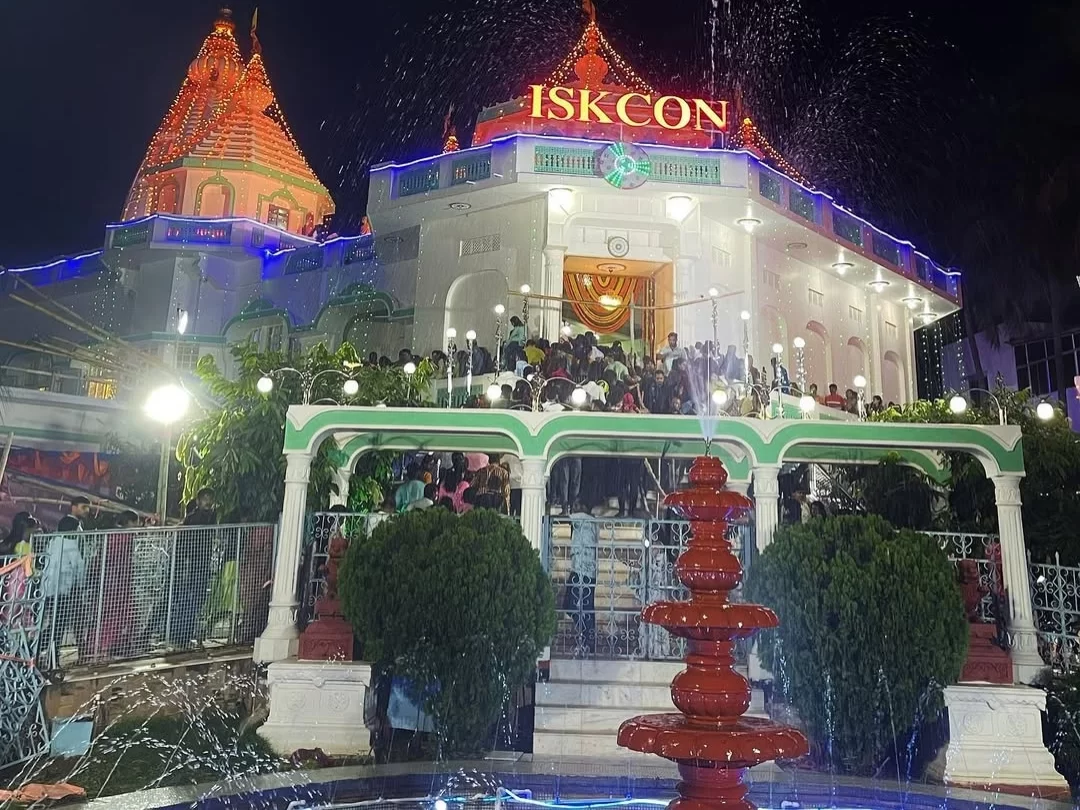
Visitors frequent the temple to observe its circular architecture and participate in daily devotional ceremonies and kirtans. The complex serves as a major cultural hub in the city, offering a vegetarian restaurant, a library of Vedic literature, and large-scale celebrations during the Janmashtami and Ratha Yatra festivals.

Quick Facts About ISKCON Bhubaneswar

Entry Fee Free
Timings 04:15 - 12:45, 16:15 - 20:30
Altitude (m) 45
Ideal Visit Duration (hrs) 1
Best Time of Day Evening
Crowd Level Moderate
Distance from City Centre (km) 4
Walking Difficulty Easy
Parking Available Yes
Last Mile Access Road
Suitable for Kids Yes
Suitable for Seniors Yes
Wheelchair Friendly No

Why Visit ISKCON Bhubaneswar

Visitors come to this temple as it is the last project personally conceptualized by ISKCON founder A.C. Bhaktivedanta Swami Prabhupada and serves as a major spiritual landmark in Eastern India. It is a primary destination for those seeking an immersive experience in Krishna consciousness, attracting international travelers and local devotees alike for its vibrant festivals and daily Vedic rituals.

The on-ground atmosphere is one of high-energy devotion, characterized by the rhythmic sound of mridangas and kirtan that resonates through the circular marble halls. Unlike the ancient stone temples of the city, the environment here is bright and active, featuring well-maintained vegetarian dining facilities and a community-centric vibe that encourages participation in the evening aarti and spiritual discourses.

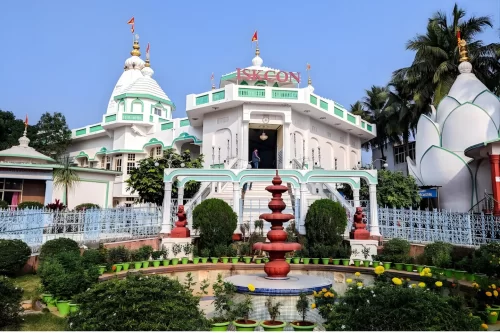
ISKCON Bhubaneswar is distinct for its unique lotus-shaped architectural design, which sets it apart from the traditional Kalinga style predominant in the region. It stands out as a living cultural center where ancient Vaishnava traditions are presented through a modern lens, offering travelers a highly accessible gateway to Indian spirituality with comprehensive visitor amenities and an emphasis on cross-cultural exchange.

Historical and Religious Context of ISKCON Bhubaneswar

ISKCON Bhubaneswar, inaugurated in 1991, holds the distinction of being the 108th and last project personally sanctioned by Srila Prabhupada, the founder-acharya of the International Society for Krishna Consciousness. Unlike the traditional Kalingan sandstone temples of the region, this structure features a distinct white marble facade and modern Vedic architectural elements, serving as a primary center for the Krishna Consciousness movement in Eastern India.

The temple is dedicated to Sri Sri Krishna Balarama, who are the presiding deities, alongside Radha Gopinath and Gaura Nitai. It functions as a significant spiritual hub, particularly during the Ratha Yatra festival, where it organizes its own chariot procession that draws thousands of devotees. The site is renowned for its "Lotus Temple" design philosophy and its role in promoting Vaishnava philosophy through daily kirtans, discourses, and the distribution of sanctified vegetarian meals (prasadam).

Culturally, the complex serves as more than a place of worship; it is an educational center featuring a library of Vedic literature and a Govinda’s restaurant. The temple atmosphere is defined by its rigorous adherence to monastic traditions and its global outreach, making it a unique bridge between ancient Bhakti traditions and contemporary international devotional practices within the city of Bhubaneswar.

Best Time to Visit ISKCON Bhubaneswar

Visiting ISKCON Bhubaneswar is most rewarding during the cooler months or during major Vaishnava festivals, when the temple's spiritual vibrancy is at its peak and the marble flooring remains cool for barefoot circumambulation. As the temple serves as a major community hub, timing your visit to avoid the midday tropical heat is essential for participating in the elaborate kirtans and enjoying the vegetarian prasadam comfortably.
  • Ideal Months: October to March for pleasant weather; specifically, late August or September for the Janmashtami celebrations if you wish to witness the temple's most significant annual event.
  • Weather Conditions: Expect clear, temperate days with low humidity and temperatures between 15°C and 25°C, which is ideal for spending extended periods in the open-air prayer halls and landscaped gardens.
  • Periods to Avoid: April to June, as the high humidity and temperatures often exceeding 40°C can make the marble surfaces uncomfortably hot; additionally, Sunday evenings year-round are extremely crowded, which may limit the serenity of your visit if you prefer quiet meditation.

Navigating Your Visit: How to Reach ISKCON Bhubaneswar

  • By Air: Biju Patnaik International Airport (BBI) is the nearest airport, located approximately 6 km away. Taxis and app-based cabs (Ola/Uber) provide the most direct transit, typically taking 15–20 minutes via the NH-16 or Airport Road.
  • By Rail: Bhubaneswar Railway Station (BBS) is the primary railhead, situated about 5 km from the temple. From the station's main exit, travelers can easily hire auto-rickshaws or private taxis for a straightforward commute to the Nayapalli area.
  • Road Access: The temple is conveniently located right along the National Highway 16 (NH-16) in the Nayapalli locality. It is a prominent landmark easily accessible by private vehicles, inter-city buses, and tourist coaches arriving from Cuttack or Khurda.
  • Last-Mile Connectivity: The "Mo Bus" public transit system has a dedicated stop at ISKCON Temple (Nayapalli). Frequent bus services connect the temple to major hubs like Master Canteen, Vani Vihar, and Baramunda ISBT, which is only 3 km away.
  • Travel Conditions: Being situated on a major highway artery, the area surrounding the temple can experience heavy traffic congestion during peak office hours (9:00 AM – 11:00 AM and 6:00 PM – 8:00 PM). Ample parking is available inside the complex, but it fills up rapidly during Sunday feasts and festivals like Janmashtami.

What to Expect When You Visit ISKCON Bhubaneswar

  • Environment and Surroundings: The temple is situated in a busy part of the city, yet the interior complex is meticulously maintained and offers a serene atmosphere. The architecture is unique, featuring a lotus-shaped structure. Expect a vibrant, high-energy environment during prayer times, characterized by rhythmic chanting and music. The stone and marble surfaces are kept clean but can be slippery when wet.
  • Facilities and Amenities: This site offers some of the most comprehensive visitor facilities in the area. There is a large vegetarian restaurant (Govinda’s) on-site serving satvik meals, a well-stocked gift shop, and dedicated shoe-storage counters. Clean restroom facilities and drinking water stations are readily available. There is also a guesthouse and a large prayer hall that provides a sheltered, shaded environment for visitors.
  • Accessibility and Movement: The temple complex is generally accessible with wide, paved walkways. However, reaching the main altar involves climbing several marble stairs. While there are ramps in certain sections of the compound, the final approach to the deities may be difficult for those with severe mobility issues. Inside the prayer hall, seating is primarily on the floor, though chairs are sometimes provided for the elderly or differently-abled.
  • Typical Visitor Behavior and Conditions: Expect large crowds during the evening Arati and on Sundays. A strict code of conduct is enforced; visitors must remove footwear and dress modestly (shoulders and knees covered). Photography is strictly prohibited inside the inner sanctum but is generally allowed in the outdoor courtyards. Interaction with the resident monks is common, and visitors are encouraged to participate in the congregational chanting.

Important Visitor Information for ISKCON Bhubaneswar

  • Crowds and Weather: The temple is a major spiritual hub and experiences high foot traffic daily, which peaks significantly during Janmashtami, Radhashtami, and the Rath Yatra period. The marble flooring helps with temperature regulation, but the humid climate of Bhubaneswar is most manageable from October to February. Sunday evenings are particularly crowded due to the weekly feast and special kirtans.
  • Visiting Hours: The temple follows a strict Vedic schedule, typically opening at 4:30 AM for Mangala Arati and closing at 9:00 PM. Note that the main deity curtains are closed for offerings and rest at specific intervals, usually between 1:00 PM and 4:30 PM; plan your visit around the evening Gaura Arati (7:00 PM) for the most vibrant experience.
  • Dress Code: Traditional and modest attire is highly encouraged. Men typically wear dhotis or kurtas with trousers, and women wear sarees or salwar kameez. Clothing that is revealing or features offensive graphics is discouraged. All visitors must remove footwear at the designated shoe stand before entering the main temple complex.
  • Safety and Cautions: Photography and videography are strictly prohibited inside the main altar hall to maintain the sanctity of the worship. Be mindful of your belongings in the crowded prasad halls and during heavy kirtan sessions. If dining at the Govinda’s restaurant on-site, be aware that it operates on specific lunch and dinner timings separate from the temple's darshan hours.

Photography and Viewpoints at ISKCON Bhubaneswar

  • Lotus-Shaped Architecture: The primary viewpoint is from the central courtyard facing the main temple structure. To capture the unique half-opened lotus design of the dome, use a wide-angle lens from a low perspective to emphasize the white tiered petals against the sky.
  • Evening Lighting: The temple is illuminated with soft white and colored spotlights after sunset. This is the best time for architectural photography, as the white marble-finished surfaces glow against the dark sky. A tripod is recommended for long-exposure shots from the perimeter, as handheld shots may suffer from digital noise.
  • The Marble Verandas: The polished marble floors of the wrap-around verandas offer excellent reflection opportunities. Photographing at a low angle during the "Blue Hour" (just after sunset) allows you to capture the temple's symmetry reflected in the clean, glossy flooring.
  • Festival Crowds (Janmashtami): During major festivals, the temple attracts thousands of devotees. To capture the scale and cultural vibrancy, use a telephoto lens from the edges of the main hall. Be aware that during these times, tripod use is practically impossible due to the density of the crowd.
  • Photography Restrictions: Photography is generally permitted in the outdoor complex and courtyard. However, capturing images of the deities (Sri Sri Krishna Balarama) inside the inner sanctum is strictly prohibited. Always look for signage or ask the temple volunteers before aiming your camera toward the altar.
  • Morning Soft Light: Arriving between 7:00 AM and 9:00 AM provides soft, even lighting across the white facade. This timing avoids the harsh glare that occurs when the sun reflects off the bright exterior surfaces during midday, which often leads to blown-out highlights.
  • Garden and Fountain Framing: Use the well-maintained greenery and small fountain structures within the complex to add a natural foreground to your architectural shots. These elements provide a color contrast to the predominantly white and cream tones of the temple buildings.

Near By Attraction

Chausath Yogini Temple Morena Madhya Pradesh Tour Package, Mitaoli hilltop 64 yogini shrines circular open-air Kachchhapaghata 11th century Ekattarso Mahadeva Shiva lingams, ideal Madhya Pradesh heritage tour package. Temple

Chausathi Yogini Temple

Chausathi Yogini Temple is a circular 9th-century stone temple located in Hirapur near Bhubaneswar, Odisha, dedicated to the 64 Yogini deities.

Nandankanan Zoological Park iconic entrance with white tiger and Royal Bengal tiger sculptures amid lush greenery, perfect Odisha wildlife safari tour package.  Zoo

Nandankanan Zoological Park

Nandankanan Zoological Park is a major zoological park and wildlife conservation centre located near Bhubaneswar, known for its large animal enclosures and safari zones.

Lingaraj Temple at Bhubaneswar on clear day, featuring main Kalinga spire with Odisha flag, perfect heritage Bhubaneswar tour package. Temple

Lingaraj Temple

Lingaraj Temple is a major 11th-century Hindu temple in Bhubaneswar dedicated to Lord Shiva, known for its towering Kalinga-style architecture.

Frequently Asked Questions About ISKCON Bhubaneswar

ISKCON Bhubaneswar is located in the Nayapalli area of Bhubaneswar in Odisha, India.
ISKCON Bhubaneswar is known for its devotional atmosphere, Krishna temple worship, and regular spiritual programs.
ISKCON Bhubaneswar generally opens early in the morning and remains accessible until evening with scheduled aarti and prayer sessions.
There is no mandatory entry fee to visit ISKCON Bhubaneswar, though donations are accepted.
Visitors can reach ISKCON Bhubaneswar by road from different parts of Bhubaneswar, which has the nearest major airport and railway station in Odisha.
The best time to visit ISKCON Bhubaneswar is from October to March when the weather in Odisha is pleasant for temple visits.
ISKCON Bhubaneswar experiences higher footfall during Janmashtami and other major Vaishnav festivals.
Around one to two hours are usually sufficient to attend aarti and explore the temple premises at ISKCON Bhubaneswar.
Photography may be restricted inside the main prayer hall of ISKCON Bhubaneswar, so visitors should follow temple guidelines.
ISKCON Bhubaneswar is suitable for families seeking a peaceful and organized temple environment.
Tourists can find hotels and guesthouses in Bhubaneswar, Odisha, within convenient driving distance of ISKCON Bhubaneswar.

Loved this place ? Let’s Plan Your Odisha Trip

Get customized Odisha tour planning designed around temple visit timing, coastal weather patterns, wildlife seasonality, and realistic travel pacing across regions. Whether you are visiting for spiritual journeys, heritage architecture, beach relaxation,

⚡ Quick Response | 💰 Free consultation | 🕒 24×7 expert support

×

Plan Your Trip