+91 9910402252
admin@chalbanjare.com


| Entry Fee | Free |
| Timings | 06:00 - 20:00 |
| Altitude (m) | 55 |
| Ideal Visit Duration (hrs) | 1 |
| Best Time of Day | Evening |
| Crowd Level | Moderate |
| Distance from City Centre (km) | 8 |
| Walking Difficulty | Easy |
| Parking Available | Yes |
| Last Mile Access | Road |
| Suitable for Kids | Yes |
| Suitable for Seniors | Yes |
| Wheelchair Friendly | No |
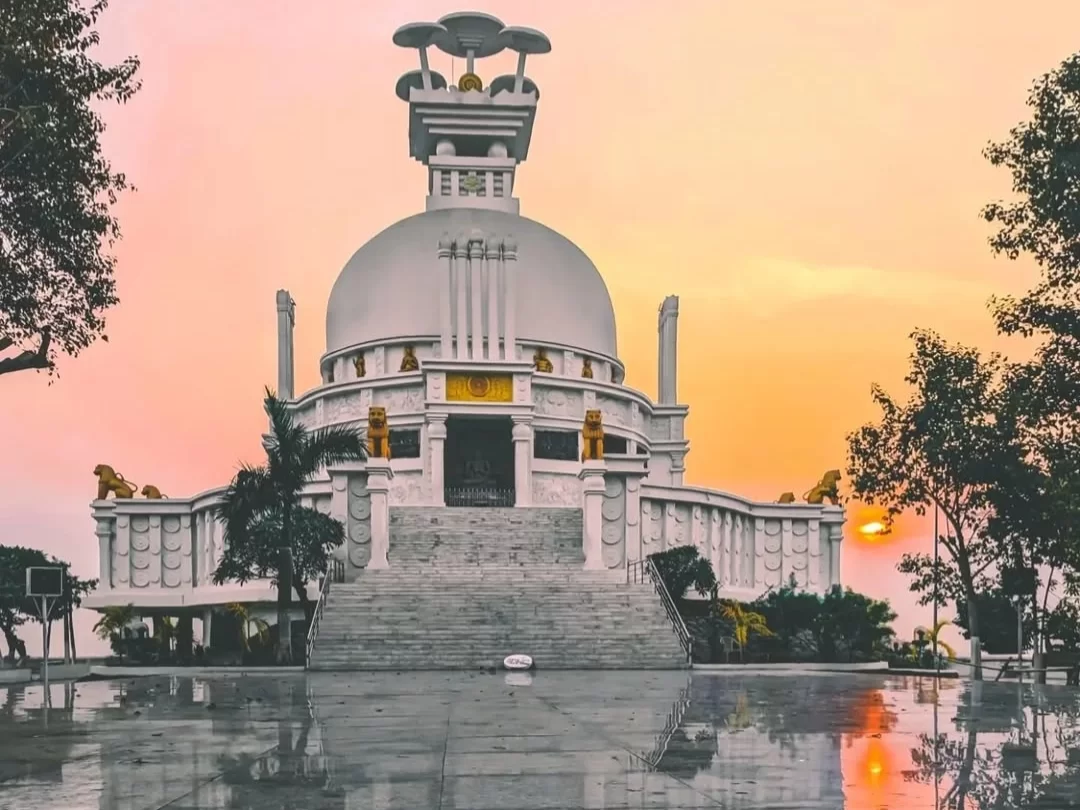
Visitors journey to this white-domed peace pagoda to witness the site of one of history’s most significant transformations: the aftermath of the Kalinga War, where Emperor Ashoka renounced violence for Buddhism. The location is a primary pilgrimage point for those interested in the roots of Buddhist spread across Asia, housing some of the best-preserved Rock Edicts of Ashoka dating back to the 3rd century BCE.
The atmosphere at the summit of Dhauli Hills is characterized by a stark, meditative stillness that contrasts with the bustling plains of nearby Bhubaneswar. On-ground, the experience is defined by the panoramic vantage point over the Daya River—its waters once famously stained red—now serving as a silent backdrop to the rhythmic chanting of monks and the evening light and sound show that narrates the hill's legacy.
Dhauli Shanti Stupa is distinct for its architectural synthesis, blending the ancient rock-cut elephant—the earliest Buddhist sculpture in Odisha—with the modern 1972 Indo-Japanese Shanti Stupa. Unlike other archaeological sites, it functions as a living memorial to pacifism, where travelers can directly touch 2,300-year-old inscriptions while standing within a modern international symbol of global harmony.
Dhauli Shanti Stupa stands on the site of the Kalinga War, fought in 261 BCE along the banks of the Daya River. This location is historically significant as the place where Emperor Ashoka renounced expansionist warfare and converted to Buddhism, marking a pivotal shift in the spread of the faith across Asia.
The site contains the Ashokan Rock Edicts, featuring inscriptions that outline the Emperor’s shift toward "Dharma" and his principles of non-violence and administrative justice. Nearby, a rock-cut elephant sculpture dating back to the 3rd century BCE represents one of the oldest Buddhist carvings in Odisha.
The modern Peace Pagoda, or Shanti Stupa, was established in 1972 as a collaborative project between the Kalinga Nippon Buddha Sangha and the Japan Buddha Sangha. The structure is adorned with stone panels depicting the life of Buddha and scenes from the Kalinga War, serving as a contemporary symbol of global peace and a major pilgrimage destination.
Visiting Dhauli Shanti Stupa is most rewarding during the cooler months when the open-air white pagoda and the surrounding Daya River valley can be explored without the intense heat radiating from the stone platforms. Because the site is largely unsheltered, timing your visit to coincide with the evening light and sound show is essential for the full historical experience.
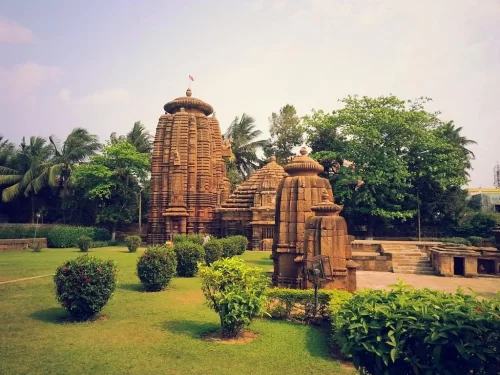 Temple
Parsurameswar Temple is one of the oldest surviving Hindu temples in Bhubaneswar, Odisha, dedicated to Lord Shiva and dating to the 7th century CE.
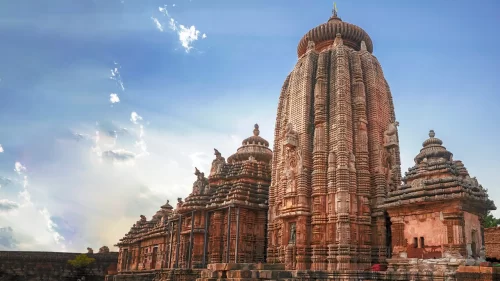 Temple
Ananta Vasudeva Temple is a 13th-century Hindu temple dedicated to Lord Krishna, Balarama, and Subhadra, located in the historic temple district of Bhubaneswar, Odisha.
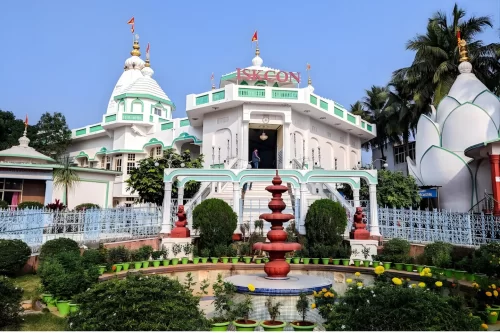 Temple
ISKCON Temple is a prominent Hindu temple dedicated to Lord Krishna and Radha, located in Bhubaneswar, Odisha, and operated by the International Society for Krishna Consciousness (ISKCON).
Get customized Odisha tour planning designed around temple visit timing, coastal weather patterns, wildlife seasonality, and realistic travel pacing across regions. Whether you are visiting for spiritual journeys, heritage architecture, beach relaxation,
⚡ Quick Response | 💰 Free consultation | 🕒 24×7 expert support

