Brahmeswara Temple, Bhubaneswar, Odisha, India | History & Visitor Guide

Brahmeswara Temple , Bhubaneswar
Visitors frequent this site to examine the refined Kalinga architectural style, characterized by its detailed stone carvings on both the interior and exterior walls. It is a significant destination for studying the traditional pancha-ratha plan and the evolution of temple construction in early medieval Odisha.

Quick Facts About Brahmeswara Temple

Entry Fee Free
Timings 06:00 - 20:00
Altitude (m) 42
Ideal Visit Duration (hrs) 1
Best Time of Day Morning / Evening
Crowd Level Low
Distance from City Centre (km) 5
Walking Difficulty Easy
Parking Available Yes
Last Mile Access Road
Suitable for Kids Yes
Suitable for Seniors Yes
Wheelchair Friendly No

Why Visit Brahmeswara Temple

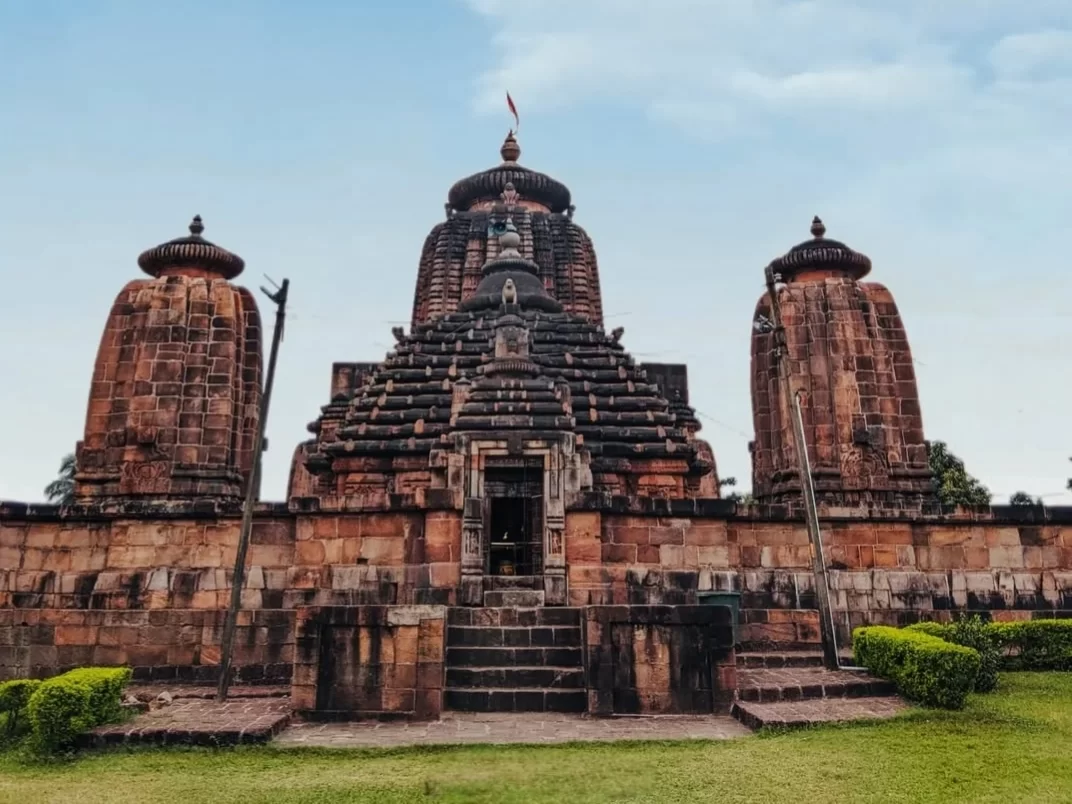
Visitors prioritize this 11th-century monument to witness the fully evolved maturity of the Kalinga architectural style, established during the Somavamsi dynasty. It is a critical site for travelers who appreciate structural symmetry, as it is one of the few remaining temples in Bhubaneswar that perfectly preserves its original "panchayatana" layout, featuring a central sanctum surrounded by four smaller corner shrines.

The atmosphere on the ground is characterized by a focused, artistic stillness, as the temple is situated within a well-maintained garden enclosure that buffers it from the surrounding city. Unlike the more crowded active pilgrimage sites, the environment here allows for an uninterrupted study of the stone, where the intricate shadows cast by the deep-relief carvings move across the sandstone surfaces as the sun shifts throughout the day.

Brahmeswara is distinct for being the first temple in the region to utilize iron beams in its construction and for its refined "dikpalas" (guardian deities) and erotic sculptures that exhibit a high level of plastic grace. It stands out for its unique interior carvings—rarely seen in other local temples—and its historical inscriptions that provide a verified timeline, making it a definitive benchmark for understanding the golden age of Odishan temple art.

Historical and Architectural Context of Brahmeswara Temple

The Brahmeswara Temple, commissioned by Queen Kolavati Devi during the mid-11th century, is a definitive example of the Somavamshi dynasty’s architectural maturity. Dedicated to Lord Shiva, the temple is historically significant for its use of iron beams in the structure and for being one of the first in Bhubaneswar to be built as a "panchayatana" complex, featuring a central sanctuary surrounded by four smaller subsidiary shrines at the corners.

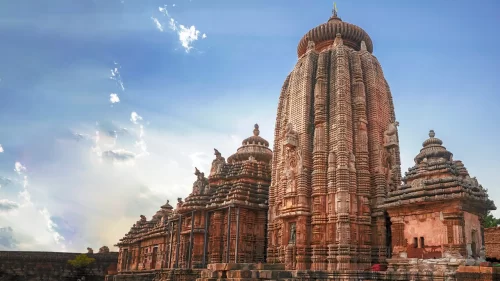
Architecturally, the temple marks a transition toward more ornate and sophisticated Kalingan design. The exterior walls are characterized by elaborate carvings of "dikpalas" (guardian deities), "nayikas" (celestial maidens), and musicians. Notably, the temple’s "pitha" (base) and "vimana" (tower) showcase the evolution of the rekha deula style, with vertical lines and decorative moldings that create a distinct sense of height and proportion.

The interior of the "jagamohana" (assembly hall) is famous for its intricately carved ceiling, which features lotus motifs and figures from Hindu mythology. This temple remains an active place of worship and a critical site for understanding the late 11th-century artistic shift from the earlier, more austere temple forms to the high-medieval style that would eventually culminate in the Lingaraj and Sun Temple traditions.

Best Time to Visit Brahmeswara Temple

To fully appreciate the sophisticated 11th-century Somavamsi architecture and the detailed "Pancha-ratha" structure of Brahmeswara Temple, visiting during the cooler dry season is essential. Since the temple is located within a manicured lawn and features high-relief carvings that are best viewed in natural light, the mild winter climate ensures you can explore the exterior and four corner shrines comfortably without the exhaustion caused by Odisha's tropical humidity.
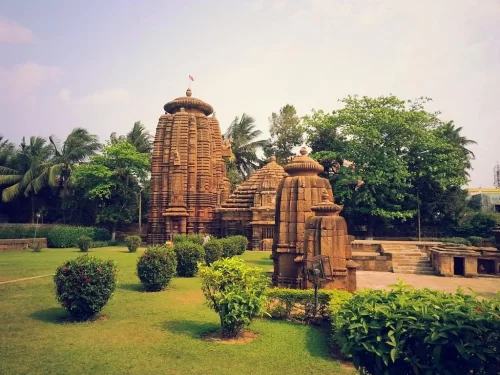
  • Ideal Months: October to March, providing the most pleasant environment for heritage walks and photography of the intricate dance figures and historical inscriptions.
  • Weather Conditions: Expect temperate and dry days with temperatures ranging from 16°C to 28°C; this period offers the best lighting for capturing the shadows and depths of the carvings on the sandstone deul.
  • Periods to Avoid: April to June, when the mercury often surpasses 40°C, making the exposed stone surfaces and the temple interior intensely hot; also, the peak monsoon months (July to September) can lead to moss growth on the ancient stone, which may temporarily obscure fine details and make the grounds muddy.

Navigating Your Visit: How to Reach Brahmeswara Temple

  • By Air: Biju Patnaik International Airport (BBI) is the nearest airport, located approximately 5 km from the temple. Visitors can utilize app-based aggregators like Ola and Uber or pre-paid taxis for a 15-20 minute commute via the Airport Road.
  • By Rail: Bhubaneswar Railway Station (BBS) is the closest major railhead, situated roughly 4 km away. From the station, auto-rickshaws and private cabs are the most efficient means of reaching the temple site in the Tankapani Road area.
  • Road Access: The temple is located in the southeastern part of the city, easily accessible via the Tankapani Road. It is well-connected to the Cuttack-Puri Highway (NH-316), making it a convenient stop for travelers coming from either direction.
  • Last-Mile Connectivity: Local "Mo Bus" services operate on routes toward the Old Town and Tankapani Road. From the nearest bus stop, the temple is within a short walking distance or a 5-minute cycle-rickshaw ride.
  • Travel Conditions: While the temple is located in a quieter residential pocket compared to the Lingaraj complex, the approach road (Tankapani Road) can experience moderate congestion during evening peak hours. The temple grounds are open from sunrise to sunset.

What to Expect When You Visit Brahmeswara Temple

  • Environment and Surroundings: This 11th-century temple is situated within a well-maintained, walled garden complex in a quieter residential area of Bhubaneswar. The site features a central shrine surrounded by four smaller subsidiary shrines at the corners, creating a symmetrical and organized layout. The environment is typically peaceful, though the dark iron-rich sandstone surfaces become significantly hot under direct sunlight, radiating heat into the narrow corridors between the shrines.
  • Facilities and Amenities: As a monument managed by the Archaeological Survey of India (ASI), facilities are limited to basic heritage site infrastructure. There is an information plaque near the entrance and a small manicured lawn area. You will not find food stalls, restrooms, or water dispensaries within the temple walls; these are only available in the surrounding local neighborhood. Visitors are advised to carry their own hydration and sun protection.
  • Accessibility and Movement: The temple grounds are accessed through a traditional stone gateway with a few steps. The courtyard is primarily flat and paved with ancient stone blocks, which can be uneven in places. Accessing the inner sanctum involves navigating narrow doorways and high stone thresholds. The site is not fully wheelchair accessible, and the lack of handrails may pose a challenge for those with significant mobility constraints.
  • Typical Visitor Behavior and Conditions: The temple is less frequented by large tour groups, making it a preferred spot for architecture enthusiasts and those seeking a quiet atmosphere. It remains an active place of worship, so visitors must remove footwear before entering the temple platforms. Photography of the intricate exterior carvings is permitted, but visitors are expected to maintain silence and refrain from touching the delicate stone reliefs to assist in their preservation.
Would you like me to create the HTML for the Rajarani Temple, which is another prime example of this architectural style nearby?

Important Visitor Information for Brahmeswara Temple

  • Crowds and Weather: This 11th-century temple is situated in a quieter residential pocket of Bhubaneswar, typically resulting in fewer tourists than the Lingaraj complex. The open courtyard provides no shade, making the midday heat between March and June particularly intense. The most comfortable experience is during the cool, dry months from October to February.
  • Visiting Hours: The temple is open from 6:00 AM to 8:00 PM. Arriving at sunrise is highly recommended to view the intricate "Pancha-ratha" architectural style and detailed carvings of musicians and dancers in the soft morning light. The temple is especially active on Mondays and during the Maha Shivaratri festival.
  • Dress Code: As an active Hindu shrine, visitors must wear modest clothing that covers shoulders and knees. Footwear must be removed at the entrance to the stone compound. During peak summer, the stone floors become extremely hot; walking on the provided jute mats is necessary to prevent burns.
  • Safety and Cautions: The interior of the sanctum is narrow and poorly ventilated; those with claustrophobia should be mindful during busy prayer times. While the surrounding neighborhood is generally safe, lighting in the immediate vicinity of the temple can be dim after sunset. Be cautious of uneven stone steps leading into the secondary shrines at the four corners of the courtyard.

Photography and Viewpoints at Brahmeswara Temple

  • The Panchayatana Layout: As a classic example of a five-shrine complex, the best viewpoint is from the diagonal corners of the courtyard. This angle allows you to capture the central sanctum (Vimana) framed by the smaller subsidiary shrines, showcasing the symmetrical Kalinga architectural plan.
  • Morning Golden Hour: The temple is built from dark ochre sandstone which glows intensely in early morning light. Arriving between 6:30 AM and 8:30 AM ensures the sunlight hits the eastern facade directly, illuminating the intricate carvings of the Jagamohana (porch) without the harsh shadows of midday.
  • Iconic Sculptural Panels: Use a mid-range zoom lens to focus on the 'Alasa Kanyas' (indolent maidens) and musicians carved into the exterior walls. These high-relief figures are best photographed with side-lighting to emphasize the depth of the stone carvings and the fine details of the ornaments.
  • The Pyramidal Jagamohana Roof: To capture the tiered, receding layers of the porch roof, position your camera at a low angle from the garden perimeter. This perspective highlights the structural transition from the square base to the crowning 'Amalaka' and 'Kalasha'.
  • Photography Restrictions: While exterior photography is generally permitted for tourists, photography inside the inner sanctum is strictly prohibited. As an Archaeological Survey of India (ASI) protected site, the use of drones and professional tripods requires prior official clearance.
  • Crowd and Access Factors: Unlike the nearby Lingaraj Temple, Brahmeswara is located in a quieter residential area and receives fewer tourists. This makes it easier to capture clean architectural shots without people in the frame, especially on weekday mornings.
  • Garden Framing: The temple is enclosed within a walled garden. Utilize the lush green lawn and the low boundary walls to create a natural foreground, which provides a vivid color contrast against the weathered, centuries-old stone masonry.

Near By Attraction

Chausath Yogini Temple Morena Madhya Pradesh Tour Package, Mitaoli hilltop 64 yogini shrines circular open-air Kachchhapaghata 11th century Ekattarso Mahadeva Shiva lingams, ideal Madhya Pradesh heritage tour package. Temple

Chausathi Yogini Temple

Chausathi Yogini Temple is a circular 9th-century stone temple located in Hirapur near Bhubaneswar, Odisha, dedicated to the 64 Yogini deities.

Nandankanan Zoological Park iconic entrance with white tiger and Royal Bengal tiger sculptures amid lush greenery, perfect Odisha wildlife safari tour package.  Zoo

Nandankanan Zoological Park

Nandankanan Zoological Park is a major zoological park and wildlife conservation centre located near Bhubaneswar, known for its large animal enclosures and safari zones.

Lingaraj Temple at Bhubaneswar on clear day, featuring main Kalinga spire with Odisha flag, perfect heritage Bhubaneswar tour package. Temple

Lingaraj Temple

Lingaraj Temple is a major 11th-century Hindu temple in Bhubaneswar dedicated to Lord Shiva, known for its towering Kalinga-style architecture.

Frequently Asked Questions About Brahmeswara Temple

Brahmeswara Temple is located in Bhubaneswar in Odisha, India.
Brahmeswara Temple is known for its detailed Kalinga style architecture and finely carved stone sculptures dedicated to Lord Shiva.
The best time to visit Brahmeswara Temple is from October to March when the weather in Odisha is pleasant for sightseeing.
Visitors can reach Brahmeswara Temple by road from different parts of Bhubaneswar, which has the nearest major airport and railway station in Odisha.
There is generally no significant entry fee to visit Brahmeswara Temple, though local guidelines may apply.
Brahmeswara Temple is usually open during daytime hours and remains accessible throughout the day.
Around one hour is usually sufficient to explore the temple structure and surrounding area at Brahmeswara Temple.
Brahmeswara Temple is suitable for photography due to its intricate carvings and well preserved architecture.
Official guides may not always be available at Brahmeswara Temple, but visitors can arrange licensed guides in Bhubaneswar if required.
Brahmeswara Temple is suitable for families as it offers open space and manageable walking access.
Tourists can find hotels and guesthouses in Bhubaneswar, Odisha, within a short driving distance of Brahmeswara Temple.

Loved this place ? Let’s Plan Your Odisha Trip

Get customized Odisha tour planning designed around temple visit timing, coastal weather patterns, wildlife seasonality, and realistic travel pacing across regions. Whether you are visiting for spiritual journeys, heritage architecture, beach relaxation,

⚡ Quick Response | 💰 Free consultation | 🕒 24×7 expert support

×

Plan Your Trip