Quick Facts About Visapur Fort
Quick Facts About Visapur Fort Lonavala
| Entry Fee | No entry fee |
|---|---|
| Timings | 7:00 AM – 5:00 PM (daily) |
| Altitude (m) | 1084 m |
| Ideal Visit Duration | 3–5 hours |
| Best Time of Day | Early morning for cooler trek and views |
| Crowd Level | Moderate–High (popular trekking spot, especially weekends) |
| Distance from City Centre (km) | 15 km (from Lonavala town centre) |
| Walking Difficulty | Challenging (steep and rocky trekking trails) |
| Parking Available | Yes (parking at base village) |
| Last Mile Access | Taxi/auto to base village; trek to fort top |
| Suitable for Kids | Limited (strenuous trek; supervision required) |
| Suitable for Seniors | Limited (steep terrain and long climb) |
| Wheelchair Friendly | No |
Why Visit Visapur Fort Lonavala
Why Visit
Visapur Fort is a historic hill fort located near Lonavala in Maharashtra, built in the early 18th century during the Maratha Empire, traditionally attributed to Balaji Vishwanath, the first Peshwa of the Maratha Confederacy (historical attribution; exact construction year not officially verified). Situated at a higher elevation than the neighbouring Lohagad Fort, Visapur offers commanding views of the Sahyadri ranges and surrounding valleys. Visitors come to explore its expansive plateau and rich Maratha-era heritage.
Atmosphere
The atmosphere is rugged, windswept, and panoramic, particularly appealing to trekking enthusiasts. During the monsoon season, the fort is enveloped in mist and lush greenery, creating dramatic scenery across the Western Ghats. The wide fort top, scattered ruins, and natural water cisterns contribute to an immersive historic trekking experience.
What Makes it Special
What makes Visapur Fort special is its large fortified walls, bastions, and remnants of ancient structures spread across a broad hilltop plateau. The fort played a strategic role during the Anglo-Maratha conflicts and was later occupied by British forces. Its combination of historical depth, expansive views, and adventurous access routes makes it one of the most rewarding forts to explore near Lonavala.
History of Visapur Fort Lonavala
Visapur Fort is located near Lonavala in Pune district, Maharashtra, and stands on a high plateau within the Sahyadri (Western Ghats) range. The fort was constructed in the early 18th century, around 1713–1720, under the Maratha ruler Balaji Vishwanath, the first Peshwa of the Maratha Empire.
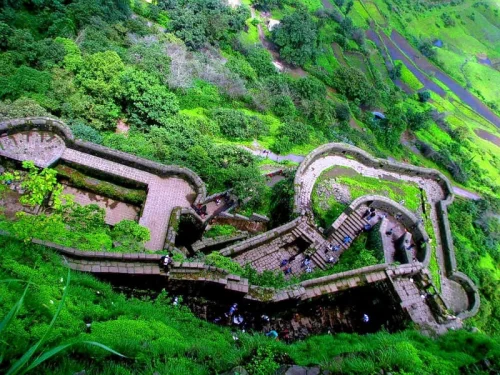
Strategically positioned close to the older Lohagad Fort, Visapur was built to strengthen Maratha control over the Bor Ghat trade route, which connected the Konkan coast to the Deccan plateau. The fort features large ramparts, water cisterns, caves, and bastions, reflecting the military architecture of the Maratha period designed to withstand prolonged sieges.
In 1818, during the Third Anglo-Maratha War, Visapur Fort was captured and partially destroyed by the British, marking the decline of Maratha power in the region. Today, the fort stands as an important historical monument near Lonavala, symbolizing the strategic military heritage of the Maratha Empire in the Western Ghats.
Best Time to Visit – Visapur Fort Lonavala
The best time to visit Visapur Fort near Lonavala, Maharashtra, is from October to February, when the weather is pleasant and ideal for trekking and exploring the expansive hill fort. During these months, temperatures are moderate and visibility is clear, making it comfortable to walk along the fortifications and enjoy panoramic views of the Sahyadri ranges.
- October–November: Post-monsoon greenery with clear skies—ideal for scenic treks and photography.
- December–January: Coolest and most comfortable season—best for extended fort exploration.
- February: Pleasant weather continues—morning visits are recommended.
- March–May (Summer): Warm and dry; early morning treks are more manageable.
- June–September (Monsoon): Lush green landscapes enhance beauty, but trekking trails may be slippery during heavy rainfall.
Best time of day: 6:00 AM to 10:00 AM for cooler temperatures and clearer hill views.
- Heritage tip: Explore the fort’s massive stone walls, water cisterns, and bastions built during the Maratha period.
- Photography tip: Early morning light enhances panoramic valley and fort views.
- Visitor note: Wear sturdy footwear suitable for trekking terrain.
How to Reach Visapur Fort Lonavala
Visapur Fort is located near Malavli village, about 12–14 km from Lonavala in Maharashtra. Built in the early 18th century and associated with the Maratha Empire, the hill fort is accessible by road up to the base and then by trekking to the top.
- By Air (Nearest airports): The nearest airports are Pune International Airport (approximately 60–65 km) and Chhatrapati Shivaji Maharaj International Airport, Mumbai (approximately 95 km). From either airport, hire a taxi or app-based cab to Lonavala/Malavli. Travel time ranges from 1.5 to 2.5 hours depending on traffic.
- By Train (Nearest railway station): Malavli Railway Station is the closest station, about 3–4 km from the base village. Lonavala Railway Station is another major railhead about 12 km away. From either station, take a taxi or auto-rickshaw to reach the trekking starting point.
- By Road: Visapur Fort is accessible via the Mumbai–Pune Expressway and old Mumbai–Pune Highway (NH 48). Take the Malavli exit and proceed toward Patan village or Bhaje village depending on the chosen trekking route.
- Taxi / Private Cab: Hiring a taxi from Lonavala is a convenient option, especially for groups planning a day trek.
- Self-drive: Self-driving is convenient via expressway routes. Limited parking is available near the base villages.
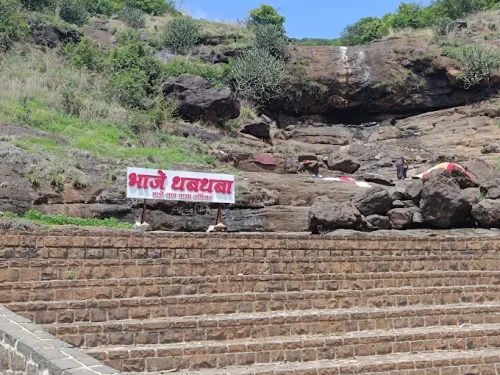
- Trekking access: Visitors must trek from the base village to reach the fort top. The trek typically takes 1.5 to 2 hours depending on the route and fitness level.
- Travel tips (EEAT): The fort is especially scenic during monsoon but paths can be slippery. Wear sturdy footwear, carry sufficient water, and avoid trekking during heavy rain or poor visibility conditions.
What to Expect When You Visit Visapur Fort Lonavala
Visapur Fort, located near Lonavala in Pune district, Maharashtra, is a historic hill fort built in the early 18th century by the Maratha Empire, traditionally attributed to Balaji Vishwanath. Situated at a higher elevation than the neighboring Lohagad Fort, Visapur offers expansive Sahyadri views, rugged fortifications, and a moderately challenging trekking experience rather than a preserved palace complex.
- Maratha-era hill fort: the fort reflects 18th-century Deccan military architecture and strategic hilltop positioning.
- Elevated panoramic views: expect sweeping vistas of Lohagad Fort, Pawna Lake, and surrounding Sahyadri valleys.
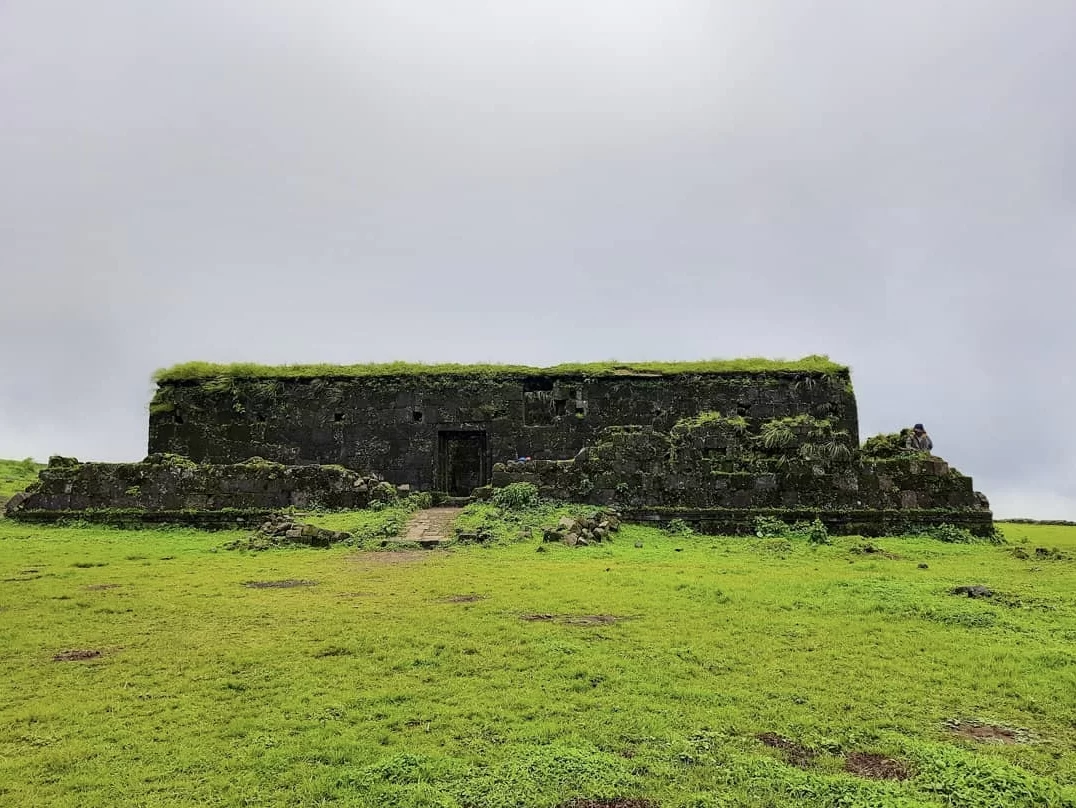
- Long fort walls and bastions: remnants of stone ramparts and watchtowers are visible across the plateau.
- Moderate to challenging trek: reaching the fort involves an uphill trek through forested and rocky paths.
- Monsoon greenery transformation: during monsoon, the trail and plateau turn lush but can become slippery.
- Ruined structures and water cisterns: stone foundations and ancient water storage tanks remain visible.
- Windy open plateau terrain: the top area is broad and exposed to strong winds.
- Photography-friendly landscape: fort walls, misty hills, and valley views provide dramatic visuals.
- Lower crowd than Lohagad: generally less crowded but still popular on weekends.
- Half-day trekking excursion: most visitors spend several hours including ascent and descent.
Tip for a smoother visit: start early morning to avoid heat, wear sturdy trekking footwear especially during monsoon, carry sufficient water, and check weather conditions before attempting the climb.
Important Visitor Information – Visapur Fort, Lonavala
- Crowd & Weather Notes: Visapur Fort attracts trekkers and tourists throughout the year, with heavy footfall during monsoon (June to September), weekends, and peak tourist season (October to February). Lonavala has a tropical wet and dry climate; summers (March to May) can be warm, monsoon months bring heavy rainfall, mist, and slippery trails, while winters are pleasant for trekking.
- Peak / Quiet Hours: Peak hours are early morning and late afternoon when trekking groups arrive. For a quieter experience, start early on weekdays.
- Dress Code: No formal dress code applies. Wear comfortable trekking attire and sturdy, non-slip footwear suitable for steep climbs and rocky terrain.
- Safety Notes: Exercise caution on steep paths, fort walls, and cliff edges. Avoid trekking during heavy rain due to slippery conditions. Carry sufficient water, follow local advisories, and keep personal belongings secure.
Photography and Viewpoint – Visapur Fort Lonavala
Visapur Fort, located near Lonavala in Maharashtra, stands at an elevation of approximately 1,084 meters in the Sahyadri range. Built during the early 18th century under the Maratha Empire, the fort is larger and at a higher elevation than its twin fort Lohagad. Known for its massive stone walls, bastions, water cisterns, and panoramic valley views, Visapur offers strong opportunities for hilltop landscape, monsoon mist, and heritage-ruin photography.
- Best light for photography: Sunrise provides soft golden illumination over surrounding valleys, while sunset creates layered hill silhouettes.
- Fort-wall perspective shots: Use long stone ramparts and bastions as leading lines to add depth and scale.
- Wide vs. telephoto strategy: Wide lenses capture expansive Sahyadri landscapes, while telephoto lenses isolate distant hill layers and valley textures.
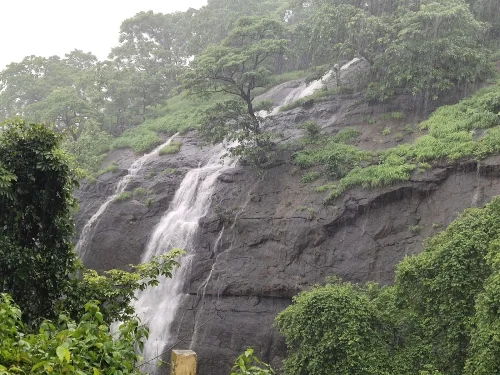
- Monsoon mood frames: Lush greenery, drifting mist, and seasonal waterfalls enhance dramatic atmospheric imagery.
- Water cistern detail photography: Highlight rock-cut water tanks and stone textures reflecting Maratha-era engineering.
- Silhouette & trekking compositions: Include trekkers along fort edges to convey scale against vast landscapes.
- Mobile photography tips: Use gridlines for straight horizons, stabilize in windy conditions, and slightly underexpose during bright skies.
- Crowd & timing awareness: Early morning visits provide quieter surroundings and clearer panoramic viewpoints.
- Seasonal visibility notes: Post-monsoon months offer lush visuals, while winter provides clearer long-distance views.
- Responsible heritage photography: Avoid climbing fragile structures, respect historical remains, and follow local trekking safety guidelines.