Lohagad Fort, Lonavala, Pune District, Maharashtra, India

Lohagad Fort , Lonavala
Built during different periods of Maratha and earlier regional rule, Lohagad Fort is known for its strategic location in the Sahyadri mountain range and well-preserved fort structures. Visitors come for trekking, historical exploration, and views of the surrounding valleys and nearby Visapur Fort.

Quick Facts About Lohagad Fort

Lohagad Fort, Maharashtra Quick Facts

Entry Fee No entry fee.
Timings Generally open from sunrise to sunset.
Altitude (m) Approximately 1,033 m
Ideal Visit Duration 2–3 hours
Best Time of Day Morning for cooler temperatures, fewer crowds, and comfortable trekking conditions.
Crowd Level Moderate on weekdays; high during weekends, monsoon, and public holidays.
Distance from City Centre (km) Approximately 15 km from Lonavala town centre.
Walking Difficulty Easy to moderate; the fort requires an uphill walk with stone steps, especially from the base village.
Parking Available Yes, parking is available near the Lohagadwadi village base.
Last Mile Access Motorable road reaches Lohagadwadi village, followed by a trek on stone steps to the fort entrance.
Suitable for Kids Yes, with supervision during the climb and near fort edges.
Suitable for Seniors Yes, if comfortable with uphill walking and steps; assistance may be needed.
Wheelchair Friendly No; the fort route includes steps and uneven rocky terrain.

Why Visit Lohagad Fort, Maharashtra

Visitors come to Lohagad Fort to explore a historic hill fort known for its strong fortifications, scenic location, and connection with the Maratha period. The fort attracts trekkers, history enthusiasts, and travelers looking for an accessible heritage experience near Lonavala and Pune.

The atmosphere at Lohagad Fort is refreshing, with open hilltop spaces, rocky pathways, greenery during the monsoon, and wide views of the surrounding Sahyadri landscape. The trek to the fort is relatively moderate, making it suitable for many first-time trekkers.

What makes Lohagad Fort distinct is its well-preserved structure, including the four main gates and the long fortified ridge known as Vinchu Kata. Its combination of historical importance, manageable trekking route, and panoramic views makes it one of Maharashtra's popular hill forts.

History of Lohagad Fort, Maharashtra

Lohagad Fort is a historic hill fort located near Lonavala in the Pune district of Maharashtra. The fort has a long history dating back to the medieval period and was controlled by several dynasties, including the Yadavas, Bahamanis, Nizamshahi rulers, and Adilshahi rulers before becoming part of the Maratha Empire.

Chhatrapati Shivaji Maharaj captured Lohagad in 1648, and the fort became an important part of the Maratha defensive network in the Sahyadri mountains. It was later handed over to the Mughals under the Treaty of Purandar in 1665 and was recaptured by the Marathas in 1670. During the Peshwa period, the fort was used to store valuables, including treasure captured during Maratha campaigns.

Today, Lohagad Fort is a protected heritage site and a popular trekking destination. Its historical structures, including gateways, fort walls, and the famous Vinchu Kata ridge, provide visitors with insight into the military architecture and strategic importance of Maratha-era hill forts.

Best Time to Visit Lohagad Fort, Maharashtra

The best time to visit Lohagad Fort is from October to February, when the weather is pleasant for trekking and exploring the historic fort structure. The monsoon season also attracts visitors due to lush greenery and misty surroundings, but the trail can become slippery during heavy rainfall.

  • Ideal months: October to February for comfortable trekking, clear views, and easier exploration of the fort area.
  • Best season conditions: Cool and dry weather provides suitable conditions for climbing the fort steps, walking along the fort walls, and enjoying views of the surrounding Sahyadri landscape.
  • Periods to avoid: June to September if you are not comfortable trekking in wet conditions, as heavy monsoon rain can make pathways and steps slippery. Summer months (March to May) can be hot during daytime, especially while climbing.

How to Reach Lohagad Fort, Maharashtra

  • Nearest Airport: The nearest airport is Pune International Airport, approximately 65 km from Lohagad Fort. Taxis and private vehicles are available from Pune for the journey towards Lonavala and Malavli.
  • Nearest Railway Station: Malavli Railway Station, around 5 km from the fort base, is the nearest railway station with local train connectivity from Pune and Lonavala. Lonavala Railway Station, about 15 km away, offers better connectivity with Mumbai and Pune.
  • By Road: Lohagad Fort is located near Malavli village in the Lonavala region of Maharashtra. The fort is accessible by road from Pune, Mumbai, and Lonavala via the Mumbai–Pune Expressway and local roads. Visitors can reach the Lohagadwadi village parking area by private vehicle, taxi, or local transport, followed by a climb of stone steps to the fort entrance. The trekking route is easy to moderate, but steps and pathways can become slippery during the monsoon season.

What to Expect When You Visit Lohagad Fort, Maharashtra

  • Lohagad Fort is a historic hill fort located near Lonavala in Pune district, Maharashtra. The fort is known for its Maratha-era history, stone gateways, fort walls, and views of the surrounding Sahyadri landscape.
  • The fort is reached through a combination of road travel and a walk from the base village. The final approach includes stone steps and uphill sections, requiring moderate physical effort.
  • The fort plateau has open spaces, old fort structures, water tanks, and viewpoints. Visitors should expect a historical site with natural surroundings rather than a fully developed tourist facility.
  • Basic facilities such as parking areas, local food stalls, and small shops are available near the base villages. Restrooms and other amenities are limited on the fort itself.
  • The fort is especially popular during the monsoon when the surrounding hills become green. Weekends and holidays can be crowded, particularly during the rainy season and trekking season.
  • The walking route is generally manageable for regular trekkers, but stone steps and pathways can become slippery during monsoon. Comfortable trekking shoes with good grip are recommended.
  • Photography is popular at Lohagad Fort, with viewpoints offering views of valleys, nearby hills, and the historic fort structure. Visitors should avoid climbing unsafe edges or damaged fort walls.
  • Weather conditions on the hill can change quickly. Carrying drinking water, rain protection during monsoon, and sun protection during summer is advisable for a comfortable visit.

Important Visitor Information for Lohagad Fort, Maharashtra

  • Crowd and weather: Lohagad Fort receives the highest number of visitors during the monsoon and winter seasons, especially on weekends and public holidays. The monsoon brings lush greenery but also makes the stone steps and pathways slippery due to rain and mist.
  • Peak and quiet visiting hours: Early morning is the best time to explore the fort with fewer crowds and cooler temperatures. Visitor numbers usually increase from late morning to afternoon, particularly during weekends and trekking season.
  • Dress code: There is no specific dress code. Wear comfortable trekking clothes and sturdy footwear with good grip, as the fort involves walking on uneven terrain, stone steps, and sloping paths.
  • Safety and practical cautions: The fort trail includes steep sections, exposed areas, and slippery surfaces during the rainy season. Walk carefully on wet steps, avoid standing near unprotected edges, and carry sufficient water during the climb. Follow local guidelines and avoid damaging the historic fort structures.

Photography and Viewpoints at Lohagad Fort, Maharashtra

  • The fort ramparts and Vinchu Kata (Scorpion's Tail) section provide the most popular viewpoints for capturing panoramic views of the Sahyadri ranges, valleys, and surrounding landscape.
  • The fort gates, stone pathways, water tanks, and ancient walls offer strong architectural photography opportunities while showcasing the Maratha-era fort structure.
  • Early morning provides clearer visibility for distant mountain views, while late afternoon creates softer light on the fort walls and landscape. During the monsoon, mist and greenery add seasonal character but may reduce visibility.
  • Photography is generally permitted throughout the fort area. Visitors should avoid climbing unstable walls, entering restricted sections, or using drones without necessary permissions.
  • The fort receives high visitor numbers during monsoon weekends, holidays, and trekking seasons. Reaching early helps avoid crowds and provides better access to viewpoints, especially at Vinchu Kata.

Near By Attraction

Bhaje Waterfall near Lonavala featuring tiered stone steps, rocky cliff terrain, and scenic hills, perfect Lonavala tour package experience. Waterfall

Bhaje Waterfall

Bhaje Waterfall is a seasonal waterfall located near Bhaje village in the Lonavala region of Pune district, Maharashtra, India.

Shingroba Waterfall near Khandala featuring streams flowing down dark rocky cliffs and surrounded by dense green forest, perfect Lonavala tour package experience. Waterfall

Shingroba Waterfall

Shingroba Waterfall is a seasonal waterfall located in the Western Ghats region of Maharashtra, India.
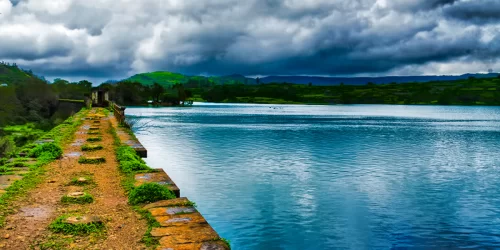
Valvan Lake View Point in Lonavala featuring calm reservoir waters and lush green hills under a cloudy sky, perfect nature experience with Lonavala tour package. Viewpoint

Valvan Lake View Point

Valvan Lake View Point is a scenic viewpoint located near Valvan Lake in Lonavala, Maharashtra, offering views of the reservoir and surrounding hills of the Western Ghats.

Frequently Asked Questions About Lohagad Fort

Lohagad Fort is famous for its well preserved Maratha era architecture, historical significance, scenic hilltop views, and popular trekking route. It is one of the most visited forts near Lonavala for history lovers and nature enthusiasts.
The fort features massive stone gateways, ancient fortifications, the iconic Vinchu Kata ridge, and panoramic views of the Sahyadri hills. Its blend of history and natural beauty attracts visitors throughout the year.
Lohagad Fort has a history dating back many centuries and gained prominence during the reign of Chhatrapati Shivaji Maharaj. It served as an important strategic fort due to its commanding location.
Lohagad Fort is generally open from early morning until evening. Starting the trek early helps visitors avoid midday heat and enjoy clearer views from the summit.
The best time to visit is from October to March for pleasant weather. The monsoon season offers lush greenery but the trekking route becomes slippery and requires extra caution.
There is generally no entry fee to visit Lohagad Fort. Visitors should check for any updated charges or regulations issued by local authorities before travelling.
Visitors can reach Lohagad Fort by private car, tourist vehicle, or local cab via Malavli. Auto rickshaws are available from nearby railway stations to the base village, followed by a trek to the fort.
Parking is available near the base village for private cars and tourist vehicles. Visitors must walk uphill from the parking area to reach the fort entrance.
The nearest airport is Pune International Airport, approximately 70 km away. Private cars, tourist vehicles, and local cabs provide convenient onward transport.
The nearest railway station is Malavli Railway Station, about 5 km from the fort base. Local cabs and auto rickshaws are available for the remaining journey.
Lohagad Fort is suitable for families with active children. Senior citizens who are comfortable with uphill walking can visit, but the trek may be challenging for those with mobility limitations.
Photography is generally allowed throughout Lohagad Fort for personal use. Visitors should stay behind safety barriers and avoid climbing onto dangerous edges while taking photographs.
Wear sturdy footwear, carry sufficient drinking water, avoid trekking during severe weather, stay on marked trails, and be cautious on slippery steps during the monsoon season.
No permit is required to visit Lohagad Fort. Visitors can explore the fort during public visiting hours while following heritage conservation and safety guidelines.
Nearby attractions include Visapur Fort, Bhaja Caves, Karla Caves, Pawna Lake, Rajmachi Fort, and Lonavala viewpoints, making it easy to plan a full day of sightseeing.

Loved this place ? Let’s Plan Your Maharashtra Trip

Get customized Maharashtra tour planning designed around seasonal weather shifts, long-distance road travel flow, hill station comfort, coastal timing, and heritage exploration pacing. Whether you are visiting for historic caves, spiritual journeys, beach

⚑ Quick Response | πŸ’° Free consultation | πŸ•’ 24Γ—7 expert support

×

Plan Your Trip

