Sanjay Gandhi National Park, Mumbai – The Urban Forest and Wildlife Sanctuary of Maharashtra

Sanjay Gandhi National Park , Mumbai
Sanjay Gandhi National Park is one of the largest national parks located within a metropolitan city and spans across northern Mumbai. The park is home to diverse wildlife including leopards, deer, monkeys, and numerous bird species. It also houses the historic Kanheri Caves, a group of ancient Buddhist rock-cut caves dating back over two millennia. With nature trails, safari rides, and lush landscapes, the park serves as a major ecological and recreational attraction in Mumbai.

Quick Facts About Sanjay Gandhi National Park

Quick Facts About Sanjay Gandhi National Park Mumbai

Entry Fee Indian adults 85 | Children 45 | Foreign nationals 400
Timings 7:30 AM – 6:30 PM (Closed on Mondays)
Altitude (m) 30–450 m
Ideal Visit Duration 3–5 hours
Best Time of Day Morning for wildlife activity and cooler weather
Crowd Level Moderate–High (busy on weekends and holidays)
Distance from City Centre (km) 25 km (from South Mumbai city centre)
Walking Difficulty Easy–Moderate (large park with walking trails and safari routes)
Parking Available Yes (designated parking near main gate)
Last Mile Access Taxi/auto/local train to Borivali; short walk to main entrance
Suitable for Kids Yes (safari rides and open natural spaces)
Suitable for Seniors Yes (vehicle safari and internal transport available)
Wheelchair Friendly Limited (entry areas accessible; forest trails not accessible)

Why Visit Sanjay Gandhi National Park Mumbai

Why Visit

Sanjay Gandhi National Park (SGNP), located in the northern part of Mumbai, Maharashtra, is one of the few national parks in the world situated within a major metropolitan area. Established in 1969 and covering over 100 square kilometres (approximate area; official figures may vary slightly), the park protects diverse flora and fauna, including leopards, deer species, and numerous bird varieties. Visitors come to experience forest trails, wildlife habitats, and a rare green sanctuary within city limits.

Atmosphere

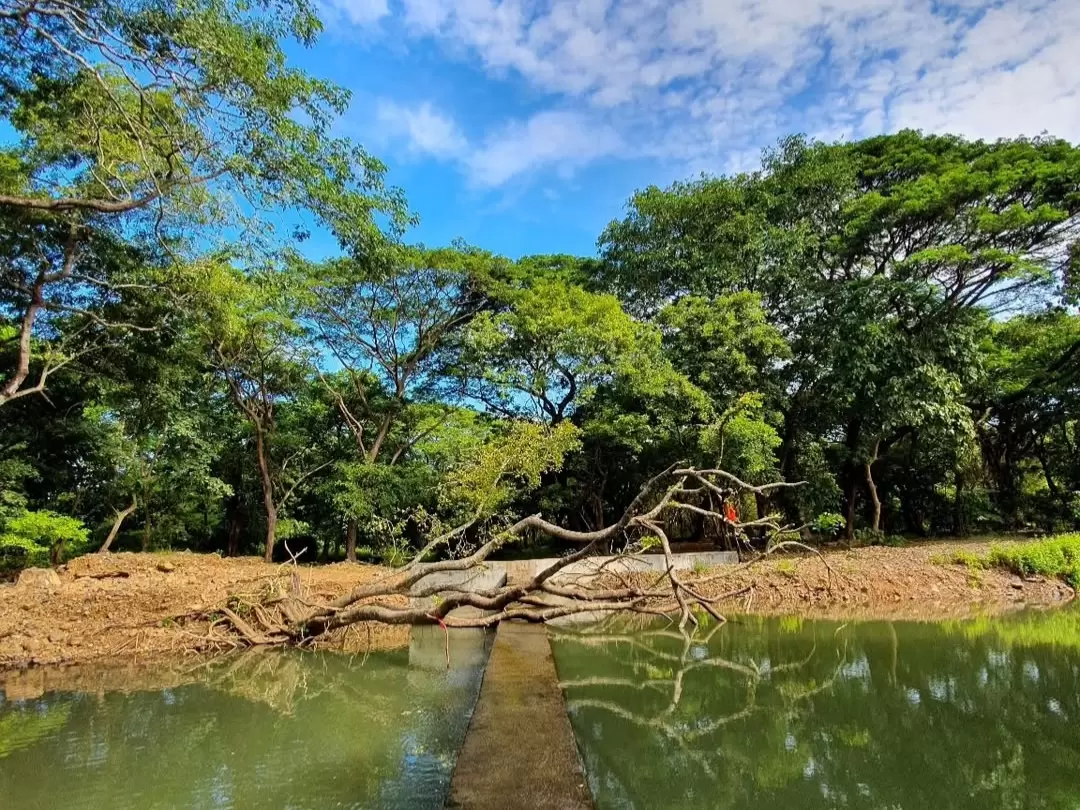
The atmosphere is green, expansive, and nature-oriented, offering a sharp contrast to Mumbai’s urban density. Dense forest cover, walking trails, and designated safari zones create an immersive environment for outdoor activities. Early mornings are especially ideal for birdwatching and cooler exploration, while weekends can be more active with families and cyclists.

What Makes it Special

What makes Sanjay Gandhi National Park special is its integration of natural forest, wildlife conservation, and ancient heritage sites such as the Kanheri Caves, which date back to the 1st century BCE–10th century CE. The presence of leopards within a city-bound ecosystem highlights its ecological significance. Its combination of biodiversity, archaeological heritage, and accessibility makes it one of India’s most unique urban national parks.

History of Sanjay Gandhi National Park Mumbai

Sanjay Gandhi National Park is located in the northern part of Mumbai, Maharashtra, and is one of the largest protected forest areas within a major metropolitan region in India. The region historically formed part of the forested tracts of the Western Ghats foothills, supporting indigenous communities and rich biodiversity long before urban expansion reached its boundaries.

The area was declared a protected forest in the mid-20th century and was later established as Borivali National Park in 1969. In 1981, it was renamed Sanjay Gandhi National Park in honor of Sanjay Gandhi. The park encompasses diverse ecosystems, including moist deciduous forests, grasslands, and freshwater bodies, providing habitat for numerous species including leopards and various birdlife.

Within its boundaries lie the ancient Kanheri Caves, dating from the 1st century BCE to the 10th century CE, reflecting the park’s layered cultural and ecological history. Today, Sanjay Gandhi National Park stands as a vital green lung for Mumbai, representing the coexistence of urban development and environmental conservation.

Best Time to Visit – Sanjay Gandhi National Park Mumbai

The best time to visit Sanjay Gandhi National Park in Mumbai, Maharashtra, is from November to February, when the weather is pleasant and suitable for outdoor exploration. During these months, temperatures are moderate and humidity is lower, making it comfortable for nature walks, cycling, safari rides, and visits to the ancient Kanheri Caves within the park.

  • November–December: Cool and comfortable weather—ideal for trekking and wildlife spotting.
  • January–February: Most pleasant season—best for exploring forest trails and Kanheri Caves.
  • March: Warmer conditions begin—morning visits are recommended.
  • April–May (Summer): Hot and humid; early morning visits are more manageable.
  • June–September (Monsoon): Heavy rainfall transforms the park into a lush green landscape, but some trails and safari services may be temporarily restricted during intense showers.

Best time of day: 7:30 AM to 11:00 AM is ideal for visiting Sanjay Gandhi National Park, as wildlife is more active and temperatures are cooler.

  • Wildlife tip: Early visits increase chances of spotting deer, birds, and other fauna.
  • Heritage tip: Allocate time to explore the Kanheri Caves, an important Buddhist rock-cut complex within the park.
  • Visitor note: The park is typically closed on Mondays—verify official timings before planning your visit.

How to Reach Sanjay Gandhi National Park Mumbai

Sanjay Gandhi National Park is located in Borivali East, Mumbai, Maharashtra. Spread across a vast forested area in the northern part of the city, the park is one of the most visited national parks in India and is easily accessible by road and suburban rail.

  • By Air (Nearest airport): The nearest airport is Chhatrapati Shivaji Maharaj International Airport, Mumbai, approximately 15–18 km away. From the airport, hire a taxi or app-based cab to Borivali East. Travel time is about 45–75 minutes depending on traffic.
  • By Train (Nearest railway station): The closest suburban railway station is Borivali (Western Line), located about 1 km from the park’s main entrance. From Borivali East, the park can be reached by walking or a short auto-rickshaw ride.
  • By Metro: Mumbai Metro connectivity in the western suburbs is expanding; visitors typically use suburban rail up to Borivali and continue by road to the park entrance.
  • By Road: The park is accessible via the Western Express Highway. BEST buses operate frequently to Borivali East and nearby stops close to the main gate.
  • Taxi / Auto-rickshaw: Taxis and auto-rickshaws are widely available in Borivali and surrounding suburbs. Request drop-off at Sanjay Gandhi National Park Main Gate.
  • Self-drive: Self-driving is convenient via Western Express Highway. Parking facilities are available near the entrance, though they may be crowded during weekends and public holidays.
  • Travel tips (EEAT): The park is generally closed on Mondays. Visit during early morning hours for better wildlife activity and cooler weather. Confirm safari and Kanheri Caves timings in advance, especially during monsoon season.

What to Expect When You Visit Sanjay Gandhi National Park Mumbai

Sanjay Gandhi National Park, located within Mumbai, Maharashtra, is one of the few national parks situated inside a major metropolitan city. Spread across a large protected forest area, the park is known for its biodiversity, trekking trails, Kanheri Caves, and regulated safari zones, offering a structured nature and heritage experience rather than a remote wilderness expedition.

  • Urban national park setting: expect dense forest cover and wildlife habitat within Mumbai city limits.
  • Kanheri Caves heritage site: ancient Buddhist rock-cut caves within the park add archaeological significance to the visit.
  • Lion and tiger safari zone: designated safari areas allow controlled wildlife viewing from secure vehicles.
  • Cycling and walking trails: paved internal roads are popular for cycling, jogging, and nature walks.
  • Rich biodiversity: the park supports diverse flora, birds, deer species, and occasional sightings of larger wildlife.
  • Seasonal greenery variation: monsoon months transform the landscape into lush green terrain, while summers are drier.
  • Regulated entry and timing: access is controlled by park authorities with specific operating hours.
  • Moderate to extensive walking required: exploring caves and forest trails involves physical activity.
  • Weekend crowd increase: being within city limits, the park attracts significant visitors on holidays.
  • Educational and eco-tourism focus: signage and conservation initiatives promote environmental awareness.

Tip for a smoother visit: arrive early morning for cooler weather and better wildlife activity, carry water and comfortable footwear, check safari and cave access timings in advance, and allocate at least half a day for a meaningful experience.

Important Visitor Information – Sanjay Gandhi National Park, Mumbai

  • Crowd & Weather Notes: Sanjay Gandhi National Park experiences heavy footfall during weekends, school holidays, and peak tourist season (November to February). Mumbai has a tropical coastal climate; summers (March to May) are hot and humid, monsoon months (June to September) bring heavy rainfall and lush greenery, while winters are relatively pleasant for outdoor visits.
  • Peak / Quiet Hours: Peak hours are late morning to early afternoon when families and tour groups arrive. Early morning soon after opening is quieter and better for wildlife sightings and cycling activities.
  • Dress Code: No formal dress code applies. Wear light, breathable clothing suitable for outdoor conditions and comfortable walking or trekking shoes. Neutral colors are recommended for wildlife areas.
  • Safety Notes: Follow park and forest department guidelines strictly. Do not feed or disturb wildlife. Stay on designated trails, carry sufficient water, supervise children closely, and be cautious of uneven terrain and monkeys within the park.

Photography and Viewpoint – Sanjay Gandhi National Park Mumbai

Sanjay Gandhi National Park (SGNP), located in the northern part of Mumbai, Maharashtra, is one of the largest protected urban national parks in the world. Spread across forested hills of the Western Ghats extension, the park is known for its biodiversity, Kanheri Caves, walking trails, and safari zones. Photography here blends wildlife observation, forest landscapes, and heritage rock-cut architecture within a regulated eco-sensitive zone.

  • Best light for photography: Early morning provides softer forest light and higher chances of wildlife movement.
  • Wildlife-focused framing: Use telephoto lenses to capture deer, monkeys, birds, and other fauna from safe distances without disturbance.
  • Forest trail compositions: Frame tree-lined paths and natural canopy light for immersive woodland perspectives.
  • Kanheri Caves context shots: Capture rock-cut cave façades and surrounding greenery to combine heritage and nature in one frame.
  • Wide vs. telephoto strategy: Wide lenses capture forest landscapes and lake views, while telephoto lenses isolate wildlife and architectural carvings.
  • Reflection & lake photography: Photograph Tulsi and Vihar lake areas during calm conditions for reflective compositions.
  • Mobile photography tips: Use burst mode for wildlife movement, avoid digital zoom, and stabilize shots along uneven trails.
  • Seasonal visual character: Post-monsoon months enhance lush greenery, while drier months improve visibility within dense forest areas.
  • Crowd & timing awareness: Weekday mornings provide quieter trails and cleaner wildlife frames.
  • Responsible wildlife photography: Avoid flash, remain on designated paths, follow forest department guidelines, and prioritize ethical observation.

Near By Attraction

Juhu Beach Mumbai golden hour skyline crowd fishing boats Arabian Sea palm trees, perfect Mumbai beach sunset street food celebrity spotting package.  Beach

Juhu Beach

Juhu Beach is one of Mumbai’s most famous beaches, known for its lively atmosphere and scenic Arabian Sea views.

Cave interior at Kanheri Caves Mumbai Maharashtra during dim light, featuring stupa, carved pillars, vaulted ceiling, perfect heritage experience Mumbai tour package.  Cave

Kanheri Caves

Kanheri Caves is a historic group of rock-cut Buddhist caves in Mumbai, known for its ancient sculptures and monastic heritage.

Kamala Nehru Park Mumbai. Popular Malabar Hill park featuring the iconic Old Woman’s Shoe and city views. Adventure Park

Kamala Nehru Park

Kamala Nehru Park is a popular hilltop garden in Mumbai, known for its iconic Boot House and panoramic city views.

Frequently Asked Questions About Sanjay Gandhi National Park

Sanjay Gandhi National Park is located in Borivali in Mumbai Maharashtra. It is one of the largest national parks situated within a major metropolitan city.
Sanjay Gandhi National Park can be reached by local train to Borivali followed by a short auto or bus ride to the main gate. Taxis and app based cabs are also easily available from different parts of Mumbai.
The best time to visit Sanjay Gandhi National Park is between November and February when the weather remains relatively pleasant for outdoor activities. Early mornings offer cooler temperatures and better wildlife spotting chances.
Sanjay Gandhi National Park is popular for its forest trails Kanheri Caves safari rides and biodiversity. It provides a natural escape from the busy city environment.
Sanjay Gandhi National Park is suitable for family visits as it offers open green spaces cycling tracks and designated visitor zones. Children and elderly visitors can explore comfortably within permitted areas.
There are no accommodations inside Sanjay Gandhi National Park but several hotels are available in Borivali and other nearby Mumbai suburbs. South Mumbai and Andheri also offer a wide range of lodging options.
Sanjay Gandhi National Park provides facilities including entry gates ticket counters restrooms cycling rentals safari options and food stalls near main areas. Basic medical and security services are also available.
Most travelers spend three to five hours at Sanjay Gandhi National Park exploring Kanheri Caves enjoying nature trails or taking safari rides. It can also be planned as a half day visit.
Sanjay Gandhi National Park can be crowded during weekends public holidays and school vacations. Visiting on weekdays usually offers a more relaxed experience.
Travelers visiting Sanjay Gandhi National Park should carry drinking water comfortable walking shoes sun protection and insect repellent. Following park rules and avoiding restricted zones is important for safety.

Loved this place ? Let’s Plan Your Maharashtra Trip

Get customized Maharashtra tour planning designed around seasonal weather shifts, long-distance road travel flow, hill station comfort, coastal timing, and heritage exploration pacing. Whether you are visiting for historic caves, spiritual journeys, beach

⚡ Quick Response | 💰 Free consultation | 🕒 24×7 expert support

×

Plan Your Trip