Lonar Lake, Lonar, Buldhana District, Maharashtra, India

Lonar Lake , Mumbai
Created around 52,000 years ago by a meteorite impact in basaltic rock, Lonar Lake is recognized for its geological significance, unique ecosystem, and surrounding historic temples. Visitors come to explore the crater, observe its distinctive alkaline and saline waters, and experience one of the world\'s few hypervelocity impact craters in basalt.

Quick Facts About Lonar Lake

Lonar Lake, Maharashtra Quick Facts

Entry Fee No entry fee for the lake area; some nearby attractions may have separate charges.
Timings Open daily; visiting between sunrise and sunset is recommended.
Altitude (m) Approximately 563 m
Ideal Visit Duration 2–4 hours
Best Time of Day Early morning for cooler temperatures, wildlife sightings, and clear views of the crater.
Crowd Level Low to moderate; higher on weekends and during the winter tourist season.
Distance from City Centre (km) Approximately 2 km from Lonar town centre.
Walking Difficulty Moderate; viewpoints are easily accessible, while descending to the lake involves a steep trail with uneven terrain.
Parking Available Yes, parking is available near the main viewpoints and access points.
Last Mile Access Motorable road reaches the crater rim; reaching the lakeshore requires a trek along a natural trail.
Suitable for Kids Yes, at the crater viewpoints; children should be supervised on the trail to the lakeshore.
Suitable for Seniors Yes, for visiting the viewpoints; the descent to the lake is suitable only for those comfortable with steep walking.
Wheelchair Friendly Partially; the crater rim viewpoints are accessible in places, but the trail to the lake is not wheelchair accessible.

Why Visit Lonar Lake, Maharashtra

Visitors come to Lonar Lake to see one of the world's few hyper-velocity meteorite impact craters formed in basaltic rock. The lake attracts geologists, nature enthusiasts, birdwatchers, photographers, and travelers interested in unique natural landmarks.

The atmosphere is peaceful, with a forested crater surrounding the saline-alkaline lake and walking trails leading to viewpoints and historic temples around its rim. Visitors can enjoy panoramic views from the crater edge or descend to the lakeshore for a closer look at this remarkable geological feature.

What makes Lonar Lake distinct is its rare combination of geological significance, biodiversity, and cultural heritage. Recognized as a Ramsar Wetland, it offers an unusual landscape where an ancient meteorite impact site coexists with diverse wildlife and centuries-old temples, making it one of Maharashtra's most unique destinations.

History of Lonar Lake, Maharashtra

Lonar Lake is a unique saline lake located in the Buldhana district of Maharashtra. It was formed approximately 52,000 years ago when a meteorite struck the basaltic rock of the Deccan Plateau, creating one of the world's best-preserved hypervelocity impact craters in basalt. The lake is recognized for its exceptional geological significance.

The area surrounding the lake has been inhabited for centuries and is home to several ancient temples dating primarily to the Chalukya and Yadava periods (between the 6th and 13th centuries CE). These historic temples reflect the region's long-standing religious importance and add cultural value to the site's geological heritage.

Today, Lonar Lake is an internationally important geo-heritage site and a Ramsar Wetland of International Importance. It attracts geologists, birdwatchers, pilgrims, and tourists who visit to explore its rare impact crater, distinctive ecosystem, and historic temple complex.

Best Time to Visit Lonar Lake, Maharashtra

The best time to visit Lonar Lake is from October to February, when the weather is pleasant for exploring the crater rim, trekking to the lakeshore, and visiting the historic temples around the lake. Cooler temperatures make outdoor activities much more comfortable than during the summer months.

  • Ideal months: October to February, with November to January offering the most comfortable conditions for sightseeing and trekking.
  • Best season conditions: Cool, dry weather provides clear views of the meteorite crater, comfortable walking conditions, and good opportunities for birdwatching and photography.
  • Periods to avoid: March to June due to intense daytime heat, which can make trekking around the crater and descending to the lakeshore strenuous. During the monsoon (July to September), the surrounding landscape becomes lush, but trails may be muddy and slippery.

How to Reach Lonar Lake, Maharashtra

  • Nearest Airport: The nearest airport is Chhatrapati Sambhajinagar (Aurangabad) Airport, approximately 150 km from Lonar Lake. Taxis and rental cars are available from the airport for the onward journey to Lonar.
  • Nearest Railway Station: Malkapur Railway Station, about 105 km away, is the nearest major railhead on the Mumbai–Nagpur route. Jalna Railway Station, around 95 km away, is another convenient option with good regional connectivity. Taxis and buses are available from both stations to Lonar.
  • By Road: Lonar Lake is located in Buldhana district and is well connected by road with Chhatrapati Sambhajinagar, Jalna, Akola, Buldhana, and Nagpur via state and national highways. Maharashtra State Road Transport buses and private taxis operate regular services to Lonar town. The lake is accessible by road, while reaching the crater floor and lakeshore involves descending a steep walking trail that can be slippery during the monsoon.

What to Expect When You Visit Lonar Lake, Maharashtra

  • Lonar Lake is a meteorite-impact crater lake in Buldhana district, surrounded by a forested crater rim and recognized for its unique geological and ecological significance. Visitors can expect a combination of natural scenery, ancient temples, and wildlife.
  • The lake can be viewed from several points along the crater rim. Reaching the lake shore requires descending a steep trail, which can be uneven and challenging, especially after rainfall.
  • The water is naturally alkaline and saline. Swimming, boating, and entering the lake are not permitted due to its ecological sensitivity and safety considerations.
  • Basic facilities such as parking, drinking water, local eateries, and accommodation are available in Lonar town. Amenities around the crater and lakeshore are limited, so carrying essentials is recommended.
  • The crater forest is home to birds, monkeys, peafowl, and other wildlife. Visitors should remain on designated paths, avoid feeding animals, and help protect the fragile ecosystem by not littering.
  • Several historic temples, including the Daitya Sudan Temple in the town and ancient shrines within the crater, can be explored as part of the visit. Some temple ruins near the lakeshore require walking over uneven terrain.
  • The crater attracts geologists, birdwatchers, photographers, and nature enthusiasts. Early morning visits generally offer cooler temperatures, better wildlife activity, and clearer lighting for photography.
  • Summer temperatures can be high, while crater trails may become slippery during the monsoon. Wearing sturdy footwear, carrying sufficient drinking water, and allowing adequate time for the climb back to the rim are advisable.

Important Visitor Information for Lonar Lake, Maharashtra

  • Crowd and weather: Lonar Lake is busiest during weekends, public holidays, and the winter season (October to February). Summers can be very hot, while the monsoon makes the crater slopes and forest trails muddy and slippery.
  • Peak and quiet visiting hours: Early morning is the best time to enjoy cooler temperatures, birdwatching, and unobstructed views of the crater. Visitor numbers generally increase from late morning through the afternoon, particularly during weekends and holidays.
  • Dress code: There is no mandatory dress code. Comfortable clothing, sturdy walking shoes, and sun protection are recommended, especially if you plan to descend to the lake or explore the surrounding temple ruins.
  • Safety and practical cautions: The trail to the lake involves a steep descent over uneven terrain that can become slippery during the monsoon. Carry sufficient drinking water, avoid entering the alkaline lake water, and do not disturb the area's wildlife or damage the protected geological and archaeological features.

Photography and Viewpoints at Lonar Lake, Maharashtra

  • The rim of Lonar Crater offers the best panoramic viewpoints, allowing visitors to capture the nearly circular meteorite crater, the saline lake, and the surrounding forest in a single frame.
  • Popular viewpoints along the crater edge provide elevated angles of the lake, while the trail descending to the lake reveals ancient temples, basalt cliffs, and unique geological formations.
  • Early morning offers the clearest visibility and soft light for landscape photography, while late afternoon enhances the textures of the crater walls and surrounding vegetation. Seasonal changes in the lake's water colour can create distinctive photographic opportunities.
  • Photography for personal use is generally permitted throughout the crater and temple areas. Visitors should avoid flying drones without obtaining the necessary permissions from the relevant authorities.
  • The crater rim is busiest during weekends and the winter tourist season. Some viewpoints and trails have uneven volcanic rock and steep sections, requiring extra care when carrying photography equipment.

Near By Attraction

Jogger's Park in Port Blair featuring vibrant children's play area, colorful equipment, and lush tropical greenery, perfect Andaman tour package experience. Garden

Jogger's Park

Joggers Park is a public park located in Bandra West, Mumbai, Maharashtra, overlooking the Arabian Sea.
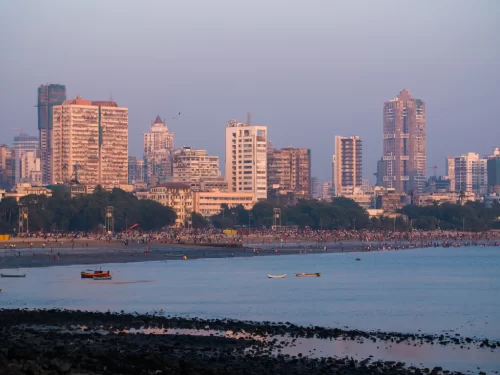
Juhu Beach Mumbai golden hour skyline crowd fishing boats Arabian Sea palm trees, perfect Mumbai beach sunset street food celebrity spotting package.  Beach

Juhu Beach

Juhu Beach is one of Mumbai’s most famous beaches, known for its lively atmosphere and scenic Arabian Sea views.
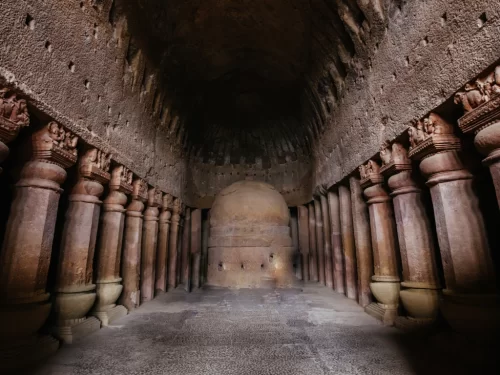
Cave interior at Kanheri Caves Mumbai Maharashtra during dim light, featuring stupa, carved pillars, vaulted ceiling, perfect heritage experience Mumbai tour package.  Cave

Kanheri Caves

Kanheri Caves is a historic group of rock-cut Buddhist caves in Mumbai, known for its ancient sculptures and monastic heritage.

Frequently Asked Questions About Lonar Lake

This lake is world famous for its meteor impact origin, unusual ecosystem, rich biodiversity, and historic temples around its rim. Visitors enjoy learning about its geological importance while exploring scenic viewpoints, wildlife, and cultural heritage during a memorable outdoor experience.
The most pleasant time to visit is from October to March when the weather is cooler and ideal for walking around the lake. Early morning also provides comfortable temperatures and better opportunities for photography and birdwatching.
Most visitors spend three to four hours exploring viewpoints, walking along selected trails, visiting nearby temples, observing wildlife, and enjoying the natural landscape at a relaxed pace.
Entry policies may vary depending on local regulations. Carrying some cash or a digital payment option is useful for parking, refreshments, guide services, or visitor facilities if available.
Parking facilities are generally available near the main access points. During weekends and holidays the parking area may become busy, so arriving earlier usually provides a smoother experience.
The lake is accessible by road using buses, taxis, shared vehicles, or private cars. Visitors can reach the main viewpoints easily before exploring the surrounding trails on foot.
Yes families and most senior citizens can enjoy the viewpoints comfortably. Those planning to walk down into the crater should assess their fitness because some trails include uneven terrain and steep sections.
Some viewpoints may be accessible, but natural trails, uneven paths, and steep sections limit wheelchair access in many areas. Travelling with assistance is recommended where required.
Photography is generally permitted and visitors can capture panoramic lake views, wildlife, temples, and the surrounding landscape. Safe viewing areas should always be used while taking photographs.
Comfortable walking shoes, drinking water, sunscreen, sunglasses, weather appropriate clothing, light snacks, binoculars, and a camera are recommended for a comfortable visit.
Avoid littering, disturbing wildlife, leaving marked trails without preparation, ignoring weather conditions, or entering restricted areas. Respecting the natural environment helps preserve this unique destination.

Loved this place ? Let’s Plan Your Maharashtra Trip

Get customized Maharashtra tour planning designed around seasonal weather shifts, long-distance road travel flow, hill station comfort, coastal timing, and heritage exploration pacing. Whether you are visiting for historic caves, spiritual journeys, beach

⚡ Quick Response | 💰 Free consultation | 🕒 24×7 expert support

×

Plan Your Trip
