Pawna Lake, Lonavala – The Scenic Lakeside Camping Destination of Maharashtra

Pawna Lake , Lonavala
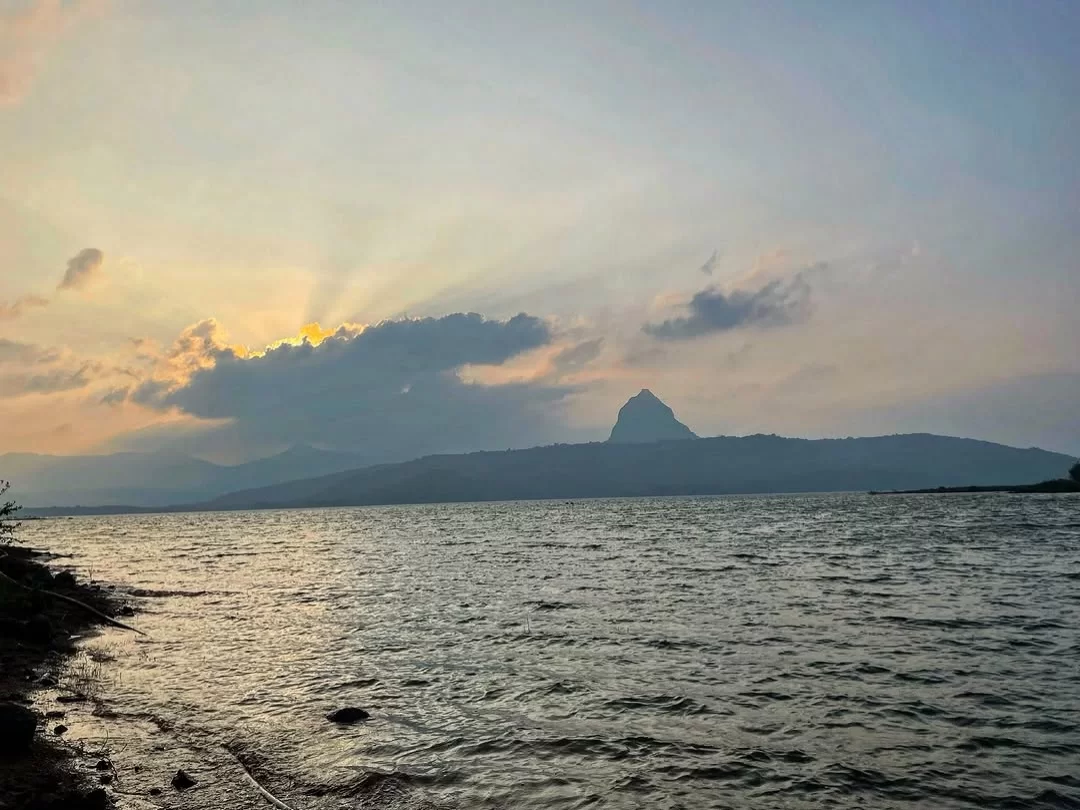
Pawna Lake, formed by the Pawna Dam near Lonavala, is surrounded by rolling hills and historic forts such as Tikona, Lohagad, and Visapur. The lake is a favored destination for camping, lakeside stays, boating, and sunset views. Especially popular during weekends and monsoon season, Pawna Lake offers a peaceful natural retreat and scenic landscapes in the Sahyadri region of Maharashtra.

Quick Facts About Pawna Lake

Quick Facts About Pawna Lake Lonavala

Entry Fee No entry fee
Timings Open 24 hours (best visited during daylight)
Altitude (m) 650 m
Ideal Visit Duration 1–3 hours
Best Time of Day Late afternoon to sunset for scenic views
Crowd Level Moderate–High (especially on weekends and holidays)
Distance from City Centre (km) 12 km (from Lonavala town centre)
Walking Difficulty Easy (flat lakeside areas)
Parking Available Yes (parking available near lake spots)
Last Mile Access Taxi/auto to Pawna Lake area; easy walk to water edge
Suitable for Kids Yes (open spaces; supervision near water)
Suitable for Seniors Yes (flat walkways and seating spots)
Wheelchair Friendly Limited (some flat areas accessible)

Why Visit Pawna Lake Lonavala

Why Visit

Pawna Lake is a scenic artificial reservoir formed by the Pawna Dam near Lonavala in Maharashtra, constructed across the Pawna River (dam completed in the 1970s; exact year varies in sources). Surrounded by the Sahyadri hills and historic forts such as Lohagad, Tikona, and Tung, the lake has become a popular weekend retreat for camping and outdoor recreation. Visitors come to enjoy open landscapes, calm waters, and panoramic hill views.

Atmosphere

The atmosphere is tranquil, breezy, and nature-oriented, particularly during winter and post-monsoon months when the surroundings are lush and the water level is high. Evenings by the lakeside offer peaceful sunsets and star-lit skies, making it a preferred destination for overnight camping. Weekends can be lively due to organised camps and group activities.

What Makes it Special

What makes Pawna Lake special is its expansive water body set against a backdrop of historic hill forts and rolling green hills of the Western Ghats. The blend of natural scenery, accessible camping experiences, and heritage views distinguishes it from other hill-station attractions. Its combination of reservoir engineering and scenic landscape makes it one of Lonavala’s most sought-after outdoor destinations.

History of Pawna Lake Lonavala

Pawna Lake is located near Lonavala in Pune district, Maharashtra, and was formed by the construction of the Pawna Dam across the Pawna River. The dam project was completed in the early 1970s as part of post-independence irrigation and water supply initiatives in the region.

The reservoir was developed to provide water for agricultural irrigation, drinking water supply, and industrial use, particularly benefiting nearby towns such as Pimpri-Chinchwad and surrounding rural areas. The creation of the lake significantly altered the local landscape, submerging portions of the river valley and forming a large freshwater body amid the Sahyadri hills.

Over time, Pawna Lake gained recognition as a scenic destination due to its expansive waters and proximity to historic forts such as Tikona, Lohagad, and Visapur. Today, it stands as both a functional water resource infrastructure project and a prominent recreational site within the Lonavala region.

Best Time to Visit – Pawna Lake Lonavala

The best time to visit Pawna Lake near Lonavala, Maharashtra, is from October to February, when the weather is pleasant and ideal for camping, boating, and lakeside relaxation. During these months, temperatures are moderate and skies are clear, making it comfortable for outdoor activities and scenic photography.

  • October–November: Post-monsoon freshness with full water levels—ideal for camping and photography.
  • December–January: Coolest and most comfortable season—best for overnight camping experiences.
  • February: Pleasant conditions continue—morning and evening visits are recommended.
  • March–May (Summer): Warm afternoons; early morning and late evening visits are more enjoyable.
  • June–September (Monsoon): Lush green surroundings and dramatic skies, but heavy rainfall may limit camping and water activities.

Best time of day: 4:30 PM onwards for sunset views and overnight camping experiences, or 6:30 AM to 9:00 AM for peaceful lakeside mornings.

  • Experience tip: Enjoy camping under the stars with scenic views of nearby forts like Tikona and Tung.
  • Photography tip: Sunrise and sunset create vibrant reflections across the lake.
  • Visitor note: Follow safety guidelines during water activities and respect the natural environment.

How to Reach Pawna Lake Lonavala

Pawna Lake is located near Kamshet and Pawna Nagar, about 20–25 km from Lonavala in Maharashtra. Formed by the Pawna Dam on the Pawna River, the lake is a popular destination for camping, lakeside stays, and scenic views of nearby forts like Tikona and Tung. It is accessible primarily by road.

  • By Air (Nearest airports): The nearest airports are Pune International Airport (approximately 65–70 km) and Chhatrapati Shivaji Maharaj International Airport, Mumbai (approximately 105 km). From either airport, hire a taxi or app-based cab to Lonavala/Kamshet. Travel time ranges from 1.5 to 3 hours depending on traffic.
  • By Train (Nearest railway station): Lonavala Railway Station is about 20–25 km from Pawna Lake. Kamshet Railway Station is closer (approximately 10–12 km depending on the access point). From the station, take a taxi to reach the lakeside area.
  • By Road: Pawna Lake is accessible via the Mumbai–Pune Expressway (Lonavala exit) and then via roads toward Kamshet/Pawna Nagar. The last stretch may include narrow village roads.
  • Taxi / Private Cab: Hiring a taxi from Lonavala or Pune is the most convenient option, especially for groups visiting campsites around the lake.
  • Self-drive: Self-driving is convenient via expressway and state highways. Parking availability depends on the campsite or lakeside access point; confirm with the respective operator.
  • Walking access: Visitors staying at designated campsites can walk to the lakeside from their accommodation.
  • Travel tips (EEAT): The lake is most scenic during and after monsoon. Road conditions may vary during heavy rains. Confirm campsite bookings in advance and follow local safety guidelines near water bodies.

What to Expect When You Visit Pawna Lake Lonavala

Pawna Lake, located near Lonavala in Pune district, Maharashtra, is a scenic reservoir formed by the Pawna Dam built across the Pawna River. Surrounded by the Sahyadri hills and overlooked by historic forts such as Lohagad, Tikona, and Visapur, the lake is known for its tranquil environment and camping experiences rather than structured urban tourism.

  • Scenic Sahyadri backdrop: expect wide water expanses framed by rolling hills and nearby historic forts.
  • Camping destination: lakeside camping setups are a major attraction, especially on weekends.
  • Sunset and sunrise views: open horizons create dramatic lighting conditions during early morning and evening hours.
  • Water activities availability: kayaking and boating may be offered by organized operators.
  • Monsoon greenery enhancement: the surrounding landscape turns lush during and after the rainy season.
  • Unregulated zones caution: some areas lack formal supervision, so safety awareness is important.
  • Weekend crowd surge: high visitor numbers during holidays and camping season.
  • Photography-friendly landscape: reflections, mist, and hill silhouettes create strong visual appeal.
  • Open natural environment: limited formal infrastructure in many lakeside areas.
  • Short to overnight visit options: can be enjoyed as a day trip or an overnight camping experience.

Tip for a smoother visit: choose verified camping operators for safety, avoid entering deep water without supervision, visit during monsoon or post-monsoon for scenic beauty, and check weather forecasts before planning lakeside stays.

Important Visitor Information – Pawna Lake, Lonavala

  • Crowd & Weather Notes: Pawna Lake attracts moderate to heavy visitors during weekends, camping season, and peak tourist months (October to February). Lonavala has a tropical wet and dry climate; summers (March to May) can be warm, monsoon months (June to September) bring heavy rainfall and rising water levels, while winters are pleasant for lakeside activities.
  • Peak / Quiet Hours: Peak hours are late afternoon to night during camping check-ins and sunset hours. Early morning on weekdays is quieter and ideal for scenic views and photography.
  • Dress Code: No formal dress code applies. Wear comfortable outdoor clothing and suitable footwear for uneven lakeside terrain. Light jackets may be useful during cooler winter evenings.
  • Safety Notes: Swimming should be done cautiously and only in designated safe areas. Follow camping operator and local authority guidelines strictly. Avoid venturing into deep water, supervise children closely, and be cautious during monsoon when water levels rise.

Photography and Viewpoint – Pawna Lake Lonavala

Pawna Lake, located near Lonavala in Maharashtra, is an artificial reservoir formed by the Pawna Dam, surrounded by the Sahyadri hills and historic forts such as Lohagad and Tikona. Known for its wide water expanse, camping sites, and scenic hill reflections, the lake offers strong opportunities for sunrise–sunset landscapes, long-exposure waterscapes, and monsoon-enhanced greenery compositions.

  • Best light for photography: Sunrise provides soft golden reflections on calm water, while sunset creates layered hill silhouettes and warm sky gradients.
  • Reflection-focused compositions: Capture mirrored images of surrounding hills on still water for balanced symmetry.
  • Wide vs. telephoto strategy: Wide lenses capture expansive lake-and-hill panoramas, while telephoto lenses isolate distant fort outlines and hill layers.
  • Long-exposure techniques: Use slower shutter speeds during calm conditions to smooth water textures for artistic effects.
  • Camping & foreground framing: Include tents, shoreline rocks, or vegetation in the foreground to add depth and storytelling context.
  • Monsoon mood frames: Post-monsoon months enhance greenery and water levels, creating vibrant landscape imagery.
  • Mobile photography tips: Use gridlines to maintain straight horizons, stabilize near water edges, and slightly underexpose during bright daylight.
  • Crowd & timing awareness: Weekends attract campers—early weekday visits provide cleaner scenic compositions.
  • Night-sky opportunities: On clear nights away from artificial lights, capture starry skies reflecting on the lake surface.
  • Responsible nature photography: Avoid littering, respect private camping zones, and follow local safety advisories near water.

Near By Attraction

Tikona Fort Maharashtra panoramic green monsoon walls Pawna lake valleys, curved bastions villages Lohagad Korigad peaks Western Ghats, perfect Lonavala Maval forts trek package. Fort

Tikona Fort

Tikona Fort, also known as Vitandgad, is a historic hill fort located near Lonavala in Maharashtra.

Khandala Ghat View Point. Scenic Western Ghats viewpoint with lush valleys and winding highway views near Lonavala. Viewpoint

Khandala Ghat View Point

Khandala Ghat View Point is a scenic hill viewpoint located in the Western Ghats near Khandala, Maharashtra.

Ancient ruins at Visapur Fort during overcast monsoon, featuring moss-covered walls & green grasslands, perfect adventure experience Maharashtra tour packages. Fort

Visapur Fort

Visapur Fort is a prominent hill fort near Lonavala, known for its expansive ruins and trekking trails.

Frequently Asked Questions About Pawna Lake

Pawna Lake is located near Lonavala in Maharashtra in the Western Ghats region. It is an artificial reservoir formed by the Pawna Dam and surrounded by hills.
Pawna Lake can be reached within 30 to 40 minutes by taxi or private vehicle from Lonavala railway station. The final stretch involves village roads leading to different lakeside campsites.
The best time to visit Pawna Lake is between October and February when the weather remains pleasant for outdoor activities. Monsoon months also offer lush green surroundings but occasional heavy rainfall.
Pawna Lake is popular for lakeside camping scenic sunset views and stargazing experiences. It attracts visitors looking for short weekend getaways from Mumbai and Pune.
Pawna Lake is suitable for family visits especially for those interested in camping and relaxed outdoor stays. Visitors should ensure safety around the water edge particularly with children.
There are several camping sites and homestays near Pawna Lake offering tent stays and basic cottage accommodations. Many travelers book packages that include meals and activities.
Pawna Lake has limited permanent facilities at the lakeside but organized camps provide tents restrooms and food arrangements. Basic amenities vary depending on the campsite operator.
Most travelers spend one to two days at Pawna Lake enjoying camping boating and relaxing by the water. It is commonly planned as an overnight trip from Lonavala or Pune.
Camping is allowed at designated private campsites around Pawna Lake. Visitors are advised to book through authorized operators to ensure safety and proper facilities.
Travelers visiting Pawna Lake should carry warm clothing during winter evenings comfortable footwear and necessary personal supplies. Checking weather conditions and confirming campsite details in advance is advisable.

Loved this place ? Let’s Plan Your Maharashtra Trip

Get customized Maharashtra tour planning designed around seasonal weather shifts, long-distance road travel flow, hill station comfort, coastal timing, and heritage exploration pacing. Whether you are visiting for historic caves, spiritual journeys, beach

⚡ Quick Response | 💰 Free consultation | 🕒 24×7 expert support

×

Plan Your Trip