Quick Facts About Lonavala Lake
Quick Facts About Lonavala Lake
| Entry Fee | No entry fee |
|---|---|
| Timings | Open 24 hours (best visited during daylight) |
| Altitude (m) | 650 m |
| Ideal Visit Duration | 30–60 minutes |
| Best Time of Day | Early morning or late afternoon for peaceful walk and scenery |
| Crowd Level | Low–Moderate (generally quiet except weekends) |
| Distance from City Centre (km) | 1 km (from Lonavala town centre) |
| Walking Difficulty | Easy (flat lakefront paths) |
| Parking Available | Yes (parking available near lake area) |
| Last Mile Access | Taxi/auto from Lonavala station or town; short walk to lakefront |
| Suitable for Kids | Yes (family-friendly open space) |
| Suitable for Seniors | Yes (flat and easy pathways) |
| Wheelchair Friendly | Yes (accessible lakefront paths) |
Why Visit Lonavala Lake
Why Visit
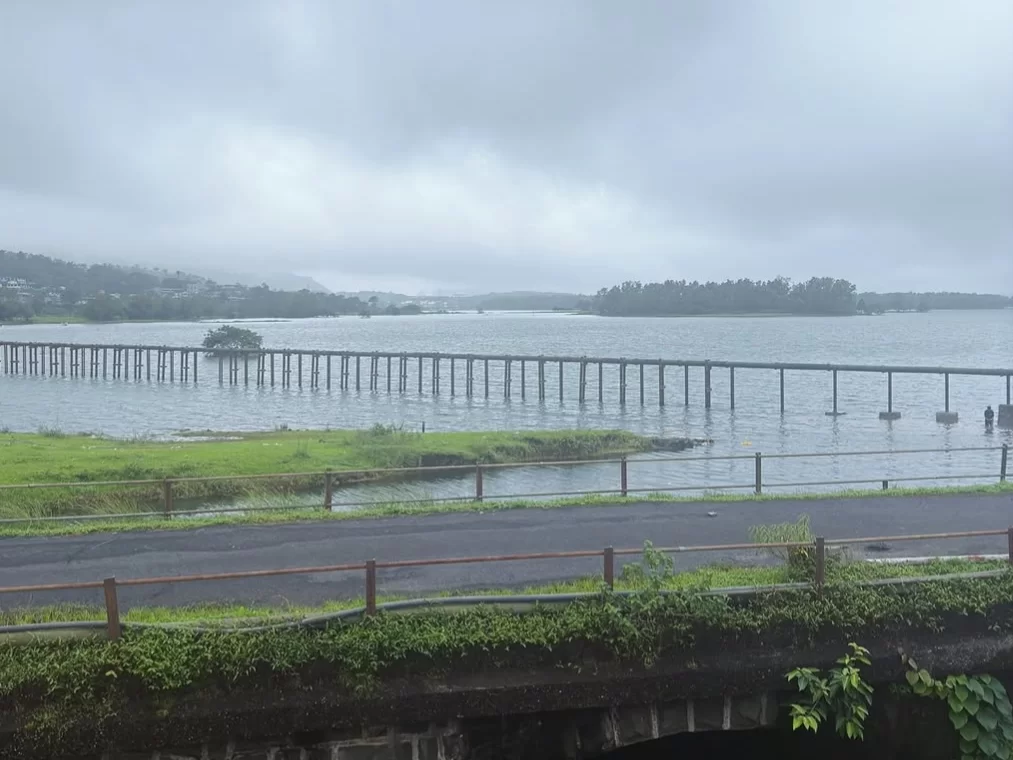
Lonavala Lake, also known as Monsoon Lake, is a seasonal freshwater lake located on the outskirts of Lonavala in Maharashtra. The lake fills primarily during the monsoon months, transforming the surrounding landscape into a lush green retreat within the Western Ghats. Visitors come to enjoy a quiet natural setting away from the more crowded viewpoints of the hill station.
Atmosphere
The atmosphere is calm, breezy, and scenic, especially during and just after the monsoon season when the lake is at its fullest. The surrounding hills and grassy banks create a peaceful environment ideal for relaxation and photography. Early mornings and late afternoons offer softer light and a more tranquil experience.
What Makes it Special
What makes Lonavala Lake special is its seasonal transformation, as the water body becomes vibrant and reflective during the rainy season. Its relatively undeveloped surroundings preserve a natural charm distinct from structured tourist attractions. The combination of Western Ghats scenery, monsoon-fed waters, and accessible location makes it a pleasant stop in Lonavala’s landscape circuit.
History of Lonavala Lake
Lonavala Lake, also known as Monsoon Lake, is located on the outskirts of Lonavala in Pune district, Maharashtra. The lake is a man-made reservoir developed during the British colonial period as part of regional water management initiatives in the Western Ghats hill station zone.
Constructed primarily to collect rainwater during the monsoon season, the reservoir supported local water requirements and complemented the network of dams and lakes built in the 19th and early 20th centuries to serve the growing settlements between Mumbai and Pune. Its seasonal nature reflects the monsoon-dependent hydrology of the Sahyadri range.
Over time, Lonavala Lake became recognized more for its scenic value than its utilitarian function, especially during the rainy season when it fills to capacity. Today, it stands as a prominent natural attraction within Lonavala, symbolizing the region’s blend of colonial-era infrastructure and Western Ghats landscape heritage.
Best Time to Visit – Lonavala Lake
The best time to visit Lonavala Lake in Lonavala, Maharashtra, is from July to February, when the lake is filled with fresh rainwater and the surrounding Sahyadri hills are lush and scenic. The monsoon and post-monsoon months offer the most picturesque views, while winter provides pleasant weather for relaxed outings.
- July–September (Monsoon): Peak water levels with vibrant greenery—ideal for enjoying the lake’s full beauty, though heavy rainfall may limit access at times.
- October–November: Post-monsoon freshness with steady water levels—perfect for photography and peaceful visits.
- December–January: Cool and pleasant weather—best for relaxed sightseeing.
- February: Comfortable conditions continue—morning and evening visits are recommended.
- March–May (Summer): Warm and dry; water levels gradually reduce.
Best time of day: 7:00 AM to 10:00 AM for cooler temperatures and tranquil surroundings, or 4:30 PM to 6:30 PM for pleasant sunset views.
- Experience tip: Visit during or shortly after monsoon for the most scenic landscape.
- Photography tip: Morning light enhances reflections on the water surface.
- Visitor note: Exercise caution near water edges, especially during monsoon.
How to Reach Lonavala Lake
Lonavala Lake, also known as Monsoon Lake, is located on the outskirts of Lonavala town in Maharashtra, near the Mumbai–Pune Highway (NH 48). The seasonal lake fills up during monsoon and is a popular scenic spot, easily accessible by road.
- By Air (Nearest airports): The nearest airports are Pune International Airport (approximately 70 km) and Chhatrapati Shivaji Maharaj International Airport, Mumbai (approximately 90 km). From either airport, hire a taxi or app-based cab to Lonavala. Travel time ranges from 1.5 to 2.5 hours depending on traffic.
- By Train (Nearest railway station): Lonavala Railway Station is about 1–2 km from the lake. From the station, take a taxi, auto-rickshaw, or walk depending on distance.
- By Road: Lonavala Lake is easily accessible via the Mumbai–Pune Expressway (Lonavala exit) and old Mumbai–Pune Highway (NH 48). It is located close to the main town area.
- Taxi / Auto-rickshaw: Taxis and auto-rickshaws are readily available within Lonavala and can drop you near Lonavala Lake.
- Self-drive: Self-driving is convenient via expressway routes. Limited roadside parking may be available near the lake; follow local traffic regulations.
- Walking access: Visitors staying in central Lonavala can reach the lake comfortably on foot depending on distance.
- Travel tips (EEAT): The lake is best visited during and immediately after monsoon when it is full. Exercise caution near water edges and avoid venturing into deep water. Early morning and evening offer pleasant views.
What to Expect When You Visit Lonavala Lake
Lonavala Lake, also known locally as Monsoon Lake, is a seasonal freshwater lake located on the outskirts of Lonavala in Pune district, Maharashtra. Primarily rain-fed, the lake fills up during the monsoon months and becomes a scenic stop surrounded by Sahyadri hills, offering a relaxed nature-viewing experience rather than structured recreational activities.
- Seasonal water body: the lake is most vibrant during monsoon and post-monsoon when it fills with rainwater.
- Sahyadri hill backdrop: rolling green hills surround the lake, enhancing its natural appeal.
- Roadside accessibility: easily reachable by vehicle with informal stopping points along the edge.
- Popular monsoon attraction: weekends during rainy season attract large numbers of visitors.
- Photography-friendly landscape: reflections, mist, and greenery create scenic compositions.
- Limited formal infrastructure: minimal facilities, with no structured boating or managed activities.
- Strong winds during monsoon: weather conditions can change quickly with fog and rain showers.
- Crowd increase on holidays: heavy footfall during peak tourist season in Lonavala.
- Short visit duration: typically enjoyed as a brief scenic halt.
- Often combined with nearby viewpoints: part of the broader Lonavala sightseeing circuit.
Tip for a smoother visit: visit during active monsoon for the best water levels, avoid entering the water due to slippery edges, park carefully along designated areas, and monitor weather conditions before planning your stop.
Important Visitor Information – Lonavala Lake, Lonavala
- Crowd & Weather Notes: Lonavala Lake attracts moderate to heavy visitors during monsoon (June to September), weekends, and peak tourist season (October to February). Lonavala has a tropical wet and dry climate; summers (March to May) can be warm, monsoon months bring heavy rainfall and overflowing lake views, and winters are pleasant.
- Peak / Quiet Hours: Peak hours are late morning to evening when tourists stop for sightseeing. Early morning on weekdays is quieter and ideal for enjoying peaceful lake views and photography.
- Dress Code: No formal dress code applies. Wear comfortable outdoor clothing and sturdy footwear, especially during monsoon when areas around the lake can be muddy.
- Safety Notes: Avoid venturing into the water as swimming is not advised. Be cautious near the lake’s edge, particularly during monsoon when water levels rise. Supervise children closely and follow local authority advisories.
Photography and Viewpoint – Lonavala Lake
Lonavala Lake, also known as Monsoon Lake, is a seasonal freshwater lake located on the outskirts of Lonavala in Maharashtra. Surrounded by rolling Sahyadri hills and lush greenery, the lake fills primarily during the monsoon season, transforming into a reflective landscape ideal for scenic photography. Its calm waters and open surroundings offer strong opportunities for nature, reflection, and atmospheric compositions.
- Best light for photography: Early morning provides soft illumination and calm reflections, while late afternoon enhances hill contours.
- Reflection-focused compositions: Capture mirrored images of hills and sky on still water surfaces for balanced symmetry.
- Wide vs. telephoto strategy: Wide lenses capture expansive lake-and-hill panoramas, while telephoto lenses isolate distant hill layers and water textures.
- Monsoon mood frames: Post-monsoon months offer lush greenery, misty hills, and fuller water levels for vibrant imagery.
- Foreground framing techniques: Include shoreline rocks, grass, or small pathways to add depth and perspective.
- Mobile photography tips: Use gridlines to maintain straight horizons, stabilize near water edges, and slightly reduce exposure during bright daylight.
- Sunset silhouette shots: Frame hill outlines against warm evening skies for dramatic landscape compositions.
- Crowd & timing awareness: Weekends attract more visitors—early weekday visits provide cleaner scenic frames.
- Seasonal water awareness: The lake is seasonal and may recede during dry months, altering photographic conditions.
- Responsible nature photography: Avoid littering, respect natural surroundings, and follow local safety advisories near water.