+91 9910402252
admin@chalbanjare.com


| Entry Fee | Indian adults 25 | Foreign nationals 300 | Children below 15 years Free |
|---|---|
| Timings | 7:30 AM – 5:30 PM (Closed on Mondays) |
| Altitude (m) | 150 m |
| Ideal Visit Duration | 2–3 hours |
| Best Time of Day | Morning for cooler weather and easier climbing |
| Crowd Level | Moderate (higher on weekends and holidays) |
| Distance from City Centre (km) | 35 km (from South Mumbai city centre) |
| Walking Difficulty | Moderate (stone steps and uphill walking inside park) |
| Parking Available | Yes (parking available inside Sanjay Gandhi National Park) |
| Last Mile Access | Taxi/auto/local train to Borivali; internal park transport or drive to caves |
| Suitable for Kids | Yes (supervision required on steps and rocky areas) |
| Suitable for Seniors | Limited (climbing steps required to access caves) |
| Wheelchair Friendly | No |
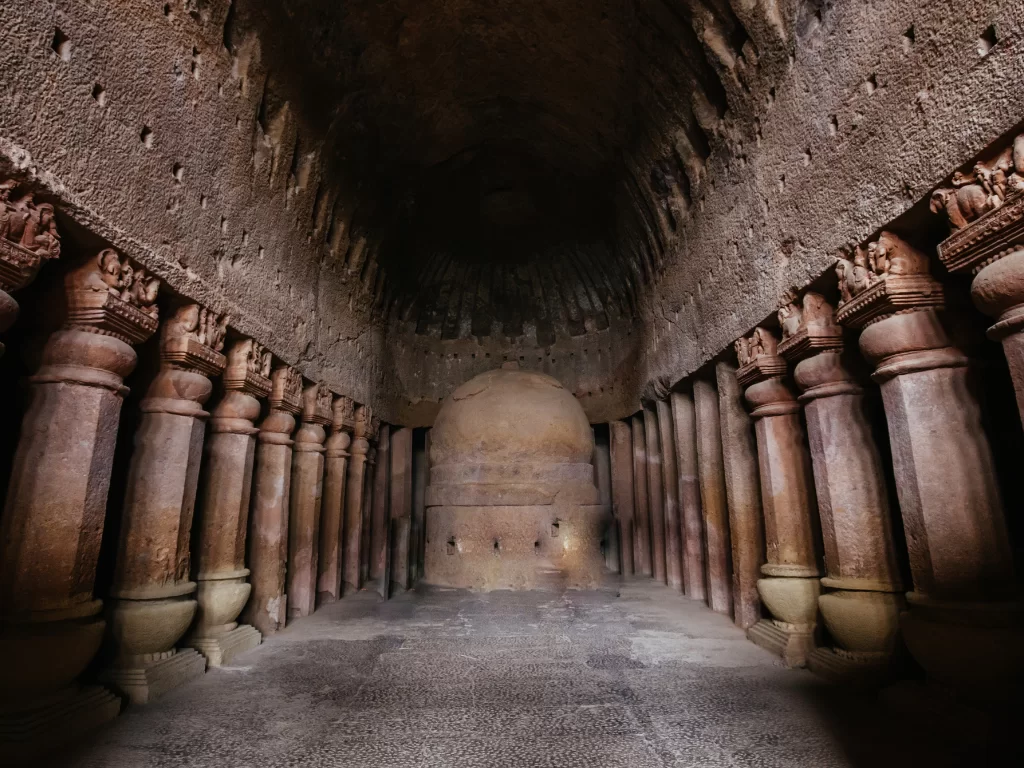
Kanheri Caves, located within Sanjay Gandhi National Park in Mumbai, Maharashtra, are an extensive complex of ancient Buddhist rock-cut caves dating from the 1st century BCE to the 10th century CE. Carved from basalt rock, the caves served as a major centre of Buddhist learning and monastic life. Visitors come to explore their chaityas (prayer halls), viharas (monastic dwellings), inscriptions, and intricate sculptures that reflect centuries of spiritual and artistic development.
The atmosphere is historic, tranquil, and immersive, surrounded by forested hills within the national park. Walking through the stone-cut corridors and meditation halls creates a strong sense of connection to ancient monastic traditions. Early mornings provide cooler conditions and a quieter environment for appreciating the architectural details and natural surroundings.
What makes Kanheri Caves special is its large prayer hall (Cave 3) featuring a grand stupa and stone pillars, along with numerous inscriptions in Brahmi and later scripts documenting donations and monastic life. The complex demonstrates advanced rock-cut engineering and water management systems, including carved cisterns for rainwater collection. Its combination of archaeological depth, forest setting, and integration within an urban national park makes it one of Mumbai’s most significant ancient heritage sites.
The Kanheri Caves are located within Sanjay Gandhi National Park in Mumbai, Maharashtra, and represent one of the largest rock-cut Buddhist cave complexes in India. The caves date from the 1st century BCE to the 10th century CE, reflecting several centuries of continuous Buddhist monastic activity.
Carved out of basalt rock, the complex consists of over 100 excavations including viharas (monastic dwellings), chaitya halls (prayer halls), and water cisterns. The architectural features, inscriptions in Brahmi and later scripts, and sculptural depictions of Buddha and Bodhisattvas demonstrate the evolution of Buddhist art and the role of Kanheri as a major center of learning and trade-route patronage in western India.
Strategically located near ancient maritime trade networks, Kanheri flourished through donations from merchants and local rulers. Over time, the site declined with the waning of Buddhism in the region but remains an important archaeological monument. Today, the Kanheri Caves stand as a significant testament to India’s rock-cut architectural tradition and the spread of Buddhism along the western coast.
The best time to visit Kanheri Caves in Mumbai, Maharashtra, is from November to February, when the weather is pleasant and ideal for exploring this ancient Buddhist rock-cut complex located inside Sanjay Gandhi National Park. During these months, temperatures are moderate and humidity is lower, making it comfortable to walk up the stone steps and explore the cave interiors.
Best time of day: 8:00 AM to 11:00 AM is ideal for visiting Kanheri Caves, allowing cooler temperatures and sufficient time to explore major chaityas and viharas.
Kanheri Caves are located within Sanjay Gandhi National Park in Borivali East, Mumbai, Maharashtra. These ancient Buddhist rock-cut caves date back to the 1st century BCE and are easily accessible by road and suburban rail.
Kanheri Caves, located within Sanjay Gandhi National Park in Mumbai, Maharashtra, is an extensive complex of ancient Buddhist rock-cut caves dating from the 1st century BCE to the 10th century CE. Carved into basalt rock, the site served as a major monastic center and learning hub, offering a heritage-rich and moderately physical exploration experience set amidst forested surroundings.
Tip for a smoother visit: wear comfortable footwear for climbing, carry water especially during warmer months, visit early morning for cooler weather, and allocate sufficient time to explore the major chaitya and vihara caves thoroughly.
Kanheri Caves, located within Sanjay Gandhi National Park in Mumbai, Maharashtra, is a complex of ancient Buddhist rock-cut caves dating from the 1st century BCE to the 10th century CE. Carved into basalt rock, the site includes chaityas (prayer halls), viharas (monastic cells), inscriptions, and water cistern systems. Photography here blends rock-cut architectural symmetry, sculptural detailing, and forested hilltop surroundings within a protected archaeological setting.
 Garden
Joggers Park is a public park located in Bandra West, Mumbai, Maharashtra, overlooking the Arabian Sea.
 Lake
Lake
Lonar Lake is a saline crater lake formed by a meteorite impact, located in Lonar, Buldhana district, Maharashtra, India.
 Beach
Beach
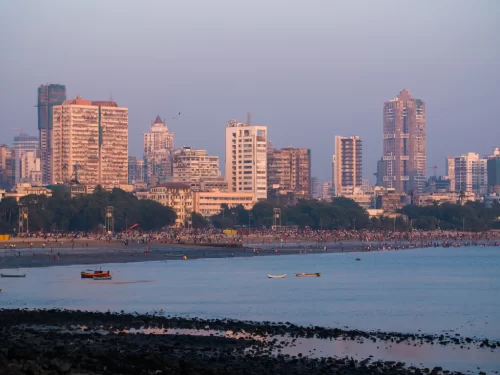
Juhu Beach is one of Mumbai’s most famous beaches, known for its lively atmosphere and scenic Arabian Sea views.
Get customized Maharashtra tour planning designed around seasonal weather shifts, long-distance road travel flow, hill station comfort, coastal timing, and heritage exploration pacing. Whether you are visiting for historic caves, spiritual journeys, beach
⚡ Quick Response | 💰 Free consultation | 🕒 24×7 expert support

