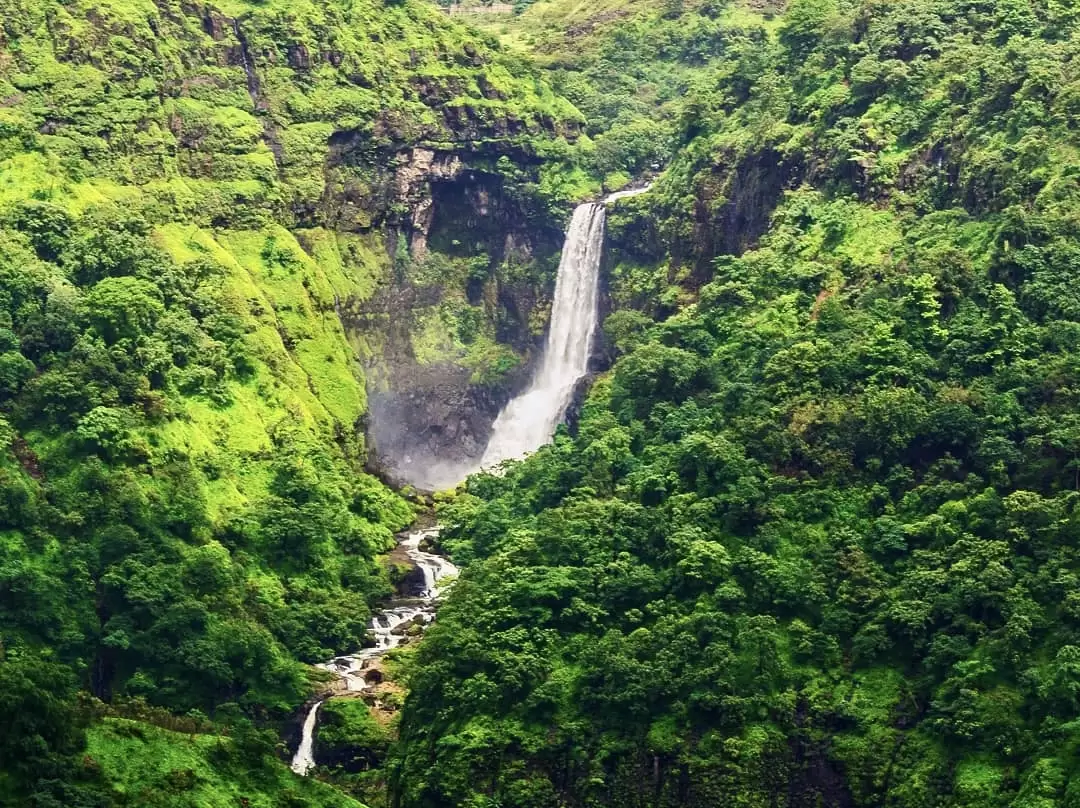
Kune Falls, Lonavala – The Scenic Three-Tiered Waterfall of Maharashtra

Kune Falls , Lonavala
Kune Falls is located between Lonavala and Khandala in the Sahyadri Hills and is one of the highest waterfalls in Maharashtra. The waterfall descends from a height of around 200 meters in three distinct stages, creating a stunning visual spectacle, especially during the monsoon season. Surrounded by dense greenery and rocky terrain, it is a popular stop for nature lovers and photographers visiting Lonavala.

Quick Facts About Kune Falls

Quick Facts About Kune Falls Lonavala

Entry Fee No entry fee
Timings Open during daylight hours (best visited 8:00 AM – 5:30 PM)
Altitude (m) 622 m
Ideal Visit Duration 30–60 minutes
Best Time of Day Morning during monsoon season for best water flow
Crowd Level Moderate–High (especially during monsoon and weekends)
Distance from City Centre (km) 3 km (from Lonavala town centre)
Walking Difficulty Moderate (short trek and uneven rocky terrain)
Parking Available Limited (roadside parking available)
Last Mile Access Taxi/auto to Khandala area; short walk/trek to viewpoint
Suitable for Kids Limited (slippery rocks during monsoon; supervision required)
Suitable for Seniors Limited (uneven terrain and steps involved)
Wheelchair Friendly No

Why Visit Kune Falls Lonavala

Why Visit

Kune Falls is a picturesque three-tiered waterfall located between Lonavala and Khandala in Maharashtra, nestled within the Sahyadri ranges. With an approximate height of around 200 meters (figures vary slightly in different sources), it is considered one of the highest waterfalls in Maharashtra. Visitors come to enjoy its natural beauty, especially during the monsoon season when the cascade is at its most dramatic.

Atmosphere

The atmosphere is lush, misty, and refreshing, particularly during the rainy months when surrounding hills turn vibrant green. The sound of cascading water and cool mountain air create a calming natural retreat. Access conditions can vary depending on seasonal rainfall, and caution is advised during heavy monsoon periods.

What Makes it Special

What makes Kune Falls special is its distinctive three-step structure, where water descends in successive tiers before pooling below. Its location amid forested hills enhances its scenic appeal and makes it a popular photography spot. The blend of elevation, seasonal intensity, and Western Ghats landscape makes it one of Lonavala’s notable natural attractions.

History of Kune Falls Lonavala

Kune Falls is located between Lonavala and Khandala in Pune district, Maharashtra, along the slopes of the Sahyadri (Western Ghats) range. The waterfall is formed by monsoon-fed streams descending through forested cliffs, making it one of the tallest waterfalls in the region.

Historically, the surrounding terrain remained part of dense Western Ghats forest and was sparsely inhabited until the development of the Mumbai–Pune railway line and road connectivity during the British colonial period in the 19th century. This infrastructural expansion transformed Lonavala and Khandala into prominent hill stations.

Over time, Kune Falls gained recognition as a natural scenic landmark rather than a constructed site, closely associated with Lonavala’s identity as a monsoon destination. Today, it represents the ecological and hydrological character of the Sahyadri highlands, symbolizing the region’s natural heritage within Maharashtra’s hill station landscape.

Best Time to Visit – Kune Falls Lonavala

The best time to visit Kune Falls in Lonavala, Maharashtra, is from July to February, when the waterfall is at its most scenic and the surrounding Sahyadri hills are lush. The monsoon and post-monsoon months offer the strongest water flow, while winter provides pleasant weather for safe viewing and photography.

  • July–September (Monsoon): Peak water flow with vibrant greenery—ideal for enjoying the full beauty of the three-tiered waterfall, though access may be restricted during heavy rain.
  • October–November: Post-monsoon freshness with steady flow—best balance of scenery and accessibility.
  • December–February: Cool and comfortable weather—good for relaxed visits and photography, though water flow gradually reduces.
  • March–May (Summer): Warm and dry; water flow decreases significantly.
  • Safety note: Slippery rocks and strong currents during monsoon require caution.

Best time of day: 8:00 AM to 11:00 AM for cooler temperatures and clearer visibility of the cascading falls.

  • Nature tip: Visit shortly after monsoon for the most impressive waterfall views.
  • Photography tip: Morning light enhances the mist and layered rock formations.
  • Visitor note: Follow local safety guidelines and avoid entering restricted areas.

How to Reach Kune Falls Lonavala

Kune Falls is located near Khandala–Lonavala region in Maharashtra, nestled between the Sahyadri hills. One of the highest waterfalls in Maharashtra, it is situated close to the Mumbai–Pune Expressway and is primarily accessible by road.

  • By Air (Nearest airports): The nearest airports are Pune International Airport (approximately 75 km) and Chhatrapati Shivaji Maharaj International Airport, Mumbai (approximately 90 km). From either airport, hire a taxi or app-based cab to Lonavala/Khandala. Travel time is about 1.5 to 2.5 hours depending on traffic.
  • By Train (Nearest railway station): Lonavala Railway Station is about 4–5 km from Kune Falls. From the station, take a taxi or auto-rickshaw toward Khandala and the Kune village area.
  • By Road: Kune Falls is accessible via the Mumbai–Pune Expressway and old Mumbai–Pune Highway. Take the Khandala exit and proceed toward Kune village.
  • Taxi / Private Cab: Hiring a taxi from Lonavala town is the most convenient option, especially during monsoon season when road conditions may vary.
  • Self-drive: Self-driving is convenient via the expressway. Limited roadside parking may be available near the access point; confirm local access rules before visiting.
  • Trekking access: Reaching the waterfall may involve a short walk or trek from the nearest accessible point, depending on current access permissions.
  • Travel tips (EEAT): The waterfall is best visited during monsoon when water flow is strong. Exercise caution on slippery paths and confirm whether public access is permitted, as certain areas may be restricted for safety reasons.

What to Expect When You Visit Kune Falls Lonavala

Kune Falls, located near Khandala–Lonavala in Pune district, Maharashtra, is one of the tallest waterfalls in the region, cascading from a height of approximately 200 meters in three tiers. Surrounded by Sahyadri hill slopes and dense greenery, the waterfall is primarily a seasonal attraction, offering a scenic monsoon experience rather than a year-round high-flow destination.

  • Three-tier waterfall structure: expect a dramatic multi-level cascade flowing down rocky cliffs.
  • Monsoon peak flow: the waterfall is most impressive during the monsoon and immediate post-monsoon months.
  • Sahyadri mountain backdrop: lush hills and forested surroundings enhance the natural scenery.
  • Viewpoint-based experience: access is typically from designated viewpoints rather than deep trekking routes.
  • Limited infrastructure: facilities near the falls may be minimal depending on seasonal access.
  • Slippery terrain caution: rocks and pathways can become extremely slippery during monsoon.
  • Photography-friendly landscape: mist, greenery, and layered cascades create strong visual appeal.
  • Weekend crowd increase: monsoon weekends attract significant visitors from Mumbai and Pune.
  • Short visit duration: most visitors spend limited time enjoying the view rather than extended exploration.
  • Easily combined with Lonavala–Khandala circuit: often visited along with nearby hill viewpoints and forts.

Tip for a smoother visit: plan your trip during active monsoon for the best water flow, avoid standing close to slippery edges, wear footwear with good grip, and check weather conditions before traveling.

Important Visitor Information – Kune Falls, Lonavala

  • Crowd & Weather Notes: Kune Falls attracts moderate to heavy visitors during monsoon (June to September) when the waterfall is at its fullest, as well as during weekends and peak tourist season (October to February). Lonavala has a tropical wet and dry climate; summers (March to May) can be warm, monsoon brings heavy rainfall and slippery terrain, and winters are pleasant.
  • Peak / Quiet Hours: Peak hours are late morning to afternoon when tourists arrive. Early morning on weekdays is quieter and more suitable for photography and enjoying the scenic surroundings.
  • Dress Code: No formal dress code applies. Wear comfortable outdoor clothing and sturdy, non-slip footwear, especially during monsoon when paths can be muddy and slippery.
  • Safety Notes: Avoid venturing too close to the edge or climbing wet rocks during monsoon due to strong water flow. Follow local authority advisories, supervise children closely, and be cautious on steep or uneven terrain.

Photography and Viewpoint – Kune Falls Lonavala

Kune Falls, located near Khandala and Lonavala in Maharashtra, is a three-tiered waterfall cascading from a height of approximately 200 meters in the Sahyadri range. Surrounded by dense greenery and valley landscapes, the falls are most active during the monsoon and post-monsoon months. Photography here blends vertical cascade framing, misty hill backdrops, and dramatic seasonal landscapes.

  • Best light for photography: Overcast monsoon conditions provide soft, diffused lighting that enhances water flow and reduces harsh contrast.
  • Three-tier cascade compositions: Frame the waterfall vertically to capture all levels of the cascading structure in a single shot.
  • Wide vs. telephoto strategy: Wide lenses capture the waterfall within its valley setting, while telephoto lenses isolate individual tiers and water textures.
  • Long-exposure techniques: Use slower shutter speeds to create smooth, silky water effects while maintaining sharp surroundings.
  • Valley backdrop framing: Include surrounding hills and lush greenery to add depth and scale to compositions.
  • Mobile photography tips: Stabilize your device on firm ground or a tripod, avoid digital zoom, and adjust exposure to retain highlight detail in flowing water.
  • Monsoon mood frames: Mist, low clouds, and enhanced greenery create dramatic atmospheric imagery during rainy season.
  • Crowd & timing awareness: Early visits provide clearer viewpoints and safer access before peak tourist hours.
  • Safety considerations: Rocks and trails can be slippery during monsoon—remain within safe zones and avoid risky cliff-edge positions.
  • Responsible nature photography: Avoid littering, respect private property boundaries near the falls, and preserve the natural environment.

Near By Attraction

Tikona Fort Maharashtra panoramic green monsoon walls Pawna lake valleys, curved bastions villages Lohagad Korigad peaks Western Ghats, perfect Lonavala Maval forts trek package. Fort

Tikona Fort

Tikona Fort, also known as Vitandgad, is a historic hill fort located near Lonavala in Maharashtra.

Khandala Ghat View Point. Scenic Western Ghats viewpoint with lush valleys and winding highway views near Lonavala. Viewpoint

Khandala Ghat View Point

Khandala Ghat View Point is a scenic hill viewpoint located in the Western Ghats near Khandala, Maharashtra.

Pawna Lake Lonavala. Scenic lakeside destination with sunset views and lush Sahyadri hills backdrop. Lake

Pawna Lake

Pawna Lake is a picturesque reservoir near Lonavala, known for its tranquil waters and popular camping experiences.

Frequently Asked Questions About Kune Falls

Kune Falls is located near Lonavala in Maharashtra between Lonavala and Khandala. It is one of the highest waterfalls in the region surrounded by lush greenery.
Kune Falls can be reached within 15 to 20 minutes by taxi or auto from Lonavala railway station. Visitors usually need to walk a short distance from the parking area to reach the viewpoint.
The best time to visit Kune Falls is during the monsoon months from July to September when the waterfall is at its fullest flow. The post monsoon period also offers pleasant weather and greenery.
Kune Falls is popular for its three tiered cascade and scenic valley views. It attracts visitors looking for nature photography and short monsoon getaways near Mumbai and Pune.
Kune Falls is suitable for family visits though the terrain near the waterfall can be slippery during monsoon. Visitors should exercise caution especially with children.
There are several hotels and resorts near Kune Falls in Lonavala and Khandala. These hill stations offer accommodation options ranging from budget stays to luxury properties.
Kune Falls has limited facilities near the waterfall itself with basic parking arrangements in the vicinity. Food stalls and restrooms are generally available in Lonavala town rather than at the site.
Most travelers spend 30 minutes to one hour at Kune Falls enjoying the view and taking photographs. It is often combined with other sightseeing spots in Lonavala.
Kune Falls is most attractive during monsoon season but access may be restricted during heavy rainfall for safety reasons. Checking local conditions before visiting is advisable.
Travelers visiting Kune Falls should wear sturdy footwear carry drinking water and avoid venturing too close to the edge during monsoon. Following safety guidelines is important due to slippery surfaces.

Loved this place ? Let’s Plan Your Maharashtra Trip

Get customized Maharashtra tour planning designed around seasonal weather shifts, long-distance road travel flow, hill station comfort, coastal timing, and heritage exploration pacing. Whether you are visiting for historic caves, spiritual journeys, beach

⚡ Quick Response | 💰 Free consultation | 🕒 24×7 expert support

×

Plan Your Trip