Haji Ali Dargah, Mumbai – The Iconic Seaside Sufi Shrine of Maharashtra

Haji Ali Dargah , Mumbai
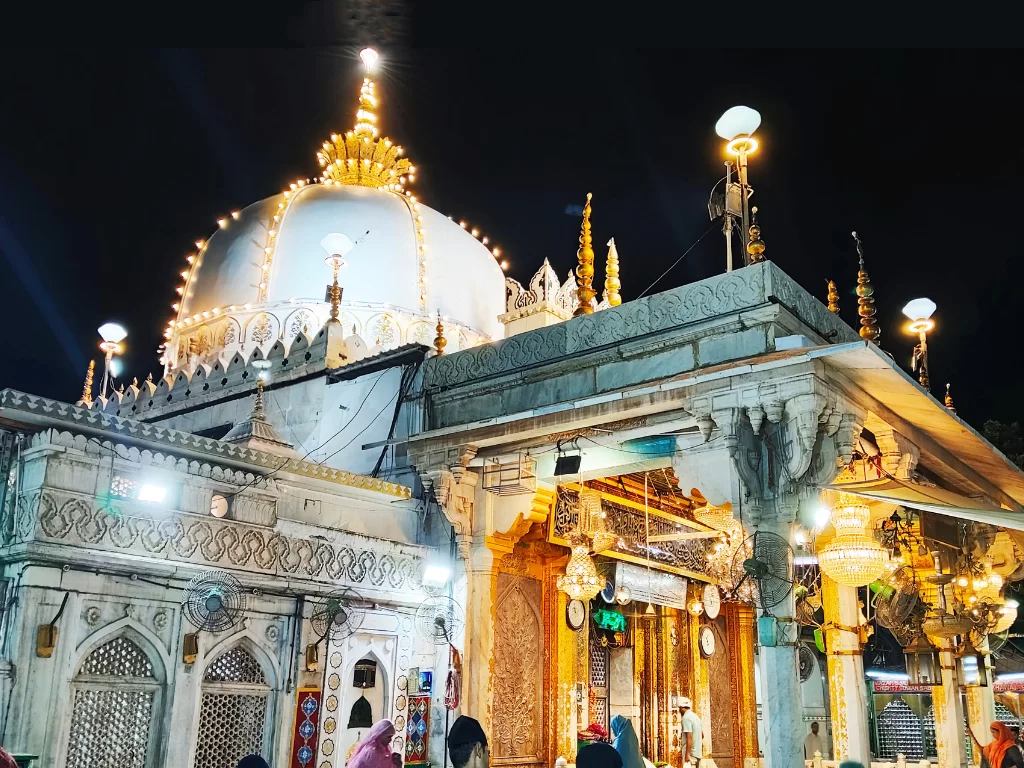
Haji Ali Dargah was built in the 15th century in memory of the Sufi saint Pir Haji Ali Shah Bukhari. Situated off the coast of Worli, the white-domed structure is connected to the mainland by a narrow causeway that is accessible during low tide. The shrine showcases Indo-Islamic architectural style and attracts devotees of all faiths who visit to offer prayers and seek blessings, making it one of Mumbai’s most prominent spiritual landmarks.

Quick Facts About Haji Ali Dargah

Quick Facts About Haji Ali Dargah Mumbai

Entry Fee No entry fee
Timings 5:30 AM – 10:00 PM (daily; access depends on tide timings)
Altitude (m) Sea level (0 m)
Ideal Visit Duration 45–60 minutes
Best Time of Day Morning or sunset during low tide for safe walkway access
Crowd Level High (very busy on Thursdays, Fridays, and festivals)
Distance from City Centre (km) 7 km (from South Mumbai city centre)
Walking Difficulty Moderate (long causeway walk from mainland)
Parking Available Limited (paid parking nearby on mainland)
Last Mile Access Taxi/auto to Haji Ali junction; walk via causeway to dargah
Suitable for Kids Yes (supervision required on walkway)
Suitable for Seniors Limited (long walk on uneven causeway)
Wheelchair Friendly No (narrow and uneven causeway path)

Why Visit Haji Ali Dargah Mumbai

Why Visit

Haji Ali Dargah is one of Mumbai’s most iconic religious landmarks, located on an islet off the coast of Worli in Maharashtra. Built in the 15th century, the shrine is dedicated to the Sufi saint Pir Haji Ali Shah Bukhari, who is believed to have travelled from Central Asia before settling in India. Visitors come to pay respects at the saint’s tomb and to experience a unique blend of spiritual devotion and coastal architecture.

Atmosphere

The atmosphere is spiritual, vibrant, and inclusive, as devotees from different faiths walk along the narrow causeway connecting the shrine to the mainland. The dargah feels especially powerful during high tide views and evening prayers, when qawwali performances and devotional chants enhance the ambience. The surrounding Arabian Sea adds a striking and contemplative backdrop.

What Makes it Special

What makes Haji Ali Dargah special is its dramatic location accessible only via a causeway that submerges during high tide, symbolising both faith and natural rhythm. The white Indo-Islamic structure with its central dome and minarets stands prominently against the sea. Its centuries-old Sufi legacy, architectural presence, and strong interfaith appeal make it one of Mumbai’s most revered spiritual sites.

Why Visit Haji Ali Dargah Mumbai

Why Visit

Haji Ali Dargah is one of Mumbai’s most iconic religious landmarks, located on an islet off the coast of Worli in Maharashtra. Built in the 15th century, the shrine is dedicated to the Sufi saint Pir Haji Ali Shah Bukhari, who is believed to have travelled from Central Asia before settling in India. Visitors come to pay respects at the saint’s tomb and to experience a unique blend of spiritual devotion and coastal architecture.

Atmosphere

The atmosphere is spiritual, vibrant, and inclusive, as devotees from different faiths walk along the narrow causeway connecting the shrine to the mainland. The dargah feels especially powerful during high tide views and evening prayers, when qawwali performances and devotional chants enhance the ambience. The surrounding Arabian Sea adds a striking and contemplative backdrop.

What Makes it Special

What makes Haji Ali Dargah special is its dramatic location accessible only via a causeway that submerges during high tide, symbolising both faith and natural rhythm. The white Indo-Islamic structure with its central dome and minarets stands prominently against the sea. Its centuries-old Sufi legacy, architectural presence, and strong interfaith appeal make it one of Mumbai’s most revered spiritual sites.

Best Time to Visit – Haji Ali Dargah Mumbai

The best time to visit Haji Ali Dargah in Mumbai, Maharashtra, is from November to February, when the weather is pleasant and suitable for walking along the sea-linked causeway to the shrine. During these months, temperatures are moderate and humidity is lower, making the coastal visit more comfortable.

  • November–December: Cool and comfortable weather—ideal for peaceful visits and photography.
  • January–February: Most pleasant season—best for relaxed darshan and sea views.
  • March: Warmer conditions begin—morning and evening visits are recommended.
  • April–May (Summer): Hot and humid; early morning or late evening visits are more manageable.
  • June–September (Monsoon): Heavy rainfall and strong sea waves; access via the causeway may be restricted during high tide or rough weather.

Best time of day: 8:00 AM to 10:30 AM for fewer crowds and cooler weather, or 5:00 PM to 7:30 PM for pleasant sea breeze and sunset views.

  • Spiritual tip: Visit during low tide to ensure safe access along the causeway.
  • Cultural note: Fridays attract large congregations—plan accordingly.
  • Dress code note: Modest attire is required; head covering is recommended inside the shrine.

How to Reach Haji Ali Dargah Mumbai

Haji Ali Dargah is located on a small islet off the coast of Worli in South Mumbai, Maharashtra. Connected to the mainland by a narrow causeway, the iconic Indo-Islamic shrine is one of Mumbai’s most visited religious landmarks and is easily accessible by road and rail.

  • By Air (Nearest airport): The nearest airport is Chhatrapati Shivaji Maharaj International Airport, Mumbai, approximately 18–20 km away. From the airport, hire a taxi or app-based cab to Haji Ali Junction. Travel time is about 45–75 minutes depending on traffic.
  • By Train (Nearest railway stations): The closest suburban railway stations are Mahalaxmi (Western Line) and Mumbai Central (Western Line), both about 2–3 km away. From the station, take a taxi or bus to reach the Haji Ali entrance.
  • By Metro: Metro connectivity in South and Central Mumbai is expanding; visitors typically use suburban rail up to Mahalaxmi or Mumbai Central and continue by road.
  • By Road: Haji Ali is well connected via Lala Lajpatrai Marg and Dr. Annie Besant Road. BEST buses frequently operate to Haji Ali Junction.
  • Taxi: Taxis are widely available across Mumbai and can drop you directly at Haji Ali Dargah entrance. (Auto-rickshaws are not permitted in South Mumbai.)
  • Self-drive: Self-driving is possible, but parking near Haji Ali can be limited and crowded, especially on Thursdays and weekends. Use designated public parking areas.
  • Walking access: From the main road, visitors walk along the paved causeway to reach the dargah. The pathway may be temporarily inaccessible during high tide.
  • Travel tips (EEAT): Check tide timings before visiting, as access depends on sea conditions. Dress modestly as per dargah customs, remove footwear before entering, and expect heavy crowds on Thursdays and during Islamic festivals.

What to Expect When You Visit Haji Ali Dargah Mumbai

Haji Ali Dargah, located off the coast of Worli in Mumbai, Maharashtra, is a prominent Islamic shrine dedicated to the Sufi saint Pir Haji Ali Shah Bukhari. Situated on a small islet in the Arabian Sea and connected to the mainland by a narrow causeway, the dargah offers a spiritually immersive and visually striking experience rather than a conventional monument visit.

  • Iconic sea-linked pathway: access to the shrine is via a narrow causeway that is submerged during high tide, making timing important.
  • Sufi spiritual significance: the dargah is dedicated to Pir Haji Ali Shah Bukhari, attracting devotees from multiple faiths.
  • Indo-Islamic architectural style: expect white domes, minarets, and marble interiors reflecting traditional Islamic design.
  • Active religious site: daily prayers and qawwalis (devotional music) are part of the spiritual atmosphere.
  • High footfall on Thursdays and Fridays: these days see larger crowds due to religious importance.
  • Strict dress decorum: modest attire is required, and head covering is recommended inside the shrine.
  • Restricted photography inside: interior photography is generally limited to maintain sanctity.
  • Sea breeze and open views: the surrounding ocean setting creates a distinctive visual experience.
  • Limited space during peak hours: the walkway and inner areas can become crowded.
  • Short but memorable visit: most visitors spend time offering prayers and observing the sea-facing architecture.

Tip for a smoother visit: check tide timings before planning your visit, arrive early morning or late evening to avoid heavy crowds, dress conservatively, and walk carefully along the causeway during wet conditions.

Important Visitor Information – Haji Ali Dargah, Mumbai

  • Crowd & Weather Notes: Haji Ali Dargah experiences heavy footfall throughout the year, especially on Fridays, during Urs, Ramzan (Ramadan), Eid, and peak tourist season (November to February). Mumbai has a tropical coastal climate; summers (March to May) are hot and humid, monsoon months (June to September) bring heavy rainfall and high tides, and winters are relatively pleasant.
  • Peak / Quiet Hours: Peak hours are late afternoon to evening and during Friday prayers. For a quieter visit, early morning on weekdays is preferable, avoiding high tide timings.
  • Dress Code: Modest attire is mandatory. Shoulders and knees should be covered. Women are advised to cover their heads. Footwear must be removed before entering the dargah premises.
  • Safety Notes: The dargah is connected by a narrow causeway that can become submerged during high tide—check tide timings before visiting. Be cautious on wet pathways, follow security instructions, and keep personal belongings secure in crowded areas.

Photography and Viewpoint – Haji Ali Dargah Mumbai

Haji Ali Dargah, located off the coast of Worli in Mumbai, Maharashtra, is a 15th-century Indo-Islamic shrine dedicated to the Sufi saint Pir Haji Ali Shah Bukhari. Set on a small islet in the Arabian Sea and connected to the mainland by a narrow causeway, the white marble structure is one of Mumbai’s most iconic spiritual landmarks. Photography here blends sea-linked perspectives, domed architecture, and devotional ambience, while respecting religious customs.

  • Best light for photography: Early morning and late afternoon enhance the white marble façade and create dramatic sea reflections.
  • Causeway perspective shots: Use the walkway as a leading line to frame the dargah against the open sea for strong compositional depth.
  • Sea-backdrop compositions: Capture the shrine surrounded by water during high tide for striking island-style imagery.
  • Wide vs. telephoto strategy: Wide lenses capture the full dargah with sea context, while telephoto lenses isolate dome details and minaret elements.
  • Sunset silhouette frames: Position the dargah against warm evening skies for dramatic spiritual silhouettes.
  • Architectural detail photography: Highlight arches, jali work, and marble textures reflecting Indo-Islamic design.
  • Mobile photography tips: Use gridlines to maintain straight horizons, expose for bright whites, and stabilize shots in breezy coastal conditions.
  • Crowd & timing awareness: Fridays and evenings attract heavy footfall—early visits provide clearer architectural compositions.
  • Dress code & etiquette: Modest attire is required; head covering is recommended, and footwear must be removed before entering the shrine.
  • Responsible religious-site photography: Avoid photographing devotees up close without consent and strictly follow dargah management guidelines.

Near By Attraction

Juhu Beach Mumbai golden hour skyline crowd fishing boats Arabian Sea palm trees, perfect Mumbai beach sunset street food celebrity spotting package.  Beach

Juhu Beach

Juhu Beach is one of Mumbai’s most famous beaches, known for its lively atmosphere and scenic Arabian Sea views.

Cave interior at Kanheri Caves Mumbai Maharashtra during dim light, featuring stupa, carved pillars, vaulted ceiling, perfect heritage experience Mumbai tour package.  Cave

Kanheri Caves

Kanheri Caves is a historic group of rock-cut Buddhist caves in Mumbai, known for its ancient sculptures and monastic heritage.

Kamala Nehru Park Mumbai. Popular Malabar Hill park featuring the iconic Old Woman’s Shoe and city views. Adventure Park

Kamala Nehru Park

Kamala Nehru Park is a popular hilltop garden in Mumbai, known for its iconic Boot House and panoramic city views.

Frequently Asked Questions About Haji Ali Dargah

Haji Ali Dargah is located in Worli in Mumbai Maharashtra on a small islet off the Arabian Sea. It is connected to the mainland by a narrow causeway.
Haji Ali Dargah can be reached easily by taxi bus or local train to Mahalaxmi station followed by a short drive or walk. The final stretch requires walking along the causeway.
The best time to visit Haji Ali Dargah is between November and February when the weather in Mumbai is relatively pleasant. Visiting during low tide ensures easier access.
Haji Ali Dargah is famous as a revered Islamic shrine and for its unique sea facing location. It attracts devotees and tourists from different faiths.
Haji Ali Dargah is suitable for family visits though visitors should be prepared for walking along the causeway. Comfortable footwear is recommended for the uneven pathway.
There are several hotels available near Haji Ali Dargah in areas like Worli and Mahalaxmi. South Mumbai also offers a wide range of accommodation options.
Haji Ali Dargah has basic facilities including prayer areas and organized entry management. Shops and eateries are available near the mainland entrance.
Most visitors spend one to two hours at Haji Ali Dargah offering prayers and enjoying the sea view. It is often combined with visits to nearby Mumbai landmarks.
Haji Ali Dargah may become inaccessible during high tide as the causeway can be partially submerged. Checking tide timings before planning the visit is advisable.
Travelers visiting Haji Ali Dargah should wear modest clothing and carry minimal belongings. Being aware of tide schedules helps ensure safe and smooth access.

Loved this place ? Let’s Plan Your Maharashtra Trip

Get customized Maharashtra tour planning designed around seasonal weather shifts, long-distance road travel flow, hill station comfort, coastal timing, and heritage exploration pacing. Whether you are visiting for historic caves, spiritual journeys, beach

⚡ Quick Response | 💰 Free consultation | 🕒 24×7 expert support

×

Plan Your Trip