+91 9910402252
admin@chalbanjare.com


| Entry Fee | No entry fee |
|---|---|
| Timings | Open 24 hours (boat rides typically 9:00 AM – 6:00 PM) |
| Altitude (m) | 10 m |
| Ideal Visit Duration | 30–60 minutes |
| Best Time of Day | Early morning for fewer crowds; evening for sea breeze and views |
| Crowd Level | High (very busy throughout the day, especially weekends) |
| Distance from City Centre (km) | 3 km (from Mumbai city centre, South Mumbai) |
| Walking Difficulty | Easy (flat promenade area) |
| Parking Available | Limited (paid parking in nearby lots) |
| Last Mile Access | Taxi/auto to Colaba; short walk to monument |
| Suitable for Kids | Yes (open plaza area; supervision required near waterfront) |
| Suitable for Seniors | Yes (minimal walking; seating nearby) |
| Wheelchair Friendly | Yes (accessible promenade and flat access) |
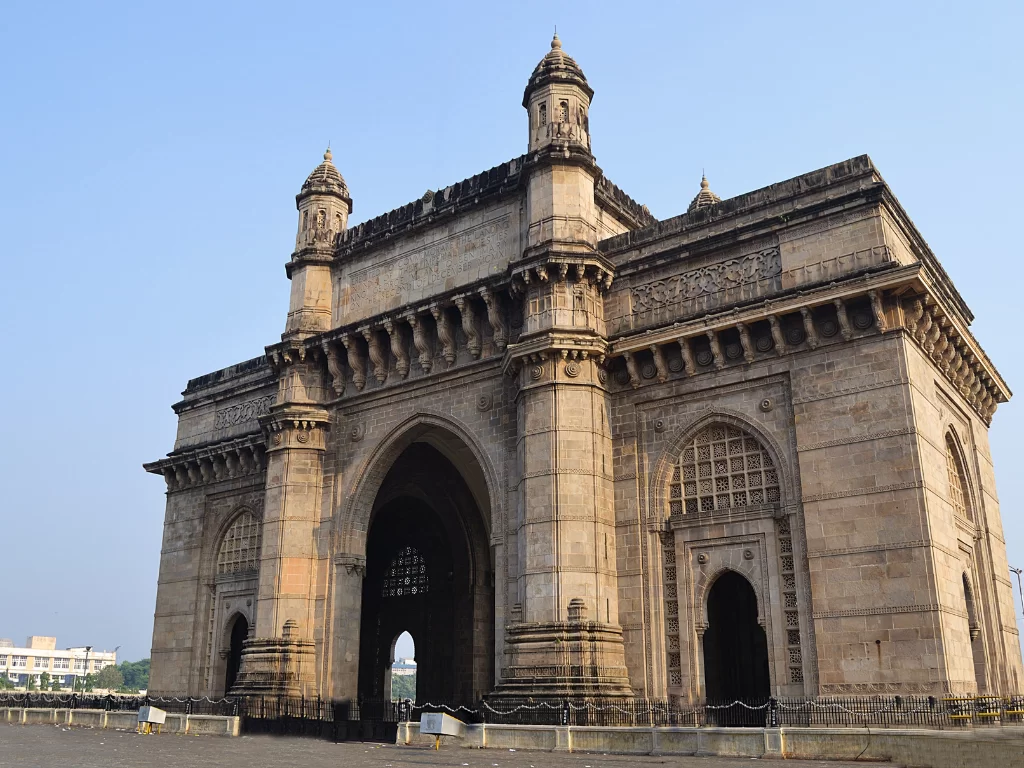
The Gateway of India is Mumbai’s most iconic waterfront monument, built to commemorate the visit of King George V and Queen Mary to India in 1911. Designed by architect George Wittet and completed in 1924, the structure reflects Indo-Saracenic architectural style with influences from Gujarati and Islamic motifs. Visitors come to experience a landmark that symbolises both colonial history and modern Mumbai’s coastal identity.
The atmosphere is lively, coastal, and historic, set along the Arabian Sea at Apollo Bunder in South Mumbai. The open plaza attracts tourists, photographers, and locals throughout the day, while early mornings offer calmer views of the sea and anchored boats. Evenings bring illuminated views and a vibrant public gathering space.
What makes the Gateway of India special is its dual historical symbolism—it marked the ceremonial entry point for British monarchs and later became the departure site of the last British troops from India in 1948. Built from yellow basalt stone, its grand arch overlooking the sea creates a powerful visual identity for Mumbai. Its combination of architectural significance, colonial history, and waterfront setting makes it one of India’s most recognisable landmarks.
The Gateway of India is located on the waterfront at Apollo Bunder in Mumbai, Maharashtra, overlooking the Arabian Sea. The monument was conceived to commemorate the visit of King George V and Queen Mary to India in 1911, marking the first visit of a reigning British monarch to the country.
The foundation stone was laid in 1913, and the structure was designed by architect George Wittet in the Indo-Saracenic architectural style, blending elements of Hindu, Islamic, and European design traditions. Completed in 1924, the basalt arch stands approximately 26 meters high and served as a ceremonial entry point for British viceroys and governors arriving by sea.
Historically significant, the Gateway of India also witnessed the departure of the last British troops from India in 1948, symbolizing the end of colonial rule. Today, it stands as one of Mumbai’s most iconic landmarks, representing both the city’s colonial past and its evolution into a major global metropolis.
The best time to visit the Gateway of India in Mumbai, Maharashtra, is from November to February, when the weather is pleasant and ideal for exploring the waterfront promenade overlooking the Arabian Sea. During these months, temperatures are moderate and humidity is lower, making it comfortable to enjoy the historic monument and nearby attractions like the Taj Mahal Palace Hotel and ferry rides to Elephanta Caves.
Best time of day: 6:30 AM to 9:30 AM for fewer crowds and cooler temperatures, or 5:00 PM to 8:00 PM to enjoy sunset views and the monument illuminated at night.
Gateway Of India is located in Colaba, South Mumbai, Maharashtra, overlooking the Arabian Sea near the Taj Mahal Palace Hotel. Built during the British era, it is one of Mumbai’s most iconic landmarks and is easily accessible by road, rail, and air.
The Gateway of India, located in Colaba overlooking the Arabian Sea in Mumbai, Maharashtra, is one of India’s most iconic colonial-era monuments. Built in the early 20th century to commemorate the visit of King George V and Queen Mary, the structure stands as a historic waterfront landmark and a vibrant public gathering space rather than a museum-style monument.
Tip for a smoother visit: visit early morning for fewer crowds and softer light, combine your trip with Elephanta ferry services if planned, and remain mindful of belongings in the busy public space.
The Gateway of India, located at Apollo Bunder in Colaba, Mumbai, Maharashtra, was completed in 1924 and designed by architect George Wittet in Indo-Saracenic style. Built from yellow basalt and reinforced concrete, the monument overlooks the Arabian Sea and stands opposite the historic Taj Mahal Palace Hotel. As one of Mumbai’s most recognizable landmarks, it offers strong opportunities for architectural symmetry, waterfront compositions, and sunrise photography.
 Garden
Joggers Park is a public park located in Bandra West, Mumbai, Maharashtra, overlooking the Arabian Sea.
 Lake
Lake
Lonar Lake is a saline crater lake formed by a meteorite impact, located in Lonar, Buldhana district, Maharashtra, India.
 Beach
Beach
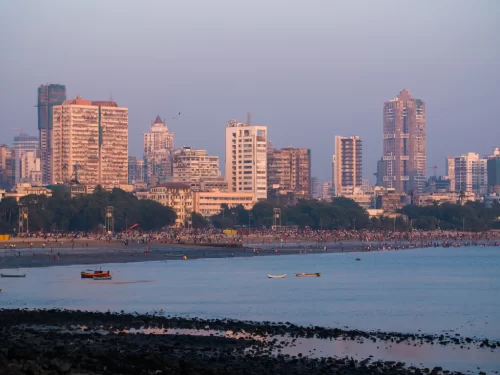
Juhu Beach is one of Mumbai’s most famous beaches, known for its lively atmosphere and scenic Arabian Sea views.
Get customized Maharashtra tour planning designed around seasonal weather shifts, long-distance road travel flow, hill station comfort, coastal timing, and heritage exploration pacing. Whether you are visiting for historic caves, spiritual journeys, beach
⚡ Quick Response | 💰 Free consultation | 🕒 24×7 expert support

