+91 9910402252
admin@chalbanjare.com


| Entry Fee | Indian adults 40 | Foreign nationals 600 | Children below 15 years Free |
|---|---|
| Timings | 9:00 AM – 5:00 PM (Closed on Mondays) |
| Altitude (m) | 173 m |
| Ideal Visit Duration | 3–4 hours (including ferry travel) |
| Best Time of Day | Morning to catch first ferry and avoid afternoon heat |
| Crowd Level | Moderate–High (very busy on weekends and holidays) |
| Distance from City Centre (km) | 11 km by sea from Gateway of India |
| Walking Difficulty | Moderate (steps and uphill climb from jetty to caves) |
| Parking Available | Limited (parking near Gateway of India jetty) |
| Last Mile Access | Ferry from Gateway of India; toy train and steps to caves |
| Suitable for Kids | Yes (supervision required on steps and ferry) |
| Suitable for Seniors | Limited (steep steps and walking involved) |
| Wheelchair Friendly | No |
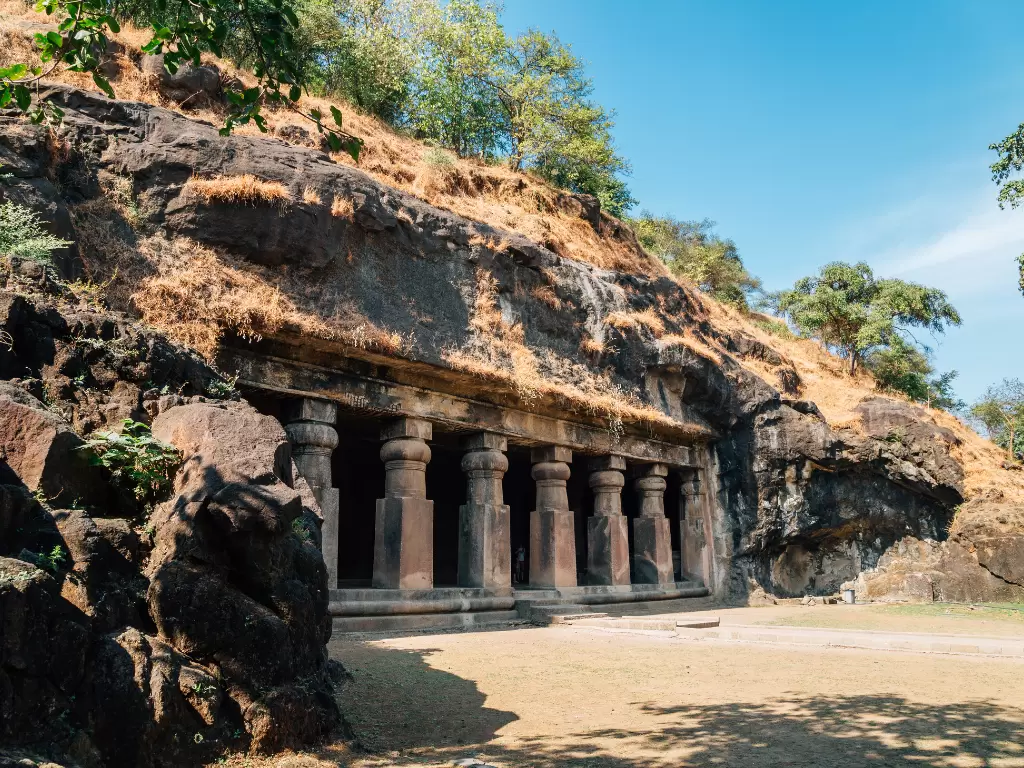
The Elephanta Caves, located on Elephanta Island in Mumbai Harbour, Maharashtra, are a UNESCO World Heritage Site renowned for their rock-cut cave temples dedicated primarily to Lord Shiva. Dating between the 5th and 8th centuries CE (exact patronage debated among scholars), the caves represent a high point of early medieval Indian rock-cut architecture. Visitors come to explore their monumental sculptures and experience a historic island setting accessible by ferry from the Gateway of India.
The atmosphere is historic, cave-like, and contemplative, with massive stone pillars and sculpted panels carved directly into basalt rock. The ferry journey across Mumbai Harbour adds to the experience, creating a gradual transition from urban bustle to heritage landscape. Inside the caves, filtered natural light enhances the dramatic presence of the sculptures.
What makes the Elephanta Caves special is the iconic Trimurti (Maheshmurti) sculpture, a grand three-faced depiction of Lord Shiva representing creation, preservation, and destruction. The caves demonstrate advanced rock-cut engineering and detailed iconography reflecting Shaivite traditions. Their UNESCO recognition highlights their outstanding universal value as one of India’s most significant cave temple complexes.
The Elephanta Caves are located on Elephanta Island in Mumbai Harbour, Maharashtra, and date back to between the 5th and 8th centuries CE. The rock-cut cave complex is primarily dedicated to Lord Shiva and represents one of the most significant examples of early medieval Indian temple architecture carved directly into basalt rock.
The caves are traditionally attributed to the Kalachuri or early Chalukya rulers, though scholarly debate continues regarding precise patronage. The main cave features monumental sculptural panels, including the iconic three-headed Trimurti Sadashiva, which symbolizes Shiva as creator, preserver, and destroyer. The artistic style reflects the mature phase of Deccan rock-cut architecture with intricate relief carvings and balanced spatial design.
The island was named “Elephanta” by the Portuguese in the 16th century after a large stone elephant sculpture found near the site. In 1987, the Elephanta Caves were designated as a UNESCO World Heritage Site in recognition of their outstanding artistic and cultural value. Today, the caves stand as a monumental testament to India’s rock-cut architectural tradition and Shaivite devotional heritage.
The best time to visit Elephanta Caves in Mumbai, Maharashtra, is from November to February, when the weather is pleasant and suitable for exploring this UNESCO World Heritage Site located on Elephanta Island in Mumbai Harbour. During these months, temperatures are moderate and sea conditions are generally calmer, making the ferry ride from the Gateway of India more comfortable.
Best time of day: 9:00 AM to 12:00 PM is ideal for visiting Elephanta Caves, allowing sufficient time to explore the main cave complex and return before afternoon crowds.
Elephanta Caves are located on Elephanta Island (Gharapuri Island) in Mumbai Harbour, Maharashtra. A UNESCO World Heritage Site known for its rock-cut cave temples dedicated primarily to Lord Shiva, the island is accessible only by boat from Mumbai.
Elephanta Caves, located on Elephanta Island in Mumbai Harbour, Maharashtra, are a UNESCO World Heritage Site known for their rock-cut cave temples dating between the 5th and 8th centuries CE. Dedicated primarily to Lord Shiva, the caves represent early medieval Indian rock-cut architecture and sculpture, offering a heritage-rich and moderately physical exploration experience.
Tip for a smoother visit: start early to avoid heat and ferry queues, wear comfortable footwear for climbing steps, carry water, and plan your return ferry timing in advance to avoid waiting delays.
Elephanta Caves, located on Elephanta Island in Mumbai Harbour, Maharashtra, is a UNESCO World Heritage Site dating between the 5th and 8th centuries CE. The rock-cut cave temples, primarily dedicated to Lord Shiva, are renowned for their monumental sculptures, especially the iconic Trimurti (Maheshmurti). Carved from basalt rock, the caves represent early medieval Indian rock-cut architecture and offer powerful opportunities for heritage and sculptural photography.
 Garden
Joggers Park is a public park located in Bandra West, Mumbai, Maharashtra, overlooking the Arabian Sea.
 Lake
Lake
Lonar Lake is a saline crater lake formed by a meteorite impact, located in Lonar, Buldhana district, Maharashtra, India.
 Beach
Beach
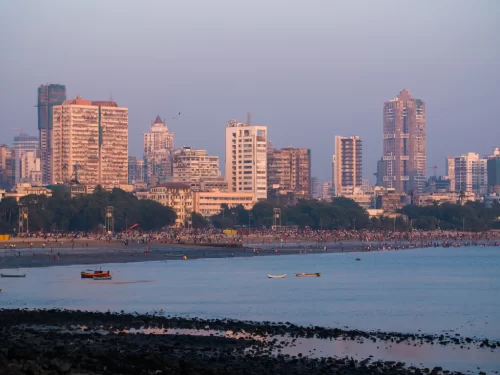
Juhu Beach is one of Mumbai’s most famous beaches, known for its lively atmosphere and scenic Arabian Sea views.
Get customized Maharashtra tour planning designed around seasonal weather shifts, long-distance road travel flow, hill station comfort, coastal timing, and heritage exploration pacing. Whether you are visiting for historic caves, spiritual journeys, beach
⚡ Quick Response | 💰 Free consultation | 🕒 24×7 expert support

