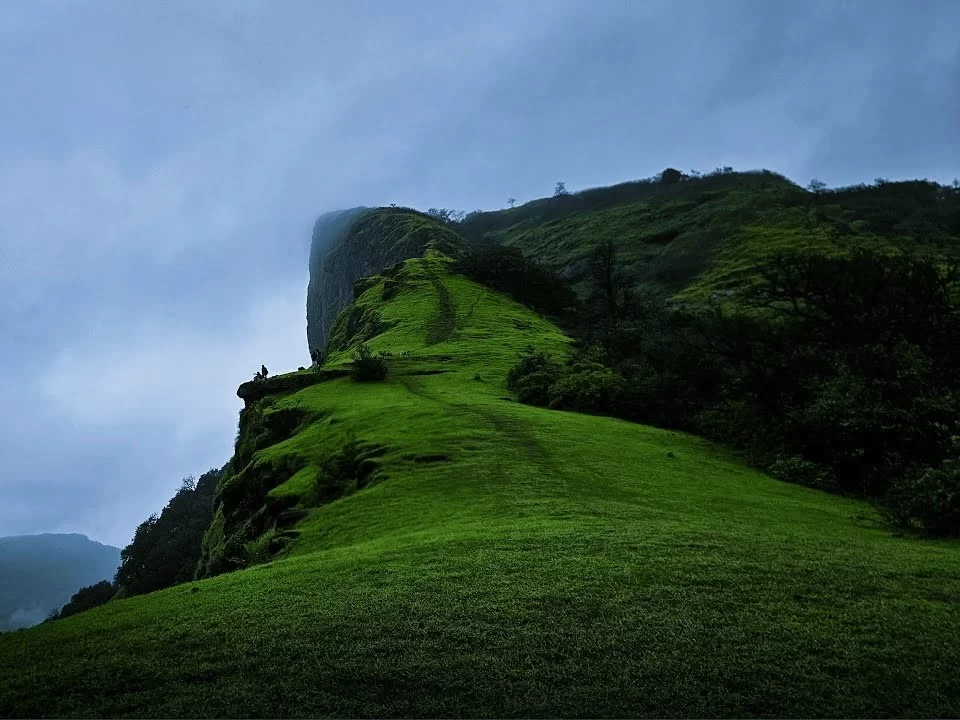
Duke’s Nose, Lonavala, Maharashtra, India

Duke’s Nose , Lonavala
Visitors come to enjoy panoramic views of the Western Ghats, trekking routes, rock climbing activities, and the surrounding valleys between Lonavala and Khandala. The site is popular among adventure enthusiasts and photographers, especially during the monsoon season when the landscape turns lush green.

Quick Facts About Duke’s Nose

Duke’s Nose Quick Facts

Entry Fee No entry fee
Timings Open 24 hours; best visited during daylight (6:00 AM–6:30 PM)
Altitude (m) Approximately 650 m above sea level
Ideal Visit Duration 2–3 hours
Best Time of Day Early morning for trekking and clear valley views
Crowd Level Moderate; popular among trekkers and adventure seekers
Distance from City Centre (km) Approximately 12 km from Lonavala and 70 km from Pune
Walking Difficulty Moderate to Difficult; includes trekking and rocky trail sections
Parking Available Yes, limited parking available near trail starting points
Last Mile Access Road access up to Khandala/Lonavala base followed by a trekking route to viewpoint
Suitable for Kids Yes, but only with supervision due to steep cliffs
Suitable for Seniors Limited; steep and uneven trekking paths may be challenging
Wheelchair Friendly No; rocky cliffside trekking path is not accessible

Why Visit Duke’s Nose Lonavala

Visitors come to Duke’s Nose to experience a dramatic cliff viewpoint offering sweeping views of the Western Ghats and the valley below near Lonavala.

The atmosphere is adventurous and scenic, with strong winds, steep cliffs, and trekking trails that attract hikers, photographers, and nature lovers.

What makes Duke’s Nose distinct is its sharp, nose-shaped cliff formation, its popularity for trekking and rappelling activities, and its panoramic viewpoints overlooking the Sahyadri mountain range.

History of Duke’s Nose

Duke’s Nose, also known as Nagphani, is a prominent cliff formation located near Lonavala in Maharashtra’s Western Ghats. The name “Duke’s Nose” was given during the British colonial period, as the rock formation resembles the pointed shape of the Duke of Wellington’s nose.

The site has long been part of the Sahyadri mountain landscape, shaped over millions of years through natural erosion and geological processes. It lies along ancient routes used by local communities and later became more accessible during the development of hill stations in the British era.

Today, Duke’s Nose is a popular trekking and adventure destination, known for its dramatic cliff views, valley landscapes, and significance within the Western Ghats’ natural and tourism heritage.

Best Time to Visit Duke’s Nose

Duke’s Nose in Lonavala is best visited from October to May when the weather is pleasant, offering clear views of the Sahyadri ranges, valleys, and dramatic cliff formations, making it ideal for trekking, photography, and nature exploration.

  • Ideal months: October to May is the most favorable period to visit Duke’s Nose, offering comfortable temperatures and safe trekking conditions.
  • Weather conditions during the best season: Cool mornings, pleasant afternoons, and generally clear skies provide ideal conditions for trekking, rock climbing (with guidance), and enjoying panoramic views of the Western Ghats.
  • Periods to avoid: June to September brings heavy monsoon rainfall, strong winds, and extremely slippery trekking trails, making the climb risky and often unsafe. Visibility is also reduced due to dense mist during peak monsoon.

How to Reach Duke’s Nose

  • Nearest Airport: Pune International Airport, located approximately 70 km from Duke’s Nose, is the nearest airport. Mumbai’s Chhatrapati Shivaji Maharaj International Airport, about 110 km away, is another major option with wider connectivity.
  • Nearest Railway Station: Lonavala Railway Station, about 8 km away, is the nearest railway station and offers excellent connectivity on the Mumbai–Pune railway route.
  • Road Access and Last-Mile Connectivity: Duke’s Nose is a popular cliff viewpoint located near Khandala–Lonavala in Maharashtra’s Western Ghats. Visitors can reach the base area by private vehicle, taxi, or local transport via the Mumbai–Pune Expressway and old Mumbai–Pune highway. The final stretch involves a short trek through forest trails and rocky terrain leading to the cliff viewpoint. The route is moderately challenging and offers panoramic views of the valley, making it a popular spot for trekking and adventure activities. Caution is advised during monsoon due to slippery paths and strong winds.

What to Expect When You Visit Duke’s Nose

  • Environment and Surroundings: Duke’s Nose (Nagphani) is a prominent cliff viewpoint in Lonavala, Maharashtra, named for its resemblance to a pointed nose. Visitors can expect dramatic Sahyadri mountain views, deep valleys, dense forests, and occasional mist creating a scenic and adventurous atmosphere.
  • Facilities and Amenities: Basic facilities such as parking areas, small tea stalls, and local guides are available near the base points. However, there are no major commercial facilities at the cliff itself, and visitors should rely on Lonavala town for restaurants, hotels, and other services.
  • Accessibility and Movement: The site is accessible by road up to nearby trailheads, followed by a moderate trek or walk to reach the viewpoint. The path includes rocky terrain, forest trails, and mild climbing sections requiring caution and proper footwear.
  • Visitor Conditions: Most visitors come for trekking, photography, paragliding viewpoints, and sunset views. The area can become slippery during monsoon due to heavy rains and fog, and visibility may be reduced. Weekends and holiday seasons see higher tourist activity.

Important Visitor Information for Duke’s Nose

  • Duke’s Nose attracts the highest number of visitors during weekends, public holidays, and the winter and monsoon seasons when Lonavala experiences peak tourism.
  • Early morning and late afternoon hours generally offer the best experience, with cooler weather, clear valley views, and ideal conditions for photography and trekking.
  • Monsoon season brings lush greenery and dramatic cloud views, but heavy rain and fog can make trekking trails slippery and reduce visibility.
  • No specific dress code applies, but comfortable trekking clothes, rain protection during monsoon, and sturdy footwear with good grip are strongly recommended.
  • Visitors should exercise extreme caution near cliff edges, avoid risky photography spots, follow trek safety guidelines, and avoid trekking during heavy rain or low visibility conditions.

Photography and Viewpoints at Duke’s Nose (Nagphani)

  • The cliff-edge viewpoint offers the most iconic photography angle, where the sharp rock formation resembling a “nose” stands out dramatically against the Sahyadri mountain ranges.
  • Early morning provides the best visibility, soft golden light, and mist-filled valleys, making it ideal for capturing wide-angle landscape shots.
  • The trekking trail leading to Duke’s Nose offers multiple natural viewpoints for photographing deep valleys, dense forests, and winding mountain ridges.
  • Paragliding activity is a major highlight here, allowing dynamic action photography with gliders soaring above cliffs and valleys.
  • Sunset is especially photogenic, with warm tones illuminating the cliffs and creating dramatic silhouettes of the rock formation.
  • Photography is generally permitted in public trekking areas, but visitors should exercise extreme caution near cliff edges due to strong winds and steep drops.
  • Weekdays and early mornings usually provide quieter trekking conditions, while weekends attract adventure seekers and paragliding crowds.

Near By Attraction

Bhaje Waterfall near Lonavala featuring tiered stone steps, rocky cliff terrain, and scenic hills, perfect Lonavala tour package experience. Waterfall

Bhaje Waterfall

Bhaje Waterfall is a seasonal waterfall located near Bhaje village in the Lonavala region of Pune district, Maharashtra, India.

Lohagad Fort near Lonavala featuring winding stone staircases, ancient fort bastions, and lush monsoon greenery, perfect Lonavala tour package experience. Fort

Lohagad Fort

Lohagad Fort is a historic hill fort located near Lonavala in Pune district, Maharashtra, India.

Shingroba Waterfall near Khandala featuring streams flowing down dark rocky cliffs and surrounded by dense green forest, perfect Lonavala tour package experience. Waterfall

Shingroba Waterfall

Shingroba Waterfall is a seasonal waterfall located in the Western Ghats region of Maharashtra, India.

Frequently Asked Questions About Duke’s Nose

This viewpoint is famous for its dramatic cliff formation, panoramic valley views, trekking routes, and thrilling outdoor scenery. Visitors come to enjoy the fresh mountain air, capture spectacular photographs, and experience one of the most scenic viewpoints in the region.
The ideal time to visit is from October to March when the weather is comfortable and visibility is generally clear. Early morning also offers cooler temperatures and excellent conditions for photography and trekking.
Most visitors spend two to three hours enjoying the viewpoints, walking along the trails, taking photographs, and relaxing in the peaceful natural surroundings without feeling rushed.
Entry policies may vary depending on local management arrangements. Carrying some cash or a digital payment option is useful for parking, refreshments, or other visitor services if required.
Parking facilities are generally available near the access point. During weekends and holidays the parking area can become busy, so arriving earlier usually provides a more convenient experience.
The viewpoint is accessible by road using buses, taxis, shared vehicles, or private cars. Visitors usually complete the final stretch on foot along a marked trail.
Families can enjoy the viewpoint comfortably, but the walking trail and cliff edges require extra care. Children should always remain supervised and senior citizens should assess their comfort before starting the walk.
Wheelchair accessibility is limited because the approach includes natural trails, uneven ground, and rocky sections. Visitors requiring mobility assistance should travel with a companion.
Photography is generally permitted and the viewpoint offers outstanding opportunities to capture cliffs, valleys, forests, and mountain landscapes. Visitors should remain within safe viewing areas while taking photographs.
Comfortable trekking shoes, drinking water, sunscreen, sunglasses, weather appropriate clothing, light snacks, and a camera are recommended for a safe and enjoyable visit.
Avoid standing close to cliff edges, littering, ignoring weather conditions, leaving marked trails, or visiting after dark. Following safety instructions helps ensure a secure and memorable experience.

Loved this place ? Let’s Plan Your Maharashtra Trip

Get customized Maharashtra tour planning designed around seasonal weather shifts, long-distance road travel flow, hill station comfort, coastal timing, and heritage exploration pacing. Whether you are visiting for historic caves, spiritual journeys, beach

⚡ Quick Response | 💰 Free consultation | 🕒 24×7 expert support

×

Plan Your Trip