Chhatrapati Shivaji Maharaj Vastu Sangrahalaya – The Premier Museum of Mumbai

Chhatrapati Shivaji Maharaj Vastu Sangrahalaya , Mumbai
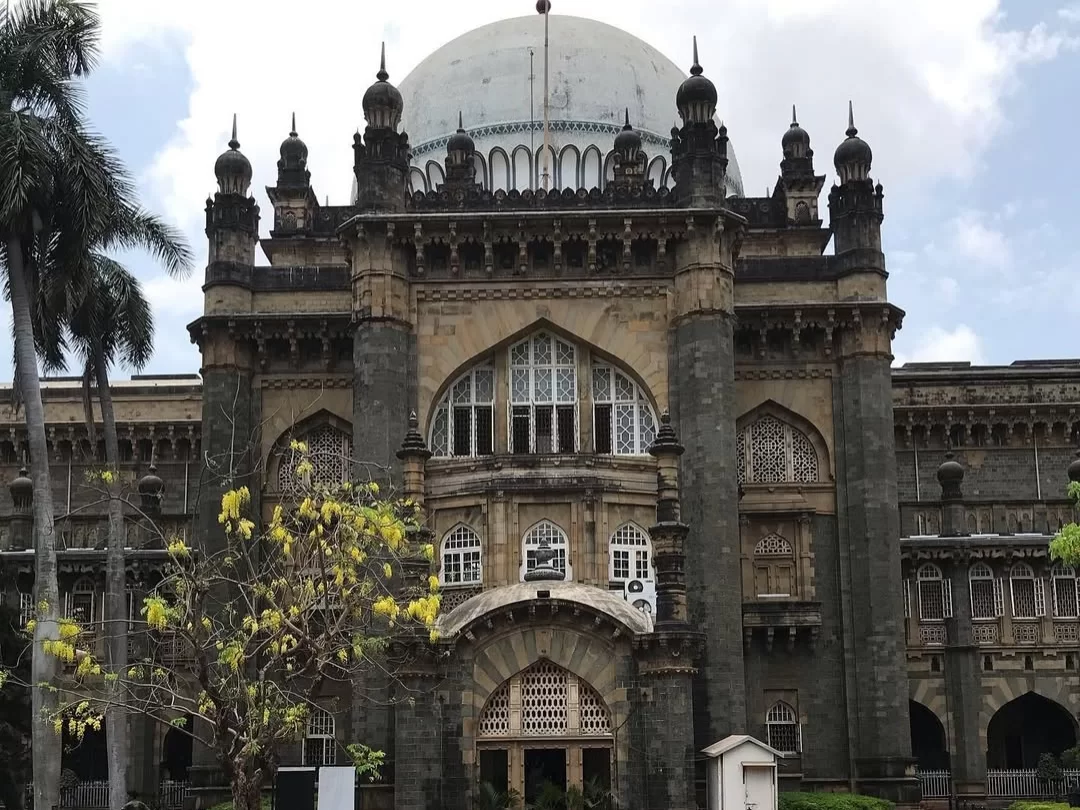
Chhatrapati Shivaji Maharaj Vastu Sangrahalaya, formerly known as the Prince of Wales Museum, was established in the early 20th century and is located in South Mumbai. The museum showcases an impressive range of artifacts including ancient sculptures, miniature paintings, decorative arts, textiles, and rare manuscripts. Built in Indo-Saracenic architectural style, it stands as one of India’s most important cultural institutions and a major heritage attraction in Mumbai.

Quick Facts About Chhatrapati Shivaji Maharaj Vastu Sangrahalaya

Quick Facts About Chhatrapati Shivaji Maharaj Vastu Sangrahalaya

Entry Fee Indian adults 150 | Children 75 | Foreign nationals 700
Timings 10:15 AM – 6:00 PM (daily)
Altitude (m) 14 m
Ideal Visit Duration 2–3 hours
Best Time of Day Morning for quieter gallery exploration
Crowd Level Moderate–High (busy on weekends and tourist season)
Distance from City Centre (km) 2 km (from South Mumbai city centre)
Walking Difficulty Easy (indoor galleries with flat flooring)
Parking Available Limited (paid parking nearby)
Last Mile Access Taxi/auto/local train to Churchgate or CST; short walk to museum
Suitable for Kids Yes (educational exhibits and activity sections)
Suitable for Seniors Yes (lifts and seating available)
Wheelchair Friendly Yes (ramps, lifts, and accessible galleries available)

Why Visit Chhatrapati Shivaji Maharaj Vastu Sangrahalaya

Why Visit

Chhatrapati Shivaji Maharaj Vastu Sangrahalaya (CSMVS), formerly known as the Prince of Wales Museum of Western India, is one of Mumbai’s premier museums located in South Mumbai, Maharashtra. Established in the early 20th century and opened to the public in 1922, the museum houses extensive collections of art, archaeology, and natural history. Visitors come to explore artefacts spanning ancient Indian civilizations, miniature paintings, sculptures, and decorative arts from across Asia.

Atmosphere

The atmosphere is refined, educational, and heritage-focused, set within a grand Indo-Saracenic building designed by architect George Wittet. The landscaped gardens and domed structure create an elegant entry experience, while well-organised galleries allow visitors to move through historical timelines in a structured manner. The museum environment feels calm and immersive despite its central city location.

What Makes it Special

What makes Chhatrapati Shivaji Maharaj Vastu Sangrahalaya special is its architectural blend of Mughal, Maratha, and European elements, crowned by a prominent central dome. Its diverse collections include rare Indus Valley artefacts, Himalayan art, arms and armour, and maritime history exhibits. As one of India’s leading cultural institutions, it represents both colonial-era architectural legacy and modern curatorial excellence.

History of Chhatrapati Shivaji Maharaj Vastu Sangrahalaya

Chhatrapati Shivaji Maharaj Vastu Sangrahalaya is located in Mumbai, Maharashtra, and was originally established in 1905 as the Prince of Wales Museum of Western India. The foundation stone was laid during the visit of the Prince of Wales (later King George V), and the museum was formally opened to the public in 1922.

The building was designed by architect George Wittet in the Indo-Saracenic architectural style, combining elements of Mughal, Maratha, and European Gothic design. Constructed in local basalt stone with a prominent dome inspired by Deccan architecture, the structure reflects early 20th-century colonial-era museum planning integrated with Indian stylistic influences.

After India’s independence, the institution was renamed in honor of Chhatrapati Shivaji Maharaj, the 17th-century Maratha ruler. Today, the museum houses extensive collections of art, archaeology, and natural history from India and across Asia, standing as one of the country’s premier cultural institutions and a major heritage landmark in Mumbai.

Best Time to Visit – Chhatrapati Shivaji Maharaj Vastu Sangrahalaya

The best time to visit Chhatrapati Shivaji Maharaj Vastu Sangrahalaya in Mumbai, Maharashtra, is from November to February, when the weather is pleasant and suitable for exploring the museum and its surrounding heritage precinct near Kala Ghoda. During these months, temperatures are moderate and humidity is lower, making it comfortable to combine the museum visit with nearby cultural attractions.

  • November–December: Cool and comfortable weather—ideal for heritage walks and museum exploration.
  • January–February: Most pleasant season—best for spending extended time inside galleries.
  • March: Warmer conditions begin—morning visits are recommended.
  • April–May (Summer): Hot and humid outside; indoor galleries remain comfortable.
  • June–September (Monsoon): Heavy rainfall; indoor exhibits are unaffected, though travel may be slower during showers.

Best time of day: 10:00 AM to 1:00 PM is ideal for visiting the museum, allowing ample time to explore major galleries before peak afternoon crowds.

  • Heritage tip: Allocate sufficient time to explore Indian miniature paintings, sculptures, and decorative arts collections.
  • Photography tip: Confirm photography policies at the entrance, as restrictions may apply inside galleries.
  • Visitor note: The museum is generally closed on Mondays—check official timings before planning your visit.

How to Reach Chhatrapati Shivaji Maharaj Vastu Sangrahalaya Mumbai

Chhatrapati Shivaji Maharaj Vastu Sangrahalaya (formerly Prince of Wales Museum) is located in Kala Ghoda, Fort area, South Mumbai, Maharashtra. The museum is centrally situated near Gateway of India and is easily accessible by road and suburban rail.

  • By Air (Nearest airport): The nearest airport is Chhatrapati Shivaji Maharaj International Airport, Mumbai, approximately 25–28 km away. From the airport, hire a taxi or app-based cab to Fort, South Mumbai. Travel time is about 1 to 1.5 hours depending on traffic.
  • By Train (Nearest railway stations): The closest suburban railway stations are Churchgate (Western Line) and Chhatrapati Shivaji Maharaj Terminus (CSMT) (Central Line), both about 1–2 km from the museum. From the station, take a taxi or walk to reach the museum.
  • By Metro: Metro connectivity in South Mumbai is limited; visitors typically use suburban rail up to Churchgate or CSMT and continue by road.
  • By Road: The museum is well connected via major roads such as Mahatma Gandhi Road and Shahid Bhagat Singh Road. BEST buses operate frequently toward Fort and Kala Ghoda area.
  • Taxi: Taxis are widely available across Mumbai and can drop you directly at CSMVS Museum, Kala Ghoda. (Auto-rickshaws are not permitted in South Mumbai.)
  • Self-drive: Self-driving is possible, but parking in the Fort area is limited and often crowded. Use designated public parking zones and walk to the museum.
  • Travel tips (EEAT): The museum is generally closed on certain public holidays. Allocate at least 2–3 hours to explore the galleries. Photography rules may vary by section, so confirm guidelines at the entrance.

What to Expect When You Visit Chhatrapati Shivaji Maharaj Vastu Sangrahalaya

Chhatrapati Shivaji Maharaj Vastu Sangrahalaya (CSMVS), located in South Mumbai, Maharashtra, is one of India’s premier art and history museums. Originally established in the early 20th century and built in Indo-Saracenic architectural style, the museum houses extensive collections of art, archaeology, and natural history, offering an immersive cultural and educational experience.

  • Indo-Saracenic architecture: expect a grand domed structure combining Indian, Mughal, and European architectural influences.
  • Extensive art collections: galleries feature Indian miniature paintings, sculptures, decorative arts, and international artifacts.
  • Archaeological exhibits: ancient relics, inscriptions, and sculptures provide insight into India’s early civilizations.
  • Natural history section: select galleries display specimens related to zoology and geology.
  • Structured multi-floor layout: exploring the museum requires moderate walking across multiple themed galleries.
  • Climate-controlled interiors: the museum offers a comfortable indoor environment regardless of weather.
  • Photography regulations: photography may be allowed in certain areas, subject to museum guidelines.
  • Educational orientation: informative panels and curated displays enhance historical understanding.
  • Moderate to heavy footfall: weekends and holidays attract higher visitor numbers.
  • Central heritage location: conveniently located near Gateway of India and other South Mumbai landmarks.

Tip for a smoother visit: allocate at least two to three hours for a meaningful exploration, prioritize galleries based on interest if short on time, and visit during weekday mornings for a quieter experience.

Important Visitor Information – Chhatrapati Shivaji Maharaj Vastu Sangrahalaya, Mumbai

  • Crowd & Weather Notes: The museum experiences steady to heavy footfall during peak tourist season (November to February), weekends, and school holidays. Mumbai has a tropical coastal climate; summers (March to May) are hot and humid, monsoon months (June to September) bring heavy rainfall, and winters are relatively pleasant for indoor visits.
  • Peak / Quiet Hours: Peak hours are late morning to early afternoon when tour groups and school visits arrive. Early morning soon after opening on weekdays is quieter and allows a more relaxed exploration of the galleries.
  • Dress Code: No formal dress code applies. Wear comfortable clothing suitable for indoor gallery visits and comfortable footwear, as the museum complex is extensive.
  • Safety Notes: Follow museum guidelines regarding photography and restricted sections. Do not touch artifacts unless explicitly permitted. Keep personal belongings secure in crowded areas and supervise children closely inside galleries.

Photography and Viewpoint – Chhatrapati Shivaji Maharaj Vastu Sangrahalaya Mumbai

Chhatrapati Shivaji Maharaj Vastu Sangrahalaya (CSMVS), formerly known as the Prince of Wales Museum, is located in South Mumbai, Maharashtra. Established in the early 20th century and designed by architect George Wittet, the museum reflects Indo-Saracenic architectural style with a grand dome, arched corridors, and detailed stonework. Surrounded by landscaped gardens, the museum offers strong opportunities for architectural, heritage, and controlled interior photography.

  • Photography permissions: Photography inside galleries may require a ticket or may be restricted in certain sections; confirm current museum rules at the entrance.
  • Best light for exterior photography: Early morning provides softer light on the stone façade and reduces crowd presence in garden areas.
  • Dome symmetry compositions: Position centrally in the garden area to frame the grand central dome and arched façade in balanced alignment.
  • Garden-context framing: Use landscaped lawns, palm trees, and pathways as leading lines toward the museum building.
  • Wide vs. telephoto strategy: Wide lenses capture full façade and courtyard context, while telephoto lenses isolate dome carvings and architectural details.
  • Interior gallery shots: If permitted, focus on exhibit halls with careful exposure control to avoid glare on glass displays.
  • Detail-focused photography: Highlight stone carvings, jali work, arches, and decorative motifs reflecting Indo-Saracenic design.
  • Mobile photography tips: Use gridlines for vertical alignment, avoid flash inside galleries, and stabilize shots in low-light conditions.
  • Crowd & timing awareness: Weekday mornings offer quieter surroundings and unobstructed exterior compositions.
  • Responsible museum photography: Respect exhibit restrictions, avoid touching artifacts, and follow all conservation guidelines.

Near By Attraction

Juhu Beach Mumbai golden hour skyline crowd fishing boats Arabian Sea palm trees, perfect Mumbai beach sunset street food celebrity spotting package.  Beach

Juhu Beach

Juhu Beach is one of Mumbai’s most famous beaches, known for its lively atmosphere and scenic Arabian Sea views.

Cave interior at Kanheri Caves Mumbai Maharashtra during dim light, featuring stupa, carved pillars, vaulted ceiling, perfect heritage experience Mumbai tour package.  Cave

Kanheri Caves

Kanheri Caves is a historic group of rock-cut Buddhist caves in Mumbai, known for its ancient sculptures and monastic heritage.

Kamala Nehru Park Mumbai. Popular Malabar Hill park featuring the iconic Old Woman’s Shoe and city views. Adventure Park

Kamala Nehru Park

Kamala Nehru Park is a popular hilltop garden in Mumbai, known for its iconic Boot House and panoramic city views.

Frequently Asked Questions About Chhatrapati Shivaji Maharaj Vastu Sangrahalaya

Chhatrapati Shivaji Maharaj Vastu Sangrahalaya is located in South Mumbai Maharashtra near Kala Ghoda and Gateway Of India. It is one of the main museums in the city.
Chhatrapati Shivaji Maharaj Vastu Sangrahalaya can be reached easily by taxi bus or local train to Churchgate or Chhatrapati Shivaji Maharaj Terminus followed by a short drive. It is within walking distance from Gateway Of India.
The best time to visit Chhatrapati Shivaji Maharaj Vastu Sangrahalaya is between November and February when Mumbai weather is relatively pleasant. Visiting in the morning allows more time to explore exhibits comfortably.
Chhatrapati Shivaji Maharaj Vastu Sangrahalaya is popular for its extensive collection of art sculptures natural history exhibits and Indo Saracenic architecture. It attracts visitors interested in history culture and heritage.
Chhatrapati Shivaji Maharaj Vastu Sangrahalaya is suitable for family visits as it offers organized galleries and educational displays. Children and adults can explore exhibits at a comfortable pace.
There are several hotels near Chhatrapati Shivaji Maharaj Vastu Sangrahalaya in South Mumbai including options in Colaba and Fort. Many travelers prefer staying nearby for easy access to multiple attractions.
Chhatrapati Shivaji Maharaj Vastu Sangrahalaya provides facilities including ticket counters guided tours audio guides restrooms and a museum shop. Cafes and restaurants are available in the surrounding area.
Most travelers spend two to three hours at Chhatrapati Shivaji Maharaj Vastu Sangrahalaya exploring its galleries and exhibits. It is often included in a South Mumbai sightseeing plan.
Chhatrapati Shivaji Maharaj Vastu Sangrahalaya is typically closed on certain public holidays and may have weekly closure days. Checking official timings before visiting is advisable.
Travelers visiting Chhatrapati Shivaji Maharaj Vastu Sangrahalaya should carry valid identification follow photography guidelines and allocate sufficient time for multiple galleries. Arriving early helps avoid peak crowds.

Loved this place ? Let’s Plan Your Maharashtra Trip

Get customized Maharashtra tour planning designed around seasonal weather shifts, long-distance road travel flow, hill station comfort, coastal timing, and heritage exploration pacing. Whether you are visiting for historic caves, spiritual journeys, beach

⚡ Quick Response | 💰 Free consultation | 🕒 24×7 expert support

×

Plan Your Trip