Chhatrapati Shivaji Maharaj Terminus – The Iconic UNESCO Heritage Railway Station of Mumbai

Chhatrapati Shivaji Maharaj Terminus , Mumbai
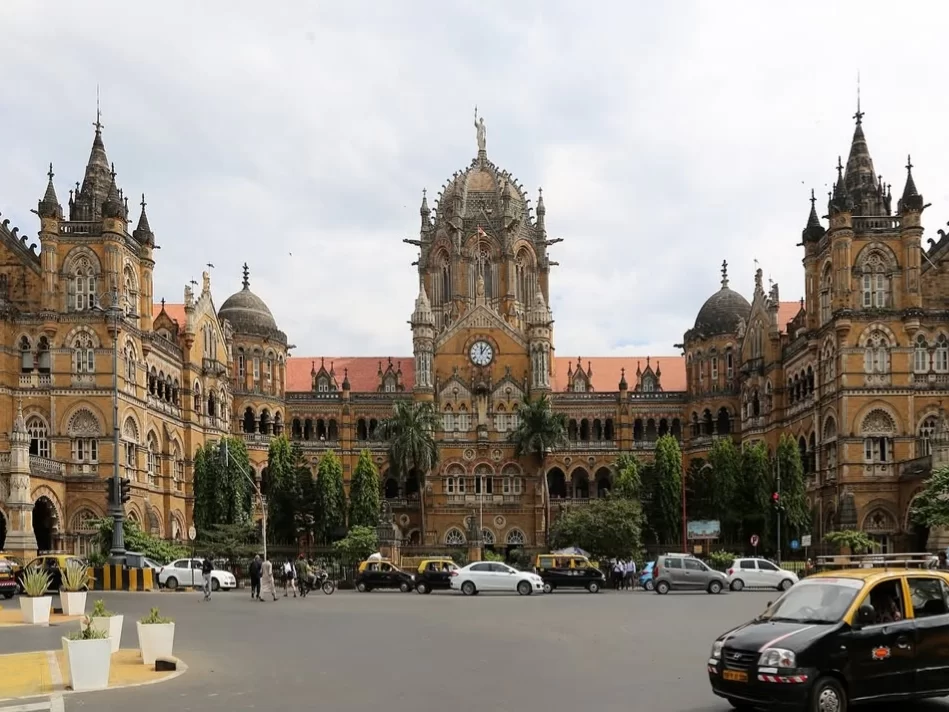
Chhatrapati Shivaji Maharaj Terminus (CSMT), formerly known as Victoria Terminus, was completed in 1887 during British rule. Designed by architect Frederick William Stevens, the station showcases an impressive blend of Victorian Gothic Revival and traditional Indian architectural styles. Recognized as a UNESCO World Heritage Site in 2004, CSMT remains one of India’s busiest railway hubs and a landmark symbol of Mumbai’s colonial heritage and architectural brilliance.

Quick Facts About Chhatrapati Shivaji Maharaj Terminus

Quick Facts About Chhatrapati Shivaji Maharaj Terminus

Entry Fee No entry fee (platform ticket 10)
Timings Open 24 hours (railway operations)
Altitude (m) 14 m
Ideal Visit Duration 30–60 minutes (for architectural viewing)
Best Time of Day Evening for illuminated exterior views
Crowd Level Very High (one of India’s busiest railway stations)
Distance from City Centre (km) 1 km (from South Mumbai city centre)
Walking Difficulty Easy (large station premises with flat access)
Parking Available Limited (paid parking nearby)
Last Mile Access Direct suburban and long-distance rail access; taxi/metro available
Suitable for Kids Yes (supervision required due to heavy crowds)
Suitable for Seniors Yes (ramps and lifts available)
Wheelchair Friendly Yes (ramps, lifts, and accessible platforms available)

Why Visit Chhatrapati Shivaji Maharaj Terminus

Why Visit

Chhatrapati Shivaji Maharaj Terminus (CSMT), located in Mumbai, Maharashtra, is one of India’s most significant railway stations and a UNESCO World Heritage Site. Completed in 1887 to commemorate Queen Victoria’s Golden Jubilee, the station was originally named Victoria Terminus and designed by British architect Frederick William Stevens. Visitors come to admire its grand Victorian Gothic Revival architecture blended with traditional Indian elements.

Atmosphere

The atmosphere is energetic and historic, as the station functions as one of Mumbai’s busiest railway hubs while retaining its architectural grandeur. Ornate domes, pointed arches, stained glass windows, and sculpted stone details create a striking visual experience even amid daily commuter movement. Evening illumination highlights its intricate façade, enhancing its monumental presence.

What Makes it Special

What makes Chhatrapati Shivaji Maharaj Terminus special is its outstanding example of Victorian Gothic architecture adapted to Indian climatic and cultural conditions. The central dome crowned with a statue symbolising Progress, detailed stone carvings of animals and human figures, and advanced 19th-century railway engineering underscore its universal value. Its UNESCO recognition in 2004 affirms its importance as both a functional transport hub and an architectural masterpiece.

History of Chhatrapati Shivaji Maharaj Terminus

Chhatrapati Shivaji Maharaj Terminus (CSMT) is located in Mumbai, Maharashtra, and was originally constructed as the headquarters of the Great Indian Peninsula Railway during British colonial rule. The station was built between 1878 and 1887 to commemorate the Golden Jubilee of Queen Victoria and was initially named Victoria Terminus.

Designed by British architect Frederick William Stevens, the building is an outstanding example of Victorian Gothic Revival architecture blended with traditional Indian influences. Constructed using sandstone and limestone, the structure features pointed arches, ribbed vaults, stained glass windows, intricate stone carvings, and a central dome crowned with a statue symbolizing progress.

In 1996, the station was renamed in honor of Chhatrapati Shivaji Maharaj, the 17th-century Maratha ruler, reflecting India’s post-independence cultural identity. In 2004, it was inscribed as a UNESCO World Heritage Site for its architectural and historical significance. Today, CSMT remains one of India’s busiest railway hubs and a monumental symbol of Mumbai’s colonial heritage and urban evolution.

Best Time to Visit – Chhatrapati Shivaji Maharaj Terminus

The best time to visit Chhatrapati Shivaji Maharaj Terminus (CSMT) in Mumbai, Maharashtra, is from November to February, when the weather is pleasant and suitable for exploring this UNESCO World Heritage Site. During these months, temperatures are moderate and humidity is lower, making it comfortable to admire the Victorian Gothic architecture and intricate stone carvings of the historic railway terminus.

  • November–December: Cool and comfortable weather—ideal for heritage walks and photography.
  • January–February: Most pleasant season—best for exploring the exterior façade and surrounding areas.
  • March: Warmer conditions begin—morning and evening visits are recommended.
  • April–May (Summer): Hot and humid; early morning or late evening visits are more manageable.
  • June–September (Monsoon): Heavy rainfall; the building appears dramatic against monsoon skies, but outdoor photography may be affected.

Best time of day: 7:00 AM to 9:30 AM for comfortable exploration and fewer crowds outside the station, or 6:00 PM to 8:00 PM to see the illuminated façade.

  • Heritage tip: Observe the intricate stone carvings, stained glass windows, and the iconic dome structure.
  • Photography tip: Evening lighting enhances the architectural grandeur of the façade.
  • Visitor note: As it is a busy railway station, expect heavy commuter traffic throughout the day.

How to Reach Gateway Of India Mumbai

Gateway Of India is located in Colaba, South Mumbai, Maharashtra, overlooking the Arabian Sea near the Taj Mahal Palace Hotel. Built during the British era, it is one of Mumbai’s most iconic landmarks and is easily accessible by road, rail, and air.

  • By Air (Nearest airport): The nearest airport is Chhatrapati Shivaji Maharaj International Airport, Mumbai, approximately 25–30 km away. From the airport, hire a taxi or app-based cab to Colaba. Travel time is about 1 to 1.5 hours depending on traffic.
  • By Train (Nearest railway stations): The closest suburban railway stations are Churchgate (Western Line) and Chhatrapati Shivaji Maharaj Terminus (CSMT) (Central Line), both about 2–3 km away. From either station, take a taxi, bus, or walk to reach the Gateway of India.
  • By Metro: Mumbai Metro connectivity is expanding; currently, visitors typically use suburban rail up to Churchgate or CSMT and continue by road to Colaba.
  • By Road: The Gateway of India is well connected by city roads via Marine Drive and Colaba Causeway. BEST buses operate frequently toward Colaba and nearby stops.
  • Taxi / Auto-rickshaw: Taxis are widely available across Mumbai and can drop you directly at Gateway Of India, Colaba. (Auto-rickshaws are generally not permitted in South Mumbai.)
  • Self-drive: Self-driving is possible, but parking in Colaba is limited and often crowded. Use designated public parking areas and walk to the monument.
  • Travel tips (EEAT): Visit early morning or late evening for pleasant weather and sea views. The area can be crowded on weekends and holidays. Boat rides to Elephanta Caves depart from here—confirm timings in advance.

What to Expect When You Visit Gateway Of India Mumbai

The Gateway of India, located in Colaba overlooking the Arabian Sea in Mumbai, Maharashtra, is one of India’s most iconic colonial-era monuments. Built in the early 20th century to commemorate the visit of King George V and Queen Mary, the structure stands as a historic waterfront landmark and a vibrant public gathering space rather than a museum-style monument.

  • Indo-Saracenic architectural design: expect a grand basalt arch blending Hindu, Muslim, and European architectural elements.
  • Arabian Sea waterfront setting: the monument overlooks Mumbai Harbour, offering open sea views and boat activity.
  • Historic colonial significance: it marked ceremonial entries during British rule and later became symbolic of India’s independence era.
  • Ferry access point: boat services to Elephanta Caves operate from the jetty near the monument.
  • Bustling public atmosphere: the plaza is lively with visitors, street vendors, photographers, and tourists throughout the day.
  • Photography-friendly landmark: the arch, sea backdrop, and Taj Mahal Palace Hotel nearby create iconic photo opportunities.
  • No entry inside structure: visitors admire the monument externally as it is not an interior-access site.
  • Heavy footfall during evenings and weekends: sunset hours attract significant crowds.
  • Proximity to heritage buildings: located opposite the Taj Mahal Palace Hotel and near other Colaba attractions.
  • Short visit duration: most visitors spend 30–60 minutes exploring and photographing the site.

Tip for a smoother visit: visit early morning for fewer crowds and softer light, combine your trip with Elephanta ferry services if planned, and remain mindful of belongings in the busy public space.

Important Visitor Information – Gateway of India, Mumbai

  • Crowd & Weather Notes: Gateway of India experiences heavy footfall throughout the year, especially during weekends, public holidays, and peak tourist season (November to February). Mumbai has a tropical coastal climate; summers (March to May) are hot and humid, monsoon months (June to September) bring heavy rainfall and strong sea winds, while winters are relatively pleasant.
  • Peak / Quiet Hours: Peak hours are late afternoon to evening when visitors gather for sunset views and ferry services to Elephanta Caves. Early morning is comparatively quieter and ideal for photography.
  • Dress Code: No formal dress code applies. Wear light, breathable clothing suitable for humid weather and comfortable footwear for walking along the promenade.
  • Safety Notes: Be cautious near the waterfront and during monsoon when surfaces can be slippery. Use only authorized ferry operators for boat rides. Keep personal belongings secure in crowded areas and follow local security guidelines.

Photography and Viewpoint – Chhatrapati Shivaji Maharaj Terminus Mumbai

Chhatrapati Shivaji Maharaj Terminus (CSMT), located in Mumbai, Maharashtra, is a UNESCO World Heritage Site completed in 1887 and designed by British architect Frederick William Stevens. Built in High Victorian Gothic Revival style with Indian architectural influences, the railway terminus is one of India’s most iconic colonial-era structures. Photography here blends grand façade symmetry, intricate stone carvings, and dynamic urban movement.

  • Best light for photography: Early morning provides softer illumination on the stone façade, while evening lighting enhances architectural drama and detail.
  • Front façade symmetry compositions: Position centrally across the road to capture the domed central tower and balanced Gothic arches.
  • Night illumination shots: Photograph the illuminated structure after sunset for high-contrast, dramatic heritage imagery.
  • Architectural detail photography: Focus on gargoyles, stained glass, pointed arches, turrets, and sculptural stonework reflecting Victorian Gothic style.
  • Wide vs. telephoto strategy: Wide lenses capture the entire façade and surrounding street context, while telephoto lenses isolate carvings and dome details.
  • Interior platform perspectives: If permitted, capture the historic railway hall’s vaulted ceiling and ironwork while respecting station regulations.
  • Urban storytelling frames: Include moving trains and commuters subtly to reflect the station’s living heritage character.
  • Mobile photography tips: Use gridlines for straight vertical alignment, expose for mid-tones on stone surfaces, and stabilize during low light.
  • Crowd & timing awareness: The station is active throughout the day—early morning provides clearer architectural compositions.
  • Responsible heritage photography: Follow railway security guidelines, avoid restricted zones, and ensure photography does not obstruct passenger movement.

Near By Attraction

Juhu Beach Mumbai golden hour skyline crowd fishing boats Arabian Sea palm trees, perfect Mumbai beach sunset street food celebrity spotting package.  Beach

Juhu Beach

Juhu Beach is one of Mumbai’s most famous beaches, known for its lively atmosphere and scenic Arabian Sea views.

Cave interior at Kanheri Caves Mumbai Maharashtra during dim light, featuring stupa, carved pillars, vaulted ceiling, perfect heritage experience Mumbai tour package.  Cave

Kanheri Caves

Kanheri Caves is a historic group of rock-cut Buddhist caves in Mumbai, known for its ancient sculptures and monastic heritage.

Kamala Nehru Park Mumbai. Popular Malabar Hill park featuring the iconic Old Woman’s Shoe and city views. Adventure Park

Kamala Nehru Park

Kamala Nehru Park is a popular hilltop garden in Mumbai, known for its iconic Boot House and panoramic city views.

Frequently Asked Questions About Chhatrapati Shivaji Maharaj Terminus

Chhatrapati Shivaji Maharaj Terminus is located in South Mumbai Maharashtra and serves as a major railway station in the city. It is situated near key commercial and heritage areas of Mumbai.
Chhatrapati Shivaji Maharaj Terminus can be reached from Mumbai airport by taxi metro and suburban train connections depending on traffic conditions. Travel time usually ranges from 45 minutes to 1.5 hours.
The best time to visit Chhatrapati Shivaji Maharaj Terminus for sightseeing is early morning or late evening when the exterior is well lit and crowds are manageable. The building looks especially striking when illuminated at night.
Chhatrapati Shivaji Maharaj Terminus is famous for its Victorian Gothic architecture and UNESCO World Heritage status. It is one of the busiest railway stations in India and a landmark of Mumbai.
Chhatrapati Shivaji Maharaj Terminus is suitable for family visits especially for those interested in architecture and heritage buildings. Visitors should remain cautious due to heavy passenger movement.
There are several hotels ranging from budget to luxury options near Chhatrapati Shivaji Maharaj Terminus in South Mumbai. Many travelers choose nearby areas like Colaba and Fort for convenient access.
Chhatrapati Shivaji Maharaj Terminus has full railway station facilities including ticket counters waiting areas restrooms and food stalls. Additional restaurants and shops are available in the surrounding Fort area.
Most travelers spend 30 minutes to one hour viewing the exterior and main public areas of Chhatrapati Shivaji Maharaj Terminus. It is often combined with a walking tour of South Mumbai.
Chhatrapati Shivaji Maharaj Terminus is extremely crowded during peak commuting hours in the morning and evening. Visiting outside rush hours provides a more comfortable experience.
Travelers visiting Chhatrapati Shivaji Maharaj Terminus should carry minimal luggage and keep belongings secure due to heavy crowds. Photography inside certain areas may be restricted so checking guidelines is advisable.

Loved this place ? Let’s Plan Your Maharashtra Trip

Get customized Maharashtra tour planning designed around seasonal weather shifts, long-distance road travel flow, hill station comfort, coastal timing, and heritage exploration pacing. Whether you are visiting for historic caves, spiritual journeys, beach

⚡ Quick Response | 💰 Free consultation | 🕒 24×7 expert support

×

Plan Your Trip