Quick Facts About Aadishakti Aai Ekvira Devi Temple
Quick Facts About Aadishakti Aai Ekvira Devi Temple Lonavala
| Entry Fee | No entry fee |
|---|---|
| Timings | 5:30 AM – 12:00 PM and 4:00 PM – 8:00 PM (daily) |
| Altitude (m) | 650 m |
| Ideal Visit Duration | 30–45 minutes |
| Best Time of Day | Morning for peaceful darshan; evenings for ambiance |
| Crowd Level | Moderate (higher on weekends and major festivals) |
| Distance from City Centre (km) | 10 km (from Lonavala town centre) |
| Walking Difficulty | Easy–Moderate (steps and gentle slopes within premises) |
| Parking Available | Yes (parking available near temple) |
| Last Mile Access | Taxi/auto from Lonavala station or town; short walk to temple |
| Suitable for Kids | Yes (supervision recommended near steps) |
| Suitable for Seniors | Limited (steps involved; resting areas available) |
| Wheelchair Friendly | No (steps and uneven ground in parts) |
Why Visit Aadishakti Aai Ekvira Devi Temple Lonavala
Why Visit
Aadishakti Aai Ekvira Devi Temple, located near Karla Caves close to Lonavala in Maharashtra, is a highly revered shrine dedicated to Goddess Ekvira Devi, regarded as a form of Adi Shakti. The temple is especially significant for the Koli fishing community and other local devotees who consider the goddess their kuldevi (family deity). Visitors come to seek blessings for protection, prosperity, and spiritual strength.
Atmosphere
The atmosphere is devotional and energetic, particularly during Navratri and other major festivals when large numbers of devotees climb the stone steps leading to the temple. The hilltop setting near ancient Buddhist caves creates a spiritually layered environment blending natural elevation with sacred tradition. On regular days, the temple maintains a structured and reverent ambience.
What Makes it Special
What makes Aadishakti Aai Ekvira Devi Temple special is its long-standing regional devotion and its proximity to the ancient Karla Caves, reflecting the area’s deep historical continuity. The temple’s association with the Koli community and its vibrant Navratri celebrations reinforce its cultural significance. Its commanding hilltop presence and enduring Shakti worship tradition make it one of Lonavala’s most important religious landmarks.
History of Aadishakti Aai Ekvira Devi Temple Lonavala
Aadishakti Aai Ekvira Devi Temple is located near the Karla Caves in Lonavala, Pune district, Maharashtra, and is dedicated to Goddess Ekvira Devi, revered as a form of Adi Shakti. The temple holds deep significance for the Koli fishing community and other local devotees who regard the goddess as their kuldevi (family deity).
The shrine is believed to have ancient origins, with traditions linking it to early regional worship practices predating the nearby Buddhist cave complex. Its proximity to the Karla Caves suggests the area’s long-standing religious importance along historic trade routes connecting the Konkan coast with the Deccan plateau.
Over centuries, the temple evolved into a major pilgrimage center, especially during the Chaitra Navratri festival when thousands of devotees visit to offer prayers. Today, Aadishakti Aai Ekvira Devi Temple stands as a significant spiritual landmark in Lonavala, representing enduring local goddess worship traditions within Maharashtra’s Sahyadri region.
Best Time to Visit – Aadishakti Aai Ekvira Devi Temple Lonavala
The best time to visit Aadishakti Aai Ekvira Devi Temple near Lonavala, Maharashtra, is from October to February, when the weather is pleasant and suitable for climbing the temple steps and attending darshan. During these months, temperatures are moderate, making it comfortable for devotees to participate in rituals at this revered hilltop shrine near Karla Caves.
- October–November: Post-monsoon freshness with clear skies—ideal for peaceful temple visits.
- December–January: Coolest and most comfortable season—best for early morning and evening worship.
- February: Pleasant conditions continue—morning visits are recommended.
- March–May (Summer): Warm weather; early morning darshan is more manageable.
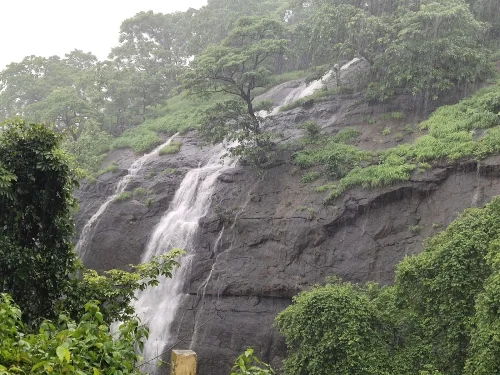
- June–September (Monsoon): Lush green surroundings enhance scenic beauty, but temple steps may be slippery during heavy rainfall.
Best time of day: 6:00 AM to 9:00 AM and 5:00 PM to 8:00 PM are ideal for darshan, offering cooler temperatures and a devotional atmosphere.
- Spiritual tip: Navratri and Chaitra festival periods attract large gatherings—plan visits early during these times.
- Experience note: The hilltop location offers scenic views of the surrounding hills.
- Dress code note: Modest traditional attire is recommended in keeping with temple customs.
How to Reach Aadishakti Aai Ekvira Devi Temple Lonavala
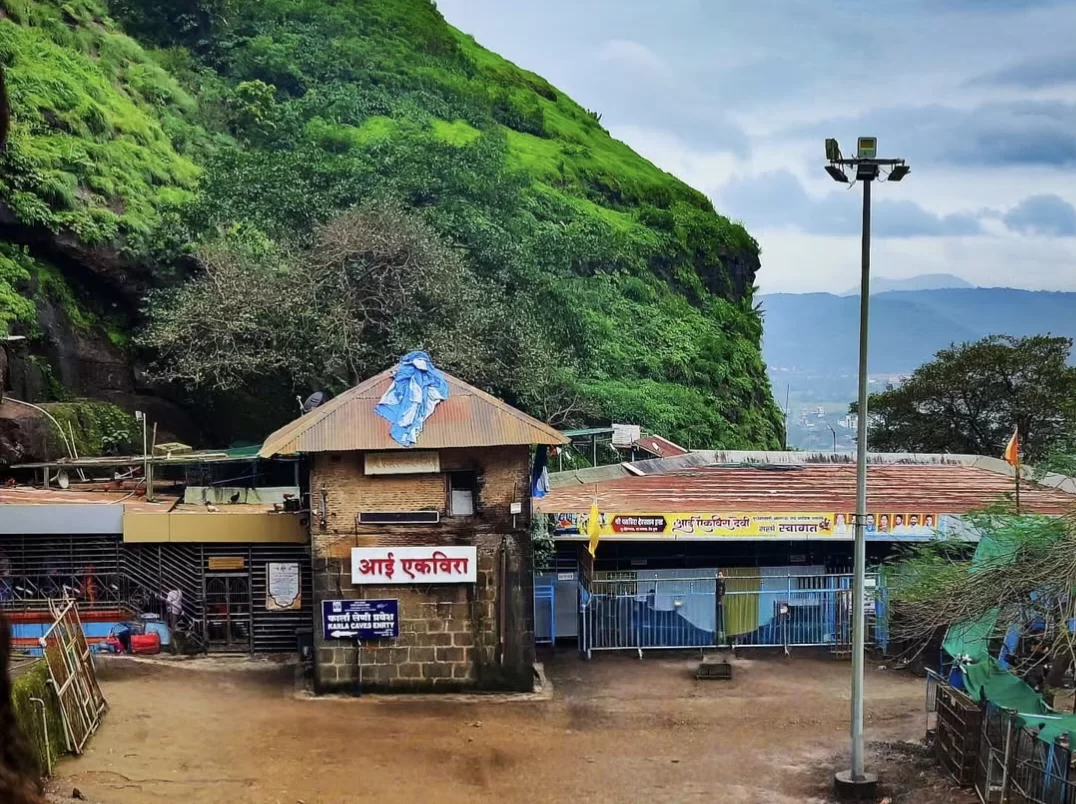
Aadishakti Aai Ekvira Devi Temple is located near Karla Caves, about 10–11 km from Lonavala in Maharashtra. Dedicated to Goddess Ekvira Devi, the temple is an important pilgrimage site for the Koli community and is situated on a hill, accessible by road and a flight of steps.
- By Air (Nearest airports): The nearest airports are Pune International Airport (approximately 60–65 km) and Chhatrapati Shivaji Maharaj International Airport, Mumbai (approximately 95 km). From either airport, hire a taxi or app-based cab to Lonavala/Karla. Travel time ranges from 1.5 to 2.5 hours depending on traffic.
- By Train (Nearest railway station): Malavli Railway Station is the closest station, about 3 km from the temple. Lonavala Railway Station is about 10 km away. From either station, take a taxi or auto-rickshaw to reach the temple base.
- By Road: The temple is accessible via the Mumbai–Pune Expressway and old Mumbai–Pune Highway (NH 48). Take the Karla exit and follow signs toward Ekvira Devi Temple.
- Taxi / Private Cab: Hiring a taxi from Lonavala is a convenient option, especially during Navratri and other festival days.
- Self-drive: Self-driving is convenient via expressway routes. Parking facilities are available near the base of the temple hill.
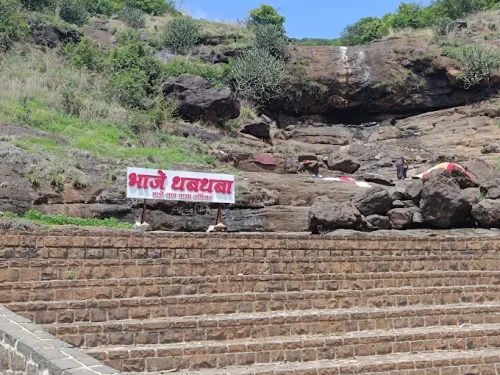
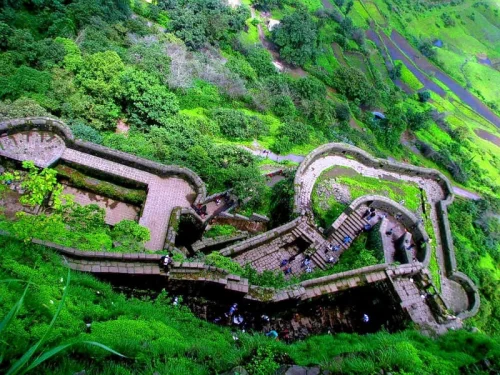
- Walking access: Visitors must climb a long flight of stone steps from the base to reach the temple entrance.
- Travel tips (EEAT): Expect heavy crowds during Navratri and major Hindu festivals. Wear comfortable footwear for climbing steps and dress modestly as per temple customs. Combine the visit with nearby Karla Caves for a heritage and pilgrimage experience.
What to Expect When You Visit Aadishakti Aai Ekvira Devi Temple Lonavala
Aadishakti Aai Ekvira Devi Temple, located near Karla Caves close to Lonavala in Pune district, Maharashtra, is a revered Hindu temple dedicated to Goddess Ekvira Devi, considered a powerful form of Shakti. The temple is especially significant for the Koli community and other regional devotees, attracting large pilgrim gatherings throughout the year.
- Dedicated to Goddess Ekvira Devi: the presiding deity is worshipped as Aadishakti, symbolizing divine feminine power.
- Hilltop shrine setting: reaching the temple requires climbing a long flight of steps from the base near Karla Caves.
- Strong community devotion: the temple holds deep cultural importance, particularly among the Koli community of Maharashtra.
- Navaratri festival prominence: major celebrations during Navaratri draw large numbers of devotees.
- Traditional ritual practices: daily poojas and offerings are performed according to Shakti worship traditions.
- Vibrant devotional atmosphere: expect lively chanting and active pilgrim movement during peak days.
- Modest dress expectations: respectful attire is required; footwear must be removed before entering the sanctum.
- Restricted photography inside sanctum: interior photography is generally limited.
- Panoramic hillside views: elevated location offers scenic views of surrounding hills.
- Often combined with Karla Caves: commonly visited as part of the Lonavala–Karla heritage circuit.
Tip for a smoother visit: visit early morning to avoid long queues, be prepared for stair climbing, avoid peak Navaratri days if seeking a quieter experience, and follow temple customs respectfully during your visit.
Important Visitor Information – Aadishakti Aai Ekvira Devi Temple, Lonavala
- Crowd & Weather Notes: The temple experiences very heavy footfall during Navratri, Chaitra festival, weekends, and auspicious days. Located near Karla Caves in Lonavala, the region has a tropical wet and dry climate; summers (March to May) can be warm, monsoon months (June to September) bring heavy rainfall and slippery steps, and winters are pleasant.
- Peak / Quiet Hours: Peak hours are early morning and evening during pooja and festival periods when long queues are common. Late morning on weekdays is comparatively quieter outside major festival seasons.
- Dress Code: Modest and traditional attire is recommended. Shoulders and knees should be covered. Footwear must be removed before entering the temple premises. Visitors should be prepared to climb a long flight of steps to reach the temple.
- Safety Notes: Exercise caution while climbing steps, especially during monsoon when surfaces can be slippery. Follow temple and local authority guidelines during crowded festival days. Keep personal belongings secure and avoid pushing in queues.
Photography and Viewpoint – Aadishakti Aai Ekvira Devi Temple Lonavala
Aadishakti Aai Ekvira Devi Temple, located near the Karla Caves in Lonavala, Maharashtra, is a revered shrine dedicated to Goddess Ekvira Devi, worshipped especially by the Koli community and other devotees across the region. Situated on a hillside and accessed by a long flight of steps, the temple combines devotional atmosphere with scenic Sahyadri surroundings. Photography here blends stairway perspectives, temple façade framing, and respectful documentation of spiritual activity.
- Photography permissions: Photography inside the sanctum is generally restricted; always follow temple signage and management instructions.
- Best light for photography: Early morning provides softer light on the temple façade and clearer hill views before peak crowds.
- Stairway perspective shots: Use the ascending steps as leading lines toward the temple entrance for strong compositional depth.
- Hillside context framing: Capture the temple with surrounding Sahyadri greenery to provide environmental context.
- Wide vs. telephoto strategy: Wide lenses capture the temple and stairway setting, while telephoto lenses isolate architectural and decorative details.
- Festival-period visuals: During Navratri and special celebrations, wide frames can document decorations and gatherings respectfully.
- Devotional atmosphere frames: Photograph devotees from a respectful distance to preserve sanctity.
- Mobile photography tips: Use gridlines for vertical alignment, expose for mid-tones on painted surfaces, and avoid flash within temple premises.
- Crowd & timing awareness: Festival days and weekends are busier—early visits provide cleaner architectural compositions.
- Responsible religious-site photography: Maintain modest attire, avoid photographing rituals without permission, and strictly follow temple guidelines.