Quick Facts About Sarhi Zone
Quick Facts: Sarhi Zone, Kanha National Park
| Entry Fee | 150 per adult (Indian), 400 per adult (Foreigner); safari vehicle charges apply separately |
| Timings | 06:00–10:00 and 15:00–18:00 (safari hours only) |
| Altitude (m) | 550–700 |
| Ideal Visit Duration | 3–4 hours per safari |
| Best Time of Day | Early morning or late afternoon for wildlife sightings |
| Crowd Level | Moderate to high during peak season (October–June) |
| Distance from City Centre (km) | 28 km from Kanha National Park headquarters at Mukki Gate |
| Walking Difficulty | Low; safari-based, minimal walking required |
| Parking Available | Yes, near safari vehicle boarding points |
| Last Mile Access | Safari vehicles required; private vehicles not allowed inside the zone |
| Suitable for Kids | Yes, under adult supervision |
| Suitable for Seniors | Yes, minimal walking involved |
| Wheelchair Friendly | No, safari vehicles are not equipped for wheelchairs |
Why Visit Sarhi Zone, Kanha National Park
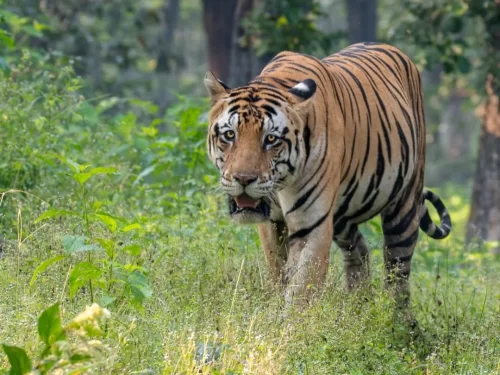
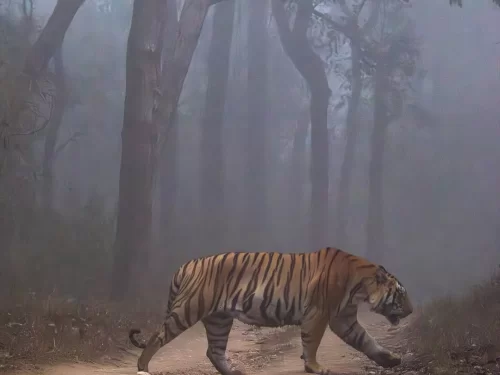
Visitors come to Sarhi Zone to experience guided jeep safaris focused on spotting tigers, leopards, and other large mammals. The zone is also popular for birdwatching and observing diverse forest and grassland habitats.
The on-ground atmosphere is calm and regulated, with safari vehicles following designated tracks to minimize disturbance to wildlife. The combination of dense forests and open grasslands offers varied scenery along the routes.
Sarhi Zone is distinct for its structured safari system within Kanha’s core areas, providing relatively high chances of large predator sightings and an immersive wildlife experience compared to other zones in the park.
History of Sarhi Zone, Kanha National Park
Sarhi Zone is part of the core area of Kanha National Park, established under Project Tiger in 1973. The zone has been maintained primarily for wildlife conservation and controlled tourism to protect the natural habitat of tigers and other large mammals.
Best Time to Visit Sarhi Zone, Kanha National Park
The best time to visit Sarhi Zone is during the dry season when safari tracks are accessible and wildlife sightings are more frequent. Monsoon months can make roads slippery and some areas inaccessible.
- Ideal months: October to June
- Weather conditions: Warm days and cool mornings/evenings, dry terrain suitable for safaris
- Periods to avoid: July to September (monsoon season), as heavy rains can restrict safari access and reduce wildlife visibility
How to Reach Sarhi Zone, Kanha National Park
- Nearest airport: Jabalpur Airport (approximately 160 km from Sarhi Zone); taxi or private car required to reach the park
- Nearest railway station: Jabalpur Railway Station (around 160 km), or Gondia Railway Station (approx. 135 km); road transfer necessary to reach the safari zone
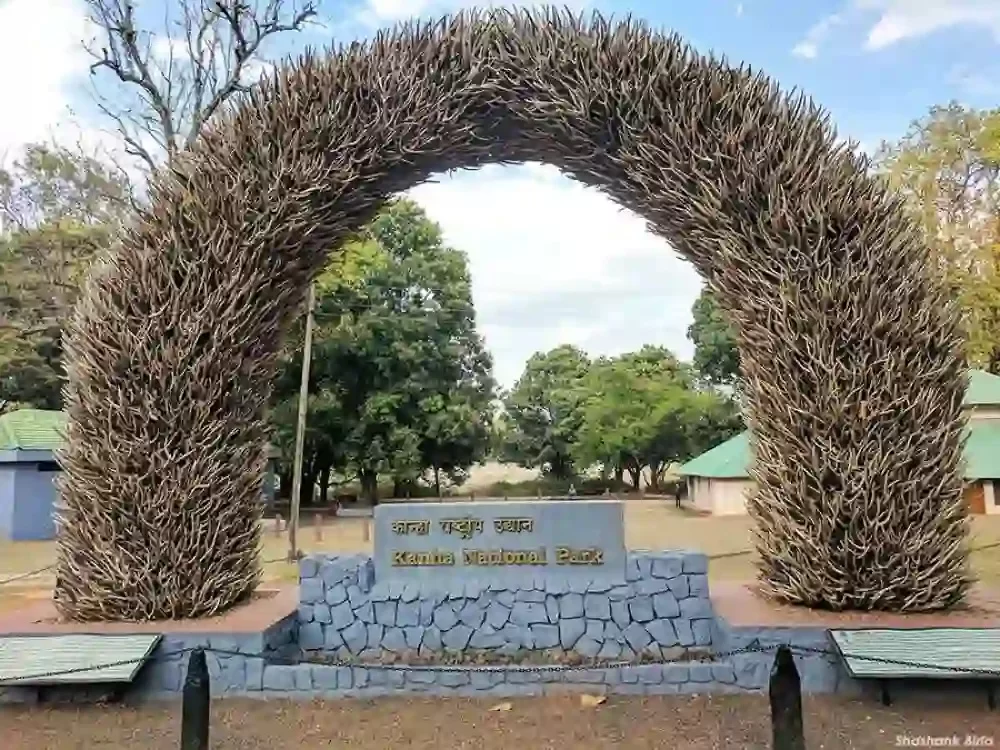
- Road access and last-mile connectivity: Accessible via Mukki Gate of Kanha National Park; only safari-approved vehicles are permitted inside the zone, private vehicles are not allowed
What to Expect When You Visit Sarhi Zone, Kanha National Park
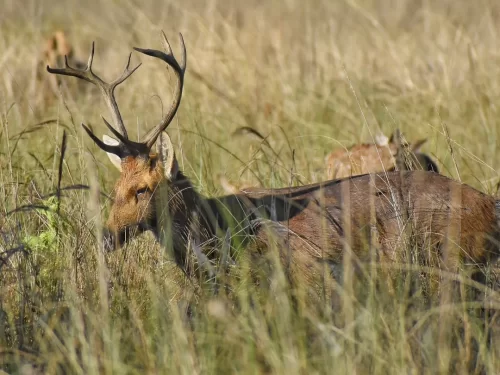
- Environment and surroundings: Mixed forests and open grasslands with sightings of tigers, leopards, deer, and birds; safari tracks provide structured wildlife viewing
- Facilities and amenities: Parking and basic restrooms at Mukki Gate; no food or shops inside the zone
- Accessibility and movement: Only safari-approved vehicles allowed; minimal walking required, primarily from vehicle to viewpoint
- Typical visitor behavior and conditions: Visitors travel in guided jeeps, follow park regulations, and maintain quiet to avoid disturbing wildlife
Important Visitor Information for Sarhi Zone, Kanha National Park
- Crowd and weather notes: Moderate to high visitor numbers during October to June; summer days can be hot, monsoon season may restrict safari access
- Peak and quiet visiting hours: Early morning (06:00–10:00) and late afternoon (15:00–18:00) are peak safari times; midday is quieter but wildlife activity may be lower
- Dress code: Neutral-colored, comfortable clothing recommended to avoid disturbing wildlife; closed shoes advised
- Safety notes and practical cautions: Remain inside safari vehicles at all times, follow guide instructions, carry water and sun protection, avoid loud noises or feeding animals
Photography and Viewpoints at Sarhi Zone, Kanha National Park
- Best viewpoints: Open grasslands and clearings along safari tracks provide unobstructed views of tigers, deer, and birdlife
- Lighting conditions: Early morning (06:00–08:30) and late afternoon (15:30–18:00) offer soft light and higher wildlife activity
- Rules and restrictions: Photography allowed from safari vehicles only; drones and tripods are prohibited inside the zone
- Crowd and access factors: Limited safari vehicles per session reduce crowding, but positioning may be constrained in popular clearings