Quick Facts About Kisli Zone Kanha
Quick Facts: Kisli Zone, Kanha National Park
| Entry Fee | INR 1000 per adult (jeep safari), INR 500 per child (6-12 years) |
| Timings | 6:00 AM – 10:00 AM & 3:00 PM – 6:30 PM (safari slots) |
| Altitude (m) | 528 meters |
| Ideal Visit Duration | 3–4 hours per safari |
| Best Time of Day | Early morning for wildlife sightings, late afternoon for photography |
| Crowd Level | Moderate; higher during peak tourist season (October–June) |
| Distance from City Centre (km) | 15 km from Kanha Park Headquarters |
| Walking Difficulty | Low; safari vehicles used, minimal walking required |
| Parking Available | Yes, at designated safari departure points |
| Last Mile Access | Only via authorized safari jeeps or park vehicles |
| Suitable for Kids | Yes, children over 6 years allowed |
| Suitable for Seniors | Yes, accessible via safari vehicles with minimal walking |
| Wheelchair Friendly | No, uneven terrain inside safari zones |
Why Visit Kisli Zone, Kanha National Park
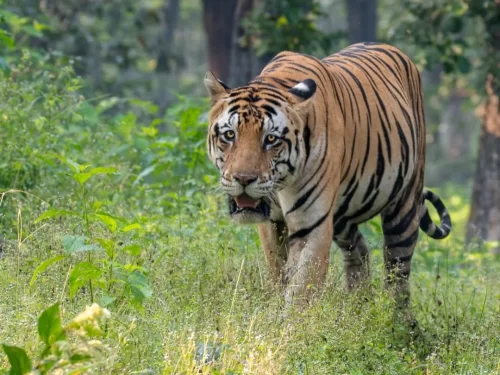
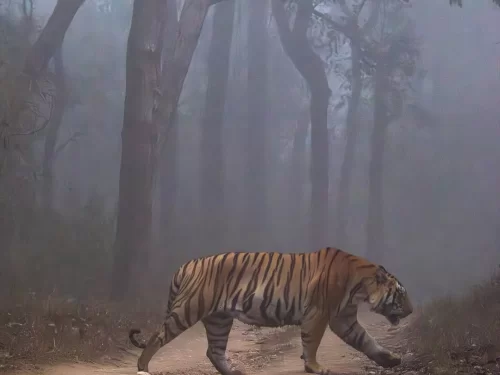
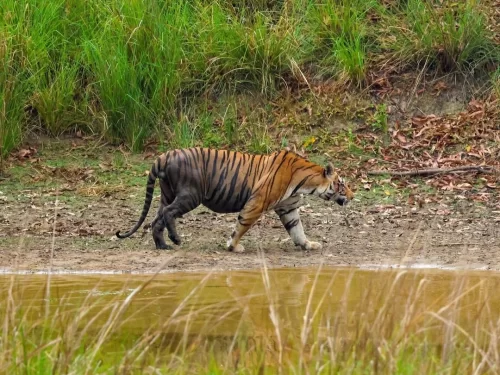
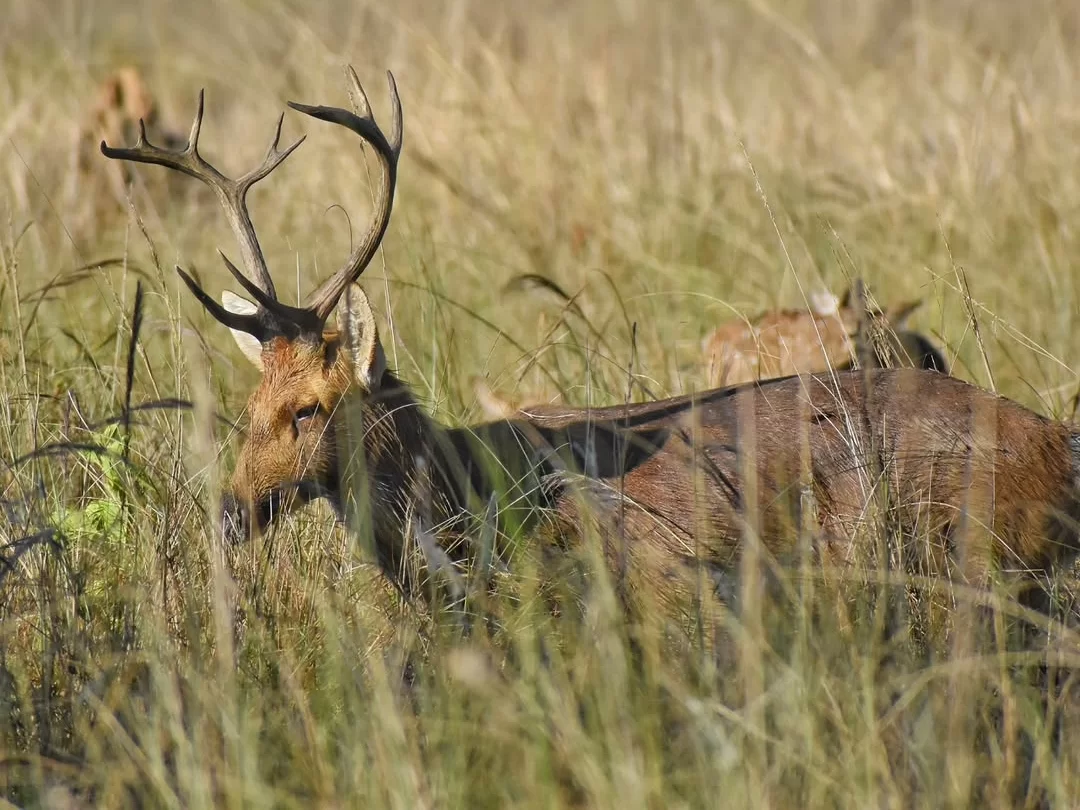
Visitors come to Kisli Zone for its high probability of spotting Bengal tigers along with other wildlife like leopards, sloth bears, and various deer species.
The zone offers dense sal forests, open meadows, and natural waterholes, creating a serene and immersive wildlife environment during safaris.
Kisli Zone is distinct for its accessibility via well-maintained safari trails and early morning sightings, making it one of the most reliable areas for wildlife photography in Kanha.
History of Kisli Zone, Kanha National Park
Kisli Zone is one of the oldest and most significant sectors of Kanha National Park, which became a tiger reserve in 1973 under India’s Project Tiger initiative. The area has been crucial for the protection and revival of Bengal tiger populations and the rich biodiversity of central India.
Historically, the surrounding forests of Kisli were home to indigenous Gond communities, whose traditional lifestyles and sustainable use of forest resources coexisted with the natural environment. Their cultural practices influenced early conservation approaches in the park.
Over the decades, Kisli Zone has also played a role in wildlife research, with extensive studies on tiger behavior, prey dynamics, and forest ecology conducted here. This history of both human and ecological interaction makes it a distinct and important part of Kanha National Park for visitors and researchers alike.
Best Time to Visit Kisli Zone, Kanha National Park
The best period to visit Kisli Zone is during the dry season when wildlife sightings are more frequent and forest trails are accessible. Visitors should plan around seasonal variations to maximize their experience.
- Ideal months: October to June
- Weather conditions: Moderate temperatures, minimal rainfall, and dry forest trails facilitating safaris
- Periods to avoid: July to September due to heavy monsoon rains, restricted vehicle access, and increased leech activity
How to Reach Kisli Zone, Kanha National Park
- Nearest airport: Jabalpur Airport (Approx. 160 km), connected to major Indian cities; taxis and cabs available for onward travel.
- Nearest railway station: Jabalpur Railway Station (Approx. 150 km); limited local transport options, pre-booked taxis recommended.
- Road access and last-mile connectivity: Well-connected by state highways; forest roads may be uneven, safari vehicles required inside the zone.
What to Expect When You Visit Kisli Zone, Kanha National Park
- Environment and surroundings: Dense forest areas with mixed grasslands; sightings of tigers, leopards, and herbivores are possible during safaris.
- Facilities and amenities: Basic safari lodges and park rest areas; limited food and water options inside the zone, so plan accordingly.
- Accessibility and movement: Zone accessible via park-authorized safari vehicles only; walking inside core areas is restricted for safety.
- Typical visitor behavior and conditions: Safaris are guided and timed; visitors must follow park rules, maintain silence, and avoid disturbing wildlife.
Important Visitor Information for Kisli Zone, Kanha National Park
- Crowd and weather notes: Moderate visitor traffic; mornings are cooler and more comfortable, afternoons can be hot during summer months.
- Peak and quiet visiting hours: Early morning safaris (6:00–10:00 AM) offer higher wildlife activity; late afternoon safaris (3:00–6:00 PM) are less crowded.
- Dress code: Light, neutral-colored clothing recommended to blend with surroundings; sturdy closed footwear for safari vehicles and lodge paths.
- Safety notes and practical cautions: Follow all instructions from guides; avoid feeding or approaching wildlife; carry water, hats, and sun protection.
Photography and Viewpoints at Kisli Zone, Kanha National Park
- Best viewpoints or angles: Open grasslands and waterholes provide unobstructed views of tigers, deer, and other wildlife; the elevated safari tracks offer panoramic shots.
- Lighting conditions and time-of-day: Early morning (6:00–9:00 AM) and late afternoon (4:00–6:00 PM) offer soft, warm light ideal for wildlife photography.
- Rules or restrictions on photography: Use cameras from inside authorized safari vehicles only; drones are strictly prohibited; flash photography is discouraged near animals.
- Crowd or access factors: Popular safari routes may have multiple vehicles; early morning safaris are less congested, offering better composition opportunities.