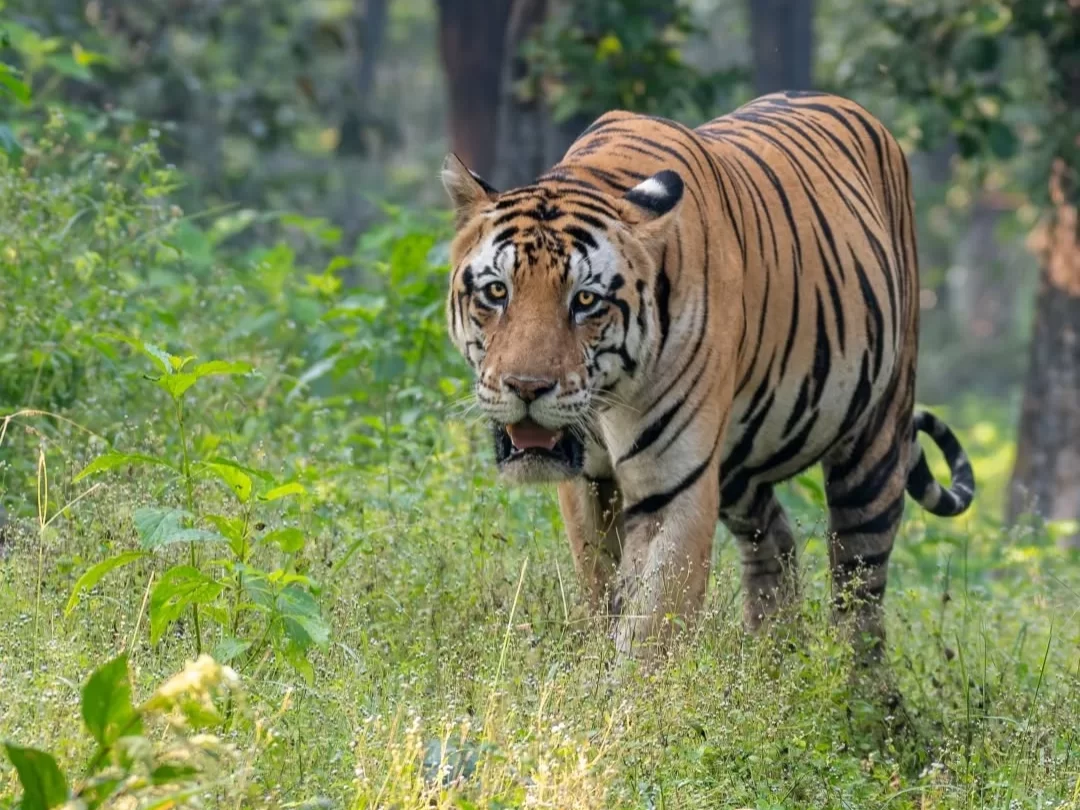
Kanha National Park & Tiger Reserve, Mandla District, Madhya Pradesh, India

Kanha National Park & Tiger Reserve , Kanha
Tourists visit for tiger and wildlife sightings, extensive forest landscapes, and safari experiences across core and buffer zones. The park offers a range of guided tours and nature walks for observation of flora and fauna.

Quick Facts About Kanha National Park & Tiger Reserve

Quick Facts: Kanha National Park & Tiger Reserve

Entry Fee 500 per adult, 250 per child (vehicle charges extra for safari)
Timings 6:00 AM – 10:00 AM & 2:00 PM – 6:00 PM (safari schedules vary by zone)
Altitude (m) 665 – 1,050
Ideal Visit Duration 4–6 hours per safari
Best Time of Day Early morning for wildlife sightings
Crowd Level Moderate to high during peak season (October–June)
Distance from City Centre (km) 35 km from Mandla town
Walking Difficulty Low; most exploration is via jeep safaris
Parking Available Yes, at park entry gates and safari points
Last Mile Access Park roads accessible by safari vehicles; private vehicles restricted in core zones
Suitable for Kids Yes, with adult supervision
Suitable for Seniors Yes; safari vehicles provide comfortable access
Wheelchair Friendly Limited; safari vehicles not wheelchair-adapted

Why Visit Kanha National Park & Tiger Reserve

Visitors come to Kanha National Park & Tiger Reserve primarily for its rich wildlife, including Bengal tigers, leopards, and a variety of bird species, making it a prime destination for safaris and wildlife photography.

The park offers a serene and immersive atmosphere, with dense sal and bamboo forests, open meadows, and quiet waterholes, creating natural habitats that feel untouched and tranquil during early morning and late afternoon safaris.

What sets Kanha apart is its well-managed safari zones, abundant wildlife sightings, and diverse ecosystems, allowing travelers to experience both the thrill of spotting apex predators and the calm of India’s central forest landscapes.

History of Kanha National Park & Tiger Reserve

Kanha National Park was established in 1955 as a national park under the Wildlife Protection Act, making it one of India’s earliest tiger reserves. Its creation aimed to protect the dwindling populations of Bengal tigers and barasingha deer.

The park's landscapes, including dense sal and bamboo forests interspersed with grasslands, have been preserved to maintain the natural ecosystem, supporting both wildlife conservation and eco-tourism. It has been recognized for successful species recovery programs, particularly for the swamp deer.

Kanha is part of the larger Kanha Tiger Reserve, designated under Project Tiger in 1973, emphasizing its national importance in India's conservation history and its role in sustaining biodiversity in central India.

Best Time to Visit Kanha National Park & Tiger Reserve

The most suitable period to visit Kanha National Park is during the dry season, when wildlife sightings are more frequent and park roads are accessible for safaris.
  • Ideal months: October to June
  • Weather conditions: Moderate temperatures with clear skies; dry terrain improves safari access
  • Periods to avoid: July to September due to heavy monsoon rains, which can make park roads impassable and reduce wildlife visibility

How to Reach Kanha National Park & Tiger Reserve

  • Nearest airport: Jabalpur Airport, approximately 170 km from the park, connected to major Indian cities; taxis and private transfers available.
  • Nearest railway station: Jabalpur Railway Station, 160–170 km away; limited direct connections from other major cities, requires road transfer to the park.
  • Road access: Well-maintained state highways connect the park from Jabalpur and Nagpur; last-mile access involves forest roads to entry gates, suitable for SUVs or high-clearance vehicles.

What to Expect When You Visit Kanha National Park Tiger Reserve

  • Environment and surroundings: Kanha National Park Tiger Reserve is a large, protected forest landscape with sal forests, open meadows, bamboo groves, and seasonal streams. The atmosphere is quiet, natural, and wildlife-driven rather than tourist-oriented. Expect natural sounds, dust on safari tracks, early morning cold in winter, and high humidity and heat in summer months.
  • Facilities and amenities: Facilities inside the park are basic and strictly regulated. There are no food courts, shops, or restrooms during safaris. Entry gates have simple ticket counters, forest staff cabins, and parking areas. Lodges and resorts are located outside the core zones, mainly around Khatia, Mukki, and Sarhi gates, with varying standards from budget to premium eco-resorts.
  • Accessibility and movement: Movement inside Kanha National Park Tiger Reserve is only permitted through guided jeep safaris or government-authorized vehicles on fixed forest routes. Walking, cycling, or self-driving inside the core zones is not allowed. Safari routes can be bumpy and dusty, and movement is slow due to wildlife regulations and terrain conditions.
  • Typical visitor behavior and conditions: Visitors follow strict forest rules, including silence, limited vehicle speed, no feeding wildlife, and no stepping out of vehicles. Safaris are time-bound and zone-controlled. Wildlife sightings depend on natural movement, not guarantees. Mobile networks are weak or unavailable in most areas, and power supply in surrounding villages can be inconsistent.

Important Visitor Information for Kanha National Park Tiger Reserve

  • Crowd and weather notes: Kanha National Park Tiger Reserve experiences the highest tourist density from October to February, especially during weekends and holidays. Summers (March to June) are extremely hot and dry, with temperatures often exceeding 40°C, while winters (December–January) can be cold during morning safaris with dense fog and low visibility. The park remains closed during the monsoon season, typically from July to September.
  • Peak and quiet visiting hours: Morning safari slots are generally quieter, cooler, and offer better wildlife movement, especially in summer. Afternoon safaris attract more visitors and vehicles, particularly near popular meadow zones. Entry and exit timings are strictly controlled by forest authorities and vary seasonally.
  • Dress code: Neutral-colored clothing (greens, browns, beige) is advisable to avoid disturbing wildlife. Bright colors are discouraged. In winter, layered warm clothing is necessary for early morning safaris. In summer, full-sleeve breathable clothing is practical for sun protection and dust exposure.
  • Safety notes and practical cautions: Stepping out of safari vehicles inside forest zones is strictly prohibited. Feeding animals, making loud noises, or using flash photography is not allowed. Dust, pollen, and dry forest conditions may affect visitors with allergies or respiratory sensitivity. Medical facilities are limited near forest gates, and mobile connectivity is unreliable inside most parts of the reserve.

Photography and Viewpoints at Kanha National Park Tiger Reserve

  • Best viewpoints and photography zones: Open meadows such as Kanha Meadow, Sonf Meadow, and Shravan Tal areas offer the clearest sightlines for wildlife photography, especially for barasingha, deer, and grazing species. Forest tracks near waterholes and seasonal streams are common tiger and leopard movement corridors, providing natural-action photography opportunities from safari vehicles.
  • Lighting conditions and time-of-day: Early morning safaris provide soft, low-angle light with mist and fog effects in winter, creating natural atmospheric shots. Afternoon safaris offer harsher light in summer but better visibility in open grasslands. Dense sal forest zones often have low light, requiring patience and slower movement for usable images.
  • Rules and photography restrictions: Photography is permitted only from inside authorized safari vehicles. Drones, tripods on roads, flash photography, and artificial lighting are strictly prohibited inside forest zones. Commercial filming requires special forest department permissions. Cameras must not obstruct vehicle movement or other visitors.
  • Crowd and access factors: Popular safari routes and meadow zones attract multiple vehicles during peak season, which can limit clear angles and stationary shooting time. Safari vehicles follow fixed routes and time limits, so photographers cannot wait indefinitely at sightings. Access to viewpoints is fully controlled by forest authorities, with no free movement or walking access allowed.

Near By Attraction

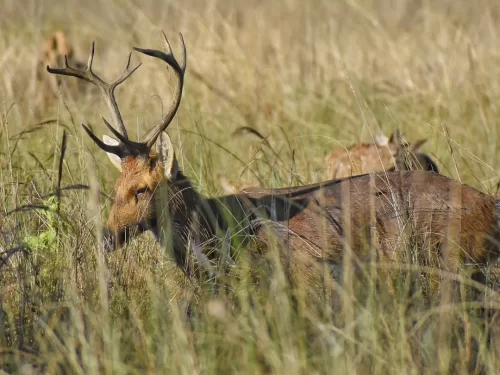
Kisli Zone Kanha in Kanha National Park with barasingha deer in grasslands, Madhya Pradesh wildlife safari destination Wildlife Sanctuary

Kisli Zone Kanha

Kisli Zone is a prominent wildlife sector of Kanha National Park, offering dense forest habitats and diverse fauna.
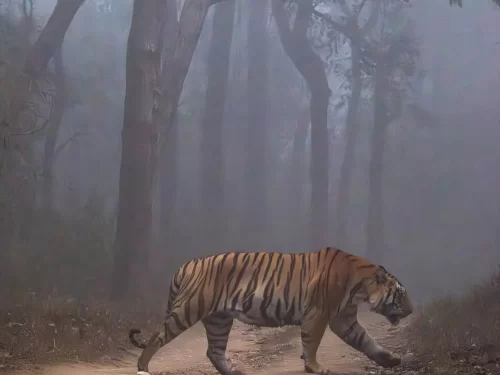
Kanha Zone, Kanha National Park Madhya Pradesh Bengal tiger walking through dense forest safari wildlife reserve India Wildlife Sanctuary

Kanha Zone

Kanha Zone is one of the core safari zones inside Kanha National Park, managed for wildlife conservation and regulated tourism access.
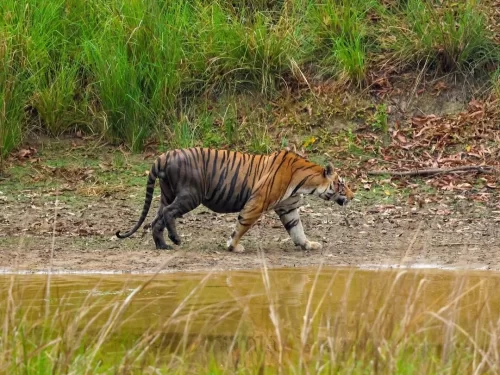
Mukki Zone, Kanha National Park Madhya Pradesh tiger safari zone with Bengal tiger near waterbody Satpura wildlife reserve India Wildlife Sanctuary

Mukki Zone

Mukki Zone is one of the core safari zones of Kanha National Park known for regulated wildlife safaris.

Frequently Asked Questions About Kanha National Park & Tiger Reserve

Kanha National Park & Tiger Reserve is located in Mandla and Balaghat districts of Madhya Pradesh. It is one of the largest and most well-managed tiger reserves in India.
Safari timings at Kanha National Park & Tiger Reserve are divided into morning and afternoon shifts. Exact hours vary by season and are regulated by the forest department.
The entry fee for Kanha National Park & Tiger Reserve includes safari permit charges, vehicle fees, and guide fees. Prices differ based on zone selection and visitor category.
Visitors can reach Kanha National Park & Tiger Reserve by road from nearby towns. The nearest major railway stations are Jabalpur and Gondia, which are well connected within Madhya Pradesh and neighboring states.
Online safari booking is available for Kanha National Park & Tiger Reserve through the official forest department portal. Advance booking is recommended during peak tourist months.
The best time to visit Kanha National Park & Tiger Reserve is between October and June. Summer months often provide better wildlife sighting opportunities due to lower vegetation density.
Kanha National Park & Tiger Reserve has multiple safari zones including Kisli, Kanha, Mukki, and Sarhi. Zone allocation depends on availability at the time of booking.
Most travelers spend 2 to 3 days exploring Kanha National Park & Tiger Reserve to experience multiple safari drives and improve wildlife sighting chances.
Private vehicles are not allowed inside Kanha National Park & Tiger Reserve for safaris. Visitors must use authorized forest department vehicles with registered guides.
Various accommodation options are available near Kanha National Park & Tiger Reserve ranging from budget lodges to wildlife resorts. Most stays are located near the Kisli and Mukki gates.

Loved this place ? Let’s Plan Your Madhya Pradesh Trip

Get customized Madhya Pradesh tour planning designed around safari seasons, road travel distances, heritage site exploration time, and comfortable pacing across regions. Whether you are visiting for wildlife safaris, temple architecture, historical monume

⚡ Quick Response | 💰 Free consultation | 🕒 24×7 expert support

×

Plan Your Trip