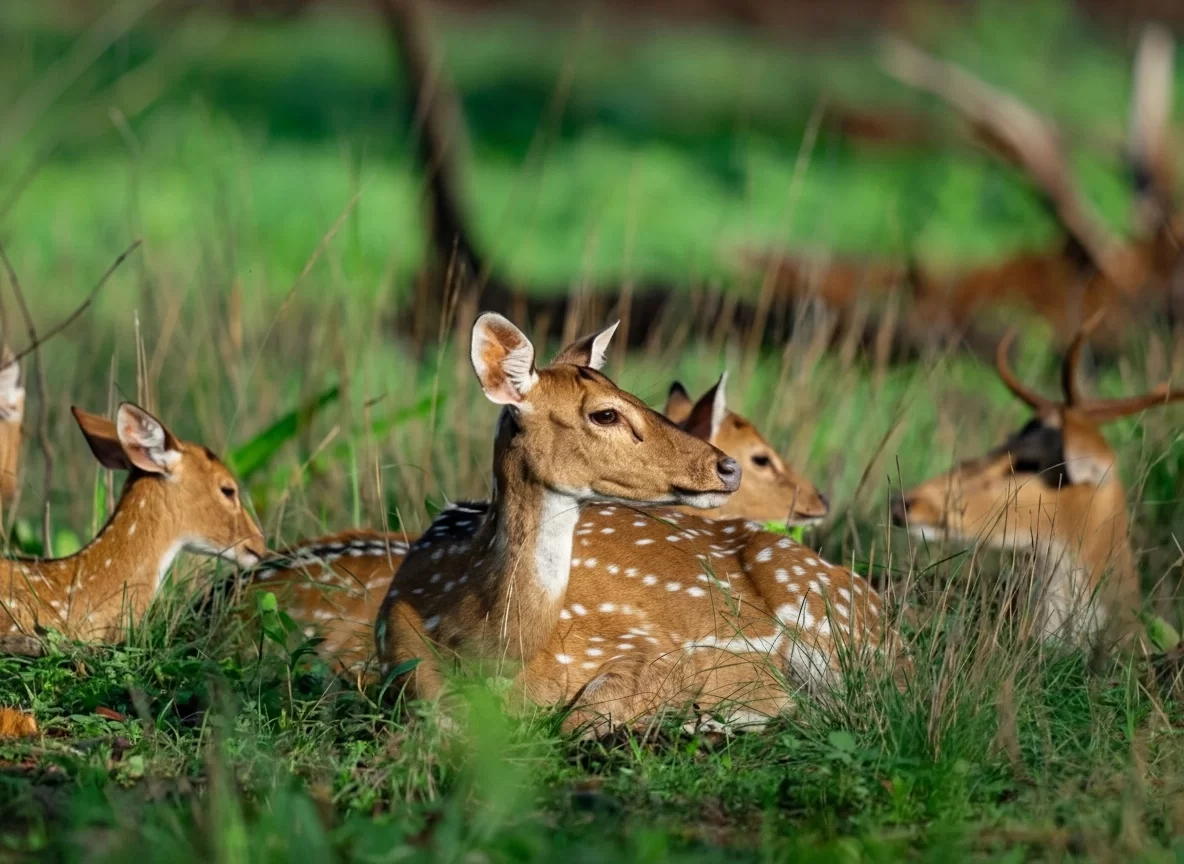
Phen Sanctuary Zone, Kanha National Park, Madhya Pradesh, India

Phen Sanctuary Zone , Kanha
Tourists visit this zone for jungle safaris, wildlife tracking, and quieter forest exploration compared to core tourism zones. It offers natural landscapes, birdlife, and chances of spotting herbivores and predators in a less crowded environment.

Quick Facts About Phen Sanctuary Zone

Quick Facts – Phen Sanctuary Zone, Kanha National Park

Entry Fee Access only through Kanha National Park safari permits; fee varies by zone, vehicle type, and nationality
Timings As per Kanha National Park safari schedules; generally morning and afternoon forest safaris only
Altitude (m) Approx. 450–600 m (varies across the forest terrain)
Ideal Visit Duration 2–4 hours per safari slot
Best Time of Day Early morning safaris for wildlife movement and visibility
Crowd Level Low to moderate compared to core tourism zones
Distance from City Centre (km) Approx. 160 km from Jabalpur (nearest major city)
Walking Difficulty Not applicable; access is safari-vehicle based only
Parking Available Available at designated forest gate and safari entry points
Last Mile Access Forest department vehicles and registered safari jeeps only
Suitable for Kids Yes, for supervised safari visits
Suitable for Seniors Yes, with vehicle-based access and assistance
Wheelchair Friendly No; forest safaris and terrain are not wheelchair accessible

Why Visit Phen Sanctuary Zone, Kanha National Park

Visitors come to the Phen Sanctuary Zone for quieter wildlife safaris within the Kanha landscape, where the focus is on forest ecosystems, natural grasslands, and animal movement rather than high-density tourism routes.

The on-ground atmosphere is calm and forest-dominant, with long stretches of sal and mixed deciduous woodland, minimal human structures, and limited vehicle traffic compared to core tourism zones.

What makes this zone distinct is its low-pressure safari environment, offering slower-paced wildlife tracking, natural forest sounds, and a less commercial safari experience within the Kanha reserve system.

History of Phen Sanctuary Zone, Kanha National Park

The Phen Sanctuary Zone forms part of the protected forest landscape of Kanha that was brought under formal conservation management during the establishment and expansion of Kanha National Park in the mid-20th century.

This area was historically used as forest land and wildlife habitat rather than human settlement, with its primary role evolving into conservation, habitat protection, and regulated wildlife tourism as part of Kanha’s buffer and managed zones.

Its present identity is shaped by modern conservation planning, forest department management, and zoning systems designed to balance wildlife protection with controlled visitor access rather than by cultural or religious traditions.

Best Time to Visit Phen Sanctuary Zone, Kanha National Park

Phen Sanctuary Zone is best visited during the official safari season when forest tracks are accessible, wildlife movement is active, and visibility conditions are suitable for regulated tourism.
  • Ideal months: October to June, in line with Kanha National Park’s open season for buffer and sanctuary zones.
  • Best-season conditions: Dry forest tracks, controlled safari access, and higher chances of wildlife movement near water sources, especially from March to May.
  • Periods to avoid: July to September, when the zone remains closed due to monsoon forest protection rules and unsafe road conditions.

How to Reach Phen Sanctuary Zone, Kanha National Park

  • Nearest airport: Jabalpur Airport (approx. 160–170 km) is the closest major airport with regular domestic connections; onward travel requires a long road transfer.
  • Nearest railway station: Gondia Junction (approx. 140–150 km) is the most practical railhead for Kanha region access; Jabalpur Junction is a larger alternative with more train options.
  • Road access and last-mile connectivity: Access is via forest and buffer zone roads connected to Kanha’s tourism circuits, typically through designated entry routes such as Mukki or Kisli sides. Final access to Phen Sanctuary Zone is only permitted through authorized safari vehicles and forest department routes; private vehicles are not allowed inside protected forest tracks.

What to Expect When You Visit Phen Sanctuary Zone, Kanha National Park

  • Environment and surroundings: Dense sal forests, mixed deciduous vegetation, seasonal streams, and open grass patches form the landscape, with natural wildlife corridors and limited human structures.
  • Facilities and amenities: There are no tourist facilities inside the zone; restrooms, drinking water, food stalls, and accommodation are only available at designated Kanha entry gates and nearby buffer-area villages.
  • Accessibility and movement: Movement is restricted to authorized safari routes using forest department–approved gypsy vehicles; walking trails and self-drive access are not permitted within the protected zone.
  • Typical visitor behavior and conditions: Visits are regulated, quiet, and controlled, with limited vehicles per safari slot; wildlife sightings depend on natural movement patterns and cannot be predicted.

Important Visitor Information for Phen Sanctuary Zone, Kanha National Park

  • Crowd and weather notes: Visitor numbers are lower than core zones, but weekends and winter months see increased safari bookings; visibility varies with seasonal vegetation density and weather conditions.
  • Peak and quiet visiting hours: Morning safaris are typically busier due to better wildlife movement; afternoon safaris are quieter but depend on forest department slot availability.
  • Dress code: No formal dress code applies; neutral-colored clothing is advisable to avoid disturbing wildlife during safaris.
  • Safety notes and practical cautions: Visitors must follow forest department rules, remain inside safari vehicles at all times, avoid noise, and not carry plastic items or food into the forest zone.

Photography and Viewpoints at Phen Sanctuary Zone, Kanha National Park

  • Best viewpoints and angles: Open grassland patches and forest clearings along designated safari tracks offer clear sightlines for photographing deer, gaur, and occasional predators; natural water sources provide stable wildlife viewing points.
  • Lighting conditions: Early morning safaris provide softer light and misty forest conditions, while late afternoon safaris offer warmer tones but stronger shadows due to dense sal and bamboo canopy.
  • Rules and restrictions: Photography is allowed only from inside registered safari vehicles; use of drones, tripods, and flash is prohibited under forest department regulations.
  • Crowd and access factors: Fewer vehicles than core zones reduce visual obstruction, but photography angles are limited to fixed safari routes and driver-controlled stopping points.

Near By Attraction

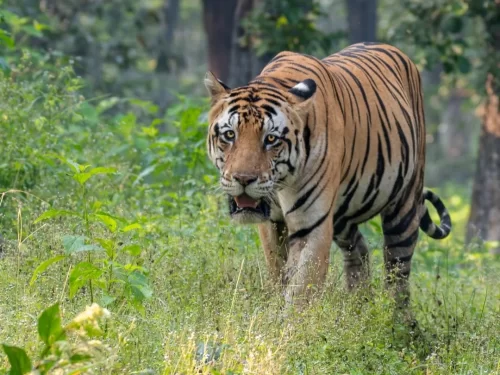
Kanha National Park & Tiger Reserve with Bengal tiger in lush forest, Madhya Pradesh wildlife safari tourism destination National Park

Kanha National Park & Tiger Reserve

Kanha National Park is a protected wildlife reserve in central India known for its biodiversity.

Kisli Zone Kanha in Kanha National Park with barasingha deer in grasslands, Madhya Pradesh wildlife safari destination Wildlife Sanctuary

Kisli Zone Kanha

Kisli Zone is a prominent wildlife sector of Kanha National Park, offering dense forest habitats and diverse fauna.
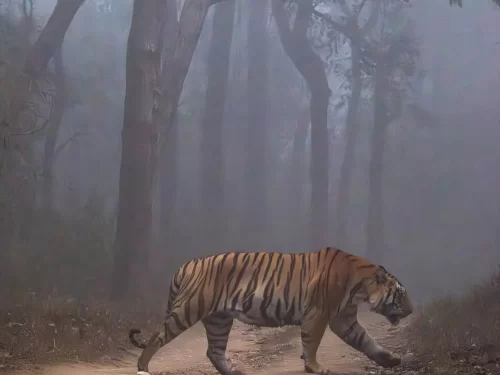
Kanha Zone, Kanha National Park Madhya Pradesh Bengal tiger walking through dense forest safari wildlife reserve India Wildlife Sanctuary

Kanha Zone

Kanha Zone is one of the core safari zones inside Kanha National Park, managed for wildlife conservation and regulated tourism access.

Frequently Asked Questions About Phen Sanctuary Zone

Phen Sanctuary Zone is a buffer safari area of Kanha National Park & Tiger Reserve in Madhya Pradesh. It is known for its riverine landscape and comparatively peaceful safari routes.
Safari timings in Phen Sanctuary Zone are divided into morning and afternoon shifts. Exact entry and exit times vary by season according to forest department regulations.
The entry fee for Phen Sanctuary Zone includes safari permit charges, vehicle fees, and guide fees as per park rules. Prices vary depending on visitor category and booking type.
Visitors can access Phen Sanctuary Zone by booking an authorized jeep safari through official forest department channels. Entry is allowed only with a confirmed permit and registered guide.
Online safari booking is available for Phen Sanctuary Zone through the official forest department portal. Advance reservations are recommended during peak travel months.
The best time to visit Phen Sanctuary Zone is between October and June. Summer months generally improve wildlife sighting chances due to increased animal activity near water sources.
Phen Sanctuary Zone offers sightings of deer species, wild boar, gaur, birds, and occasionally tigers or leopards. Wildlife visibility depends on season and safari timing.
Most travelers choose at least two safari drives in Phen Sanctuary Zone to increase wildlife sighting opportunities and explore different forest tracks.
Private vehicles are not allowed inside Phen Sanctuary Zone for safari purposes. Visitors must use authorized park vehicles operated under forest department supervision.
Various accommodation options are available near Phen Sanctuary Zone ranging from budget lodges to wildlife resorts. Most stays are located near the main park entry areas.

Loved this place ? Let’s Plan Your Madhya Pradesh Trip

Get customized Madhya Pradesh tour planning designed around safari seasons, road travel distances, heritage site exploration time, and comfortable pacing across regions. Whether you are visiting for wildlife safaris, temple architecture, historical monume

⚡ Quick Response | 💰 Free consultation | 🕒 24×7 expert support

×

Plan Your Trip