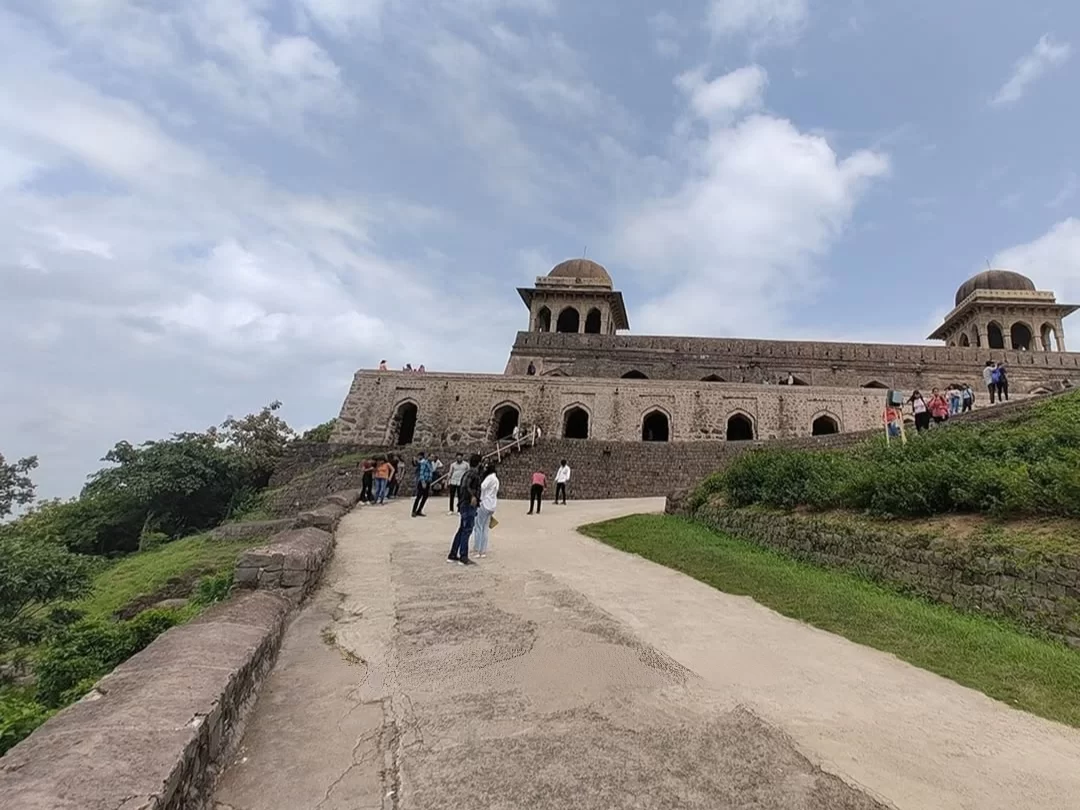
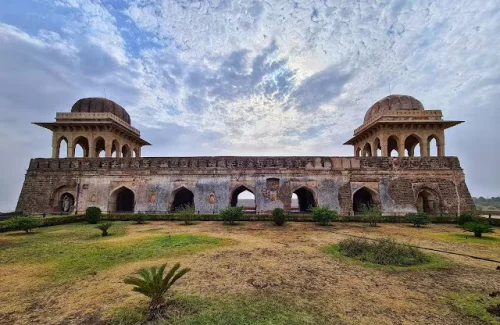
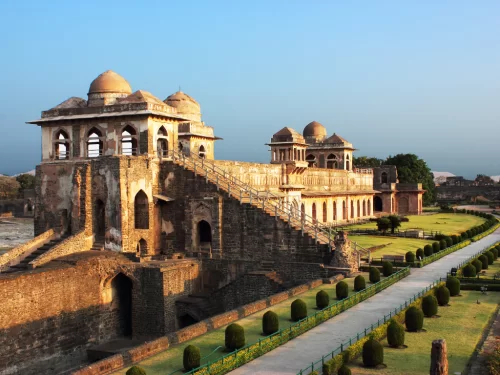
Mandu Archaeological Museum, Mandu, Madhya Pradesh, India

Mandu Archaeological Museum , Mandu
Tourists visit to understand the history of Mandu through sculptures, inscriptions, architectural fragments, and relics from the Parmara and Sultanate periods.

Quick Facts About Mandu Archaeological Museum

Quick Facts of Mandu Archaeological Museum

Entry Fee 20 (Indian citizens); 250 (foreign nationals); subject to revision by ASI
Timings 10:00 AM – 5:00 PM; closed on Fridays and public holidays (as per Archaeological Survey of India norms)
Altitude (m) Approximately 555 meters above sea level (Mandu plateau elevation)
Ideal Visit Duration 30–60 minutes
Best Time of Day Late morning to early afternoon (good light for exhibits and photography)
Crowd Level Low to moderate; higher during weekends and tourist season (Oct–Feb)
Distance from City Centre (km) Approximately 0.5 km from Mandu main heritage zone
Walking Difficulty Easy (flat museum ?????, short walking distances)
Parking Available Yes, limited roadside/public parking near the museum complex
Last Mile Access Local taxis, auto-rickshaws, and walkable access from nearby monuments
Suitable for Kids Yes, suitable for short educational visits
Suitable for Seniors Yes, seating available; minimal walking required
Wheelchair Friendly Partially; entrance access is flat, but interior accessibility infrastructure is limited

Why Visit Mandu Archaeological Museum

Visitors come to Mandu Archaeological Museum to understand the region’s architectural and cultural layers through original sculptures, inscriptions, relics, and structural fragments collected from the Mandu plateau and its surrounding monuments.

The on-ground atmosphere is quiet and focused, with shaded walkways, simple gallery spaces, and a calm environment that allows visitors to explore exhibits without crowds or noise, making it suitable for slow, detailed viewing.

What makes this museum distinct for travelers is its role as a contextual stop rather than a standalone attraction—it directly connects the artifacts on display to the ruins, forts, and palaces visitors see across Mandu, helping them understand the landscape in a practical, visual way.

History of Mandu Archaeological Museum

Mandu Archaeological Museum was established to preserve and interpret the archaeological heritage of Mandu (Mandavgarh), a historic fortified city in Madhya Pradesh known for its long succession of ruling dynasties and architectural traditions.

The museum houses sculptures, inscriptions, architectural fragments, coins, and artifacts recovered from Mandu and surrounding regions, representing different historical phases including the Paramara period, Delhi Sultanate rule, Malwa Sultanate era, and Mughal influence.

Many of the exhibits originate from ruined palaces, mosques, temples, tombs, and public structures within Mandu, making the museum a curated record of the city’s political, religious, and architectural evolution.

Rather than functioning as a general history museum, Mandu Archaeological Museum serves as a site-specific archive that documents the material history of Mandu itself, allowing visitors to understand the city’s past through original physical remains and documented excavations.

Best Time to Visit Mandu Archaeological Museum

Mandu Archaeological Museum is best visited in the cooler months when exploring outdoor ruins, museum grounds, and nearby monuments is comfortable, with clear weather and safe walking conditions.
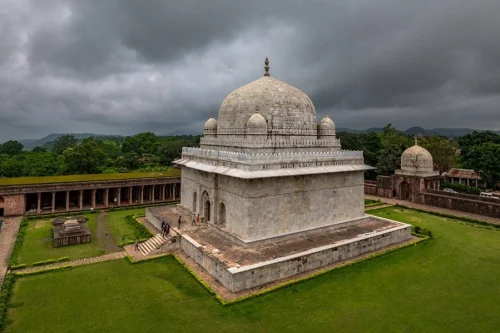
  • Ideal months: October to February
  • Best-season conditions: Cool to mild temperatures, low humidity, clear skies, and dry pathways, making it ideal for museum visits, walking between heritage sites, and photography
  • Periods to avoid: March to June due to rising heat and harsh sun exposure; July to September because of monsoon rains, slippery stone surfaces, and limited visibility around archaeological areas

How to Reach Mandu Archaeological Museum, Mandu, Madhya Pradesh, India

  • Nearest Airport: Devi Ahilya Bai Holkar Airport, Indore (approx. 95 km). This is the closest operational airport with regular domestic connectivity. From the airport, private taxis and cabs are the most reliable option to reach Mandu due to limited direct public transport.
  • Nearest Railway Station: Indore Junction (approx. 100 km) is the most practical railhead with strong connectivity to major Indian cities. Ratlam Junction (approx. 125 km) is an alternative but requires a longer road transfer.
  • Road Access & Last-Mile Connectivity: Mandu is connected by road from Indore and Dhar via state highways and ghat roads. Government and private buses, taxis, and shared jeeps operate to Mandu town. The Mandu Archaeological Museum lies inside the heritage zone where roads are narrow and parking is limited, so final access is typically on foot or by local auto-rickshaw from designated parking points.

What to Expect When You Visit Mandu Archaeological Museum

  • Environment and surroundings: Mandu Archaeological Museum is located within the historic Mandu plateau area, surrounded by ruined forts, monuments, and forested landscapes. The setting is quiet, open, and heritage-focused rather than urban, with minimal commercial activity nearby.
  • Facilities and amenities: Facilities are basic and limited to essential services such as ticket counters, basic seating areas, and simple information displays. There are no cafés, restaurants, or souvenir shops inside the museum complex. Food and restrooms are available only at select locations elsewhere in Mandu.
  • Accessibility and movement: The museum is accessible by road, but internal movement involves walking on stone paths and open grounds. Accessibility support such as ramps or wheelchairs is limited. Visitors should be prepared for uneven surfaces and outdoor walking between sections.
  • Typical visitor behavior and conditions: Visitors are mostly history enthusiasts, students, and tourists exploring Mandu’s monuments. The museum is generally quiet, with low crowd density except during weekends, holidays, or school trips. Photography may be restricted in certain sections.
  • Practical limitations: Interpretive signage is limited, and displays may not provide detailed explanations for all artifacts. Maintenance standards are functional rather than modern. Weather conditions directly affect comfort, as the museum includes semi-open areas with limited shelter from heat or rain.

Important Visitor Information for Mandu Archaeological Museum

  • Crowd & Weather: The museum usually remains quiet on weekdays, with moderate visitor flow on weekends and holidays. Summers (April–June) are very hot in Mandu, making indoor galleries more comfortable than outdoor exploration, while monsoon season increases humidity but keeps temperatures lower.
  • Peak & Quiet Hours: Peak hours are typically late morning to early afternoon (11:00 AM–2:00 PM), especially during tourist season. Early mornings and the last visiting hour before closing are usually calm and uncrowded.
  • Dress Code: No formal dress code is enforced inside the museum, but light, modest clothing is practical due to the heritage setting and local cultural norms.
  • Safety & Practical Cautions: Some display areas and surrounding structures may have uneven stone flooring. Watch your footing, especially during monsoon months, and avoid touching artifacts or stone sculptures to prevent damage and injury.

Photography and Viewpoints at Mandu Archaeological Museum

  • Exterior façade views allow clear compositions of the colonial-era structure, signage, and landscaped surroundings, especially from the main approach path.
  • Indoor gallery photography focuses on stone sculptures, inscriptions, and architectural fragments, with best angles achieved from side lighting near display windows.
  • Natural daylight conditions are strongest during late morning and early afternoon when sunlight filters through entryways and windows, improving visibility of carvings and textures.
  • Low-light interiors require steady hands or support, as artificial lighting is limited and uneven across galleries.
  • Photography restrictions may apply to specific exhibits; flash photography is generally discouraged to protect artifacts and surfaces.
  • Crowd factors are minimal compared to Mandu’s outdoor monuments, but school groups and tourist batches can affect movement inside narrow gallery spaces.
  • Access limitations inside certain sections restrict wide-angle compositions, making close-detail photography of artifacts and inscriptions more practical than large interior frames.

Near By Attraction

Jahaz Mahal at Mandu under golden hour glow, featuring tiered domes grand staircase and manicured gardens, perfect heritage experience with Madhya Pradesh tour packages. Monument

Jahaz Mahal Mandu

A 15th-century water palace built between two artificial lakes, resembling a floating ship.

Hindola Mahal Mandu historic swing palace with sloping walls in Madhya Pradesh tour packages Monument

Hindola Mahal

A 15th-century audience hall known for its distinctive sloping walls and T-shaped architectural design.

Jal Mahal in Mandu, Madhya Pradesh, featuring historic Afghan-style domed pavilions, stone stairways, and landscaped pathways, a key highlight of Madhya Pradesh tour packages. Historical Site

Jal Mahal Mandu

A historic water palace built during the Malwa Sultanate period within Mandu’s Royal Enclave complex.

Frequently Asked Questions About Mandu Archaeological Museum

Mandu Archaeological Museum is located in Mandu, Madhya Pradesh, near the main entrance of the Mandu Fort complex. It is easily accessible by road from Dhar and Indore.
Mandu Archaeological Museum is generally open from around 10 AM to 5 PM. The museum may remain closed on Fridays and certain public holidays.
There is a nominal entry fee to visit Mandu Archaeological Museum. Ticket prices may vary for Indian and foreign visitors.
Visitors can reach Mandu Archaeological Museum by taxi or private vehicle from Indore in Madhya Pradesh. Local transport options are limited, so private travel is more convenient.
Parking is available near Mandu Archaeological Museum in designated areas close to the entrance. Parking charges may apply depending on vehicle type.
The best time to visit Mandu Archaeological Museum is between October and March when the weather in Madhya Pradesh is pleasant. Late mornings are ideal for comfortable indoor exploration.
Most travelers spend about 30 to 60 minutes exploring Mandu Archaeological Museum exhibits. Additional time may be needed for detailed study of sculptures and artifacts.
Mandu Archaeological Museum is suitable for family visits and offers an educational experience for all age groups. The indoor layout is manageable for senior citizens.
Photography inside Mandu Archaeological Museum may be restricted or chargeable depending on current rules. Visitors should confirm camera policies at the ticket counter.
Restroom facilities are available at Mandu Archaeological Museum for visitors. Food stalls and small eateries are available within the Mandu area nearby.

Loved this place ? Let’s Plan Your Madhya Pradesh Trip

Get customized Madhya Pradesh tour planning designed around safari seasons, road travel distances, heritage site exploration time, and comfortable pacing across regions. Whether you are visiting for wildlife safaris, temple architecture, historical monume

⚡ Quick Response | 💰 Free consultation | 🕒 24×7 expert support

×

Plan Your Trip