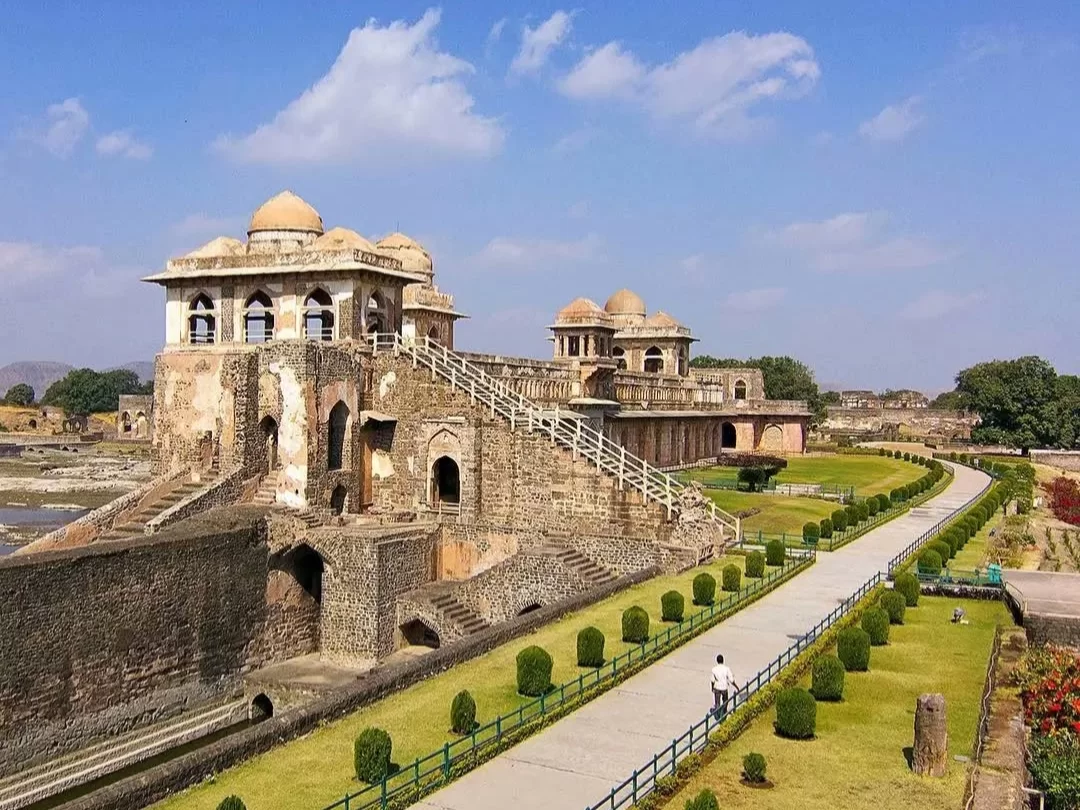
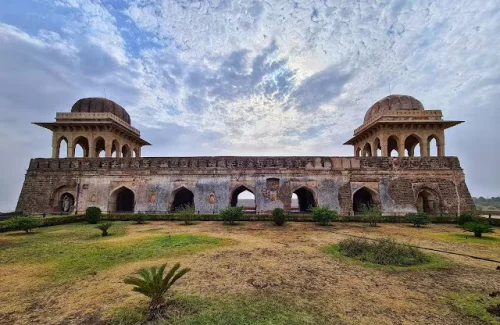
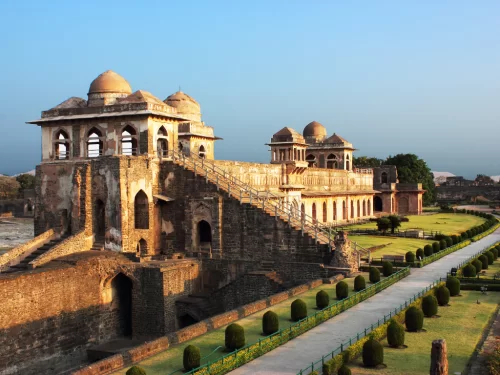
Jal Mahal, Mandu, Madhya Pradesh, India

Jal Mahal Mandu , Mandu
Tourists visit to observe its Afghan-influenced architecture, water management design, and its role in Mandu’s royal residential area.

Quick Facts About Jal Mahal Mandu

Quick Facts: Jal Mahal, Mandu

Entry Fee Included in ASI Mandu monument ticket (25 for Indian citizens, 300 for foreign nationals); valid for Royal Enclave monuments
Timings 6:00 AM – 6:00 PM daily
Altitude (m) Approximately 630 meters above sea level
Ideal Visit Duration 20–30 minutes
Best Time of Day Morning or late afternoon for comfortable weather and clear views
Crowd Level Low; most visitors focus on nearby Jahaz Mahal and Hindola Mahal
Distance from City Centre (km) About 1 km from Mandu main bazaar (Royal Enclave area)
Walking Difficulty Easy; flat, ASI-maintained pathways
Parking Available Yes, designated parking near Royal Enclave entrance
Last Mile Access Short walk (2–5 minutes) from monument parking area
Suitable for Kids Yes; open and safe monument surroundings
Suitable for Seniors Yes; minimal walking and mostly flat terrain
Wheelchair Friendly Partial; main pathways accessible but some sections have steps

Why Visit Jal Mahal, Mandu, Madhya Pradesh

Visitors come to Jal Mahal to see its distinctive palace structure situated beside the Munja Talao reservoir, offering scenic reflections and a unique water-side setting.

The on-ground atmosphere is quiet and relaxed, with open surroundings, gentle water views, and fewer crowds compared to Mandu’s larger monuments.

Jal Mahal is distinct for its placement alongside the reservoir, allowing travelers to experience Mandu’s architecture integrated with natural water landscapes, ideal for peaceful walks and photography.

History of Jal Mahal, Mandu

Jal Mahal in Mandu was built during the Malwa Sultanate period, most likely in the late 15th century under the reign of Sultan Ghiyas-ud-din Khilji.

It was designed as a pleasure palace within the Royal Enclave, surrounded by water tanks such as Munj Talao and Kapur Talao, providing a cool and scenic retreat for the royal court.

The structure reflects Mandu’s advanced water management and palace planning, and today visitors can see its elegant arches and location that highlight its role in royal leisure and architectural heritage.

Best Time to Visit Jal Mahal, Mandu

Jal Mahal in Mandu is most rewarding to visit during and after the monsoon when the surrounding water bodies are full and the landscape is lush.
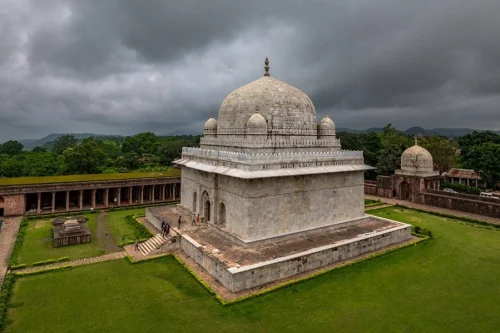
  • Ideal months: July to March
  • Weather conditions: Monsoon and winter bring cooler temperatures between 15–28°C, greener surroundings, and fuller water reservoirs enhancing the palace’s scenic setting
  • Periods to avoid: April to June due to intense heat above 40°C, dry surroundings, and uncomfortable conditions for walking and sightseeing

How to Reach Jal Mahal, Mandu

  • Nearest Airport: Devi Ahilya Bai Holkar Airport (IDR) in Indore, approximately 92 km from Mandu, is the nearest airport. Taxis and private cabs take around 2.5–3 hours via SH18 and Mandu hill roads.
  • Nearest Railway Station: Indore Junction (INDB), located about 92 km away, is the closest major railway station. From Indore, visitors can hire taxis or take buses to Mandu, followed by local transport to Jal Mahal.
  • Road Access: Jal Mahal is accessible via SH18 from Dhar (35 km) and Indore. Private cars, taxis, and MP Tourism buses operate regularly. Internal Mandu roads are narrow and pass through heritage zones; parking is available nearby, but walking may be required for final access.

What to Expect When You Visit Jal Mahal Mandu, Mandu, Madhya Pradesh, India

  • Jal Mahal Mandu is a small historic pavilion situated beside a calm water reservoir, surrounded by open landscapes and scattered ruins typical of Mandu’s plateau terrain.
  • The structure is viewed from the outside, as interior access is usually restricted for safety and preservation; visitors mainly explore the surrounding pathways and viewpoints.
  • Stone paths and uneven ground are common around the site, requiring careful walking, especially during or after monsoon when surfaces can become slippery.
  • Basic visitor facilities such as restrooms, food stalls, and drinking water are not available directly at Jal Mahal; these are located in other main Mandu monument areas.
  • The site is accessible by road, with parking available nearby, followed by a short walk to reach the pavilion and lake edge.
  • Visitors typically spend 10–20 minutes here, mainly for sightseeing and photography, as the monument is smaller compared to major Mandu attractions.
  • The environment remains quiet with moderate tourist presence, making it suitable for short stops while exploring nearby monuments within the Mandu heritage zone.

Important Visitor Information for Jal Mahal Mandu, Madhya Pradesh, India

  • Jal Mahal is located beside Munja Talab in Mandu and remains exposed to direct sun; summers are extremely hot, while winter mornings may have light fog affecting visibility.
  • The site is busiest between 11:00 AM and 3:00 PM when tour groups arrive; quieter and more comfortable visiting hours are from 8:00 AM to 10:30 AM and after 4:00 PM.
  • There is no strict dress code, but visitors should wear comfortable walking shoes with good grip, as stone surfaces near the water reservoir can be uneven and slippery.
  • Exercise caution near the water edges and steps, especially during monsoon and post-monsoon months when algae and moisture make surfaces slippery.
  • The structure has open edges and no protective railings in certain sections; visitors should avoid climbing or leaning over fragile or elevated areas.
  • Carry drinking water and sun protection, as there are limited shaded areas directly around Jal Mahal and minimal facilities nearby.

Photography and Viewpoints at Jal Mahal, Mandu

  • Front View from Causeway – Captures Jal Mahal appearing to float between Munj Talao and Kapur Talao; early morning provides calm reflections and minimal disturbance.
  • Lakeside Edge Viewpoint – Ideal for symmetrical reflection shots of the palace in water; best during monsoon and winter when water levels are higher.
  • Angled View from Royal Enclave Path – Shows the full structure with surrounding landscape; late afternoon light enhances the warm tones of the stone.
  • Entrance Arch Perspective – Frames Jal Mahal through historic arches and pathways; mid-morning provides balanced lighting with fewer harsh shadows.
  • Surrounding Lake Boundary – Offers wide-angle views including palace, water, and sky; sunset creates dramatic colors, but weekends may have more visitors affecting clear shots.

Near By Attraction

Jahaz Mahal at Mandu under golden hour glow, featuring tiered domes grand staircase and manicured gardens, perfect heritage experience with Madhya Pradesh tour packages. Monument

Jahaz Mahal Mandu

A 15th-century water palace built between two artificial lakes, resembling a floating ship.

Hindola Mahal Mandu historic swing palace with sloping walls in Madhya Pradesh tour packages Monument

Hindola Mahal

A 15th-century audience hall known for its distinctive sloping walls and T-shaped architectural design.

Champa Baoli at Mandu under clear skies, featuring ancient stepwell ruins with arched staircases, perfect heritage experience with Madhya Pradesh tour packages. Tourist Attraction

Champa Baoli

Champa Baoli is a historic stepwell structure in Mandu built as part of the medieval water management system.

Frequently Asked Questions About Jal Mahal Mandu

Jal Mahal Mandu is located in Mandu, Madhya Pradesh, within the Mandu Fort complex. It is easily accessible by road from Dhar and Indore.
Jal Mahal Mandu is generally open from morning around 8 AM until evening. Daytime visits are recommended for clear views of the monument and surrounding water bodies.
There is an entry fee to visit Jal Mahal Mandu as part of the Mandu heritage complex. Ticket prices may vary for Indian and foreign visitors.
Visitors can reach Jal Mahal Mandu by taxi or private vehicle from Indore in Madhya Pradesh. The nearest major railway station and airport are located in Indore.
Parking is available near Jal Mahal Mandu in designated areas close to the entrance. Parking charges may apply depending on vehicle type.
The best time to visit Jal Mahal Mandu is between October and March when the weather in Madhya Pradesh is pleasant. The monsoon season enhances the scenic beauty around the structure.
Most travelers spend about 30 to 45 minutes exploring Jal Mahal Mandu and its surroundings. Additional time may be needed for photography and visiting nearby monuments.
Jal Mahal Mandu is suitable for family visits and offers open areas for relaxed exploration. Visitors should supervise children near water bodies and elevated edges.
Photography is generally allowed at Jal Mahal Mandu for personal use. Professional equipment may require additional permission from authorities.
Basic restroom facilities are available within the Mandu complex near Jal Mahal Mandu. Food stalls and small eateries are available in Mandu town.

Loved this place ? Let’s Plan Your Madhya Pradesh Trip

Get customized Madhya Pradesh tour planning designed around safari seasons, road travel distances, heritage site exploration time, and comfortable pacing across regions. Whether you are visiting for wildlife safaris, temple architecture, historical monume

⚡ Quick Response | 💰 Free consultation | 🕒 24×7 expert support

×

Plan Your Trip