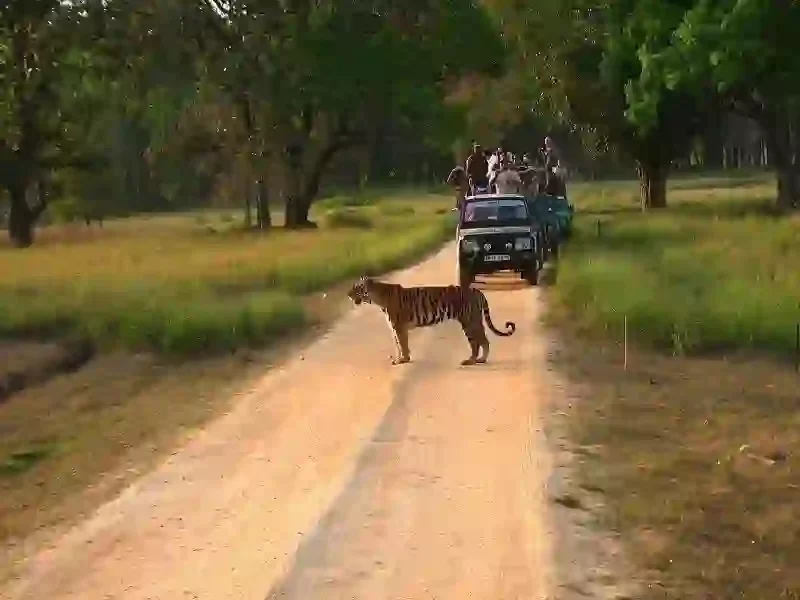
Khatia Zone, Kanha National Park, Madhya Pradesh, India

Khatia Zone , Kanha
Tourists visit Khatia Zone for guided jeep safaris to observe tigers, leopards, and other native species in their natural habitat. The zone is also appreciated for its grasslands and riverine forests that support diverse wildlife.

Quick Facts About Khatia Zone

Quick Facts: Khatia Zone, Kanha National Park

Entry Fee 150 per adult (Indian), 400 per adult (Foreigner); vehicle charges separate
Timings 06:00–10:00 and 15:00–18:00 (safari hours only)
Altitude (m) 550–700
Ideal Visit Duration 3–4 hours per safari
Best Time of Day Early morning or late afternoon
Crowd Level Moderate to High during peak season (October–June)
Distance from City Centre (km) 22 km from Kanha National Park headquarters at Mukki Gate
Walking Difficulty Low; mostly vehicle-based safari
Parking Available Yes, near the safari starting point
Last Mile Access Safari vehicles required; no public transport within the zone
Suitable for Kids Yes, with adult supervision
Suitable for Seniors Yes, limited walking required
Wheelchair Friendly No, safari vehicles not wheelchair accessible

Why Visit Khatia Zone, Kanha National Park

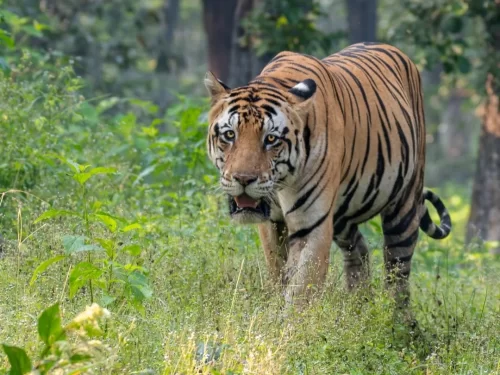
Visitors come to Khatia Zone primarily for wildlife observation, including tigers, leopards, sloth bears, and various bird species. The area is a designated safari zone with guided jeep routes that increase the likelihood of spotting large mammals in their natural environment.

The on-ground atmosphere is quiet and immersive, with dense forests, open grasslands, and the flowing Khatia river shaping the landscape. Safari vehicles move slowly along designated tracks, allowing for close-up wildlife sightings while maintaining a low human impact.

Khatia Zone is distinct for its combination of riverine habitats and elevated grasslands, offering varied ecosystems within a single safari route. Its structured safari system, regulated visitor numbers, and proximity to Kanha’s core areas make it one of the most accessible and reliable zones for observing wildlife safely.

History of Khatia Zone, Kanha National Park

Khatia Zone is part of the core area of Kanha National Park, which was established in 1955 as a tiger reserve under Project Tiger. The zone has remained largely undisturbed to support wildlife conservation and biodiversity within the park.

The area has no known cultural or religious sites within its boundaries and is managed exclusively for wildlife protection and regulated eco-tourism.

Best Time to Visit Khatia Zone, Kanha National Park

The best time to visit Khatia Zone is during the dry season when wildlife is more easily visible and safari tracks are accessible. Monsoon months make certain areas of the zone inaccessible due to muddy roads and high water levels.
  • Ideal months: October to June
  • Weather conditions: Warm days, cool mornings and evenings, dry terrain favorable for safaris
  • Periods to avoid: July to September (monsoon season), roads may be slippery and wildlife sightings limited

How to Reach Khatia Zone, Kanha National Park

  • Nearest airport: Jabalpur Airport (approximately 160 km from Khatia Zone); limited commercial flights, taxi or private car required for onward travel
  • Nearest railway station: Jabalpur Railway Station (around 160 km), or Gondia Railway Station (approx. 135 km); road transfer required to park entry
  • Road access and last-mile connectivity: Khatia Zone is accessible via the Kanha National Park Mukki Gate; only safari-approved vehicles are permitted inside the zone, private vehicles are not allowed

What to Expect When You Visit Khatia Zone, Kanha National Park

  • Environment and surroundings: Dense forests, open grasslands, and the Khatia river create varied habitats; wildlife sightings are common but not guaranteed
  • Facilities and amenities: Basic parking at the safari starting point, no restaurants or shops within the zone; restrooms available at Mukki Gate
  • Accessibility and movement: Only safari-approved vehicles are allowed; walking inside the zone is minimal and restricted to designated areas
  • Typical visitor behavior and conditions: Visitors are generally on guided jeep safaris, following park rules; early mornings and late afternoons are preferred for wildlife viewing

Important Visitor Information for Khatia Zone, Kanha National Park

  • Crowd and weather notes: Moderate to high visitor numbers during October to June; summer can be hot, monsoon season may restrict access
  • Peak and quiet visiting hours: Early morning (06:00–10:00) and late afternoon (15:00–18:00) are peak safari times; mid-morning and mid-afternoon are quieter
  • Dress code: Neutral-colored clothing recommended to avoid disturbing wildlife; comfortable, weather-appropriate attire
  • Safety notes and practical cautions: Follow safari guide instructions at all times; do not leave the vehicle, feed animals, or make loud noises; carry water and insect repellent

Photography and Viewpoints at Khatia Zone, Kanha National Park

  • Best viewpoints: Open grasslands and river edges along safari tracks provide clear views of wildlife; elevated areas near the Khatia river are preferred for landscape shots
  • Lighting conditions: Early morning and late afternoon offer soft, natural light and higher chances of wildlife activity
  • Rules and restrictions: Photography is allowed from safari vehicles only; drones and tripods are prohibited inside the zone
  • Crowd and access factors: Vehicles move in designated tracks with limited numbers per safari, which can affect positioning and framing for photos

Near By Attraction

Kanha National Park & Tiger Reserve with Bengal tiger in lush forest, Madhya Pradesh wildlife safari tourism destination National Park

Kanha National Park & Tiger Reserve

Kanha National Park is a protected wildlife reserve in central India known for its biodiversity.
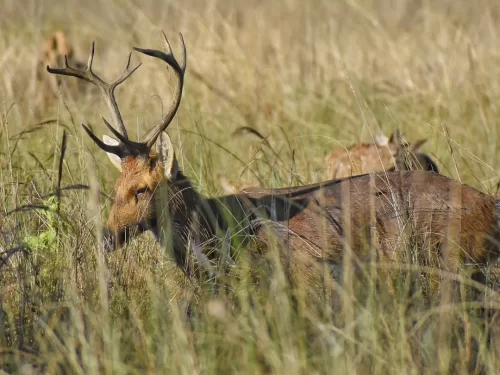
Kisli Zone Kanha in Kanha National Park with barasingha deer in grasslands, Madhya Pradesh wildlife safari destination Wildlife Sanctuary

Kisli Zone Kanha

Kisli Zone is a prominent wildlife sector of Kanha National Park, offering dense forest habitats and diverse fauna.
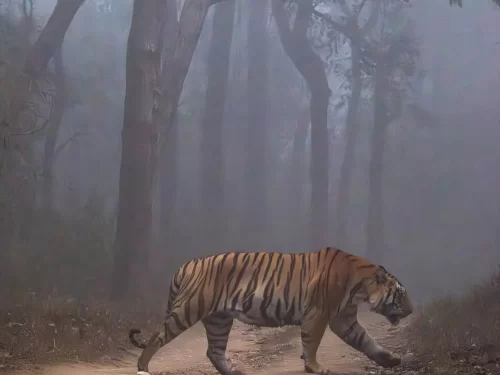
Kanha Zone, Kanha National Park Madhya Pradesh Bengal tiger walking through dense forest safari wildlife reserve India Wildlife Sanctuary

Kanha Zone

Kanha Zone is one of the core safari zones inside Kanha National Park, managed for wildlife conservation and regulated tourism access.

Frequently Asked Questions About Khatia Zone

Khatia Zone is the main entry point of Kanha National Park & Tiger Reserve in Madhya Pradesh. It functions as a primary departure gate for jeep safaris.
Safari timings in Khatia Zone are divided into morning and afternoon shifts. Exact reporting and exit times change seasonally according to forest department rules.
The entry fee for Khatia Zone includes safari permit charges, vehicle fees, and guide fees. Rates vary based on visitor category and booking type.
Visitors can access Khatia Zone by road and must present a confirmed safari permit at the entry gate. Only authorized safari vehicles with registered guides are allowed inside.
Online safari booking is available for Khatia Zone through the official forest department portal. Advance booking is strongly recommended during peak wildlife seasons.
The best time to visit Khatia Zone is between October and June. Summer months often increase the chances of wildlife sightings near water sources.
Wildlife commonly seen in Khatia Zone includes Bengal tigers, barasingha, gaur, leopards, and various deer species. Sightings depend on timing and seasonal movement.
Most travelers choose at least two to three safari drives in Khatia Zone to improve wildlife sighting opportunities and explore different forest tracks.
Private vehicles are not permitted inside Khatia Zone safari routes. Visitors must use officially registered park vehicles.
Accommodation options near Khatia Zone range from budget lodges to wildlife resorts. Many properties are located close to the park entrance for convenient safari access.

Loved this place ? Let’s Plan Your Madhya Pradesh Trip

Get customized Madhya Pradesh tour planning designed around safari seasons, road travel distances, heritage site exploration time, and comfortable pacing across regions. Whether you are visiting for wildlife safaris, temple architecture, historical monume

⚡ Quick Response | 💰 Free consultation | 🕒 24×7 expert support

×

Plan Your Trip