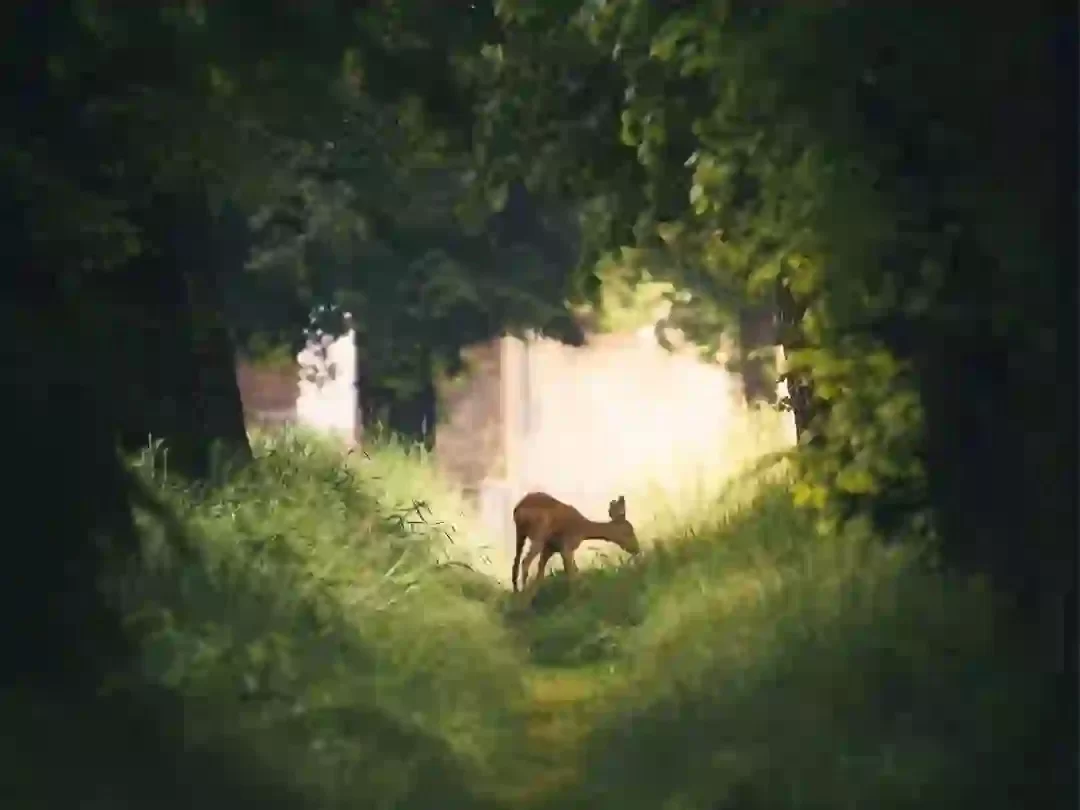
Khapa Zone, Kanha National Park, Madhya Pradesh, India

Khapa Zone , Kanha
Tourists visit Khapa Zone for regulated forest safaris, wildlife tracking, and quieter routes compared to core tourism zones. The area is known for mixed forest terrain, natural water sources, and movement corridors for herbivores and predators. It is preferred by visitors seeking low-crowd safari experiences and forest-focused wildlife observation.

Quick Facts About Khapa Zone

Quick Facts – Khapa Zone Kanha

Entry Fee As per Kanha buffer safari permit (varies by season, vehicle type, and visitor category)
Timings As per official Kanha safari slots; morning and afternoon timings vary seasonally
Altitude (m) Approx. 500–600 m (forest plateau range)
Ideal Visit Duration Half-day (single safari slot)
Best Time of Day Morning and afternoon safari slots
Crowd Level Low to moderate (buffer zone conditions)
Distance from City Centre (km) Not applicable (forest buffer zone; accessed via designated forest gates)
Walking Difficulty Not permitted on foot (jeep safari only)
Parking Available Yes, at designated forest entry gates
Last Mile Access Forest department safari vehicles only
Suitable for Kids Yes, with guided safari and supervision
Suitable for Seniors Yes, with vehicle-based safari access
Wheelchair Friendly No

Why Visit Khapa Zone Kanha

Visitors come to Khapa Zone Kanha for buffer-zone safaris that offer quieter forest drives, natural wildlife movement corridors, and a higher chance of undisturbed sightings compared to core zones.

The on-ground atmosphere is dense and raw, with mixed teak forests, grass patches, and water channels, creating a feeling of deep forest immersion rather than managed safari landscapes.

What makes Khapa Zone distinct is its low-traffic safari routes, limited vehicle density, and its role as a transitional wildlife zone, where animal movement patterns feel more natural and less predictable than core tourism circuits.

History of Khapa Zone Kanha

Khapa Zone developed as part of the buffer zone management system of Kanha Tiger Reserve, created to reduce tourism pressure on core habitats while maintaining wildlife corridors and natural movement routes.

The area has been managed under modern forest conservation policies, focusing on habitat protection, regulated tourism, and ecosystem continuity rather than settlement, religious use, or historical human development.

Best Time to Visit Khapa Zone Kanha

Khapa Zone is best visited during the regulated safari season when forest tracks are accessible and wildlife movement is predictable within the buffer landscape of Kanha Tiger Reserve.
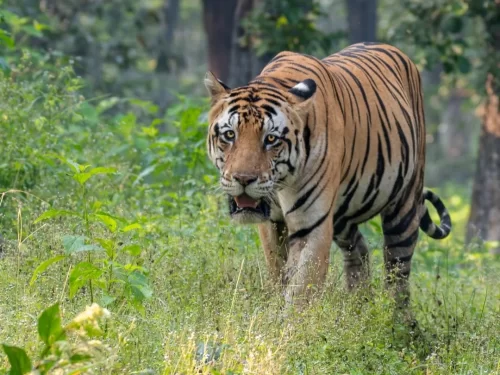
  • Ideal months: October to June, aligned with Kanha Tiger Reserve’s official safari season for buffer zones.
  • Weather during best season: October–February offers cooler mornings and evenings; March–June is hotter but increases chances of wildlife sightings near water sources.
  • Periods to avoid: July to September due to monsoon closure of safari zones, muddy forest tracks, and restricted access for vehicles.

How to Reach Khapa Zone Kanha

  • Nearest airport: Jabalpur Airport (approx. 180–200 km), with road transfers required to reach the Khapa buffer zone entry area.
  • Nearest railway station: Gondia Junction (approx. 120–140 km) and Balaghat Junction (approx. 90–110 km), both used by visitors accessing the buffer zones of Kanha.
  • Road access and last-mile connectivity: Khapa Zone is reached by road through forest-side villages on the Maharashtra–Madhya Pradesh border; final access is only via registered safari vehicles arranged through local forest authorities or licensed resorts, with no public transport inside the zone.

What to Expect When You Visit Khapa Zone Kanha

  • Environment and surroundings: A dense buffer-zone forest landscape with mixed sal and bamboo vegetation, seasonal streams, and limited open meadows, creating a quieter and less trafficked wildlife habitat compared to core safari zones.
  • Facilities and amenities: No tourist facilities inside the zone; basic amenities such as restrooms, food, and lodging are only available at nearby forest-side villages, safari entry points, or private resorts outside the forest boundary.
  • Accessibility and movement: Entry is strictly through forest department gates using registered safari vehicles; movement is restricted to designated forest tracks with controlled routes and timings.
  • Typical visitor behavior and conditions: Visitors follow guided safari protocols with forest guards or authorized drivers; silence, limited vehicle movement, and regulated halts are enforced to minimize wildlife disturbance.

Important Visitor Information for Khapa Zone Kanha

  • Crowd and weather notes: Visitor numbers are lower than core zones of Kanha Tiger Reserve, but safaris can be affected by monsoon closures and forest department route restrictions during heavy rainfall periods.
  • Peak and quiet visiting hours: Peak movement occurs during morning and afternoon safari slots; mid-day hours have no safari access, making the zone inactive for visitors.
  • Dress code: Neutral-colored, non-reflective clothing is required as per forest safari norms; bright colors and strong perfumes are discouraged by forest authorities.
  • Safety notes and practical cautions: Entry is only permitted with authorized permits and official guides/drivers; stepping out of vehicles, loud noise, feeding wildlife, and off-route movement are strictly prohibited under forest regulations.

Photography and Viewpoints at Khapa Zone Kanha

  • Best viewpoints or angles: Open grasslands along the Khapa River and small clearings near termite mounds offer unobstructed wildlife photography opportunities.
  • Lighting conditions and time-of-day: Early morning and late afternoon safaris provide the best natural light for capturing tigers, deer, and birdlife.
  • Rules or restrictions on photography: Only handheld cameras are allowed; drones and flash photography are strictly prohibited within the zone.
  • Crowd or access factors: Limited to authorized safari vehicles; fewer visitors than other Kanha zones reduce obstruction, but vehicles may cluster at known wildlife spots during peak safari hours.

Near By Attraction

Kanha National Park & Tiger Reserve with Bengal tiger in lush forest, Madhya Pradesh wildlife safari tourism destination National Park

Kanha National Park & Tiger Reserve

Kanha National Park is a protected wildlife reserve in central India known for its biodiversity.
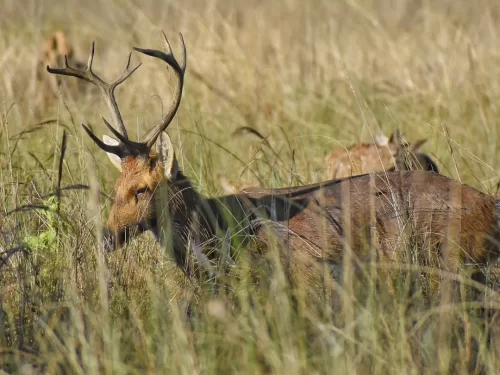
Kisli Zone Kanha in Kanha National Park with barasingha deer in grasslands, Madhya Pradesh wildlife safari destination Wildlife Sanctuary

Kisli Zone Kanha

Kisli Zone is a prominent wildlife sector of Kanha National Park, offering dense forest habitats and diverse fauna.
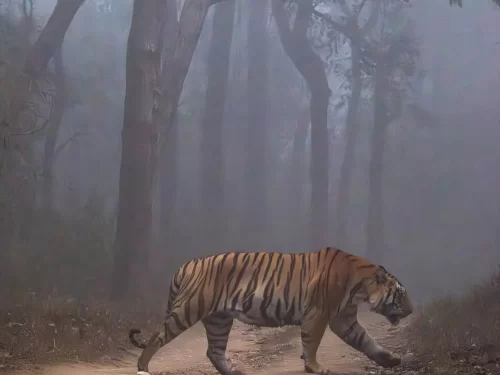
Kanha Zone, Kanha National Park Madhya Pradesh Bengal tiger walking through dense forest safari wildlife reserve India Wildlife Sanctuary

Kanha Zone

Kanha Zone is one of the core safari zones inside Kanha National Park, managed for wildlife conservation and regulated tourism access.

Frequently Asked Questions About Khapa Zone

Khapa Zone is one of the buffer safari zones of Kanha National Park & Tiger Reserve in Madhya Pradesh. It offers a quieter wildlife experience compared to the core zones.
Safari timings in Khapa Zone are divided into morning and afternoon shifts. Exact reporting and exit times vary by season as regulated by forest authorities.
The entry fee for Khapa Zone includes safari permit charges, vehicle fees, and guide fees as per park regulations. Prices vary depending on visitor category and booking type.
Visitors can access Khapa Zone by booking an authorized jeep safari through official forest department channels. Entry is permitted only with a confirmed permit and registered guide.
Online safari booking is available for Khapa Zone through the official forest department portal. Advance reservations are recommended during peak tourist months.
The best time to visit Khapa Zone is between October and June. Summer months generally improve wildlife sighting chances due to increased animal movement near water sources.
Khapa Zone offers sightings of deer species, gaur, wild boar, birds, and occasionally tigers or leopards. Wildlife visibility depends on season and safari timing.
Most travelers choose at least two safari drives in Khapa Zone to increase wildlife sighting opportunities and explore different forest tracks.
Private vehicles are not allowed inside Khapa Zone for safari purposes. Visitors must use authorized park vehicles operated under forest department supervision.
Various accommodation options are available near Khapa Zone ranging from budget lodges to wildlife resorts. Most stays are located close to the main park entry gates.

Loved this place ? Let’s Plan Your Madhya Pradesh Trip

Get customized Madhya Pradesh tour planning designed around safari seasons, road travel distances, heritage site exploration time, and comfortable pacing across regions. Whether you are visiting for wildlife safaris, temple architecture, historical monume

⚡ Quick Response | 💰 Free consultation | 🕒 24×7 expert support

×

Plan Your Trip