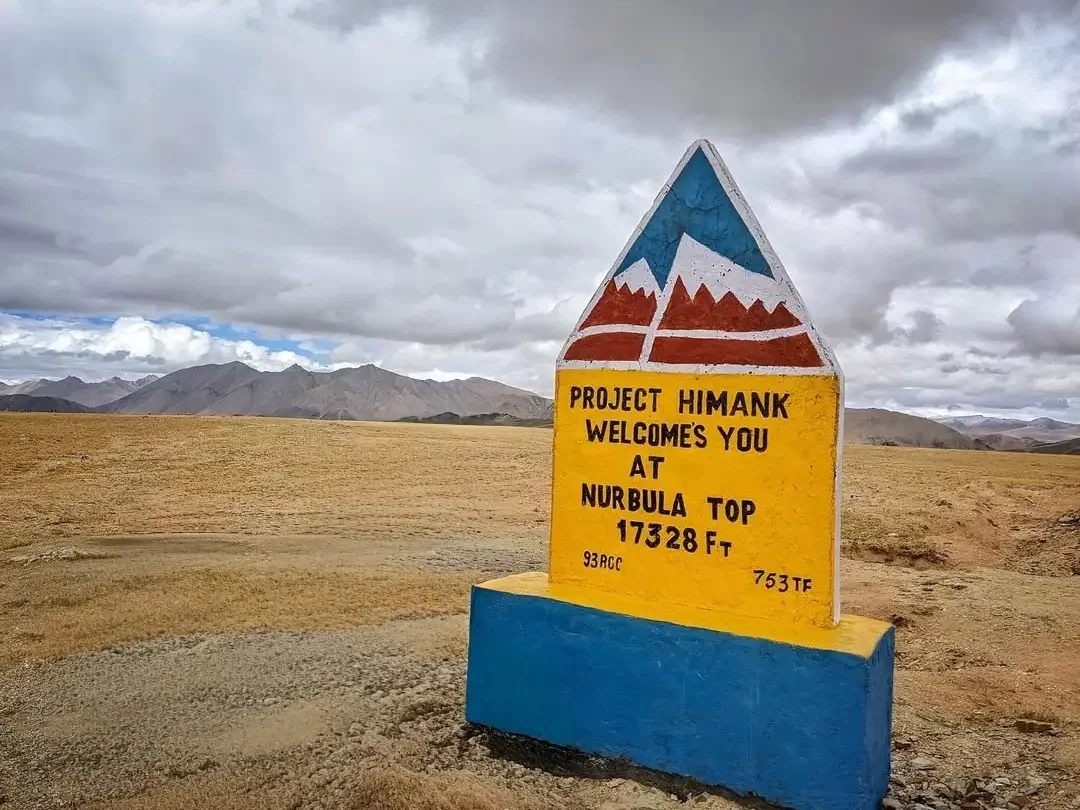
Nurbu La Pass Ladakh India

Nurbu La , Hanle
Nurbu La is a remote mountain pass in Ladakh, forming a strategic and scenic link between Hanle and Umling La. It is situated at a high elevation and traversed via motorable or trekking routes depending on the season. The pass provides panoramic views of the surrounding Himalayan ridges and valleys and serves as a key route for adventure travelers exploring this remote region. Due to its altitude and rugged terrain, the area remains undeveloped with no tourist infrastructure, emphasizing an authentic high-altitude experience. Accessibility is seasonal, with snow and harsh weather affecting travel outside summer months.

Quick Facts About Nurbu La

Entry Fee Free
Timings 09:00 - 18:00
Altitude (m) 5100
Ideal Visit Duration (hrs) 1
Best Time of Day Morning
Crowd Level Low
Distance from Hanle (km) 70
Walking Difficulty Easy
Parking Available Yes
Last Mile Access Road
Suitable for Kids Yes
Suitable for Seniors No
Wheelchair Friendly No

Why Visit Nurbu La

Nurbu La is visited primarily by adventure travelers and high-altitude enthusiasts who want to experience a remote Himalayan pass connecting Hanle to Umling La. It offers an authentic sense of isolation and dramatic landscapes far from mainstream tourist routes.

The atmosphere at Nurbu La is stark and windswept, with panoramic views of surrounding mountains and valleys. The pass feels remote and untouched, providing a sense of solitude and high-altitude adventure that is rare in Ladakh.

What makes Nurbu La special is its function as a scenic and strategic connector between Hanle and Umling La. Its high elevation, rugged terrain, and unspoiled surroundings provide travelers with an immersive experience of Ladakh’s extreme mountain environment, combining natural beauty with the thrill of high-altitude travel.

Geographic and Strategic Significance of Nurbu La

Nurbu La has primarily served as a high-altitude connector between Hanle and Umling La rather than as a site of historical events or religious importance. Its significance lies in geography and strategic access, providing a natural route through the rugged terrain of eastern Ladakh.

The pass has been used by local travelers and adventure explorers to traverse remote high-altitude regions safely. It also serves as an important route for logistical access in this sparsely populated area, demonstrating the functional importance of mountain passes in Ladakh's challenging terrain.

Unlike passes with ceremonial or cultural relevance, Nurbu La’s importance is primarily practical, enabling connectivity between valleys and offering travelers an authentic experience of Ladakh’s high-altitude environment.

Best Time to Visit Nurbu La

The best time to visit Nurbu La is during the summer months when the motorable road connecting Hanle to Umling La is open and weather conditions are relatively stable. Outside this window, heavy snow and extreme cold make the pass inaccessible.

Traveling between June and September provides the safest conditions, clear skies, and better visibility for photography and sightseeing. Even in summer, sudden winds and temperature drops are possible, so preparation is essential.
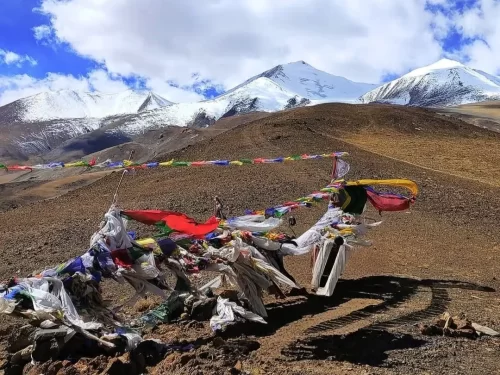
  • June to July: Cooler temperatures, fewer travelers, and relatively stable road conditions
  • July to August: Best period for accessibility and clear visibility; moderate vehicle traffic
  • September: Crisp weather with fewer travelers and quieter surroundings
  • October to May: Pass is generally inaccessible due to snow and harsh high-altitude conditions

How to Reach Nurbu La

  • By Road from Hanle: Nurbu La is accessible via a motorable road connecting Hanle to Umling La. The pass can be reached using high-clearance or 4x4 vehicles.
  • From Leh: Travelers can reach Hanle first via the Leh–Hanle route, and then continue along the rugged road to Nurbu La. The total journey covers challenging high-altitude terrain.
  • Road Conditions: The road is unpaved in sections with steep gradients and hairpin bends. Weather can impact safety, even in summer months.
  • Last Mile Access: Vehicles can stop directly at the pass for sightseeing and photography, with no trekking required.
  • Seasonal Access: The pass is only safely accessible from June to September. During winter months, heavy snowfall and extreme cold make the route impassable.
  • Travel Guidance: Experienced drivers or guides familiar with high-altitude mountain roads are recommended for safety and navigation.

What to Expect When You Visit Nurbu La

  • A high-altitude roadside pass with expansive views of surrounding mountains and valleys
  • Minimal infrastructure; no tourist facilities, shops, or restrooms at the pass
  • Cold winds and fluctuating temperatures due to extreme elevation, even during summer months
  • Short stops suitable for photography, sightseeing, and acclimatization pauses
  • Very low crowd levels; primarily visited by adventure travelers and local traffic
  • Direct vehicle access; no trekking required for casual viewing
  • Exposed terrain requiring awareness of sudden weather changes and road safety

Important Visitor Information

  • Crowd and Weather Notes: Nurbu La experiences very low visitor traffic. Weather can change rapidly, with strong winds, sudden cloud cover, and cold temperatures typical of high-altitude passes.
  • Peak and Quiet Hours: Midday is the safest and most active period for vehicle travel. Early mornings and late afternoons are quieter but colder and windier.
  • Dress Code: Layered clothing and windproof jackets are essential. Even in summer, temperatures can drop sharply at the pass.
  • Safety Notes: Travel only in vehicles suitable for high-altitude roads. Stop at safe roadside points, avoid prolonged exposure, and be cautious of altitude-related effects.
  • Altitude Awareness: Visitors should monitor themselves for signs of altitude sickness and limit physical exertion at the pass.

Photography and Viewpoints at Nurbu La

  • The pass offers expansive, unobstructed views of the surrounding Himalayan ridges and valleys, ideal for landscape and high-altitude photography directly from the roadside.
  • Late morning to early afternoon provides the best lighting, minimizing shadows and ensuring clear visibility of the rugged terrain and distant peaks.
  • Wide-angle lenses are recommended to capture the scale of the pass, road, and surrounding mountainous landscape.
  • Wind and sudden weather changes are common, so secure camera equipment and plan for brief shooting intervals.
  • No formal viewpoints exist; roadside pull-offs serve as natural photography spots.
  • Vehicle traffic is minimal but should be considered when framing shots along the narrow road sections.
  • Seasonal clouds or mist can enhance dramatic effects but may reduce visibility; flexible timing is advised for optimal photography.

Near By Attraction

Thit Zarbo La Pass (Thang La) Ladakh Himalayas prayer flags fluttering amid brown rocky terrain with snow-capped peaks under blue sky with clouds, iconic high-altitude adventure trek tour package.  Mountain Pass

Thit Zarbo La Pass

Thit Zarbo La is a high-altitude motorable pass situated at an elevation of approximately 5,213 meters (17,103 feet) in the southeastern Changthang region of Ladakh.
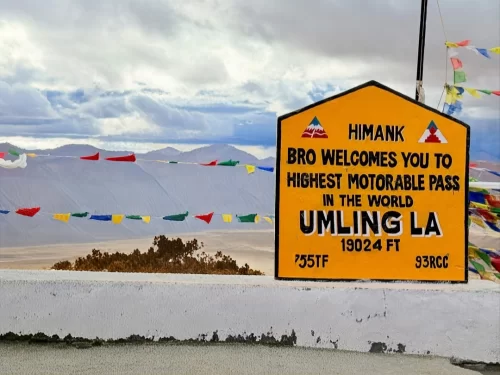
Umling La Ladakh BRO Himank signboard world's highest motorable pass 19300 ft prayer flags mountains, Changthang plateau adventure peak clouds, perfect Ladakh biking offroad expedition package. Mountain Pass

Umling La Pass

Umling La is a high-altitude mountain pass in the Eastern Ladakh region, situated at an elevation of 5,798 meters (19,024 feet) according to Guinness World Records.
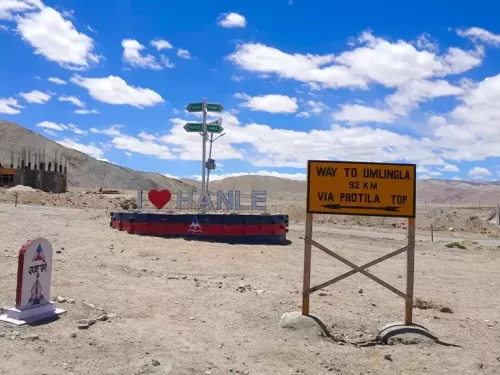
Large red I Love Hanele signpost yellow road sign Way to Umlingla 63 km via Photila Top green directional poles barren Ladakh rocky terrain partly cloudy blue sky, perfect high-altitude route Ladakh adventure package. Mountain Pass

Photi La

Photi La is a high-altitude mountain pass in the Leh district that serves as a remote gateway to the Hanle region of eastern Ladakh.

Frequently Asked Questions About Nurbu La

The best time to visit Marsimik La Pass is between July and September when the high altitude track is generally clear of heavy snow and weather conditions are relatively stable.
Driving from the Lukung or Phobrang side of Pangong Lake to Marsimik La Pass typically takes three to four hours due to extremely steep gradients and rough off road terrain.
A special Inner Line Permit with specific mention of Marsimik La Pass is required because the route lies in a highly sensitive border zone of eastern Ladakh.
Oxygen levels at Marsimik La Pass are significantly lower than in Leh and can be nearly fifty percent of sea level concentration due to its elevation above 18,000 feet.
There are no food stalls fuel stations or restroom facilities at Marsimik La Pass so travelers must carry sufficient water snacks and emergency supplies.
A high clearance 4x4 vehicle with strong low gear capability is strongly recommended for Marsimik La Pass because the route includes loose gravel sharp inclines and unpaved stretches.
Travelers should limit their stay at the Marsimik La Pass summit to about ten to fifteen minutes due to the extreme altitude and thin air.
Visitors should wear heavy thermal layers insulated gloves and windproof jackets because temperatures at Marsimik La Pass remain cold even during summer.
Foreign nationals are generally not permitted to visit Marsimik La Pass due to its proximity to the Line of Actual Control and strict security regulations.
Marsimik La Pass is not accessible during winter months as heavy snowfall and extreme temperatures block the unpaved mountain track.
Marsimik La Pass is not suitable for families with young children or senior citizens because of the very high altitude and lack of medical facilities in the area.
Travelers visiting Marsimik La Pass should be fully acclimatized in Ladakh for at least two to three days carry emergency oxygen if advised and avoid rapid physical exertion at the summit.

Loved this place ? Let’s Plan Your Ladakh Trip

Get customized Ladakh tour planning designed around altitude comfort, acclimatization time, weather windows, and real Himalayan road conditions. Whether you are visiting for high mountain passes, monasteries, lakes, or remote valley experiences, our exper

⚑ Quick Response | πŸ’° Free consultation | πŸ•’ 24Γ—7 expert support

×

Plan Your Trip