All you need to know about Ladakh

Ladakh is a high-altitude Himalayan region known for stark mountain landscapes, vast open valleys, and a unique blend of Tibetan-Buddhist culture and rugged desert terrain. Travelers come here for dramatic scenery, clear skies, and a sense of remoteness that feels far removed from crowded hill stations. The region sits above 3,000 meters in most areas, so acclimatization is essential and travel plans must account for altitude and weather shifts.

Ladakh’s travel rhythm is slow, shaped by short summers, long winters, and terrain that rewards patience. It suits explorers who value raw nature, cultural depth, and immersive, road-based journeys.

What Makes Ladakh a Unique Travel Region

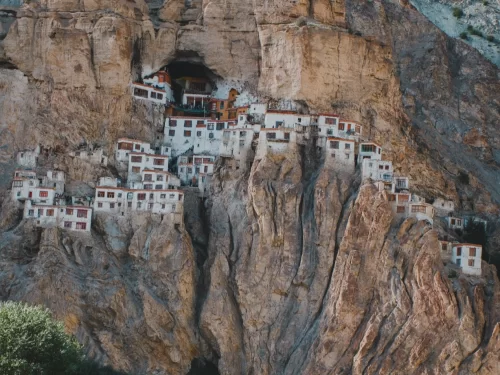
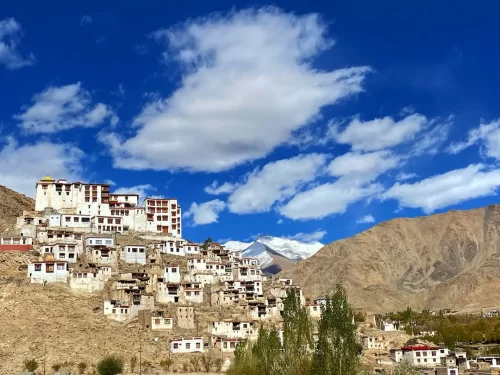
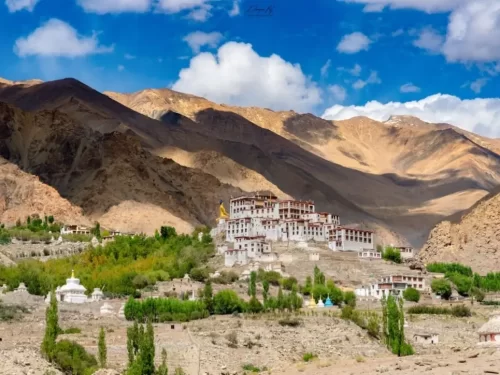
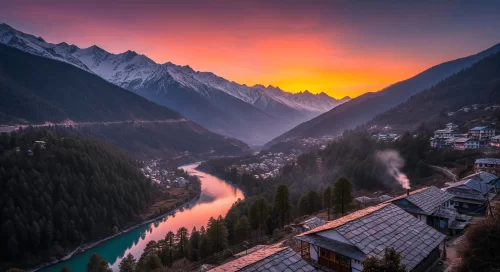
Ladakh is a high-altitude desert region in the northern Himalayas where stark mountain landscapes meet centuries-old Buddhist traditions. Unlike forested hill states, its terrain is raw and dramatic—wide valleys, cold deserts, turquoise lakes, and some of the world’s highest motorable passes. Travel here is shaped by altitude, remoteness, and strong cultural identity. Monasteries crown hilltops, villages sit along riverbanks, and the pace of life follows extreme seasons. Ladakh appeals to travelers who value expansive scenery, silence, and journeys that feel physically and emotionally immersive.

  • Geography: High-altitude cold desert with rugged mountains, glacial rivers, and vast open valleys.
  • Culture: Predominantly Tibetan Buddhist heritage with visible monastery life and traditional settlements.
  • Travel vibe: Remote, adventurous, slow-paced, and shaped by altitude and climate.
  • Distinct experience type: High mountain road journeys, monastery circuits, and extreme landscape exploration.

Types of Destinations You’ll Find in Ladakh

  • High-altitude cold desert regions shaped by stark mountains and open valleys
  • Historic monastic complexes rooted in Tibetan Buddhist traditions
  • Remote Himalayan settlements with traditional stone and mud architecture
  • Glacial lakes, braided rivers, and vast plateau landscapes
  • Strategic mountain passes and frontier zones with extreme weather conditions

Popular Tourist Circuits Across Ladakh

Travel in Ladakh is structured around altitude zones and mountain corridors, not short sightseeing loops. Most regions lie above 3,000 meters, and safe travel requires gradual ascent with at least 48 hours of acclimatization before moving to higher valleys. Road distances are deceptive; terrain, river crossings, and high passes significantly increase travel time. Several remote and border areas require government permits, and weather can close passes without notice, especially from late autumn to early spring. Planning is typically done valley by valley, with realistic durations of 6 to 12 days for a balanced and safe experience.

Circuit Type Areas Covered (generic descriptions only, no place names) Ideal Duration (realistic and safety based) Travel Style
Acclimatization and Cultural Base Circuit High-altitude administrative town, nearby monasteries, river valleys, heritage sites 2–3 days Slow exploration with minimal altitude gain and short road excursions
High-Altitude Lake and Desert Circuit Cold desert valleys, sand dunes, alpine lakes, remote villages 4–5 days Long road journeys with overnight stays in camps or guesthouses
Western Valley Cultural Circuit River confluences, ancient monasteries, high mountain passes, traditional settlements 3–4 days Scenic driving with moderate altitude transitions
Remote Plateau and Border Circuit High-altitude plains, saltwater lakes, sparsely populated border regions 4–6 days (after acclimatization) Permit-based expedition-style travel with flexible scheduling
Comprehensive Trans-Himalayan Circuit Central valleys, multiple lake regions, desert landscapes, high passes 8–12 days Phased road journey with strict altitude management and weather buffer

Best Time to Travel to Ladakh

Choosing the right season for Ladakh depends on how comfortable you are with high-altitude weather and whether you prefer open-road exploration or snow-covered Himalayan landscapes.

Season Months Weather Conditions Travel Suitability
Peak Summer June to September Pleasant daytime temperatures, bright sunshine, clear skies, and accessible mountain passes Most suitable for road trips, sightseeing, photography, and comfortable exploration of high-altitude terrain
Late Spring May Cool days with gradual snow melt and improving road conditions Good for travelers seeking fewer crowds and early-season mountain views with moderate weather
Autumn October Crisp air, sharp visibility, colder nights, and quieter surroundings Ideal for peaceful travel experiences and clear Himalayan landscapes with lighter tourist movement
Winter November to April Very cold temperatures with snow-covered terrain and frozen high-altitude scenery Best suited for well-prepared travelers who are comfortable with extreme cold and wish to experience Ladakh’s winter character

How Many Days Do You Need to Explore Ladakh

Trip Duration What You Can Experience Best For
6–7 Days A structured introduction to Ladakh with proper acclimatization time, high-altitude landscapes, monasteries, and one major lake region, without long back-to-back driving days. First-time visitors who want a safe and balanced experience within a limited timeframe.
8–9 Days A more comfortable circuit covering varied terrain including mountain passes, cold desert valleys, and multiple scenic lake areas, with rest buffers for altitude and weather shifts. Travelers seeking depth while maintaining a manageable pace.
10–12 Days A comprehensive journey across diverse regions with time for cultural interaction, gradual altitude gain, and flexibility for unpredictable road conditions. Nature-focused travelers and photographers who prefer immersive travel over fast transitions.
13–15 Days A slow and extensive exploration including remote high-altitude routes, lesser-visited landscapes, and adequate contingency days for terrain, weather, and acclimatization. Experienced mountain travelers and those prioritizing complete regional coverage.

How Travelers Usually Explore Ladakh

Most travelers reach Ladakh by flying into Leh Airport, which becomes the main base for acclimatization and planning onward journeys. A slow start is essential because Leh sits above 3,500 meters, and rushing into remote valleys can cause altitude sickness. From Leh, visitors typically follow circuit-style routes toward Nubra Valley, Pangong Lake, Tso Moriri, or Kargil. Travel pacing is deliberate, with realistic driving hours and overnight stops planned according to terrain, road conditions, and altitude gain.

  • Road Travel: SUVs and tempo travelers are the primary mode; mountain passes like Khardung La and Chang La shape most routes.
  • Rail: No railway line reaches Ladakh; the nearest major railhead is Jammu Tawi.
  • Local Transport: Leh-based union taxis handle inter-district travel; self-drive rentals operate locally but are restricted in some circuits.
  • Day Trips vs Circuits: Nearby monasteries and viewpoints work as half-day trips from Leh, while Nubra, Pangong, and Tso Moriri require multi-day circuits.

Culture, Food & Everyday Life in Ladakh

In Ladakh, geography is not a backdrop; it is the architect of daily life. At elevations above 3,000 meters, thin air, intense sunlight, and long winters shape how people work, eat, and interact. Farming follows a short summer window, livestock remains central to livelihood, and homes are built for insulation rather than display. Social behavior tends to be composed and respectful, influenced by Buddhist and Islamic traditions that value balance, patience, and community responsibility. Food is practical and sustaining — barley-based staples, dairy, and slow-cooked meals provide warmth and endurance in a cold desert climate. The overall pace feels measured and purposeful; travelers often experience a rare quietness, where conversations are gentle, time moves slower, and the landscape encourages reflection rather than rush.

  • High-altitude, climate-adapted lifestyle
  • Community-driven social harmony
  • Energy-rich, warming food habits
  • Calm, introspective pace of life
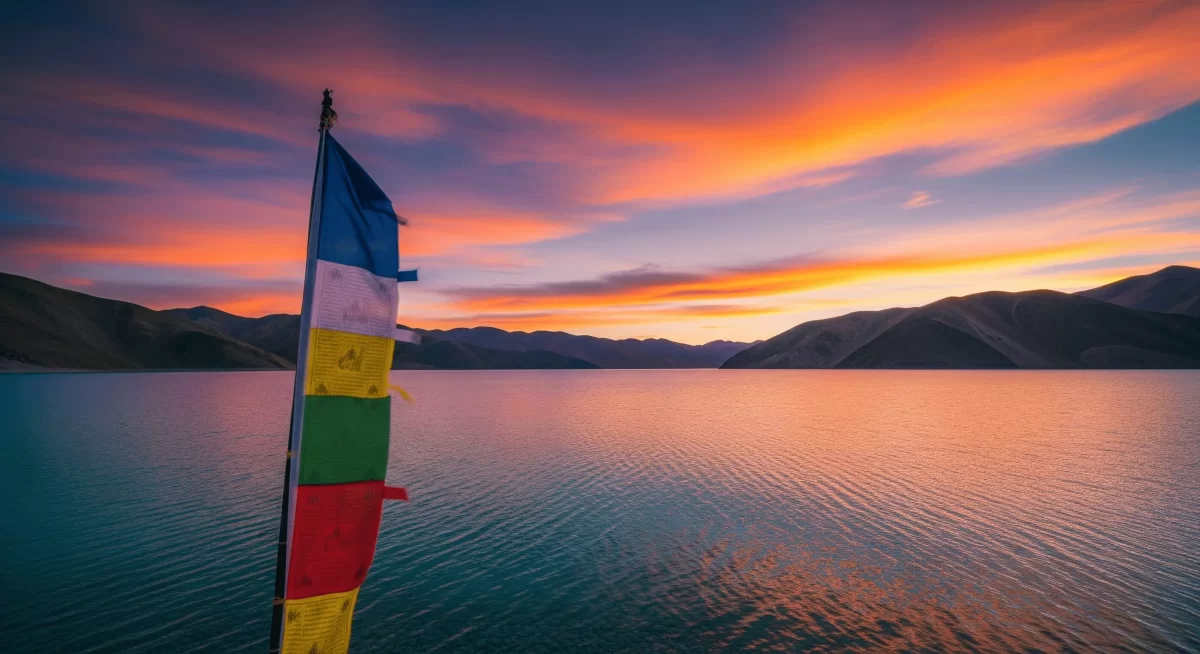
Festivals & Seasonal Travel Experiences in Ladakh

Season Festival / Experience Type Travel Atmosphere
Late Spring (May–June) Road-trip season opening, monastery festivals in villages Manali–Leh and Srinagar–Leh highways begin opening, snow walls at high passes, fresh landscapes, moderate tourist flow with improving accessibility.
Peak Summer (July–August) Hemis Festival, Ladakh Festival, cultural performances Clear skies, full access to Nubra and Pangong routes, peak tourist season in Leh town, active monasteries and lively markets.
Autumn (September–October) Harvest season experiences, photography expeditions Golden poplar trees along the Indus Valley, sharp Himalayan visibility, fewer crowds after mid-September, stable weather before winter closure.
Winter (November–March) Chadar Trek on Zanskar River, Losar (Ladakhi New Year) Extreme cold conditions, frozen rivers and waterfalls, flight-based access only, limited internal road movement depending on snowfall, quiet monastery life in Leh.

Travel Conditions, Weather & Practical Tips for Ladakh

  • Ladakh has an extreme cold desert climate. Days may feel warm in direct sun, but shade and evenings are significantly colder. Temperature swings of 15–20°C within a single day are common. Winter months bring heavy snowfall and complete closure of several high passes.
  • The entire region is high altitude. Leh is around 3,500 meters, and many key destinations like Pangong Lake, Nubra Valley, and Tso Moriri are higher. Low oxygen levels can cause Acute Mountain Sickness. Proper acclimatization, hydration, and slow physical movement during the first two days are essential.
  • Road travel depends heavily on season and weather. The Manali–Leh and Srinagar–Leh highways are open only during summer months. Even then, landslides, water crossings, and BRO repair work may delay journeys.
  • Connectivity is limited. Only postpaid SIM cards generally work in Leh. Remote areas often have weak or no signal. Do not rely on stable internet access outside Leh town.
  • Pack layered thermal clothing, a heavy windproof jacket, gloves, woolen cap, sunglasses for high UV glare, sunscreen, lip balm, and personal medicines. Comfortable walking shoes are necessary due to uneven terrain.

Is Ladakh Right for Your Travel Style?

  • Families: Best suited for families with teenagers or older children. High altitude (Leh at 3,500 m+) requires at least 48 hours of acclimatization. Long drives between Nubra, Pangong, and Tso Moriri can be tiring for young kids.
  • Couples: Excellent for couples who value landscapes over luxury. Lakeside stays near Pangong, monastery sunsets, and clear night skies create a peaceful, experience-driven getaway.
  • Seniors: Possible with prior medical consultation. Staying mainly in Leh and nearby monasteries is manageable, but crossing high passes above 5,000 m may not be advisable for those with heart or respiratory conditions.
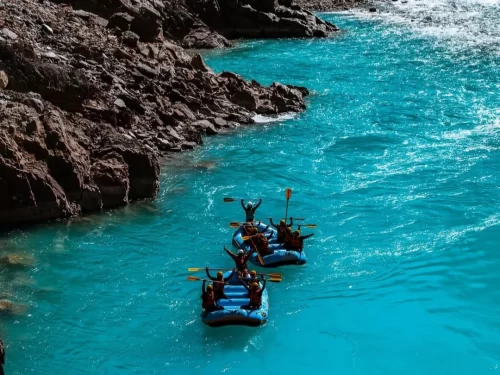
  • Adventure Seekers: Strong match for high-altitude treks, biking expeditions, river rafting on the Zanskar, and crossing passes like Khardung La and Chang La. Ladakh is physically demanding and rewarding.
  • Solo Travellers: Popular with bikers and backpackers. Safe, socially open environment with shared taxis and homestays available. Self-reliance and altitude awareness are important.

Explore - Place to Visit, Activity to do & Food to try

Hall of Fame Leh Ladakh Indian Army war memorial museum cenotaph flags India Pakistan Turkey sunset sunrise Karakoram mountains soldier statues red carpet lamps military history Kargil heroes. Museum

Hall of Fame

The Hall of Fame in Leh is a renowned military museum showcasing the bravery, sacrifices, and achievements of the Indian Army in Ladakh.

Turtuk Monastery, peaceful Buddhist monastery in Turtuk village, Ladakh adorned with colorful prayer flags and stunning mountain views. Monastery

Turtuk Monastery

Turtuk Monastery is a small and peaceful Buddhist gompa located near Turtuk Village, offering calm surroundings and mountain views.

Pangong Lake Ladakh winter Chhatrapati Shivaji Maharaj statue bronze equestrian sword saffron flag pedestal snowy mountains turquoise water cloudy sky stone wall railing, historical monument adventure tour package. Mountain

Pangong Tso

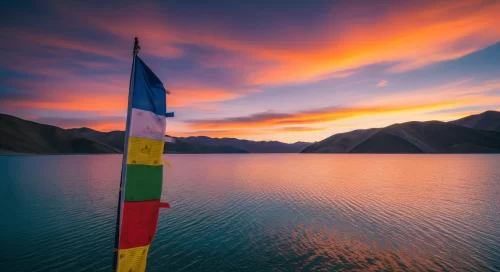
Pangong Tso is the world's highest saltwater lake, famous for its mesmerizing ability to change colors from turquoise to deep blue.

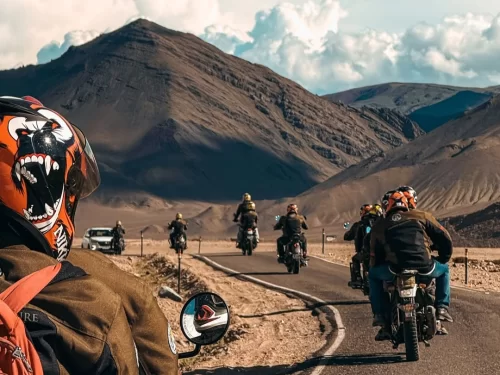
Leh City Road Ladakh dynamic biker group convoy roaring along dusty highway amidst towering dramatic brown mountains cloudy blue skies rugged adventure rider POV, exhilarating Himalayan motorcycle safari biking expedition tour package
Price: 0
Leh
Bike Ride
River rafting at Sangam Leh Ladakh during sunny day, featuring blue rafts turquoise waters rocky gorge paddlers, perfect adventure Ladakh tour package.
Price: 0
Leh
River Rafting
Hanle Ladakh Milky Way night sky astrophotography, stunning galaxy core dark sky reserve Indian Astronomical Observatory, perfect stargazing cosmic wonder package.
Price: 0
Leh
Star Gazing
Rogan Josh in aromatic red chili mutton gravy garnished with cilantro and dried chilies, authentic Indian Kashmiri cuisine with rich bold flavors.
Rogan Josh
Ladakhi Rogan Josh is a hearty mutton stew slow-cooked in a rich, aromatic gravy. While it retains the iconic red color of its Kashmiri cousin, the Ladakhi version often features a thicker consistency and a more pronounced use of local mountain garlic and dried herbs.
Traditional Ladakhi Thukpa noodle soup with meat, vegetables, and momos.
Thukpa
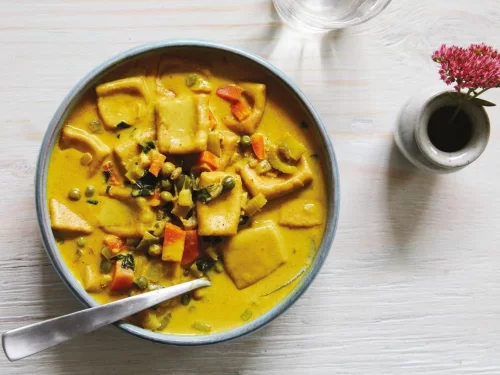
Thukpa is a hearty Himalayan noodle soup made with hand-pulled or wheat noodles, fresh vegetables, and savory meat simmered in a warm, spiced broth.
Tingmo is a soft, fluffy Tibetan steamed bread with delicate twisted layers, perfect for soaking up rich curries and gravies.
Tingmo
In Ladakh, Tingmo is a soft, cloud-like steamed bun made from fermented wheat flour. It is recognizable by its intricate "flower" whorls and is the primary accompaniment for the region's hearty stews and spicy meat stir-fries.

Frequently Asked Questions

Ladakh is known for its high-altitude landscapes, stark mountains, clear skies, monasteries, and a unique culture shaped by geography and climate.
Ladakh offers a slow, altitude-aware travel experience focused on nature, culture, spiritual spaces, and raw Himalayan scenery.
Ladakh includes high mountain regions, river valleys, plateau areas, remote border landscapes, and culturally significant zones spread across vast distances.
Signature travel themes include high-altitude exploration, cultural immersion, monastery visits, nature travel, and remote landscape experiences.
Yes, Ladakh is one of India?s premier high-altitude travel regions, requiring careful acclimatization and thoughtful pacing.
Ladakh has strong cultural and spiritual importance through its monasteries, traditional practices, and deep-rooted Himalayan heritage.
Ladakh?s cultural identity is shaped by Buddhist traditions, mountain communities, seasonal living, and a close relationship with nature.
Ladakh celebrates traditional festivals linked to monasteries, seasonal cycles, and local cultural practices.
The best time to visit Ladakh is from May to September when roads are accessible and weather conditions support travel.
An ideal Ladakh trip usually requires 7 to 12 days to allow acclimatization and comfortable exploration of multiple regions.
Travel within Ladakh is primarily by road, with long distances and terrain requiring careful route and time planning.
Yes, acclimatization is essential in Ladakh due to high altitude, and travelers should plan rest days into their itinerary.
Ladakh is suitable for families accustomed to slower travel and altitude conditions, with careful planning and pacing.
Ladakh suits travelers who enjoy nature, photography, cultural depth, offbeat destinations, and mindful travel.
Yes, Ladakh is well suited for adventure-oriented travel such as high-altitude exploration and outdoor experiences.
Ladakh offers accommodations including hotels, guesthouses, homestays, eco-stays, and seasonal lodges.
Ladakh is generally safe for tourists when travel is planned responsibly, weather conditions are respected, and local guidelines are followed.
Yes, Ladakh is ideal for slow and immersive travel due to altitude, distances, and its reflective cultural environment.
Ladakh is sometimes combined with nearby Himalayan regions, though it often works best as a focused standalone journey.
Ladakh sees seasonal crowding during peak months, while shoulder periods offer quieter and more peaceful travel.
Travelers choose Ladakh for its dramatic landscapes, cultural depth, high-altitude uniqueness, and one-of-a-kind Himalayan experience.

Loved this place ? Let’s Plan Your Ladakh Trip

⚡ Quick Response | 💰 Free consultation | 🕒 24×7 expert support

×

Plan Your Trip