Ultimate Ladakh Road Trip Guide From Delhi, Srinagar and Manali
A Ladakh road trip from Delhi through Srinagar or Manali requires detailed planning around routes, weather, fuel, permits, and high altitude travel conditions.
+91 9910402252
admin@chalbanjare.com


This Leh Ladakh travel guide helps first time travelers plan routes, weather, cost, permits, safety, and itinerary for a smooth 2026 trip.
Leh Ladakh is a high-altitude Himalayan region located in northern India, known for cold desert landscapes, barren mountains, glacial rivers, high passes, remote villages, and large alpine lakes. Unlike green hill stations, Ladakh has rugged terrain with very limited vegetation because of low rainfall and extreme climatic conditions. The region sits at very high elevations, and most tourist areas remain above 10,000 feet, making altitude an important factor in travel planning.
Leh town acts as the central hub for tourism, transport, hotels, bike rentals, permits, hospitals, and local markets. From Leh, travelers usually explore different circuits including Sham Valley, Nubra Valley, Pangong Lake, Tso Moriri, Hanle, Kargil, and Zanskar. Every region has different road conditions, travel difficulty, altitude levels, and accommodation availability, so understanding the geography of Ladakh is important before finalizing an itinerary.
Distances in Ladakh may appear short on maps, but mountain roads, altitude, weather conditions, and army checkpoints increase travel time considerably. Travelers should plan region-wise movement carefully instead of trying to cover all major destinations within a rushed schedule.
High altitude is one of the biggest challenges for first-time travelers visiting Leh Ladakh because oxygen levels reduce significantly as elevation increases. Travelers arriving directly by flight from cities like Delhi, Mumbai, Bengaluru, Kolkata, or Chandigarh experience sudden altitude gain, which can affect the body during the first 24 to 48 hours after landing.
Common symptoms include headache, dizziness, breathlessness, nausea, low appetite, poor sleep, and fatigue. The mistake many travelers make is starting sightseeing immediately after arrival or attempting long drives to Nubra Valley or Pangong Lake without proper acclimatization. Even young and physically fit travelers can experience altitude sickness if the body does not get enough adjustment time.
| Common Situation | Possible Impact | Recommended Action |
|---|---|---|
| Landing in Leh and starting sightseeing immediately | Severe fatigue and headache | Rest completely on arrival day |
| Direct travel to high passes | Breathing discomfort and nausea | Spend initial days in Leh first |
| Low water intake | Faster dehydration and weakness | Drink warm fluids regularly |
| Heavy physical activity | Difficulty adjusting to altitude | Avoid running and exertion initially |
| Ignoring symptoms | Risk of serious altitude sickness | Seek medical attention if symptoms worsen |
Acclimatization should always be treated as the most important part of Ladakh travel planning because the comfort of the entire journey depends on how well the body adapts during the first few days. Slow travel and realistic itineraries significantly reduce altitude-related problems.
The ideal duration for a Leh Ladakh trip depends on travel style, route choice, and the number of regions included in the itinerary. For most first-time travelers, a 6 to 7 day trip works best because it provides enough time for acclimatization, local sightseeing, and covering major destinations like Nubra Valley and Pangong Lake without excessive travel pressure.
Shorter trips of 4 to 5 days are possible but usually feel rushed because long driving hours and high-altitude conditions reduce sightseeing comfort. Travelers wanting to explore offbeat regions like Hanle, Tso Moriri, Turtuk, Kargil, or Zanskar should ideally plan 8 to 12 days for a more relaxed and safer journey.
A comfortable Ladakh journey depends more on realistic route planning than on covering maximum places quickly. Travelers who keep extra time for acclimatization, weather flexibility, and slower travel usually enjoy the landscapes and overall mountain experience much more comfortably.
Leh city is the cultural and administrative center of Ladakh and acts as the main starting point for almost every tourist itinerary in the region. Surrounded by barren mountains and high-altitude desert landscapes, Leh combines traditional Buddhist culture, local markets, monasteries, palaces, cafes, and military history. Since the altitude in Leh itself is high, most travelers spend their first one or two days exploring nearby attractions while allowing the body to acclimatize gradually.
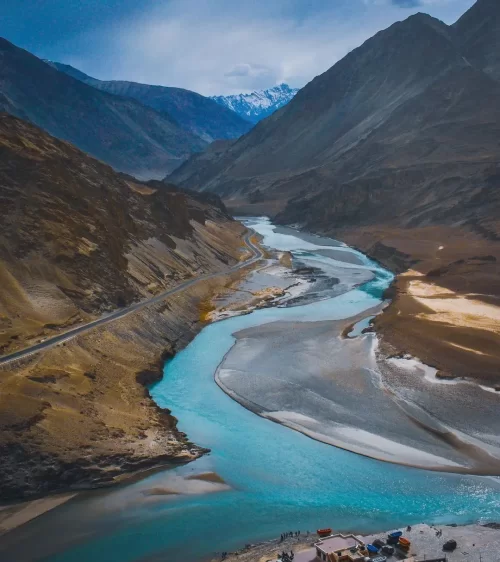
The Sham Valley route is considered one of the best beginner-friendly sightseeing circuits around Leh because it involves comparatively moderate altitude gain and smoother roads. The route covers famous monasteries, magnetic landscapes, river confluences, and scenic villages along the Leh–Kargil highway. Travelers exploring this region get a balanced introduction to Ladakh’s geography, religion, culture, and Himalayan terrain before moving towards more remote circuits like Nubra or Pangong.
Travelers should keep Leh local sightseeing and Sham Valley exploration during the initial days because these routes are more suitable for altitude adjustment compared to high mountain passes. Proper pacing during the beginning of the trip improves comfort and reduces the risk of altitude-related problems later.
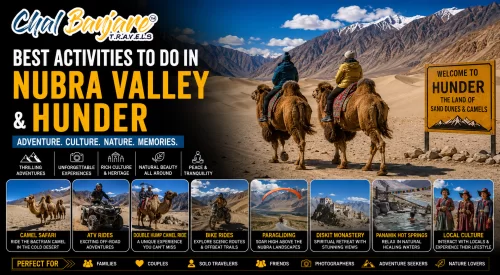
The Nubra Valley and Pangong Lake circuit is the most popular travel route in Leh Ladakh because it combines high mountain passes, cold desert landscapes, alpine lakes, monasteries, rivers, and remote Himalayan villages. This route usually begins from Leh and passes through Khardung La into Nubra Valley before continuing towards Pangong Lake through the Shyok route or returning via Leh depending on road conditions and itinerary duration.
Khardung La and Chang La are among the most famous high-altitude passes in Ladakh and form an important part of the road journey experience. The route involves long driving hours through changing terrain, including barren valleys, snow-covered peaks, river crossings, and isolated stretches with limited facilities. Weather and road conditions can change quickly, especially during early summer and late autumn seasons.
| Region or Pass | Main Attraction | Travel Importance |
|---|---|---|
| Khardung La | High-altitude mountain pass | Main gateway connecting Leh with Nubra Valley |
| Nubra Valley | Cold desert landscapes and villages | Famous for dunes, monasteries, and scenic valleys |
| Diskit | Monastery and Buddha statue | Main cultural center of Nubra region |
| Hunder | Sand dunes and camel rides | Popular overnight stay area in Nubra Valley |
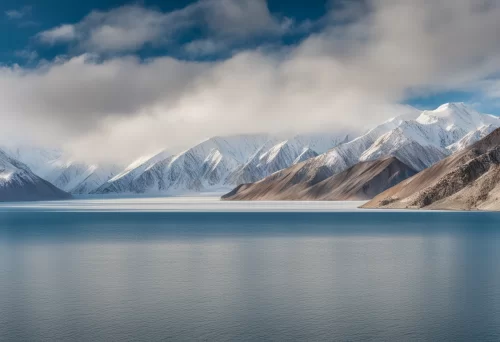
| Pangong Lake | Blue high-altitude lake | Most photographed lake destination in Ladakh |
| Chang La | Major mountain pass | Main route connecting Pangong and Leh |
| Shyok Route | Scenic mountain road | Direct connection between Nubra and Pangong |
Most travelers cover this circuit in three to four days for a balanced experience without excessive fatigue. Keeping sufficient rest, hydration, and realistic driving schedules is important because altitude and long mountain journeys can become physically demanding during this route.
Beyond the standard Leh–Nubra–Pangong circuit, Ladakh has several remote and offbeat regions offering quieter landscapes, unique culture, isolated villages, and deeper Himalayan exploration. These regions are suitable for travelers wanting less crowded routes, slower travel experiences, and access to areas with distinct geography and local traditions.
Turtuk, Hanle, Tso Moriri, Kargil, and Zanskar involve longer travel distances and comparatively limited infrastructure compared to central Ladakh. Roads may become rough, fuel stations are sparse, internet connectivity remains weak, and accommodation choices are fewer in many sections. Because of this, travelers should keep additional buffer days and avoid aggressive scheduling while planning these remote circuits.
Travelers visiting offbeat Ladakh regions should prioritize weather flexibility, fuel planning, medical preparedness, and realistic travel timing because sudden road closures or weather changes can affect movement significantly. These regions are best experienced slowly rather than as rushed extensions of short itineraries.
April to June marks the beginning of the main tourist season in Leh Ladakh when temperatures gradually become more comfortable and snow starts melting across mountain roads. During April, Leh town remains accessible mainly through flights because the Srinagar–Leh and Manali–Leh highways may still experience closures or restricted movement due to heavy snow accumulation at high passes. The weather during this period remains cold, especially during mornings and nights, but clear skies and snow-covered mountains create excellent landscape views.
By May and June, road connectivity improves significantly as highway restoration work progresses and tourist infrastructure becomes fully operational. Hotels, camps, cafes, bike rentals, and transport services start functioning actively during this time. June also brings the beginning of heavy tourist movement because of school holidays, bike expeditions, and family vacations, resulting in higher crowd levels across Leh, Nubra Valley, and Pangong Lake.
This season is considered one of the best periods for first-time travelers because it balances accessibility, weather stability, and scenic snow landscapes. However, travelers should still carry proper winter layers because temperature fluctuations remain significant after sunset.
July to September is the peak road trip season in Leh Ladakh when both the Srinagar–Leh and Manali–Leh highways usually remain operational for long overland journeys. This period attracts bikers, self-drive travelers, adventure groups, photographers, and backpackers because most tourist circuits, campsites, and remote regions become accessible during these months.
Pangong Lake, Tso Moriri, Nubra Valley, Hanle, and high-altitude mountain passes remain visually striking during this season due to strong sunlight, clearer skies, and vivid landscape contrast. Although Ladakh itself receives comparatively low rainfall because of its cold desert geography, travelers using the Manali or Kashmir routes may still face rain-related landslides, slush, water crossings, and traffic delays in surrounding Himalayan regions.
| Month | Main Travel Conditions | Ground Reality |
|---|---|---|
| July | Stable highway connectivity | Heavy tourist movement and active bike expeditions |
| August | Peak road trip season | Possible rain impact near Himachal and Kashmir sectors |
| September | Pleasant weather with clearer skies | Lower crowd levels and strong photography conditions |
| Pangong and Tso Moriri | Excellent lake visibility | Strong blue reflections under clear sunlight |
| Mountain Passes | Operational travel routes | Weather can still change rapidly at higher elevations |
September is often preferred by experienced travelers because the weather remains comparatively stable while tourist congestion starts reducing after the peak summer rush. This period offers a good balance between road accessibility, lake visibility, and overall travel comfort.
October to March marks the harsh winter phase in Leh Ladakh when temperatures drop drastically and snowfall gradually affects transportation, accommodation, and accessibility across the region. By late October, many camps near Pangong Lake and Nubra Valley begin shutting down, while remote roads become increasingly dependent on weather conditions. Winter landscapes during this period appear dramatic with frozen rivers, snow-covered mountains, and quieter tourist regions.
During peak winter months, most overland highways from Srinagar and Manali close due to snowfall at high passes, making flights the primary mode of reaching Leh. Electricity interruptions, frozen water lines, limited fuel movement, and reduced hotel operations become common in remote areas. Winter travel is therefore more suitable for experienced travelers, photographers, and adventure seekers prepared for extreme cold conditions.
Travelers planning winter trips to Ladakh should prepare carefully with proper thermal clothing, medicines, buffer days, and realistic route expectations because weather conditions can change suddenly. Winter journeys are visually rewarding but physically demanding due to isolation, extreme cold, and limited infrastructure support.
The Delhi to Leh flight route is the fastest and most convenient way to reach Ladakh, especially for travelers with limited vacation time or families looking for a comfortable journey. Regular flights operate between Delhi and Leh during most of the tourist season, and the flying duration is usually around one and a half hours depending on weather and air traffic conditions. Morning flights are generally preferred because mountain weather becomes less predictable later in the day.
Leh Airport, officially known as Kushok Bakula Rimpochee Airport, is located close to Leh town, allowing quick access to hotels and local markets. Since the airport itself is situated at high altitude, travelers often experience sudden altitude impact immediately after landing. Proper acclimatization planning becomes extremely important because starting long drives or sightseeing directly from the airport can increase the risk of altitude sickness.
Travelers arriving by flight should avoid immediate road trips towards Nubra Valley or Pangong Lake because the body requires time to adjust to reduced oxygen levels. A relaxed first day in Leh significantly improves overall travel comfort during the remaining journey.
The Srinagar to Leh highway is considered one of the most scenic and comparatively comfortable road routes into Ladakh because the altitude increases gradually across the journey. This route connects Kashmir Valley with Ladakh through mountain passes, riverside valleys, meadows, glaciers, war memorial regions, and Buddhist settlements. Many travelers prefer this route for entering Ladakh because gradual altitude gain helps with acclimatization.
The highway usually passes through Srinagar, Sonamarg, Zoji La Pass, Drass, Kargil, Mulbekh, Lamayuru, and finally Leh. Kargil acts as the most common overnight stop because it divides the long road journey into a manageable two-day route. Road conditions vary depending on snowfall clearance, army convoy movement, landslides, and weather changes, especially near Zoji La Pass.
| Major Stop | Main Importance | Travel Conditions |
|---|---|---|
| Srinagar | Main starting city | Good hotel, airport, and transport connectivity |
| Sonamarg | Mountain meadow region | Scenic valley views and seasonal tourist movement |
| Zoji La Pass | High mountain gateway | Narrow roads and weather-sensitive conditions |
| Drass | Historic cold region | Known for war memorial and extreme winters |
| Kargil | Main transit halt | Hotels, fuel stations, and overnight stay options |
| Lamayuru | Moonland landscape region | Famous monastery and dramatic terrain views |
| Leh | Final destination | Main tourism and acclimatization center |
This route is ideal for travelers wanting a smoother introduction to Ladakh’s altitude and landscapes. Keeping an overnight stay at Kargil makes the journey more comfortable and reduces exhaustion caused by continuous mountain driving.
The Manali to Leh highway is one of India’s most famous adventure road journeys, attracting bikers, photographers, self-drive travelers, and mountain expedition groups from across the country. Unlike the Srinagar route, this highway climbs rapidly through multiple high-altitude passes, barren valleys, glacier streams, and isolated Himalayan terrain, making it physically more demanding but visually spectacular.
The route usually opens between late May and June depending on snowfall conditions and remains operational until early autumn before winter closures begin again. Travelers crossing this highway experience continuous landscape transitions ranging from green Himachali valleys to cold desert terrain closer to Ladakh. Since facilities become limited across long stretches, proper fuel planning, acclimatization, and weather awareness are extremely important.
The Manali to Leh route is best suited for adventure-focused travelers comfortable with long mountain drives and changing weather conditions. Breaking the journey through overnight halts like Jispa or Sarchu improves acclimatization and makes the road trip significantly safer and less exhausting.
A 5 to 6 day Leh Ladakh itinerary is considered the most practical option for first-time travelers arriving by flight because it balances acclimatization, sightseeing, and travel comfort without creating excessive road fatigue. This duration allows travelers to cover Leh local attractions, Nubra Valley, and Pangong Lake while maintaining a realistic travel pace suitable for high-altitude conditions.
The biggest mistake beginners make is trying to add too many destinations within a short schedule. Ladakh road journeys involve long mountain drives, changing weather conditions, and reduced oxygen levels, which naturally slow down travel. A simple route covering Leh, Nubra, and Pangong works much better for first-time visitors than aggressive itineraries attempting remote regions within limited days.
| Day | Suggested Route | Main Coverage |
|---|---|---|
| Day 1 | Arrival in Leh | Hotel rest and acclimatization only |
| Day 2 | Leh Local and Sham Valley | Shanti Stupa, Leh Palace, Sangam, Magnetic Hill, monasteries |
| Day 3 | Leh to Nubra Valley | Khardung La, Diskit, Hunder dunes |
| Day 4 | Nubra to Pangong Lake | Shyok route, mountain landscapes, Pangong stay |
| Day 5 | Pangong to Leh | Chang La, monasteries, scenic return drive |
| Day 6 | Departure from Leh | Airport transfer and return journey |
This itinerary is ideal for travelers wanting a comfortable introduction to Ladakh without excessive exhaustion. Keeping the first day completely free for acclimatization greatly improves the overall experience and reduces the risk of altitude-related health problems during the journey.
A 7 to 9 day Ladakh itinerary provides significantly more flexibility and comfort compared to shorter trips because it allows slower travel, better acclimatization, and inclusion of remote regions like Tso Moriri and Turtuk. Travelers covering Ladakh in this duration can experience major lakes, valleys, monasteries, and mountain routes without feeling constantly rushed between destinations.
This duration is especially suitable for couples, photographers, family travelers, and road trip groups who want to enjoy the landscapes properly rather than focusing only on rapid destination coverage. Additional days also help during unexpected weather delays, road closures, or altitude-related rest requirements.
Travelers choosing this itinerary enjoy a better balance between sightseeing and physical comfort because the route allows more gradual movement across different high-altitude regions. The additional days also improve flexibility during changing weather and road conditions common in Ladakh.
A 10 to 12 day Ladakh circuit is ideal for travelers wanting deeper exploration beyond the standard Leh–Nubra–Pangong route. This duration allows inclusion of remote Himalayan regions such as Hanle, Tso Moriri, Kargil, Turtuk, and Zanskar Valley while maintaining safer acclimatization and more realistic travel pacing across difficult mountain terrain.
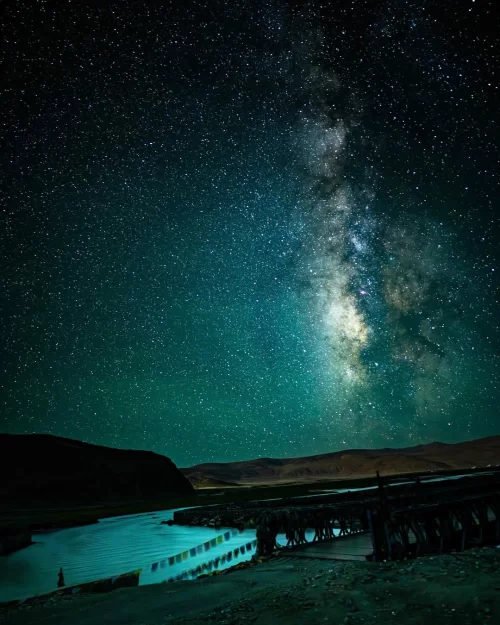
Longer itineraries are particularly suitable for bikers, self-drive travelers, photographers, and adventure-focused tourists because they include isolated valleys, monasteries, glacier viewpoints, dark night skies, and border-region landscapes rarely covered in short tourist plans. However, remote routes also involve rough roads, long driving hours, limited infrastructure, and sparse fuel availability, making careful planning essential.
| Region | Main Highlights | Travel Importance |
|---|---|---|
| Kargil | Transit town, war history, mountain valleys | Important stop on Srinagar–Leh route |
| Hanle | Dark skies and observatory landscapes | Popular for astrophotography and remote travel |
| Tso Moriri | High-altitude alpine lake | Less crowded alternative to Pangong |
| Zanskar Valley | Monasteries, glaciers, rugged terrain | Adventure-focused offbeat exploration |
| Padum | Main Zanskar settlement | Base for regional sightseeing and remote access |
| Turtuk | Balti culture and border landscapes | Unique cultural extension from Nubra Valley |
| Lamayuru | Moonland terrain and monastery | Scenic stop along Kargil highway |
Travelers attempting long Ladakh circuits should always keep extra buffer days for weather delays, acclimatization needs, and road closures. These journeys are best enjoyed slowly because the landscapes, culture, and remote mountain environments become far more rewarding when travel pressure is reduced.
Transport is usually the largest expense during a Leh Ladakh trip because the region involves long mountain routes, difficult terrain, fuel transportation challenges, and restricted local taxi systems. Travelers generally choose between private taxis, bike rentals, self-drive vehicles, shared cabs, or group transport depending on comfort level, group size, and overall budget.
Private taxis are commonly preferred by families, couples, and travelers unfamiliar with mountain driving because local drivers understand road conditions, weather patterns, and high-altitude travel challenges. Bike rentals are popular among adventure travelers and solo riders, but riding in Ladakh requires physical endurance due to rough roads, strong winds, cold temperatures, and long driving hours at high altitude.
| Transport Type | Budget Level | Ground Reality |
|---|---|---|
| Private Taxi | High | Comfortable and flexible for families and groups |
| Bike Rental | Moderate | Popular for adventure trips but physically demanding |
| Shared Taxi | Budget Friendly | Cheaper option with limited route flexibility |
| Tempo Traveller | Group Based | Suitable for organized group tours |
| Self Drive Vehicle | Variable | Requires mountain driving experience and fuel planning |
| Airport Transfers | Additional Expense | Usually charged separately from sightseeing packages |
Travelers should also keep buffer money for fuel backup, punctures, road delays, extra driver charges, and emergency transport changes because weather and road conditions in Ladakh can affect travel plans unexpectedly. Budget calculations should always include contingency expenses instead of only fixed package costs.
Accommodation costs in Ladakh vary heavily depending on season, altitude, location, and comfort level. Leh town offers the widest range of hotels, guesthouses, hostels, boutique stays, and cafes, while remote regions like Pangong Lake, Tso Moriri, Hanle, and Zanskar usually provide simpler accommodation with limited facilities due to difficult terrain and transportation logistics.
Homestays are becoming increasingly popular across Ladakh because they offer local cultural experiences and comparatively lower prices in several villages. Camps near Pangong and Nubra remain one of the main tourist stay options during summer, but facilities become more basic as travelers move further away from Leh. Food prices also increase gradually in remote areas because transporting supplies to high-altitude regions involves higher operational costs.
Travelers planning budget trips should remain flexible with accommodation expectations because weather, electricity, heating, hot water supply, and internet access can vary significantly in remote Ladakh regions. Carrying snacks and reusable bottles also helps reduce unnecessary spending during long journeys.
Many first-time travelers underestimate additional expenses beyond hotels and transport while planning a Ladakh trip. Several tourist regions in Ladakh require permits or environmental fees, especially areas close to international borders such as Pangong Lake, Nubra Valley, Hanle, and Tso Moriri. These charges may appear small individually but collectively increase the overall travel budget considerably.
Additional hidden expenses can also arise from oxygen cylinder rentals, emergency medical needs, charging costs at campsites, fuel backup for bikes, monastery entry tickets, and extra hotel nights caused by road closures or weather delays. Travelers relying only on minimum package budgets often face difficulties during unexpected travel disruptions in remote Himalayan regions.
| Expense Type | Purpose | Practical Note |
|---|---|---|
| Inner Line Permits | Access to restricted tourist regions | Required for Nubra, Pangong, Hanle, and Tso Moriri |
| Environmental Fees | Tourism management and conservation | Usually included during permit processing |
| Monastery Entry Charges | Access to heritage sites | Small fees applicable at selected monasteries |
| Oxygen Cylinders | Emergency altitude support | Optional but commonly rented by cautious travelers |
| Fuel Backup | Remote route travel | Necessary for bikes and self-drive vehicles |
| Camp Utility Charges | Electricity and charging access | Extra payment may apply in remote camps |
| Driver Night Charges | Multi-day taxi operations | Additional expense during longer circuits |
| Weather Delay Costs | Unexpected route closures | Extra hotel and food expenses possible |
Keeping a contingency budget is highly recommended while planning a Ladakh trip because road conditions, weather changes, altitude issues, and transportation delays can suddenly increase overall expenses. Travelers prepared for these hidden costs usually experience far less stress during the journey.
Altitude sickness is one of the most serious travel risks in Leh Ladakh because most tourist regions are located at very high elevations with lower oxygen levels. Travelers arriving directly by flight often feel the impact more strongly because the body gets very little time to adjust gradually. Even healthy and physically active travelers can experience altitude-related problems if they ignore acclimatization rules or attempt aggressive sightseeing immediately after arrival.
The symptoms usually begin within the first 12 to 24 hours after reaching Leh and can worsen while traveling towards higher regions like Khardung La, Pangong Lake, Chang La, Hanle, or Tso Moriri. Proper acclimatization, hydration, slow movement, and realistic itineraries play a major role in reducing the risk of serious altitude sickness during the journey.
Travelers ignoring acclimatization often face greater health difficulties later in remote regions where medical facilities become limited. A slower and more realistic travel pace usually creates a much safer and more enjoyable Ladakh experience.
Road travel in Leh Ladakh depends heavily on weather conditions because highways pass through high mountain passes, glacier streams, landslide zones, and isolated Himalayan terrain. Even during peak tourist season, sudden snowfall, rain, landslides, or strong winds can temporarily block roads or delay movement between major tourist destinations.
The Srinagar–Leh and Manali–Leh highways usually operate only during specific months of the year because heavy snowfall closes major mountain passes during winter. Travelers attempting road trips should understand that travel time in Ladakh is controlled more by terrain and weather than by actual map distance. Sudden delays are common and should always be considered while planning the itinerary.
| Travel Risk | Main Impact | Ground Reality |
|---|---|---|
| Snowfall | Road blockages at high passes | Common during winter and shoulder seasons |
| Landslides | Traffic stoppage and route delays | More frequent near Kashmir and Himachal sectors |
| Water Crossings | Difficult driving conditions | Stronger glacier streams during afternoons |
| Black Ice | Vehicle skidding risk | Common during winter mornings and nights |
| Flight Delays | Arrival and departure disruption | Weather and visibility affect Leh flights regularly |
| Strong Winds | Reduced driving comfort | Common around Pangong and open plateau sections |
| Road Repairs | Slow movement and diversions | Mountain roads require frequent maintenance |
Keeping at least one or two buffer days is highly recommended while traveling in Ladakh because road closures and weather disruptions can affect transport schedules unexpectedly. Flexible planning reduces stress and allows safer movement through difficult mountain terrain.
Although tourism infrastructure in Ladakh is improving steadily, many remote regions still face limitations related to mobile connectivity, banking services, fuel availability, electricity supply, and healthcare access. Travelers used to urban convenience often underestimate how isolated several Ladakh routes become after leaving Leh town.
Network connectivity becomes inconsistent in regions like Hanle, Pangong villages, Tso Moriri, and interior Zanskar sectors. ATM access remains reliable mainly in Leh and Kargil, while petrol pumps are spread far apart on long routes. Remote medical support is also limited outside major settlements, making proper preparation extremely important for travelers with health concerns.
Travelers visiting Ladakh should carry sufficient cash, medicines, power banks, offline navigation, and backup essentials because depending completely on digital services or urban-style infrastructure can create difficulties in remote Himalayan conditions. Proper preparation greatly improves safety and travel comfort during long mountain journeys.
One of the biggest mistakes first-time travelers make in Leh Ladakh is starting long-distance road journeys immediately after landing at Leh Airport. Since Leh itself is located at high altitude, the body requires time to adjust to lower oxygen levels before handling further travel towards even higher regions like Nubra Valley, Pangong Lake, Khardung La, or Chang La.
Many travelers assume that because flights arrive early in the day, they can directly continue towards mountain passes or remote valleys. In reality, sudden altitude exposure combined with long road travel often leads to exhaustion, headache, nausea, dizziness, breathlessness, and severe discomfort during the first day itself. Proper acclimatization is far more important than maximizing sightseeing immediately after arrival.
Travelers who allow the body enough time to adjust during the first day usually experience a much smoother and safer journey across the remaining Ladakh circuit. Slow beginnings help reduce the risk of altitude-related complications later in remote regions.
Proper preparation is extremely important for Leh Ladakh travel because many remote regions have limited shopping access, weak connectivity, unpredictable weather, and fewer medical facilities. Travelers often underestimate how cold, dry, and isolated some parts of Ladakh can become, especially during early mornings, nights, and high-altitude road journeys.
Even during peak summer months, temperatures can drop sharply after sunset near Pangong Lake, Tso Moriri, Hanle, and mountain passes. Carrying essential documents, medicines, layered clothing, and communication backups is important because replacements may not be easily available outside Leh town.
| Essential Item | Importance During Travel | Practical Ground Reality |
|---|---|---|
| Postpaid SIM Card | Better network functionality | Prepaid SIM cards may not work properly in Ladakh |
| Government ID Proof | Hotel check-ins and permits | Physical copies are useful at checkpoints |
| Personal Medicines | Emergency health support | Specific medicines may not be available remotely |
| Warm Jackets | Cold weather protection | Nights remain cold even during summer |
| Thermal Wear | Useful at lakes and high passes | Important for Pangong and Tso Moriri stays |
| Power Bank | Backup charging support | Electricity supply can remain inconsistent |
| Sunglasses and Sunscreen | Protection from strong UV exposure | High-altitude sunlight becomes intense |
Travelers carrying proper essentials face far fewer difficulties during weather changes and long remote drives. Ladakh requires practical packing focused on comfort, warmth, medical preparedness, and communication rather than excessive luggage or unnecessary accessories.
Many travelers try to cover too many destinations within a short Ladakh trip because places like Nubra Valley, Pangong Lake, Hanle, Tso Moriri, Kargil, and Zanskar appear relatively close on maps. In reality, mountain roads, altitude gain, weather conditions, army checkpoints, and rough terrain increase travel time significantly compared to regular highway journeys in plains.
Aggressive itineraries usually result in exhaustion, poor acclimatization, rushed sightseeing, and reduced enjoyment of the overall journey. Ladakh is best experienced slowly because the road journeys, mountain landscapes, monasteries, villages, and changing terrain are as important as the destinations themselves.
A realistic Ladakh itinerary improves both safety and travel quality because travelers remain physically comfortable and mentally relaxed throughout the journey. Slower travel allows better appreciation of the mountains, lakes, monasteries, and remote Himalayan landscapes without constant exhaustion.
For first-time travelers, the best Leh Ladakh route depends on travel duration, comfort level, budget, and acclimatization preference. Most beginners prefer flying directly to Leh because it saves several road travel days and allows easier access to the main tourist circuit within a shorter itinerary. However, travelers arriving by flight should always reserve the first day for rest because sudden altitude gain affects the body immediately after landing.
Among road journeys, the Srinagar to Leh highway is generally considered more comfortable for beginners because the altitude rises gradually across the route. The Manali to Leh highway is more adventurous and visually dramatic but physically more demanding due to rough terrain, higher mountain passes, and longer isolated stretches. Travelers attempting Ladakh for the first time usually enjoy the journey more when the route remains simple and realistic.
A balanced route with proper acclimatization and realistic travel pacing creates a much safer and more enjoyable Ladakh experience. Travelers focusing on comfort rather than aggressive sightseeing usually experience fewer health and travel-related difficulties during the journey.
Leh Ladakh can be explored through different travel styles, and each option offers a completely different experience depending on comfort level, budget, physical endurance, and available vacation time. Flights provide the quickest access to Ladakh, while road trips allow travelers to experience changing Himalayan landscapes gradually across mountain highways and valleys.
Bike trips remain extremely popular among adventure travelers because of the thrill of crossing high mountain passes and remote roads. However, riding in Ladakh can become physically exhausting due to cold weather, altitude, rough terrain, and long driving hours. Private taxis remain one of the safest and most practical choices for families, couples, senior travelers, and visitors unfamiliar with mountain driving conditions.
| Travel Mode | Best For | Main Advantage |
|---|---|---|
| Flight to Leh | Families and short trips | Fastest and most convenient access |
| Road Trip | Landscape-focused travelers | Gradual transition through Himalayan terrain |
| Bike Trip | Adventure enthusiasts | Strong road journey experience and flexibility |
| Private Taxi | Comfort-focused travelers | Reduced driving stress and local route expertise |
| Shared Transport | Budget travelers | Lower overall transportation expense |
| Self Drive SUV | Experienced mountain drivers | Flexible route planning and independent travel |
Travelers should choose the travel mode based on realistic comfort and safety rather than social media trends because Ladakh road conditions can become physically demanding. Matching the route style with fitness level, travel experience, and trip duration improves the overall journey significantly.
Before booking a Leh Ladakh trip in 2026, travelers should carefully plan around season timing, acclimatization, route conditions, accommodation quality, transportation mode, and physical readiness. Ladakh is not a regular hill station destination because altitude, weather, isolation, and limited infrastructure directly affect travel comfort and safety.
Many common travel problems in Ladakh happen due to poor preparation rather than the destination itself. Travelers who finalize permits, transport, medicines, warm clothing, and realistic itineraries beforehand usually experience a much smoother and less stressful journey across the Himalayan region.
A well-planned Ladakh trip focuses on safety, comfort, acclimatization, and flexible travel rather than maximum sightseeing pressure. Travelers who prepare carefully usually enjoy the mountains, lakes, monasteries, and remote Himalayan landscapes with far fewer difficulties during the journey.
Get customized Ladakh tour planning designed around altitude comfort, acclimatization time, weather windows, and real Himalayan road conditions. Whether you are visiting for high mountain passes, monasteries, lakes, or remote valley experiences, our exper
⚡ Quick Response | 💰 Free consultation | 🕒 24×7 expert support