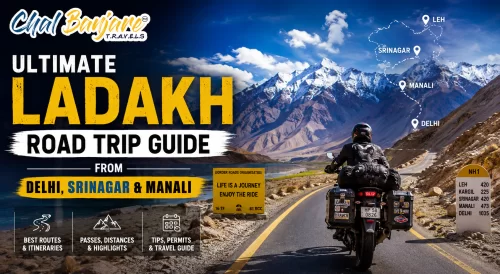
Ultimate Ladakh Road Trip Guide From Delhi, Srinagar and Manali
A Ladakh road trip from Delhi through Srinagar or Manali requires detailed planning around routes, weather, fuel, permits, and high altitude travel conditions.
+91 9910402252
admin@chalbanjare.com


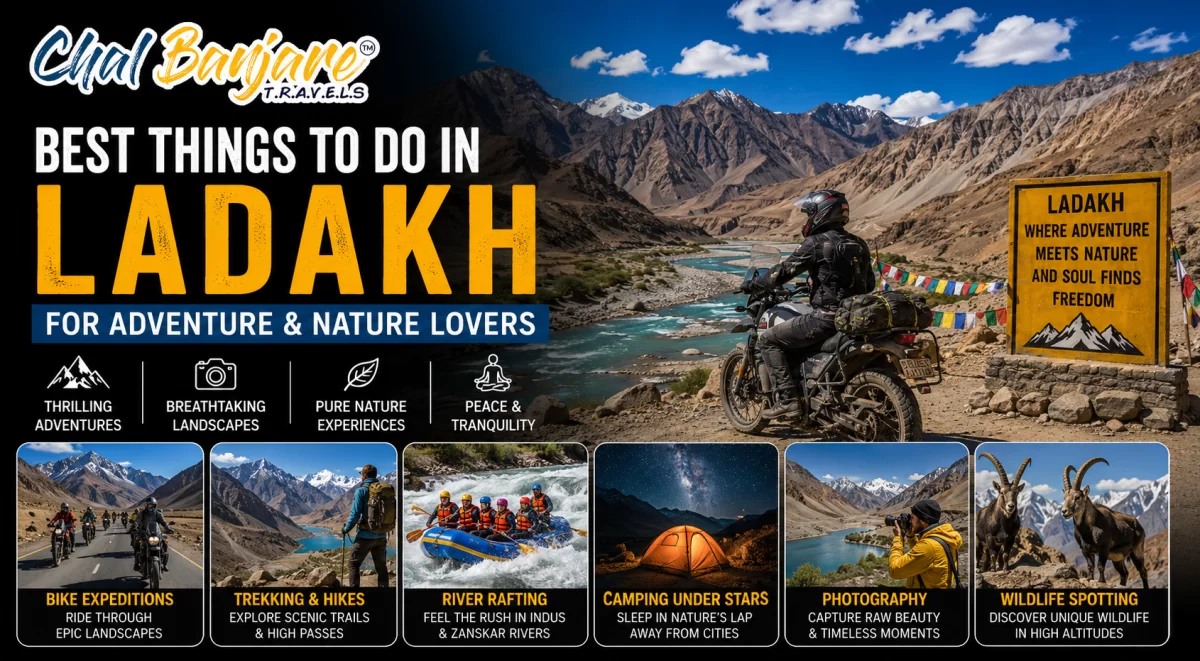
Ladakh offers high altitude adventures, remote landscapes, wildlife experiences, mountain roads, lakes, and outdoor activities for nature and thrill seekers.
The Leh–Manali highway is one of the most legendary Himalayan road trips because it passes through extreme high-altitude mountain passes, barren desert valleys, glacier landscapes, and remote wilderness terrain across Ladakh and Himachal Pradesh. Travelers experience dramatic scenery while crossing Tanglang La, Baralacha La, Lachung La, and Gata Loops.
The route creates a true expedition atmosphere where changing weather, rough roads, open plains, and isolated mountain landscapes combine to form one of India’s greatest adventure driving experiences.
Travelers driving on the Leh–Manali highway should prepare carefully because altitude, rough roads, and changing weather conditions can make the journey physically demanding.
The Srinagar–Leh highway offers one of the most scenic and culturally diverse road trips in the Himalayas because it combines Kashmir valleys, glaciers, mountain passes, monasteries, river landscapes, and high-altitude desert terrain across a single overland journey.
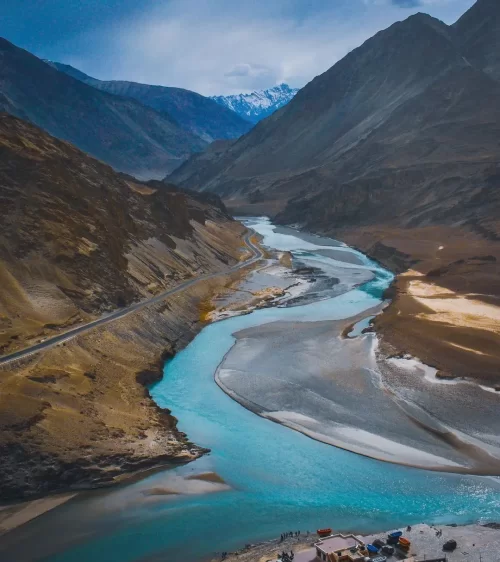
Travelers crossing Sonamarg, Zojila, Drass, Kargil, Lamayuru, and Indus Valley regions experience a gradual transition from green Himalayan valleys to the rugged desert landscapes of Ladakh.
| Road Trip Region | Main Highlight | Travel Experience |
|---|---|---|
| Sonamarg Valley | Green meadows and glacier landscapes | Scenic Kashmir mountain atmosphere |
| Zojila Pass | Snow walls and dramatic mountain roads | Adventure Himalayan crossing |
| Kargil and Drass | Historic valleys and rugged terrain | Cultural and scenic exploration |
| Lamayuru Monastery | Moonland landscapes and Buddhist heritage | Spiritual and photography experience |
| Indus Valley Highway | River valleys and monastery routes | Classic Ladakh road-trip scenery |
| Changing Himalayan Landscapes | Kashmir greenery to Ladakh desert | Unique geographical transition journey |
| Balanced Scenic and Cultural Experience | One of India’s best overland routes | Complete Himalayan exploration |
Travelers choosing the Srinagar–Leh route often find the journey more comfortable because the gradual altitude gain helps improve acclimatization.
Ladakh offers some of the best self-drive and bike trip circuits in the Himalayas because travelers can explore remote valleys, high-altitude lakes, monasteries, mountain passes, and desert landscapes through interconnected road routes across different regions of Ladakh.
Popular circuits combine destinations such as Nubra Valley, Pangong Lake, Hanle, Tso Moriri, Zanskar, Kargil, and Changthang, creating unforgettable overland journeys through rugged Himalayan terrain.
Travelers planning self-drive or bike trips across Ladakh should keep flexible itineraries because weather, altitude, and road conditions can strongly affect travel timing across remote mountain regions.
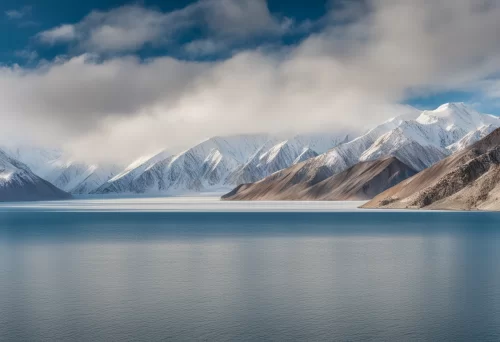
Pangong Lake offers one of the most iconic high-altitude lake experiences in Ladakh because of its changing blue water colors, dramatic mountain surroundings, peaceful camping atmosphere, and breathtaking sunrise and sunset views across the Himalayan desert landscape. Located at extreme altitude, the lake creates a surreal environment unlike anywhere else in India.
Travelers staying overnight near Pangong experience calm lakeside camps, freezing mountain nights, clear reflections, and constantly changing natural light that make the region one of Ladakh’s best photography destinations.
Travelers camping near Pangong Lake should carry heavy winter clothing because temperatures remain extremely cold after sunset even during peak summer months.
Tso Moriri is one of Ladakh’s most peaceful and remote high-altitude lakes where travelers experience stargazing, wildlife sightings, Changpa nomadic culture, and dramatic mountain landscapes far away from crowded tourist regions. Located beside Korzok village in the Changthang region, the lake offers a deep wilderness atmosphere.
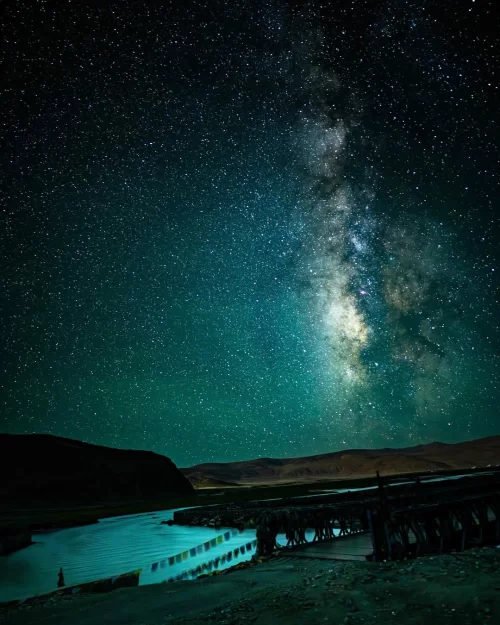
The clear skies, minimal light pollution, and isolated environment make Tso Moriri one of the best places in Ladakh for night sky observation and slow Himalayan exploration.
| Attraction or Feature | Main Highlight | Travel Experience |
|---|---|---|
| Tso Moriri Lake | Remote high-altitude Himalayan lake | Peaceful wilderness exploration |
| Stargazing and Milky Way Visibility | Minimal light pollution environment | Night photography and astronomy experience |
| Changpa Nomadic Culture | Traditional mountain lifestyle near Korzok | Cultural immersion opportunities |
| Wildlife Spotting | Birds, Kiang, and high-altitude ecosystem | Nature-focused travel atmosphere |
| Snow Mountain and Lake Landscapes | Dramatic Changthang scenery | Scenic photography experience |
| Remote High-Altitude Environment | Minimal tourist crowds and isolation | Authentic Himalayan wilderness feel |
| Balanced Nature and Adventure Experience | One of Ladakh’s most peaceful lake regions | Ideal for slow travel and exploration |
Travelers staying near Tso Moriri should acclimatize properly because the lake lies in an extremely remote and high-altitude region with limited support facilities.
Tso Kar is one of the most unique lake experiences in Ladakh because of its salt lake wetlands, migratory bird habitats, Changthang plains, and remote desert landscapes surrounded by barren Himalayan mountains. The region is especially popular among birdwatchers, photographers, and travelers seeking offbeat wilderness exploration.
The wetlands and surrounding grasslands support rare wildlife and migratory species while creating one of the most peaceful natural environments in eastern Ladakh.
Travelers exploring Tso Kar wetlands should respect ecological zones and avoid disturbing wildlife because the region supports fragile high-altitude ecosystems and migratory bird habitats.
The Chadar Trek is one of the most extreme and famous winter trekking experiences in the Himalayas because travelers walk across the frozen Zanskar River surrounded by deep canyons, icy cliffs, snow-covered mountains, and remote wilderness landscapes during peak winter conditions in Ladakh.
The trek combines adventure, survival-style travel, and dramatic winter scenery while passing through isolated sections of Zanskar Valley where traditional villages remain cut off during heavy snowfall months.
Travelers attempting the Chadar Trek should prepare seriously because freezing temperatures, difficult terrain, and physical exhaustion make it one of the most demanding experiences in Ladakh.
The Markha Valley Trek is one of the most popular trekking routes in Ladakh because it combines high mountain passes, traditional villages, Buddhist monasteries, river crossings, and dramatic Himalayan landscapes across the remote valleys of Hemis National Park.
Travelers trekking through Markha Valley experience a balanced combination of nature, culture, and adventure while walking through isolated settlements, barley fields, canyon trails, and panoramic mountain scenery.
| Trek Feature | Main Highlight | Travel Experience |
|---|---|---|
| Markha Valley Trails | Remote Himalayan trekking route | Adventure and nature exploration |
| Traditional Mountain Villages | Local Ladakhi lifestyle and homestays | Cultural immersion experience |
| Buddhist Monasteries and Prayer Flags | Spiritual mountain atmosphere | Scenic monastery trekking route |
| River Crossings and Canyon Paths | Adventure trekking terrain | Dynamic Himalayan trail experience |
| High Mountain Passes | Panoramic snow peak views | Challenging high-altitude trekking |
| Hemis National Park Landscapes | Wildlife and barren mountain scenery | Remote wilderness exploration |
| Balanced Nature and Cultural Journey | One of Ladakh’s most complete trekking experiences | Ideal for multi-day Himalayan exploration |
Travelers trekking in Markha Valley should acclimatize properly because the high altitude and long trekking distances can become physically demanding.
The Phugtal Monastery trek is one of the most scenic and culturally unique hiking experiences in Zanskar Valley because the route passes through deep canyons, river valleys, suspension bridges, remote villages, and dramatic mountain landscapes before reaching the famous cave monastery built into a cliffside.
The trek offers a rare combination of adventure and spirituality where travelers experience isolated Himalayan wilderness alongside one of Ladakh’s most extraordinary Buddhist monasteries.
Travelers trekking towards Phugtal Monastery should carry proper hiking gear and prepare for long walking hours because the route passes through remote mountain terrain with limited facilities.
Khardung La, Chang La, and Umling La are among the most famous high-altitude mountain passes in Ladakh because they offer extreme Himalayan driving experiences, panoramic road views, rugged desert terrain, and access to some of the most remote regions in India. These routes combine adventure, altitude, and breathtaking mountain scenery across the Ladakh plateau.
Travelers crossing these passes experience winding mountain roads, glacier landscapes, snow-covered peaks, and isolated valleys while driving through some of the world’s highest motorable roads.
Travelers crossing these high-altitude passes should acclimatize properly because low oxygen levels and freezing weather can quickly create physical discomfort.
Shinku La and Baralacha La are among the most rugged and remote mountain routes connected with Ladakh and Zanskar because they pass through isolated valleys, glacier landscapes, rough roads, and dramatic Himalayan terrain far away from major settlements. These routes create a raw expedition atmosphere ideal for adventure travelers.
Travelers driving across these mountain regions experience steep climbs, barren wilderness landscapes, river crossings, and constantly changing weather conditions throughout the journey.
| Mountain Pass or Route | Main Highlight | Travel Experience |
|---|---|---|
| Shinku La Pass | Remote Zanskar mountain route | Offbeat Himalayan exploration |
| Baralacha La Pass | Snow-covered high-altitude landscapes | Adventure Leh–Manali highway crossing |
| Remote Himalayan Valleys | Minimal settlements and wilderness scenery | Deep mountain isolation experience |
| River Crossings and Rough Roads | Challenging offroad driving conditions | Expedition-style road journey |
| Snow Peaks and Glacier Landscapes | Dramatic photography opportunities | Scenic mountain exploration |
| Changing Weather and Terrain | Harsh Himalayan travel environment | Dynamic adventure atmosphere |
| Balanced Scenic and Adventure Experience | One of Ladakh’s toughest road routes | Ideal for experienced mountain travelers |
Travelers exploring Shinku La and Baralacha La routes should prepare carefully because road conditions and weather can change rapidly across remote Himalayan regions.
The Gata Loops and More Plains section of the Leh–Manali highway offers one of the most dramatic road landscapes in Ladakh because it combines sharp mountain hairpin bends, vast open valleys, barren desert plains, and panoramic Himalayan scenery across the high-altitude plateau.
Travelers driving through this region experience a constant visual transformation where steep mountain climbs suddenly open into endless plains surrounded by distant Himalayan peaks and rugged desert terrain.
Travelers driving across Gata Loops and More Plains should maintain flexible schedules because altitude, rough terrain, and strong winds can make the journey physically tiring.
Hemis National Park is one of the most famous wildlife destinations in Ladakh and is globally known for snow leopard spotting experiences across its rugged mountain valleys, frozen landscapes, and remote Himalayan wilderness. During winter months, wildlife enthusiasts and photographers visit the region hoping to observe the elusive snow leopard descending to lower altitudes in search of prey.
The park also offers dramatic trekking routes, isolated mountain villages, and high-altitude ecosystems that create one of the most extraordinary wildlife experiences in the Himalayas.
Travelers visiting Hemis National Park for snow leopard tracking should prepare for freezing temperatures and long observation hours because sightings require patience and favorable conditions.
The remote plains, wetlands, and high-altitude valleys of Ladakh provide excellent opportunities to observe unique Himalayan wildlife species such as Kiang, Himalayan marmots, black-necked cranes, migratory birds, and other cold desert animals across regions like Changthang, Tso Kar, Tso Moriri, and Pangong Lake.
Travelers exploring these remote ecosystems experience peaceful wilderness landscapes where wildlife roams freely across open grasslands, wetlands, river valleys, and barren mountain plains.
| Wildlife Species or Region | Main Highlight | Nature Experience |
|---|---|---|
| Kiang in Changthang Plains | Wild Tibetan horse sightings | Open high-altitude grassland exploration |
| Himalayan Marmots | Playful roadside mountain wildlife | Popular photography opportunities |
| Black-Necked Cranes | Rare migratory bird habitats near wetlands | Birdwatching and conservation experience |
| Tso Kar Wetlands | High-altitude ecosystem and birdlife | Peaceful wilderness observation |
| Tso Moriri Region | Wildlife and remote lake landscapes | Nature-focused Himalayan exploration |
| Pangong and Changthang Areas | Birds, wildlife, and desert mountain scenery | Balanced scenic and ecological experience |
| Remote Wilderness Environment | Minimal human disturbance | Authentic Himalayan wildlife atmosphere |
Travelers exploring Ladakh’s wildlife regions should maintain distance from animals and avoid disturbing wetlands because these fragile ecosystems support rare Himalayan species.
Ladakh offers some of the best stargazing and dark sky photography experiences in India because of its high altitude, dry climate, minimal light pollution, and remote mountain landscapes. Regions such as Hanle, Pangong, Tso Moriri, Sarchu, and Changthang provide exceptionally clear night skies ideal for observing the Milky Way, constellations, and meteor showers.
Travelers spending nights in remote Ladakh experience extraordinary silence, crisp mountain air, and breathtaking celestial visibility across the cold desert wilderness.
Travelers planning stargazing and night photography in Ladakh should carry proper winter clothing and tripod equipment because temperatures drop sharply after sunset across high-altitude regions.
River rafting in Ladakh is one of the most thrilling adventure activities because travelers navigate fast-flowing Himalayan rivers surrounded by deep gorges, barren mountain landscapes, and dramatic valley scenery across the Indus and Zanskar river systems. The rafting routes combine scenic exploration with high-altitude adventure experiences.
Popular rafting stretches near Leh, Nimmoo, Alchi, and Zanskar Valley offer different difficulty levels ranging from scenic rafting experiences to challenging white-water rapids suitable for experienced adventure travelers.
Travelers planning rafting in Ladakh should wear proper safety gear and prepare for freezing river temperatures because glacier-fed waters remain extremely cold throughout the season.
Mountain biking in Ladakh is considered one of the world’s most challenging and rewarding cycling experiences because riders cross extreme high-altitude passes, rugged desert landscapes, remote villages, and dramatic Himalayan roads across regions such as Khardung La, Chang La, Nubra Valley, Pangong, and the Leh–Manali highway.
The combination of altitude, rough terrain, winding mountain roads, and constantly changing landscapes creates a true expedition-style biking adventure through some of the highest motorable routes in the world.
| Biking Route or Feature | Main Highlight | Adventure Experience |
|---|---|---|
| Khardung La Cycling Route | One of the highest mountain road descents | Extreme Himalayan biking experience |
| Chang La and Pangong Routes | High-altitude lake and mountain scenery | Scenic endurance cycling adventure |
| Leh–Manali Highway Sections | Rugged roads and remote valleys | Long-distance expedition riding |
| Nubra Valley Trails | Sand dunes and mountain village landscapes | Balanced scenic and adventure route |
| More Plains and Gata Loops | Open valley roads and dramatic climbs | Classic Ladakh road-cycling atmosphere |
| Extreme Altitude Conditions | Physically demanding terrain | Serious endurance challenge |
| One of India’s Best Adventure Cycling Regions | Scenic and high-altitude exploration | Legendary Himalayan biking experience |
Travelers planning mountain biking in Ladakh should acclimatize carefully because cycling at extreme altitude can quickly become physically exhausting.
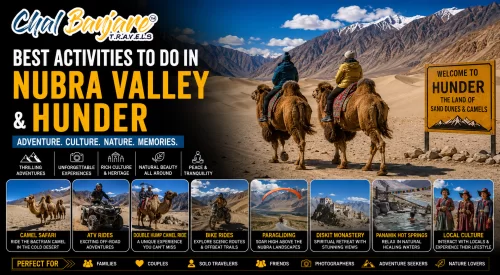
Nubra Valley offers some of Ladakh’s most unique adventure activities where travelers experience ATV rides across cold desert terrain, double-hump camel safaris on Hunder sand dunes, and scenic camping surrounded by rivers, mountains, and remote Himalayan landscapes.
The valley combines adventure sports with peaceful desert scenery while creating a rare environment where sand dunes exist alongside snow-covered mountains and glacier-fed river systems.
Travelers exploring adventure activities in Nubra Valley should carry warm clothing because temperatures drop rapidly after sunset despite the desert environment.
Hemis, Thiksey, and Diskit monasteries are among the most important cultural and spiritual destinations in Ladakh because they preserve centuries of Buddhist heritage, monastic traditions, ancient prayer halls, and dramatic Himalayan architecture surrounded by high-altitude mountain landscapes.
Travelers exploring these monasteries experience peaceful spiritual environments, giant Buddha statues, traditional murals, chanting ceremonies, and panoramic valley views that reflect the deep Buddhist identity of Ladakh.
Travelers visiting monasteries in Ladakh should maintain respectful behavior because these sites remain active spiritual centers for local Buddhist communities.
Village stays in Ladakh offer travelers an authentic opportunity to experience traditional Himalayan lifestyles, local farming culture, mud-brick homes, mountain hospitality, and slow village life across regions such as Nubra Valley, Sham Valley, Changthang, and Zanskar.
Homestays and village experiences allow travelers to understand how local communities survive in extreme high-altitude environments while preserving centuries-old cultural traditions and sustainable mountain lifestyles.
| Village Experience | Main Highlight | Cultural Experience |
|---|---|---|
| Traditional Homestays | Living with local Ladakhi families | Authentic mountain hospitality |
| Farming and Village Life | Barley fields and seasonal agriculture | Understanding rural Himalayan living |
| Mud-Brick Traditional Houses | Historic mountain architecture | Cultural heritage observation |
| Local Food and Butter Tea | Traditional Ladakhi cuisine experience | Regional culinary exploration |
| Mountain Village Landscapes | Peaceful high-altitude surroundings | Slow travel atmosphere |
| Daily Buddhist Practices | Prayer flags and monastery influence | Spiritual cultural immersion |
| Balanced Nature and Cultural Exploration | Deep Himalayan lifestyle understanding | One of Ladakh’s most authentic experiences |
Travelers staying in Ladakhi villages should respect local customs and conserve resources because remote mountain communities depend on limited water and infrastructure.
Buddhist festivals in Ladakh are among the region’s most vibrant cultural experiences where monasteries host masked dances, prayer ceremonies, traditional music, and spiritual rituals that reflect centuries of Himalayan Buddhist heritage. Major festivals such as Hemis Festival attract monks, pilgrims, and travelers from across the region.
The colorful costumes, ritual dances, monastery courtyards, and spiritual atmosphere create unforgettable cultural experiences surrounded by Ladakh’s dramatic mountain landscapes.
Travelers attending monastery festivals in Ladakh should follow photography rules and respect ceremonial spaces because many rituals hold deep spiritual significance for local communities.
Hanle and the Changthang region offer one of the most remote and offbeat adventure experiences in Ladakh because travelers explore isolated high-altitude plains, dark sky regions, hidden lakes, border landscapes, and rugged Himalayan wilderness far away from crowded tourist circuits.
The journey through Hanle combines extreme mountain roads, Changpa nomadic culture, stargazing opportunities, and peaceful desert landscapes that create a true expedition atmosphere in eastern Ladakh.
Travelers exploring Hanle and Changthang should prepare carefully because fuel stations, medical support, and network connectivity remain extremely limited across the region.
Zanskar Valley is one of Ladakh’s most rugged and adventurous regions because it combines dramatic mountain landscapes, isolated villages, remote monasteries, glacier valleys, and difficult Himalayan roads across one of the least explored parts of the Himalayas.
Travelers driving or trekking through Zanskar experience deep canyon routes, suspension bridges, river crossings, and peaceful mountain settlements surrounded by barren wilderness scenery.
| Adventure Region or Feature | Main Highlight | Travel Experience |
|---|---|---|
| Zanskar Valley | Remote Himalayan wilderness landscapes | Offbeat adventure exploration |
| Padum and Isolated Villages | Traditional mountain settlements | Cultural immersion experience |
| Phugtal Monastery Routes | Canyon trekking and suspension bridges | Adventure hiking atmosphere |
| Shinku La and Rugged Roads | Remote mountain driving sections | Expedition-style road journey |
| Drang Drung Glacier Landscapes | Snow peaks and glacier scenery | Photography and nature exploration |
| Minimal Tourist Infrastructure | Authentic remote Himalayan environment | Deep wilderness isolation experience |
| Balanced Nature and Adventure Exploration | One of Ladakh’s wildest travel regions | Ideal for serious adventure travelers |
Travelers visiting Zanskar Valley should maintain flexible schedules because landslides, rough roads, and changing weather conditions frequently affect accessibility.
Aryan Valley and Turtuk offer some of Ladakh’s most unique cultural adventure experiences where travelers explore hidden border villages, traditional communities, mountain farming settlements, and landscapes that feel very different from central Ladakh’s Buddhist regions.
The regions combine scenic mountain exploration with rare cultural interactions where travelers experience Balti heritage, Brokpa traditions, apricot orchards, remote valley roads, and peaceful Himalayan village life.
Travelers exploring Aryan Valley and Turtuk should respect local customs and photography sensitivities because these remote communities preserve unique cultural identities and traditions.
Summer is considered the best overall season for adventure and nature travel in Ladakh because mountain passes reopen, weather conditions become comparatively stable, and travelers can comfortably explore road trip circuits, trekking routes, high-altitude lakes, camping regions, and remote valleys across the Himalayas.
Between May and September, Ladakh experiences clear skies, open highways, accessible trekking trails, and scenic landscapes that make the region ideal for outdoor exploration and long-distance Himalayan travel.
Travelers visiting Ladakh during summer should still carry warm clothing because nights remain cold across most high-altitude regions.
Winter transforms Ladakh into a frozen Himalayan wilderness where snow-covered mountains, frozen rivers, icy valleys, and isolated villages create one of India’s most dramatic cold-desert travel experiences. The season is especially famous for the Chadar Trek across the frozen Zanskar River.
Although temperatures become extremely harsh and many roads close due to snowfall, winter offers extraordinary opportunities for snow leopard spotting, frozen lake photography, and remote mountain exploration.
| Winter Experience | Main Highlight | Adventure Experience |
|---|---|---|
| Chadar Trek | Frozen river trekking across Zanskar | Extreme winter expedition |
| Snow Leopard Tracking | Wildlife spotting in Hemis region | Rare Himalayan nature experience |
| Frozen Mountain Landscapes | Snow-covered valleys and rivers | Winter photography opportunities |
| Frozen Lakes and Villages | Remote cold desert atmosphere | Unique seasonal exploration |
| Minimal Tourist Crowds | Peaceful isolated travel conditions | Authentic winter wilderness feel |
| Extreme Cold Temperatures | Harsh Himalayan climate conditions | Serious preparation required |
| One of India’s Most Unique Winter Destinations | Adventure and frozen landscapes combined | Legendary Himalayan winter experience |
Travelers visiting Ladakh during winter should prepare carefully because temperatures frequently fall below freezing and road accessibility becomes highly limited.
Weather conditions and adventure opportunities in Ladakh change significantly throughout the year because seasonal snowfall, road accessibility, temperature variations, and high-altitude climate strongly affect travel experiences across different regions of the Himalayas.
Choosing the correct season helps travelers plan road trips, trekking, camping, wildlife exploration, photography, and winter adventures more safely and comfortably.
Travelers planning adventure travel in Ladakh should always monitor road and weather updates because Himalayan conditions can shift quickly across high-altitude mountain regions.
Ladakh offers a wide range of adventure activities suitable for first-time travelers who want to experience Himalayan road trips, mountain landscapes, monasteries, high-altitude lakes, and outdoor exploration without attempting extremely difficult expeditions. Balanced itineraries help travelers enjoy Ladakh safely while adapting gradually to the altitude and terrain.
Popular beginner-friendly experiences include Nubra Valley road trips, Pangong camping, monastery exploration, easy trekking routes, rafting, and scenic mountain drives across some of the most beautiful Himalayan regions.
First-time travelers visiting Ladakh should focus on slow-paced exploration because altitude and long mountain journeys can become physically tiring.
Ladakh offers multiple travel styles depending on whether travelers prefer nature exploration, cultural experiences, or extreme adventure expeditions. Choosing the right circuit helps create a more comfortable and rewarding Himalayan journey based on fitness level, travel interests, and available time.
Nature-focused travelers often prefer lakes, valleys, and wildlife regions, while cultural travelers explore monasteries and villages. Adventure travelers usually focus on mountain passes, trekking routes, biking circuits, and remote Himalayan expeditions.
| Travel Style | Main Highlight | Ideal Experience |
|---|---|---|
| Nature Exploration Circuit | Lakes, valleys, wildlife, and landscapes | Pangong, Tso Moriri, Nubra, Changthang |
| Cultural Exploration Circuit | Monasteries, villages, and festivals | Leh, Alchi, Hemis, Lamayuru, Turtuk |
| Extreme Adventure Circuit | Mountain passes, trekking, and remote roads | Zanskar, Umling La, Chadar Trek, Shinku La |
| Road Trip Focused Circuit | Scenic highway driving and biking | Leh–Manali and Srinagar–Leh routes |
| Photography and Stargazing Circuit | Night skies and dramatic landscapes | Hanle, Pangong, More Plains, Sarchu |
| Wildlife and Nature Circuit | Snow leopards, Kiang, wetlands, and birds | Hemis, Changthang, Tso Kar |
| Balanced Multi-Region Circuit | Nature, culture, and adventure combined | Complete Ladakh overland exploration |
Travelers planning Ladakh adventure circuits should avoid overloading the itinerary because long travel distances and altitude can quickly reduce energy levels.
Adventure travel in Ladakh requires careful preparation because the region combines extreme altitude, remote terrain, rough roads, freezing temperatures, and limited infrastructure support across many mountain routes and wilderness regions. Good planning helps travelers enjoy the journey safely and comfortably.
Travelers should focus on acclimatization, weather planning, fuel management, physical fitness, and flexible scheduling before starting adventure activities or remote Himalayan expeditions.
Travelers planning adventure trips to Ladakh should approach the journey patiently because the region rewards slow exploration far more than rushed travel schedules.
Get customized Ladakh tour planning designed around altitude comfort, acclimatization time, weather windows, and real Himalayan road conditions. Whether you are visiting for high mountain passes, monasteries, lakes, or remote valley experiences, our exper
⚡ Quick Response | 💰 Free consultation | 🕒 24×7 expert support