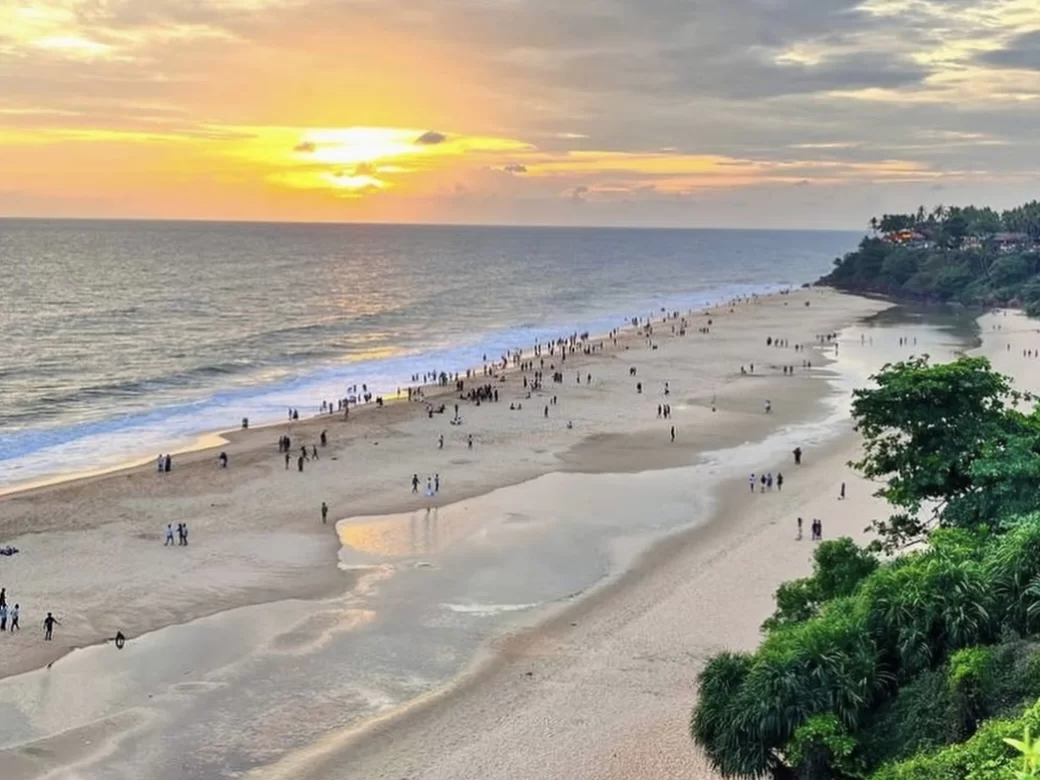
Quick Facts About Varkala Beach
| Entry Fee |
Free |
| Timings |
06:00 - 18:30 |
| Altitude (m) |
15 |
| Ideal Visit Duration (hrs) |
4 |
| Best Time of Day |
Morning |
| Crowd Level |
High |
| Distance from Varkala (km) |
3 |
| Walking Difficulty |
Easy |
| Parking Available |
No |
| Last Mile Access |
Walk |
| Suitable for Kids |
Yes |
| Suitable for Seniors |
Yes |
| Wheelchair Friendly |
No |
Why Visit Varkala Beach
Why Visit
Varkala Beach is one of Kerala’s most distinctive coastal destinations, known for its dramatic cliff-lined shoreline overlooking the Arabian Sea. Visitors come here to experience a rare combination of natural beauty, spiritual significance, and relaxed beach culture, making it appealing to both leisure travellers and those seeking quiet reflection by the sea.
Atmosphere
The atmosphere is laid-back, breezy, and open, shaped by sea cliffs, coastal pathways, and uninterrupted ocean views. Cafés, yoga spaces, and small shops along the cliff add a calm, international vibe, while early mornings and sunsets feel especially serene. The sound of waves below the cliffs creates a soothing backdrop throughout the day.
What Makes it Special
What makes Varkala Beach special is its unique geography—it is the only beach destination in Kerala where cliffs rise directly beside the sea. The area is also closely associated with Papanasam Beach, believed to hold ritual significance for ancestral rites (religious belief; local practice). This blend of striking landscape, spiritual tradition, and slow-paced coastal life sets Varkala apart from other beaches in the region.
History of Varkala Beach
Varkala Beach is located in Varkala town of Thiruvananthapuram district, Kerala, and is historically significant for its unique geological setting where cliffs rise directly alongside the Arabian Sea. These laterite cliffs, formed over long geological periods, distinguish Varkala from other coastal areas of Kerala, where flat beaches are more common.
The area surrounding Varkala has long been associated with coastal settlements and maritime activity, supported by natural freshwater springs that emerge from the cliffs and flow toward the sea. These springs contributed to early habitation and made the coastline an important resting and ritual space for travelers and local communities.
Over time, Varkala Beach gained wider recognition as both a scenic coastal location and a spiritual retreat, closely linked to the development of nearby religious institutions and cliffside pathways. Today, the beach represents a blend of natural history and human settlement shaped by geography, trade routes, and sustained coastal use rather than colonial or industrial intervention.
Best Time to Visit – Varkala Beach
The best time to visit Varkala Beach in Kerala is from October to March, when the weather is pleasant, humidity is lower, and sea conditions are generally calm. This period is ideal for enjoying the cliffside views, beach walks, swimming, and sunset experiences that make Varkala unique along India’s western coast.
- October–November: Post-monsoon freshness with clean beaches and comfortable temperatures—great for relaxed sightseeing.
- December–February: Coolest and most popular season—perfect for swimming, yoga retreats, and cliff-top cafés.
- March: Still suitable, though daytime warmth increases—early mornings and evenings are best.
- April–May (Summer): Hot and humid; beach visits are most enjoyable during sunrise and sunset hours.
- June–September (Monsoon): Rough seas and heavy rainfall; swimming is unsafe, but the cliffs and greenery look dramatic and peaceful.
Best time of day: 6:00 AM to 9:00 AM for calm beach walks and yoga sessions, or 5:00 PM to 6:45 PM for iconic sunsets viewed from the Varkala Cliff.
- Beach experience tip: Winter months offer the safest swimming conditions and lifeguard availability.
- Photography tip: Sunset hours create striking contrasts between the cliffs, sea, and sky.
- Safety note: Always follow local warnings and avoid entering the sea during rough conditions, especially in monsoon months.
How to Reach Varkala Beach
Varkala Beach is located in Varkala town, Thiruvananthapuram district, Kerala. It is India’s only beach with a cliff formation adjoining the shoreline and is well connected by rail, road, and air, making it easily accessible for travelers.
- By Air (Nearest airport): The nearest airport is Trivandrum International Airport, located about 40 km away. From the airport, hire a taxi or app-based cab directly to Varkala. Travel time usually ranges from 1 to 1.5 hours depending on traffic.
- By Train (Nearest railway station): Varkala Sivagiri Railway Station is the closest railhead, situated around 3 km from Varkala Beach. It has good connectivity with major cities in Kerala and South India. From the station, take an auto-rickshaw or taxi to reach the beach and cliff area.
- By Road: Varkala is well connected by road to Thiruvananthapuram, Kollam, and other nearby towns. KSRTC and private buses operate regularly to Varkala Bus Stand. From the bus stand, local autos or taxis can drop you near the beach access points.
- Taxi / Auto-rickshaw: Auto-rickshaws and taxis are easily available throughout Varkala town. Request drop-off at Varkala Cliff or a specific beach access path depending on your stay location.
- Self-drive: Self-driving to Varkala is convenient via well-maintained coastal and highway roads. Parking is available near the cliff area, though it may be limited during peak tourist seasons.
- Walking access: Many hotels, cafés, and viewpoints are located along Varkala Cliff, making the beach easily reachable on foot via marked stairways and paths.
- Travel tips (EEAT): Early morning and sunset are ideal for visiting due to pleasant weather and views. Wear comfortable footwear for cliff walks and stairways, and follow local safety guidance while accessing the beach below the cliffs.
What to Expect When You Visit Varkala Beach
Varkala Beach is a unique coastal destination in Kerala, known for its dramatic laterite cliffs that rise directly above the Arabian Sea. Unlike most beaches in the state, the experience here blends seaside relaxation with cliff-top walks, cafés, spiritual spots, and sunset views, making it both scenic and culturally engaging.
- Cliff-backed beach setting: expect a rare combination of red laterite cliffs overlooking the sea, with walking paths, viewpoints, and cafés lining the edge.
- Multiple beach levels: the main Papanasam Beach lies below the cliff, accessed by steps, while other quieter stretches are spread along the coastline.
- Strong spiritual significance: Papanasam Beach is traditionally associated with ancestral rituals, and you may see ceremonies being performed respectfully along the shore.
- Swimming with caution: swimming is allowed in designated areas, but currents can be strong—always follow local advice and safety flags.
- Sunset-focused atmosphere: evenings are especially popular, with visitors gathering along the cliff to watch the sun dip into the sea.
- Café and shopping culture: expect a relaxed, international vibe with yoga centers, handicraft shops, and seaside cafés along the cliff top.
- Seasonal sea conditions: the sea is rougher during the monsoon months, limiting swimming but enhancing dramatic wave views.
- Crowds during peak season: winter months and weekends can be busy, especially around sunset and near the main beach access points.
- Easy walking exploration: the cliff pathway is pedestrian-friendly and ideal for slow walks with frequent viewpoints.
- Blend of leisure and culture: Varkala offers both beach relaxation and spiritual-cultural depth, appealing to a wide range of travelers.
Tip for a smoother visit: explore the cliff walk early morning or late afternoon, use designated swimming areas only, and respect local customs at Papanasam Beach while enjoying the broader coastal experience.
Important Visitor Information – Varkala Beach
- Crowd & Weather Notes: Varkala Beach experiences high visitor activity during peak tourist season (October to March), weekends, and holidays. The coastal climate is humid; summers are warm, monsoon months (June to September) bring heavy rainfall and rough seas, while winters are pleasant and ideal for beach activities.
- Peak / Quiet Hours: Peak hours are late afternoon to evening, especially along the cliff promenade during sunset. Early morning is the quietest time, suitable for peaceful walks, yoga sessions, and photography.
- Dress Code: Casual beachwear is acceptable, but modest clothing is recommended when walking along the cliff area, shops, cafes, or visiting nearby temples. Light, breathable clothing and sandals are suitable.
- Safety Notes: Swimming is allowed only in designated areas and subject to sea conditions; follow lifeguard flags and local advisories. Be cautious near cliff edges and slippery rocks, especially during monsoon. Keep valuables secure in crowded areas and avoid late-night swimming.
Photography and Viewpoint – Varkala Beach
Varkala Beach, located in Thiruvananthapuram district, Kerala, is India’s only beach backed by dramatic laterite cliffs that rise directly from the Arabian Sea. The elevated cliff-top promenade, palm-lined pathways, and uninterrupted ocean views make Varkala a distinctive coastal photography destination. Visual storytelling here blends cliff-edge perspectives, seascapes, sunsets, and everyday coastal life.
- Best light for photography: Early morning offers soft light and calmer seas for clean compositions, while sunset is ideal for dramatic sky colors and cliff-edge silhouettes.
- Cliff-top viewpoints: The main Varkala Cliff provides elevated angles overlooking the shoreline, perfect for wide frames that capture the beach, waves, and horizon together.
- Sunset compositions: Position the sun off-center with palm trees or cliff edges in the foreground to create balanced sunset silhouettes.
- Beach-level perspectives: From the shoreline, shoot upward toward the cliffs to emphasize their height and uniqueness among Indian beaches.
- Wide vs. telephoto use: Wide lenses work best for expansive sea-and-cliff scenes, while telephoto lenses isolate waves, surfers, birds, and sunset details.
- Coastal life storytelling: Capture fishermen, boats, cliff-side cafés, and walkers from a respectful distance to add scale and human context.
- Mobile photography tips: Use gridlines to keep the horizon straight, expose for the sky during sunset, and stabilize shots in low light.
- Seasonal mood variation: Rougher seas and dramatic clouds enhance monsoon visuals, while clearer skies highlight vibrant blues in drier months.
- Crowd & timing awareness: Evenings can be busy along the cliff—arrive early for unobstructed views or compose shots that use crowds for scale.
- Safety & coastal etiquette: Maintain distance from cliff edges, watch footing on uneven paths, and avoid photographing people up close without consent.
Near By Attraction
 Tourist Attraction
Kaveri Elephant Park
Kaveri Elephant Park is a small elephant care and interaction center near Varkala, offering visitors a close look at trained elephants.
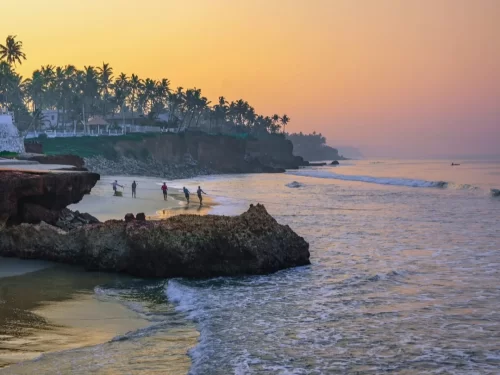 Beach
Beach
Edava Beach
Edava Beach is a serene beach near Varkala, known for its peaceful atmosphere and unspoiled natural beauty.
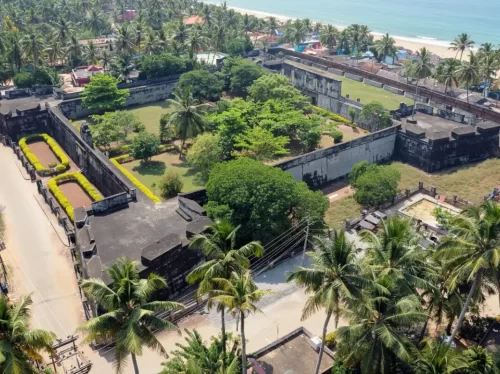 Historical Site
Anjuthengu Fort
Anjuthengu Fort is a historic coastal fort near Varkala, known for its colonial heritage and scenic sea views.