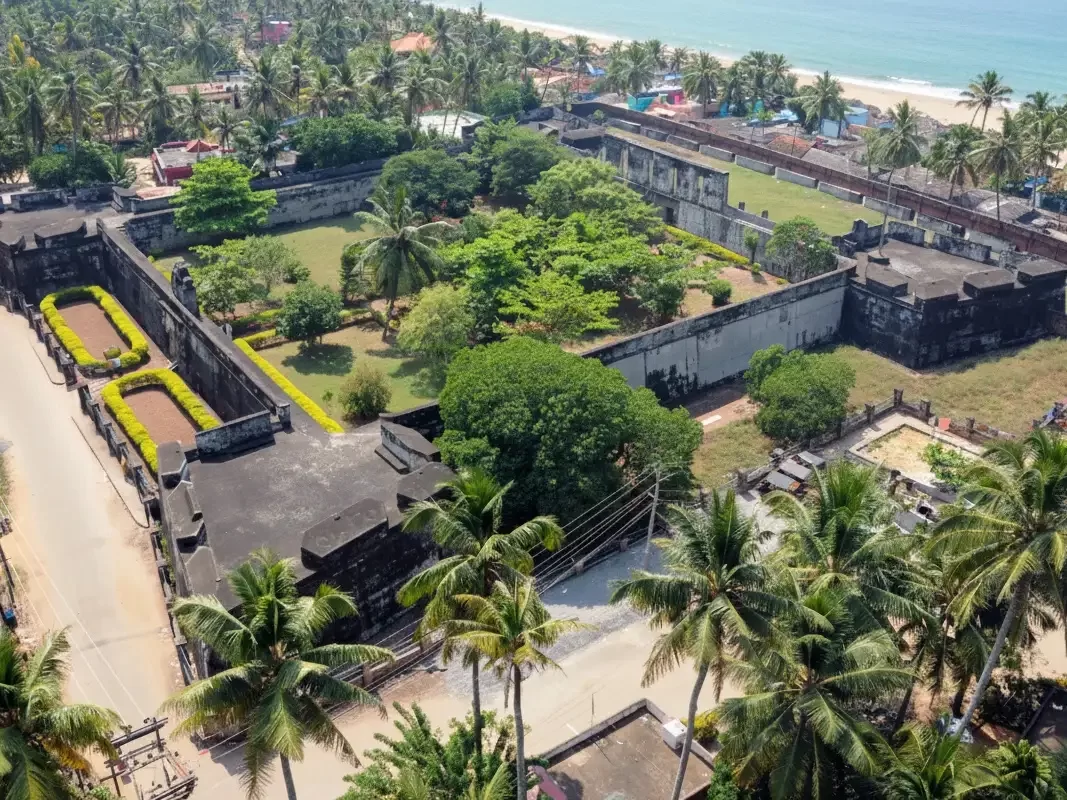
Quick Facts About Anjuthengu Fort
| Entry Fee |
20 |
| Timings |
08:00 - 17:30 |
| Altitude (m) |
5 |
| Ideal Visit Duration (hrs) |
1 |
| Best Time of Day |
Morning |
| Crowd Level |
Moderate |
| Distance from Varkala (km) |
12 |
| Walking Difficulty |
Easy |
| Parking Available |
Yes |
| Last Mile Access |
Walk |
| Suitable for Kids |
Yes |
| Suitable for Seniors |
Yes |
| Wheelchair Friendly |
No |
Why Visit Anjuthengu Fort Varkala
Why Visit
Anjuthengu Fort, also known as Anchuthengu Fort, is a historically important coastal fort near Varkala that reflects the early phase of European trading presence in Kerala. Visitors come to explore a site closely linked to the English East India Company and to understand how coastal forts shaped maritime trade, diplomacy, and colonial strategy along the Malabar Coast.
Atmosphere
The atmosphere is quiet, breezy, and reflective, with open views of the Arabian Sea and the surrounding coastal landscape. The fort’s ruins and open grounds feel calm and uncrowded, allowing visitors to walk at a relaxed pace while taking in sea air and historical surroundings. The setting feels more contemplative than dramatic, shaped by space and silence.
What Makes it Special
What makes Anjuthengu Fort special is its status as the first English settlement on the Kerala coast and its role in early colonial administration and trade. Built in the late 17th century, the fort stands as a reminder of shifting power dynamics along India’s western shoreline. Its seaside location and historical significance make it an understated yet meaningful stop for those interested in coastal history and heritage.
History of Anjuthengu Fort Varkala
Anjuthengu Fort, also known as Anchuthengu or Anjengo Fort, is located near Varkala in Thiruvananthapuram district, Kerala, along the Arabian Sea coast. The fort was established by the British East India Company in 1696, marking one of the earliest English settlements on the Malabar Coast.
The site was strategically chosen due to its proximity to the natural anchorage at Anchuthengu and its access to pepper-producing hinterlands. The fort functioned as a trading post and administrative centre, playing a key role in the early expansion of British commercial and political influence in southern India.
Anjuthengu Fort gained historical importance in the early 18th century during conflicts between the British and local rulers, including the Attingal revolt, which highlighted resistance to colonial control. Over time, the fort’s military and commercial relevance declined, but it remains a significant historical landmark representing the formative phase of British presence in Kerala’s coastal history.
Best Time to Visit – Anjuthengu Fort Varkala
The best time to visit Anjuthengu Fort (Anchuthengu Fort) near Varkala, Kerala, is from October to March, when the weather is pleasant and suitable for exploring the coastal fort ruins and enjoying sea views. During these months, humidity is lower, skies are clearer, and walking around the historic site is more comfortable.
- October–November: Post-monsoon freshness with greener surroundings and comfortable coastal weather.
- December–February: Coolest and most enjoyable season—ideal for heritage exploration and photography.
- March: Still suitable, though afternoons become warmer—morning visits are recommended.
- April–May (Summer): Hot and humid; short visits during early morning or late evening are more comfortable.
- June–September (Monsoon): Heavy rainfall and rough sea conditions; access may be affected, but the surroundings appear lush and dramatic.
Best time of day: 8:00 AM to 10:30 AM is ideal for visiting Anjuthengu Fort, offering cooler temperatures, better lighting for photography, and calmer surroundings before heat and humidity increase.
- Heritage tip: Morning light highlights the fort walls and offers clearer views of the Arabian Sea.
- Photography tip: Clear winter skies provide strong contrast between the fort ruins and coastal landscape.
- Safety note: Be cautious near cliff edges and uneven surfaces, especially after rainfall.
How to Reach Anjuthengu Fort Varkala
Anjuthengu Fort, also known as Anchuthengu Fort, is located at Anjuthengu village near Varkala, in Thiruvananthapuram district, Kerala. The fort lies along the Arabian Sea coast and is accessible by road from Varkala and nearby towns.
- By Air (Nearest airport): The nearest airport is Trivandrum International Airport, approximately 45 km away. From the airport, hire a taxi or app-based cab to Anjuthengu via Varkala. The drive takes around 1.5 hours depending on traffic.
- By Train (Nearest railway station): Varkala Sivagiri Railway Station is the closest railhead, located about 15 km from Anjuthengu Fort. From the station, take a taxi or auto-rickshaw to reach the fort.
- By Road: Anjuthengu is connected by road to Varkala, Attingal, and Thiruvananthapuram. KSRTC and private buses operate to nearby bus stops, from where local transport can take you to the fort.
- Taxi / Auto-rickshaw: Hiring a taxi from Varkala is the most convenient option. Auto-rickshaws can also be used for the final stretch, though taxis are more comfortable for longer distances.
- Self-drive: Self-driving is permitted via coastal roads. Drive carefully on narrow village roads approaching the fort. Limited parking is available near the site.
- Walking access: From the Anjuthengu village road, the fort is accessible by a short walk toward the coastline.
- Travel tips (EEAT): Visit during daylight hours for safety and better views. Wear comfortable footwear for uneven surfaces and be cautious near the cliff and sea-facing sections of the fort.
What to Expect When You Visit Anjuthengu Fort Varkala
Anjuthengu Fort, also known as Anjengo Fort, is a historic coastal fort near Varkala in Kerala, built by the British East India Company in the late 17th century. The visit offers a quiet, heritage-focused experience shaped by colonial history, sea views, and a sense of isolation rather than a fully restored or heavily interpreted monument.
- Early British colonial landmark: the fort marks one of the earliest English settlements on the Malabar Coast, giving historical context to European maritime trade and diplomacy in Kerala.
- Sea-facing fort setting: expect open views toward the Arabian Sea, with coastal winds and a calm, uncrowded atmosphere.
- Simple fort layout: the structure is modest in scale, with bastions, walls, and internal spaces that reflect functional military design rather than grandeur.
- Limited on-site interpretation: signage and explanations are minimal, so prior reading helps in understanding the fort’s historical importance.
- Quiet and uncrowded experience: unlike major forts, Anjuthengu Fort usually sees few visitors, allowing slow exploration and reflection.
- Basic facilities only: amenities are minimal or absent—carry water and essentials before arriving.
- Weather-exposed environment: the coastal location means strong sun, wind, and humidity—sun protection is recommended.
- Photography-friendly heritage site: the contrast of stone walls, sea, and sky offers good photo opportunities.
- Restricted or unsafe sections: some parts may be closed or unstable due to age—follow posted warnings and avoid climbing walls.
- Best combined with nearby coastal sites: the fort visit fits well with nearby beaches and Varkala-area heritage stops.
Tip for a smoother visit: visit during early morning or late afternoon for softer light and cooler weather, carry water, and approach the site as a quiet historical ruin rather than a fully curated fort complex.
Important Visitor Information – Anjuthengu Fort, Varkala
- Crowd & Weather Notes: Anjuthengu Fort generally sees light to moderate crowds, with increased visitors during peak tourist season (October to March), weekends, and local holidays. The coastal location brings humid weather; summers are warm, monsoon months (June to September) bring heavy rain and strong winds, while winters are pleasant.
- Peak / Quiet Hours: Peak hours are late morning to early afternoon when visitors arrive from nearby Varkala and Thiruvananthapuram. Early morning is the quietest time, offering cooler temperatures and fewer visitors.
- Dress Code: No formal dress code applies. Wear comfortable clothing suitable for coastal weather and sturdy footwear for walking on uneven ground within the fort area.
- Safety Notes: Exercise caution near the fort walls and cliff edges overlooking the sea, especially during strong winds or wet conditions. Some sections may be uneven or partially damaged—watch your step. Keep children supervised and avoid climbing on unstable structures.
Photography and Viewpoint – Anjuthengu Fort Varkala
Anjuthengu Fort (also known as Anjengo Fort), located near Varkala in Thiruvananthapuram district, Kerala, is a historic coastal fort built by the British East India Company in the late 17th century. Overlooking the Arabian Sea, the fort offers a compelling blend of colonial military architecture, sea-facing ramparts, and quiet coastal scenery. Photography here emphasizes heritage structures, ocean backdrops, and the contrast between weathered stonework and open seascapes.
- Best light for photography: Early morning provides soft coastal light and calmer seas, while late afternoon enhances textures on fort walls and creates dramatic sky tones.
- Sea-facing rampart views: Photograph from the fort’s edge to capture wide ocean vistas with stone parapets in the foreground for depth and scale.
- Colonial architecture details: Focus on bastions, thick laterite walls, arched gateways, and cannon placements to document the fort’s military design.
- Wide vs. detail compositions: Wide lenses work well for fort-and-sea landscapes, while detail shots highlight stone textures, steps, and weathered surfaces.
- Foreground framing ideas: Use fort walls, staircases, or window openings as natural frames for ocean and sky views.
- Mobile photography tips: Keep horizons straight using gridlines, expose for the sky in seafront shots, and stabilize in windy conditions.
- People & scale storytelling: Distant figures walking along ramparts help convey the fort’s size without dominating the composition.
- Seasonal atmosphere variation: Monsoon clouds add dramatic mood, while clearer months highlight blue seas and sharp architectural contrast.
- Crowd & timing awareness: The fort is generally quiet—weekday mornings offer the most undisturbed photography experience.
- Safety & heritage etiquette: Stay within accessible areas, avoid climbing on fragile structures, and respect the site as a protected heritage monument.
Near By Attraction
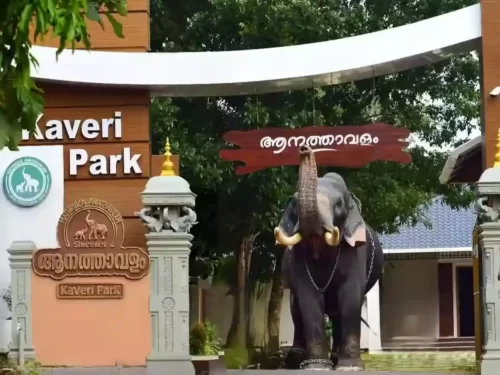 Tourist Attraction
Kaveri Elephant Park
Kaveri Elephant Park is a small elephant care and interaction center near Varkala, offering visitors a close look at trained elephants.
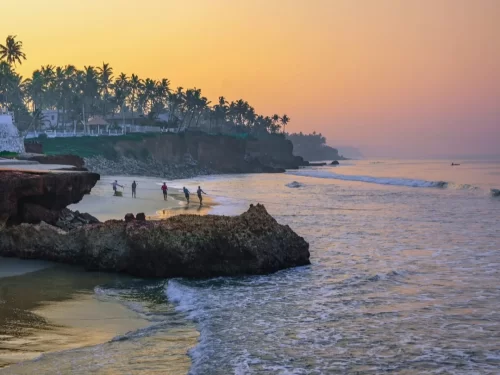 Beach
Beach
Edava Beach
Edava Beach is a serene beach near Varkala, known for its peaceful atmosphere and unspoiled natural beauty.
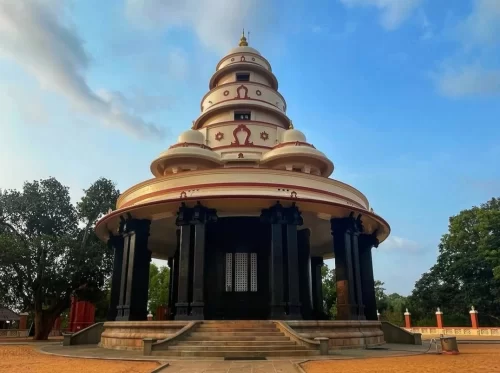 Pilgrimage Site
Sivagiri Mutt
Sivagiri Mutt is an important spiritual and cultural institution in Varkala, associated with the teachings of Sree Narayana Guru.