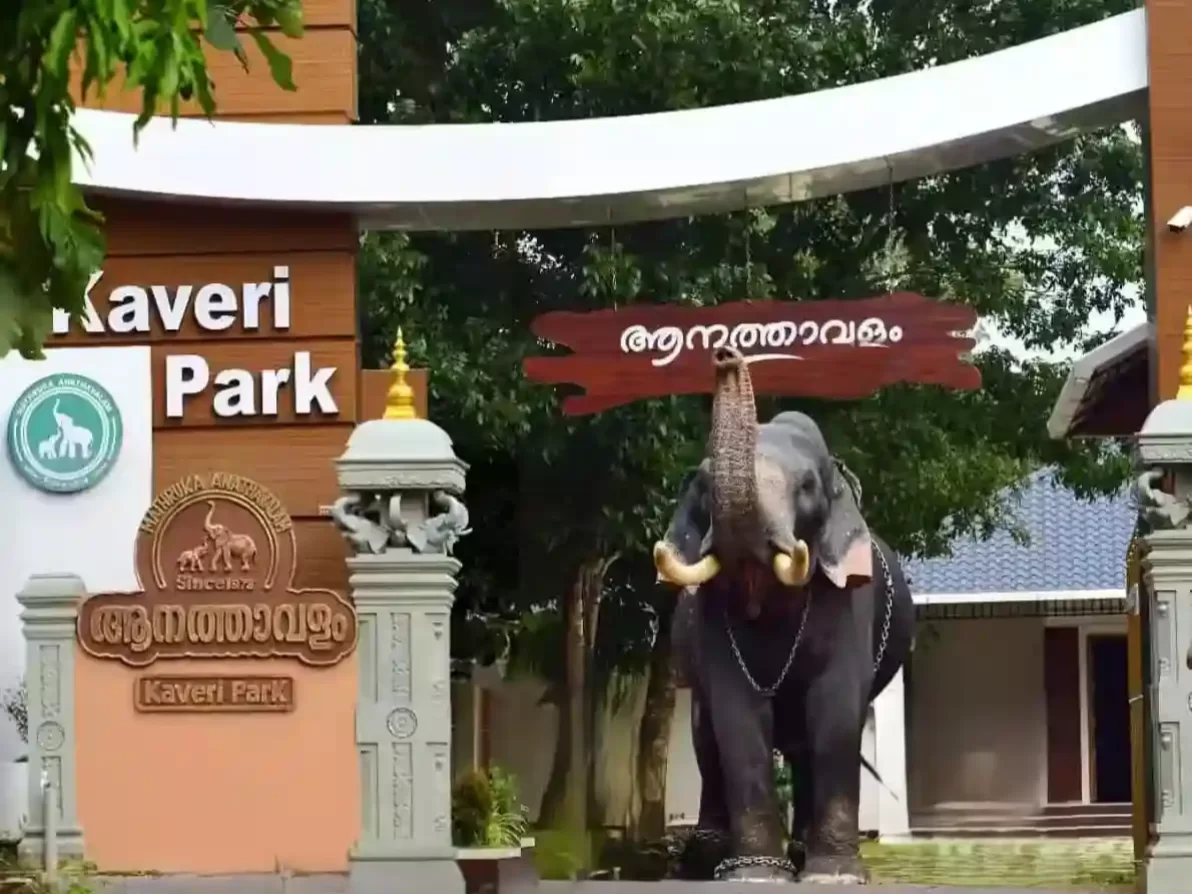
Quick Facts About Kaveri Elephant Park
| Entry Fee |
Free |
| Timings |
07:00 - 19:00 |
| Best Time |
October to March |
| Ideal Visit Duration (hrs) |
2 |
| Walking Difficulty |
Moderate |
| Parking Available |
No |
| Last Mile Access |
Road |
| Suitable for Kids |
Yes |
| Suitable for Seniors |
Yes |
| Wheelchair Friendly |
No |
Why Visit Kaveri Elephant Park Varkala
Why Visit
Kaveri Elephant Park near Varkala is visited by travellers interested in learning about elephants in a managed, human-care setting rather than encountering them in the wild. The park offers an opportunity to observe elephants up close and understand aspects of their daily care, feeding routines, and the long-standing relationship between elephants and local traditions in Kerala.
Atmosphere
The atmosphere is calm, rural, and guided, shaped by open grounds, caretakers’ instructions, and the presence of the animals. The setting feels slower-paced and observational, encouraging respectful behaviour rather than excitement-driven activity. Mornings are generally quieter and more comfortable due to cooler temperatures.
What Makes it Special
What makes Kaveri Elephant Park special is its focus on familiarising visitors with elephant care practices and awareness rather than safari-style viewing. Interaction formats, welfare practices, and visitor access are subject to change based on management and animal welfare guidelines; specific operational details are Data not officially verified. For many visitors, the park offers insight into Kerala’s cultural association with elephants in a controlled and educational environment.
History of Kaveri Elephant Park Varkala
Kaveri Elephant Park is located near Varkala in Thiruvananthapuram district, Kerala, and is associated with the long-standing tradition of captive elephant care in the region. Historically, elephants in southern Kerala were maintained for ceremonial purposes, temple-related activities, and forest operations, supported by skilled mahouts and local caretaking communities.
The park developed as a dedicated space for housing and managing domesticated elephants in a more structured environment, reflecting changing attitudes toward animal welfare and controlled interaction. Its establishment aligns with the broader transition in Kerala from utilitarian use of captive elephants toward regulated care, rehabilitation, and visitor awareness.
Over time, Kaveri Elephant Park became known as a managed facility where traditional mahout knowledge continues alongside modern oversight. Today, it represents an evolving chapter in the history of human–elephant relationships in coastal Kerala, rooted in heritage practices while adapting to contemporary standards of care and conservation awareness.
Best Time to Visit – Kaveri Elephant Park Varkala
The best time to visit Kaveri Elephant Park near Varkala, Kerala, is from October to March, when the weather is pleasant and suitable for outdoor activities involving elephants. Cooler temperatures during this period make it comfortable for visitors to observe elephant routines, interact responsibly under supervision, and spend time in the natural surroundings of the park.
- October–November: Post-monsoon greenery with comfortable weather—ideal for outdoor viewing and photography.
- December–February: Coolest and most comfortable season—best for longer visits and relaxed experiences.
- March: Still suitable, though daytime warmth increases—morning visits are recommended.
- April–May (Summer): Hot and humid; early morning visits are more comfortable for both visitors and elephants.
- June–September (Monsoon): Frequent rainfall; activities may continue, but movement can be affected by weather.
Best time of day: 7:30 AM to 10:30 AM is ideal for visiting Kaveri Elephant Park, as temperatures are cooler and elephants are usually engaged in their morning routines.
- Experience tip: Morning sessions allow better observation of elephant care activities like feeding and bathing.
- Comfort tip: Wear light, breathable clothing and comfortable footwear.
- Ethical note: Follow staff instructions closely and choose responsible interactions that prioritize animal welfare.
How to Reach Kaveri Elephant Park Varkala
Kaveri Elephant Park is located near Varkala in Thiruvananthapuram district, Kerala. The park is situated in a semi-rural setting and is accessed mainly by road from Varkala town and nearby transport hubs.
- By Air (Nearest airport): The nearest airport is Trivandrum International Airport, approximately 45–50 km away. From the airport, hire a taxi or app-based cab to Varkala and continue toward the elephant park as per local directions.
- By Train (Nearest railway station): Varkala Sivagiri Railway Station is the closest railhead, located about 8–12 km from Kaveri Elephant Park. From the station, take a taxi or auto-rickshaw to reach the park.
- By Road: Varkala is well connected by road to Thiruvananthapuram, Kollam, and nearby towns. KSRTC and private buses operate toward Varkala. From Varkala town, local transport is required to reach the elephant park.
- Taxi / Auto-rickshaw: Hiring a taxi from Varkala town is the most convenient option. Local drivers are familiar with the elephant park and nearby access roads.
- Self-drive: Self-driving is possible via village roads branching from Varkala. Drive cautiously on narrow stretches and follow local signboards to reach the park entrance.
- Walking access: The park is not located within walking distance from central Varkala; walking is not recommended due to distance and rural road conditions.
- Travel tips (EEAT): Visit during morning hours when animal activity is higher. Follow all staff instructions regarding elephant interactions, maintain safe distances, and respect animal welfare guidelines during your visit.
What to Expect When You Visit Kaveri Elephant Park Varkala
kaveri elephant park varkala is a controlled elephant interaction facility designed to offer visitors a close-up view of elephants in a supervised and managed environment. The experience is structured and time-bound, focusing on observation, basic interaction, and understanding elephant care rather than a wild or safari-style encounter.
- Supervised elephant encounters: all activities are conducted under the guidance of trained mahouts, with clear safety rules for visitors.
- Observation-focused experience: visitors typically watch elephants during routines such as bathing, feeding, or resting rather than free movement.
- Educational insight into elephant care: brief explanations may be provided about elephant behavior, diet, and daily maintenance.
- Time-slot based visits: entry is usually organized in fixed slots to manage crowds and reduce stress on the animals.
- Close proximity to large animals: expect to be near elephants—following staff instructions strictly is essential for safety.
- Simple outdoor setting: facilities are basic and reflect a functional, open-air environment rather than a landscaped park.
- Weather-dependent comfort: heat, humidity, or rain can affect the experience, so light clothing and sun protection are helpful.
- Photography with restrictions: photography is usually allowed, but flash and intrusive behavior are discouraged.
- Ethical awareness required: visitors are expected to behave responsibly and respect animal welfare guidelines.
- Short visit duration: the experience is generally brief and works best as an add-on to nearby Varkala sightseeing.
Tip for a smoother visit: choose quieter time slots, listen carefully to staff instructions, avoid loud behavior, and approach the visit as an educational observation rather than entertainment.
Important Visitor Information – Kaveri Elephant Park, Varkala
- Crowd & Weather Notes: Kaveri Elephant Park generally sees moderate visitor numbers, with higher footfall during peak tourist season (October to March), weekends, and holidays. The area experiences warm, humid coastal weather; monsoon months (June to September) bring heavy rainfall and muddy ground conditions.
- Peak / Quiet Hours: Peak hours are usually mid-morning to early afternoon when scheduled activities take place. Early morning on weekdays is quieter and more comfortable for visitors.
- Dress Code: No formal dress code applies. Wear comfortable clothing suitable for outdoor conditions and closed footwear, as the terrain can be uneven or muddy.
- Safety Notes: Interactions with elephants are allowed only under staff supervision—follow all instructions strictly. Do not feed or touch elephants without permission. Keep a safe distance, supervise children closely, and remain within designated visitor areas.
Photography and Viewpoint – Kaveri Elephant Park Varkala
Kaveri Elephant Park, located near Varkala in Thiruvananthapuram district, Kerala, is a controlled elephant interaction and care facility set within a natural, green landscape. Photography here is centered on ethical wildlife documentation, the bond between elephants and caretakers, and the calm rural surroundings. Visual storytelling prioritizes respectful distance, natural behavior, and contextual scenes over posed or intrusive imagery.
- Best light for photography: Early morning sessions offer soft, even light and calmer conditions, ideal for natural-looking images of elephants and surroundings.
- Ethical viewpoint framing: Photograph elephants within their environment, including caretakers and activity spaces, to provide honest, context-rich visuals.
- Action & movement shots: Capture slow walks, bathing moments, or feeding routines using mid-range lenses that maintain a safe distance.
- Detail-focused compositions: Focus on textures such as skin patterns, eyes, and gentle interactions between elephants and handlers, avoiding intrusive close-ups.
- Wide vs. telephoto strategy: Wide lenses document the overall setting, while moderate telephoto lenses help isolate subjects without approaching too closely.
- Natural background use: Include trees, pathways, and open spaces to frame subjects and reinforce the park’s natural setting.
- Mobile photography tips: Use burst mode for movement, tap to expose for skin tones, and avoid flash to prevent startling animals.
- Crowd & timing awareness: Visit during quieter slots to avoid visual clutter and to allow calmer elephant behavior.
- Safety & conduct rules: Follow staff instructions strictly, remain within designated areas, and never attempt unsupervised interaction.
- Responsible wildlife photography etiquette: Prioritize animal welfare, avoid staged shots, and use photography to promote awareness and respect.
Near By Attraction
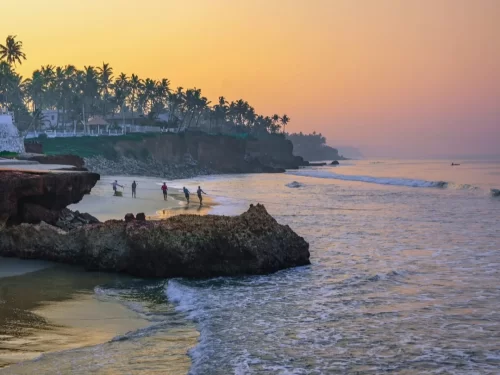 Beach
Beach
Edava Beach
Edava Beach is a serene beach near Varkala, known for its peaceful atmosphere and unspoiled natural beauty.
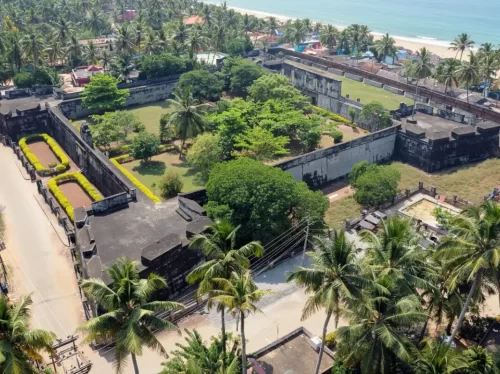 Historical Site
Anjuthengu Fort
Anjuthengu Fort is a historic coastal fort near Varkala, known for its colonial heritage and scenic sea views.
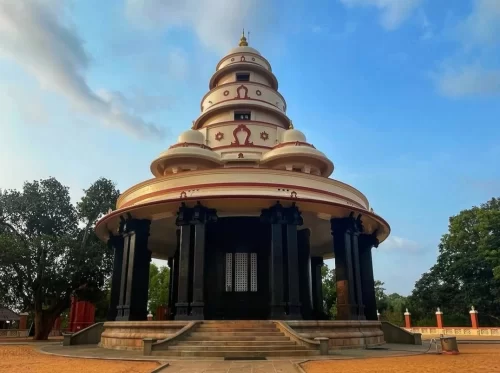 Pilgrimage Site
Sivagiri Mutt
Sivagiri Mutt is an important spiritual and cultural institution in Varkala, associated with the teachings of Sree Narayana Guru.