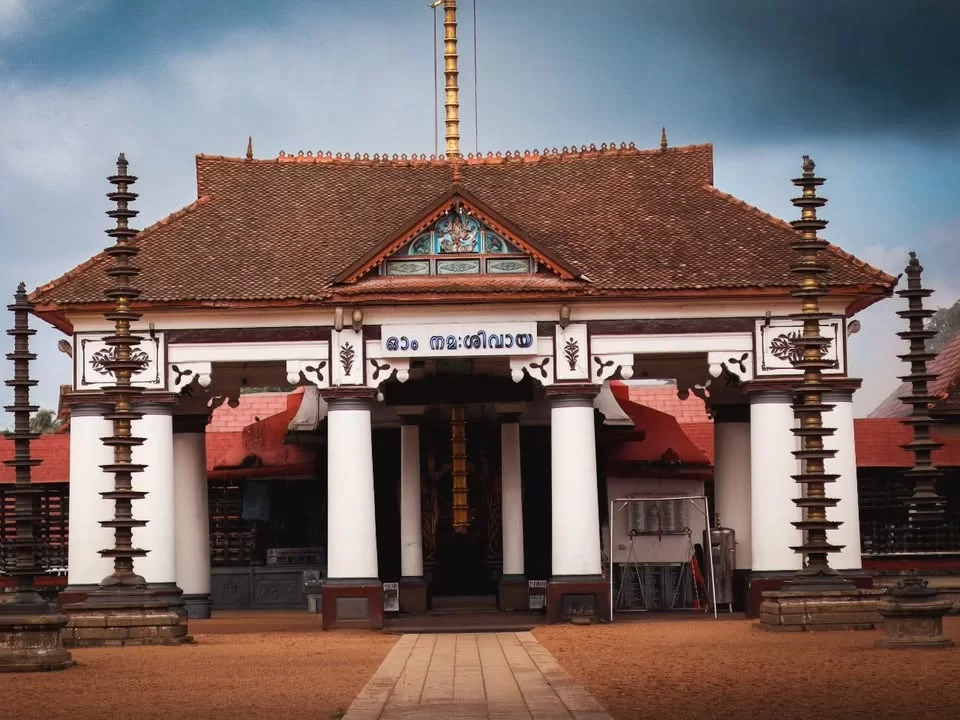
Quick Facts About Vaikom Mahadeva Temple
| Entry Fee |
Free |
| Timings |
04:00 - 12:00 |
| Altitude (m) |
10 |
| Ideal Visit Duration (hrs) |
1 |
| Best Time of Day |
Morning |
| Crowd Level |
High |
| Distance from Kumarakom (km) |
14 |
| Walking Difficulty |
Easy |
| Parking Available |
Yes |
| Last Mile Access |
Road |
| Suitable for Kids |
Yes |
| Suitable for Seniors |
Yes |
| Wheelchair Friendly |
No |
Why Visit Vaikom Mahadeva Temple Kumarakom
Why Visit
Vaikom Mahadeva Temple is one of the most ancient and revered Shiva temples in Kerala, located in Vaikom near Kumarakom in Kottayam district. Dedicated to Lord Shiva, the temple is an important pilgrimage centre and part of Kerala’s prominent Shaivite tradition. Visitors come to seek blessings, witness centuries-old rituals, and experience one of the state’s most spiritually significant temple complexes.
Atmosphere
The atmosphere is deeply devotional and structured, shaped by traditional Kerala temple architecture, oil lamps, rhythmic chanting, and disciplined temple practices. The expansive temple grounds feel serene despite steady pilgrim movement, especially during early morning and evening poojas. The sacred pond and surrounding pathways add to the contemplative environment.
What Makes it Special
What makes Vaikom Mahadeva Temple special is its antiquity and its association with major festivals such as the Vaikathashtami festival, which draws large numbers of devotees. The temple follows classic Kerala architectural style with copper-clad roofs and wooden carvings, and it plays a significant role in regional religious history, including social reform movements connected to temple entry rights. Its blend of spiritual depth, historical relevance, and ritual continuity makes it one of Kerala’s most important Shiva temples.
History of Vaikom Mahadeva Temple Kumarakom
Vaikom Mahadeva Temple is located in Vaikom town, Kottayam district, Kerala, near the Vembanad Lake region that includes Kumarakom. Dedicated to Lord Shiva, the temple is one of the oldest and most revered Shaivite shrines in Kerala, with its origins traditionally traced to the early medieval period.
The temple is deeply rooted in Kerala’s temple architecture, following the classical Kerala style with a circular sanctum (Sreekovil), copper-plated roofs, and intricately carved wooden elements. Over centuries, it received patronage from regional rulers, particularly under the Travancore kingdom, ensuring the continuity of rituals and structural maintenance.
Vaikom Mahadeva Temple also holds an important place in modern Indian history due to the Vaikom Satyagraha (1924–1925), a landmark social reform movement advocating access to temple roads for marginalized communities. This event marked a significant phase in Kerala’s socio-religious transformation. Today, the temple stands as both an ancient spiritual institution and a symbol of social progress in the region.
Best Time to Visit – Vaikom Mahadeva Temple Kumarakom
The best time to visit Vaikom Mahadeva Temple near Kumarakom in Kottayam district, Kerala, is from October to March, when the weather is pleasant and suitable for temple darshan and spiritual activities. During these months, lower humidity and moderate temperatures make it comfortable for devotees to attend poojas and explore the historic temple complex dedicated to Lord Shiva.
- October–November: Post-monsoon freshness with comfortable climate—ideal for regular darshan and temple visits.
- December–February: Coolest months—best for early morning and evening worship in a calm atmosphere.
- March: Still suitable, though daytime temperatures begin to rise—morning visits are recommended.
- April–May (Summer): Hot and humid; early morning and late evening darshan are more comfortable.
- June–September (Monsoon): Heavy rainfall; temple rituals continue, but outdoor movement around the premises may be affected.
Best time of day: 4:00 AM to 9:00 AM and 5:00 PM to 8:00 PM are ideal for darshan, aligning with major pooja timings and offering a spiritually serene experience.
- Spiritual tip: Early morning darshan allows devotees to experience the temple in a quieter, more focused setting.
- Festival insight: The Vaikom Ashtami festival (usually in November–December) attracts large crowds—plan visits in advance.
- Dress code note: Modest traditional attire is recommended in keeping with Kerala temple customs.
How to Reach Vaikom Mahadeva Temple Kumarakom
Vaikom Mahadeva Temple is located in Vaikom town, Kottayam district, Kerala, near Vembanad Lake and close to Kumarakom. It is one of the oldest and most revered Shiva temples in Kerala and is easily accessible by road, rail, and water routes.
- By Air (Nearest airport): The nearest airport is Cochin International Airport, approximately 60–65 km away. From the airport, hire a taxi or app-based cab to Vaikom via Ernakulam and Thalayolaparambu. The journey usually takes around 1.5 to 2 hours.
- By Train (Nearest railway station): Kottayam Railway Station is the closest major railhead, located about 35 km from Vaikom. From the station, take a taxi or KSRTC bus toward Vaikom town.
- By Road: Vaikom is well connected by road to Kottayam, Ernakulam, and Kumarakom. KSRTC and private buses operate frequently to Vaikom Bus Stand, which is within walking distance of the temple.
- Taxi / Auto-rickshaw: Taxis and auto-rickshaws are easily available from Kumarakom, Kottayam, and Ernakulam. Ask for drop-off at Vaikom Mahadeva Temple.
- By Water (Scenic option): Vaikom is connected to Kumarakom and Alappuzha by backwater routes. Boats and ferries operate in the Vembanad Lake region, offering a scenic approach followed by a short road transfer to the temple.
- Self-drive: Self-driving is convenient via state highways. Parking facilities are available near the temple complex, though they may be limited during major festivals and peak darshan hours.
- Travel tips (EEAT): Early morning and evening are ideal for darshan. Dress modestly as per temple customs, and expect heavy crowds during festivals such as Vaikathashtami and Maha Shivaratri.
What to Expect When You Visit Vaikom Mahadeva Temple Kumarakom
Vaikom Mahadeva Temple, located in Vaikom near Kumarakom in Kerala’s Kottayam district, is one of the most ancient and revered Shiva temples in the state. Known for its strong Shaivite traditions and historic social significance, the visit is deeply devotional and ritual-centered, reflecting living temple customs rather than tourist-oriented exploration.
- Ancient Shiva temple heritage: the temple is dedicated to Lord Mahadeva (Shiva) and is regarded as one of Kerala’s oldest and most sacred Shiva shrines.
- Classic Kerala temple architecture: expect a traditional nalambalam layout, copper-clad roofs, wooden carvings, and a large temple courtyard reflecting regional design.
- Strong ritual schedule: daily poojas and special observances, particularly during Pradosham and Shivaratri, shape the temple’s spiritual rhythm.
- Deep cultural significance: the temple is historically associated with the Vaikom Satyagraha movement, giving it social and historical importance beyond religion.
- Modest dress and entry norms: traditional attire is expected; footwear must be removed, and temple decorum is strictly followed.
- Limited photography access: photography inside the temple complex is generally restricted to maintain sanctity.
- Festival-driven vibrancy: annual festivals, including the Vaikom Ashtami celebration, attract large numbers of devotees and cultural processions.
- Peaceful spiritual atmosphere: despite its prominence, the temple maintains a calm and disciplined environment for prayer and reflection.
- Accessible from Kumarakom and Kottayam: the temple is well-connected and can be combined with backwater visits in the region.
- Short but meaningful darshan experience: most visitors focus on prayer and ritual observance rather than prolonged sightseeing.
Tip for a smoother visit: arrive early morning for a quieter darshan, wear traditional modest clothing, and plan around festival dates if you prefer either a vibrant celebration or a calmer experience.
Important Visitor Information – Vaikom Mahadeva Temple, Kumarakom
- Crowd & Weather Notes: Vaikom Mahadeva Temple experiences heavy footfall, especially during the annual Vaikathashtami festival and on Mondays and Shivaratri. The region has a humid tropical climate; summers are warm, monsoon months (June to September) bring heavy rainfall, and winters are relatively pleasant.
- Peak / Quiet Hours: Peak hours are early morning and evening during pooja and deeparadhana timings. For a quieter darshan, late morning to early afternoon on weekdays is preferable, avoiding festival days.
- Dress Code: Strict traditional attire is required. Men are generally expected to wear a dhoti (mundu) without shirts inside the temple. Women should wear saree, salwar kameez, or other modest traditional clothing. Footwear must be removed before entering the temple premises.
- Safety Notes: Follow temple rules and instructions from Devaswom authorities, especially during crowded festival periods. Be cautious on smooth or wet floors during monsoon. Keep personal belongings secure and maintain silence and decorum inside the temple complex.
Photography and Viewpoint – Vaikom Mahadeva Temple Kumarakom
Vaikom Mahadeva Temple, located in Vaikom town near Kumarakom in Kottayam district, Kerala, is one of the most ancient and revered Shiva temples in the state. Known for its classic Kerala temple architecture, expansive temple grounds, and deeply rooted ritual traditions, the temple offers opportunities for architectural and cultural photography, while requiring strict adherence to temple customs and worship protocols.
- Photography permissions: Photography inside the inner sanctum is generally prohibited; always follow temple signage and instructions from authorities.
- Best light for exterior photography: Early morning and late afternoon provide soft, even light that enhances the textures of tiled roofs, wooden structures, and temple walls.
- Architectural composition ideas: Frame the traditional gopuram-style entrance, sloping tiled roofs, and lamp-lined courtyards to highlight Kerala temple design.
- Devotional atmosphere shots: Capture wide frames of devotees, temple corridors, and oil lamps from a respectful distance to convey spiritual ambience.
- Festival-period visuals: During major festivals and processions, wide-angle compositions can document decorations and ceremonial elements without obstructing movement.
- Wide vs. detail photography: Wide lenses suit courtyard and entrance views, while detail shots focus on carvings, lamps, bells, and architectural textures where permitted.
- Mobile photography tips: Use gridlines to maintain straight verticals, expose for shaded surfaces, and avoid flash to preserve sanctity.
- Crowd & timing awareness: Visit outside peak puja hours for quieter conditions and unobstructed frames.
- Dress code & etiquette: Modest traditional attire is expected; photography should never interfere with rituals or temple pathways.
- Responsible religious-site photography: Prioritize reverence, avoid photographing priests or rituals without permission, and strictly adhere to temple guidelines.
Near By Attraction
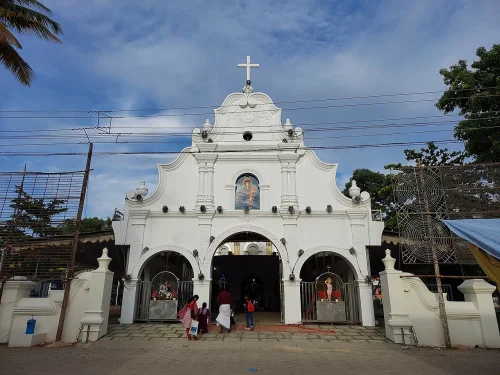 Church
St. Mary's Church Kudavechoor
St. Mary's Kudavechoor Church is a historic Roman Catholic church located in Kudavechoor near Kumarakom, Kottayam district, Kerala, India.
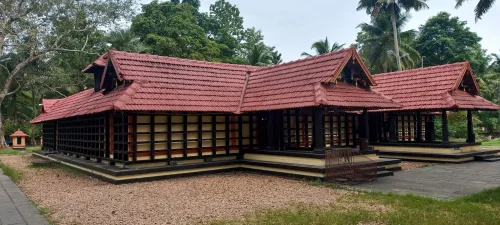 Temple
Sasthakulam Devi Temple
Sasthakulam Devi Temple is a Hindu temple located in Kumarakom, Kottayam district, Kerala, India.
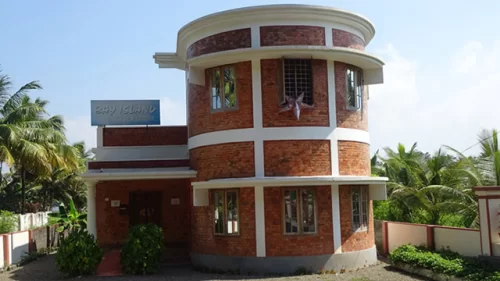 Museum
Bay Island Driftwood Museum
Bay Island Driftwood Museum is a private museum in Kochi showcasing driftwood sculptures collected from the Andaman and Nicobar Islands.